


Why Is Proper Ventilation Essential for Healthy Indoor Spaces?
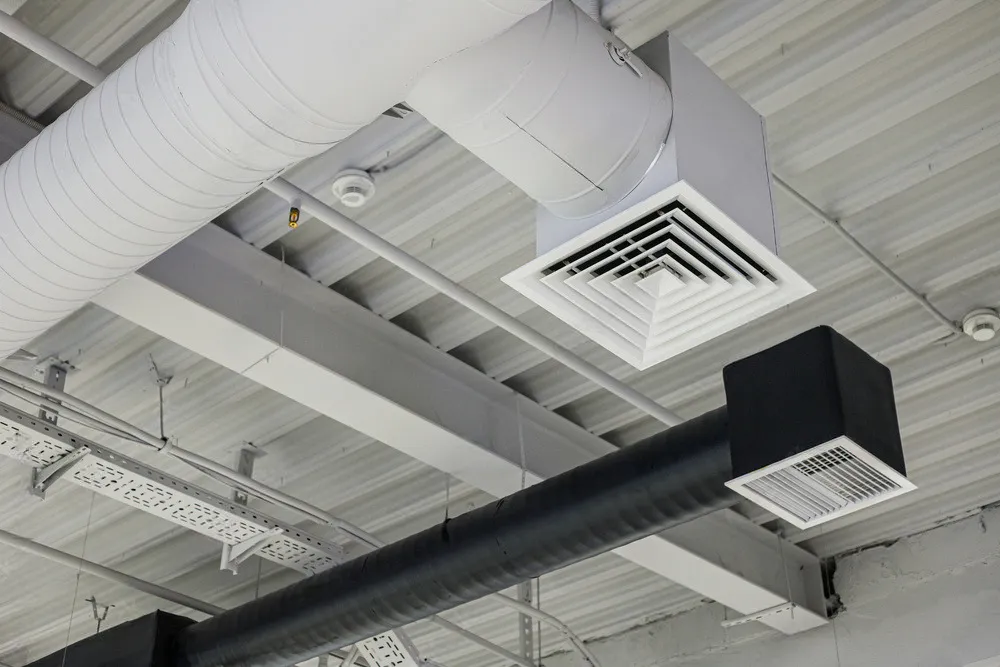
Indoor air quality plays a major role in maintaining a healthy and comfortable environment. Whether in homes, offices, commercial buildings, or industrial facilities, proper ventilation helps remove stale air, reduce indoor pollutants, and maintain a balanced level of humidity.
Without adequate airflow, dust, allergens, moisture, and other airborne contaminants can accumulate indoors. Over time, poor ventilation may contribute to respiratory discomfort, allergic reactions, headaches, and reduced concentration. An effective ventilation system helps create a cleaner and healthier indoor environment by continuously circulating and refreshing the air.
Importance of Ventilation in Indoor Environments
Ventilation is essential for maintaining fresh and healthy indoor air. It works by removing polluted indoor air and introducing fresh outdoor air into a building.
Indoor spaces can accumulate various contaminants, including dust, pollen, chemical vapors, and airborne particles. Without sufficient air exchange, these substances may remain in the environment for extended periods.
Proper ventilation helps dilute indoor pollutants, improve air circulation, and maintain comfortable conditions for occupants. It is particularly important in areas with high occupancy, such as offices, schools, shopping centers, and public buildings.
Opening windows when outdoor conditions allow, using exhaust fans, and maintaining mechanical ventilation systems are practical ways to improve indoor airflow.
Understanding Indoor Air Quality and Its Impact on Health
Indoor air quality refers to the condition of the air inside buildings and its potential effects on human health and comfort.
Poor indoor air quality can result from inadequate ventilation, excessive moisture, accumulated dust, mold, and chemical emissions from household or construction materials. Continuous exposure to these pollutants may contribute to respiratory irritation, allergies, fatigue, and headaches.
Good ventilation reduces the concentration of airborne contaminants by replacing stale indoor air with fresh air. It also helps regulate carbon dioxide levels, particularly in occupied rooms where people spend long periods.
Maintaining good indoor air quality is therefore important not only for physical well-being but also for concentration, comfort, and productivity.
Key Components of Effective Ventilation Systems
An efficient ventilation system consists of several interconnected components that work together to ensure continuous and controlled air circulation.
Air ducts: Ducts distribute fresh air throughout a building and remove stale air from indoor spaces. Proper insulation and sealing help prevent air leakage and energy losses.
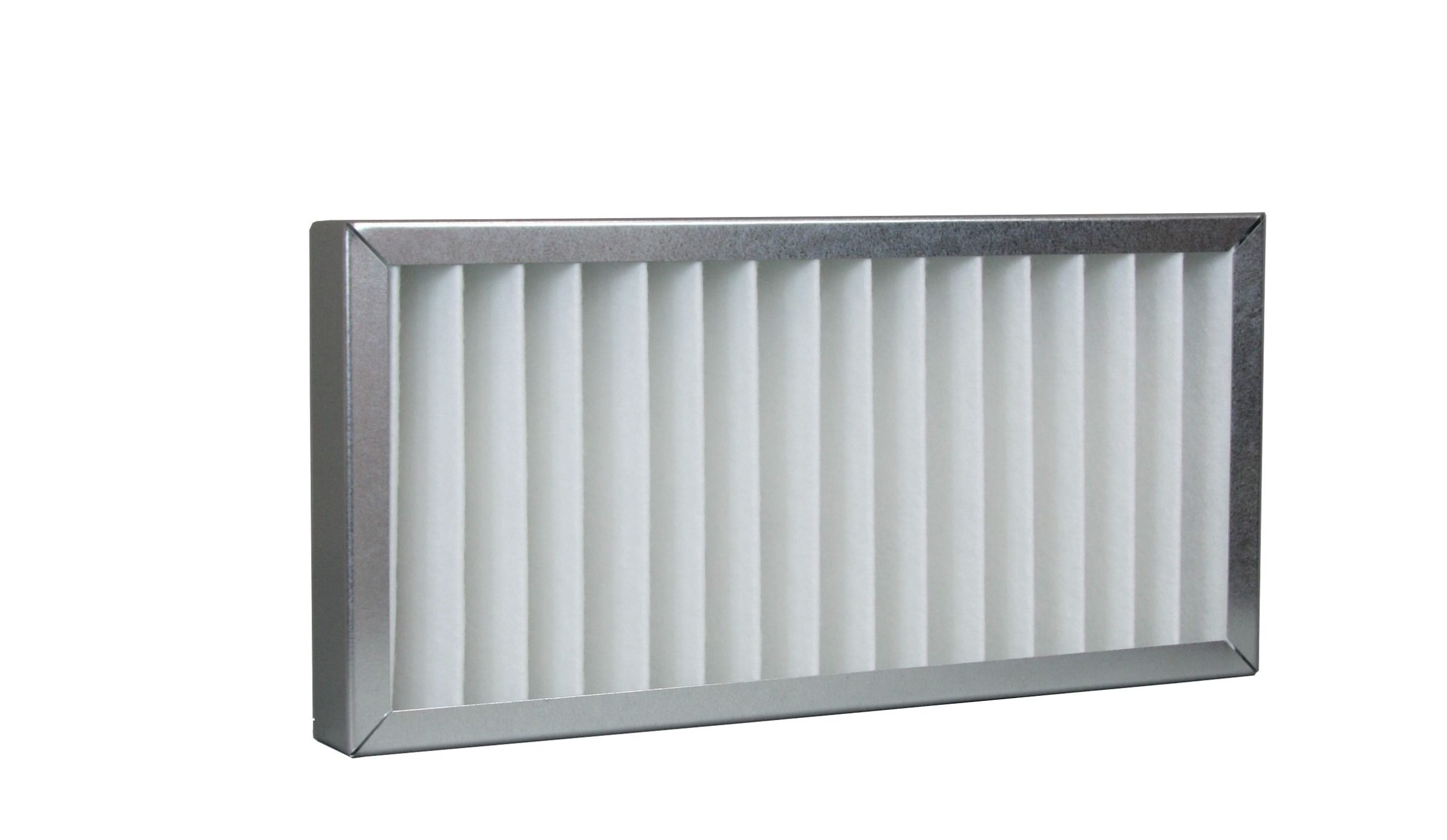
Air filters: Filters capture dust, pollen, and other airborne particles before air enters occupied spaces or passes through ventilation equipment. Regular cleaning or replacement is necessary to maintain their effectiveness.
Exhaust fans: These devices remove excess humidity, odors, and contaminated air from areas such as kitchens, bathrooms, and technical rooms.
Ventilation units and fans: Mechanical ventilation equipment helps maintain consistent airflow and provides controlled air exchange, especially in buildings where natural ventilation is insufficient.
All components should be properly selected, installed, and maintained to ensure the system operates efficiently.
Common Sources of Indoor Air Pollutants
Indoor air pollution can originate from various everyday activities, building materials, and environmental conditions. Identifying these sources is an important step toward improving air quality.
Common indoor pollutants include:
Dust and pollen: These particles enter through windows, doors, clothing, and ventilation openings. They can trigger allergic reactions and respiratory irritation.
Mold and mildew: Excessive moisture and poor ventilation create favorable conditions for mold growth. Mold spores can negatively affect respiratory health.
Pet dander: Small particles released from animal skin and fur can remain suspended in indoor air and cause allergies.
Volatile organic compounds (VOCs): These substances are released by paints, cleaning products, adhesives, furniture, and certain construction materials.
Cooking emissions: Cooking activities can release smoke, grease particles, and other airborne contaminants, especially when exhaust ventilation is inadequate.
Reducing pollutant sources and ensuring sufficient airflow are essential for maintaining a healthier indoor environment.
The Relationship Between Ventilation and Moisture Control
Humidity control is another important function of an effective ventilation system. Activities such as cooking, showering, washing, and even breathing release moisture into indoor air.
When this moisture is not properly removed, condensation may develop on walls, ceilings, and windows. Persistent dampness can encourage mold growth, damage building materials, and create unpleasant indoor conditions.
Ventilation systems help remove humid air and maintain more balanced indoor humidity levels. Exhaust fans in kitchens and bathrooms are particularly useful for removing moisture at its source.
Regular inspections and proper ventilation design can help prevent moisture-related problems and protect the building structure.
Health Benefits of Proper Airflow in Homes and Offices
A well-ventilated indoor environment offers several benefits for both health and everyday comfort.
Reduced respiratory irritation: Fresh air circulation helps lower the concentration of dust, allergens, and other airborne pollutants that may irritate the respiratory system.
Improved comfort: Proper airflow reduces stuffiness and helps maintain a pleasant indoor atmosphere.
Better concentration and productivity: Comfortable indoor air conditions can support concentration and help occupants remain productive throughout the day.
Moisture and mold prevention: Effective ventilation removes excess humidity, reducing the conditions that encourage mold growth.
Odor removal: Continuous air exchange helps eliminate unpleasant odors from cooking, cleaning products, and other indoor activities.
These benefits make ventilation an essential part of healthy residential, commercial, and workplace environments.
Strategies for Improving Indoor Ventilation
Improving indoor air quality does not always require major structural changes. Several practical measures can help make ventilation systems more effective.
Ensure regular air exchange: Open windows when outdoor air quality and weather conditions are suitable.
Use exhaust fans: Install or operate exhaust fans in kitchens, bathrooms, and other areas where moisture and odors accumulate.
Maintain ventilation equipment: Inspect fans, ducts, filters, and ventilation units regularly to identify blockages or performance issues.
Replace air filters on time: Follow the equipment manufacturer's recommendations for cleaning and replacing filters.
Control indoor humidity: Address leaks, remove excess moisture, and ensure that damp areas receive adequate ventilation.
Choose an appropriate ventilation system: Select equipment according to the building's size, occupancy, layout, and specific air exchange requirements.
Arrange professional inspections: Qualified specialists can evaluate airflow, identify system deficiencies, and recommend suitable improvements.
Conclusion
Proper ventilation is a fundamental requirement for maintaining healthy, comfortable, and safe indoor spaces. It helps remove airborne pollutants, control humidity, reduce unpleasant odors, and support better indoor air quality.
Whether in residential buildings, offices, or industrial facilities, a properly designed and maintained ventilation system contributes to occupant well-being, protects building materials, and improves overall indoor comfort. Regular maintenance and professional assessment are essential to ensure long-term system performance.
Other Manufacturing Sectors
Why Is Proper Ventilation Essential for Healthy Indoor Spaces?
The Role of Pipe Fittings in Ensuring System Reliability and Safety
Preventing corrosion: How to protect heating systems long-term and avoid damage
How to prevent condensation on air ducts
Vacuum valves: types, operating principles, and industrial applications
What are measuring instruments? types, applications, and their role in industry
What is unbalanced airflow?
Why Pressure Loss Matters in Ventilation Ductwork Design
Why is one room hotter than the rest of the house?
10 signs that your home’s air quality needs improvement

The Importance of Ventilation Filters
How to choose the right ventilation system for offices, warehouses and restaurants
Critical components of hospital ventilation systems that require regular testing
Top 5 Ways to Improve Energy Efficiency in Commercial Buildings

Why your air conditioner Is running but not cooling the room
Why does condensation form on windows and how can you prevent it?

How to Reduce Energy Losses in Local Exhaust Ventilation Systems
How to Choose the Right Material for HVAC Pipes
Enhancing workplace efficiency: The strategic importance of selecting quality flexible air ducts
What is a boiler room system and how do you choose the right equipment for your project?
Measurement Equipment and Safety Valves: Safety and Control in Heating Systems
The Role and Importance of Expansion Tanks in Heating Systems
6 signs your building needs better ventilation

How to choose the right ductwork?
Types of Bolts: Components, Sizes, and Applications
Threaded Rod: Types, Applications, and Selection Guide
The importance of material selection in mechanical engineering: Ensuring optimal performance and longevity

Insulated vs Non-Insulated flexible ducting | Buyer's guide
10 Key Factors to Consider When Choosing a Good Industrial Steam Boiler
10 Smart Ways to Improve Home Energy Efficiency Without Replacing Your Boiler
The importance of proper mechanical process installations

What are VRF systems and which buildings are they suitable for?
Advantages of insulated air ducts and why they are important
Energy-efficient heating systems: Which solutions are the most effective?
What are MEP systems and why are they important in construction projects?
The role of ventilation systems in creating a healthy and comfortable environment

Thermal Insulation: What Is It and How Is It Used?
What are accumulation tanks and why are they worth using?
Ofislərdə düzgün soyutma sistemi məhsuldarlığa necə təsir edir?

HVAC sistemlərinin ağıllı ev sistemləri ilə inteqrasiyası
Breathing made easy: the undeniable benefits of a home ventilation system.
What are ball valves and how do they work?
Comparison of threaded pipe and welded pipe: which is better for your project?
The role of ventilation in ensuring fire safety and smoke control.
How good air circulation improves your shopping experience?
Duct fans: comprehensive applications and points to consider
Ventilation in hospitals and healthcare facilities
Boiler or stove: how to decide?
What type of heating is best for an old house?
How to calculate the required boiler capacity?

Boiler pressure keeps dropping — what is the reason?
Why Does My Boiler Keep Turning Off?
Boiler Size; This Really Matters
Choosing the Right Boiler Size for Your Home

Should I Keep The Boiler Running Continuously?
Noisy Boiler: Possible Causes And Solutions
The Importance of the Expansion Tank
How to Keep Your Pipes Warm in Winter: Tips to Prevent Freezing
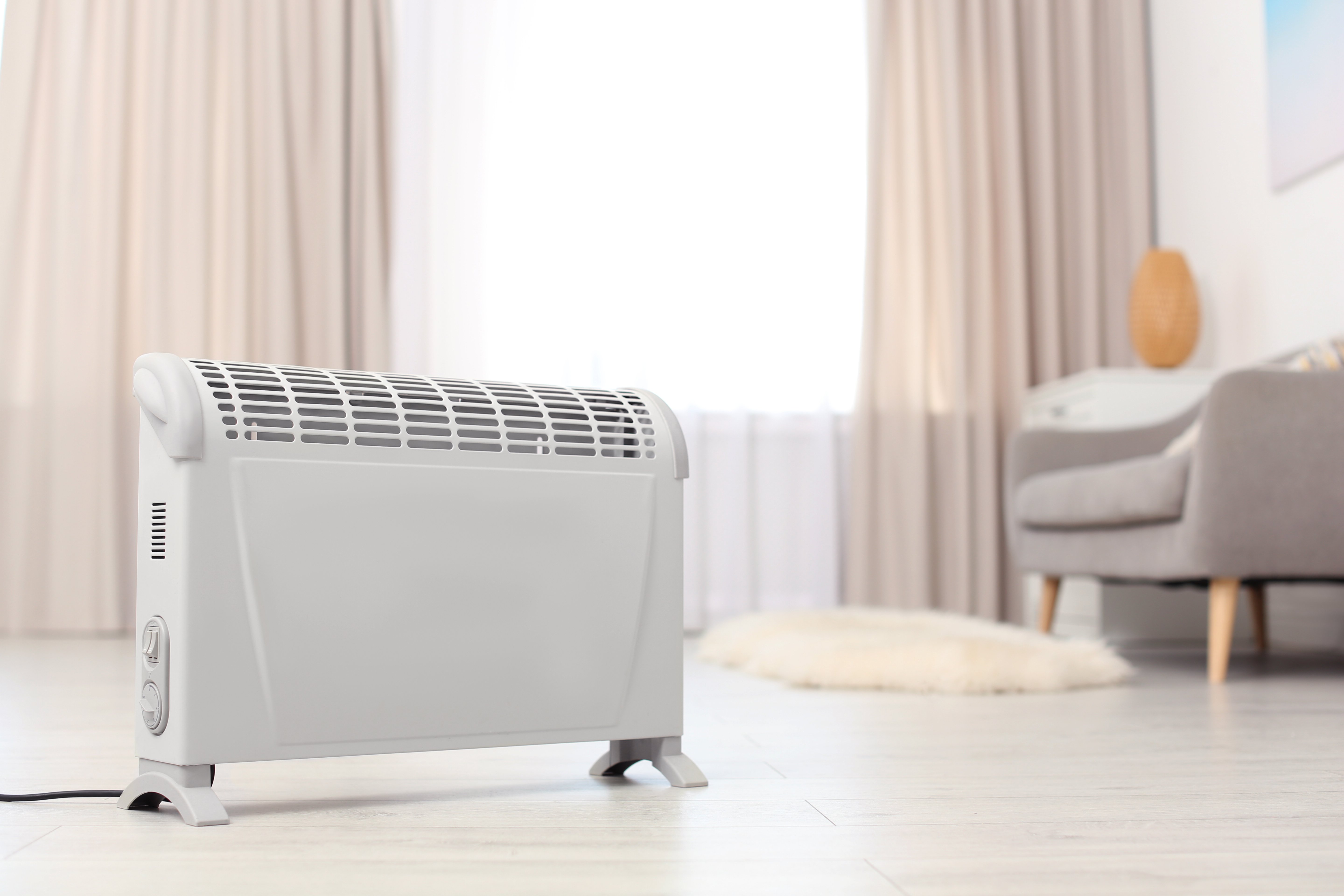
Types of Electric Heaters
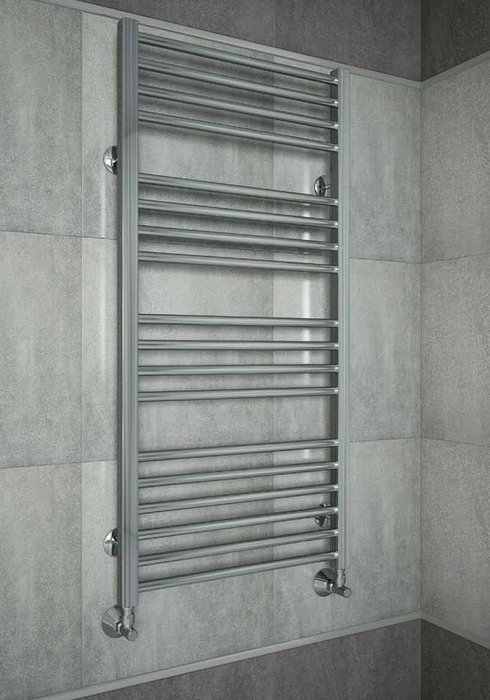
Can you dry clothes on bathroom towel radiators?
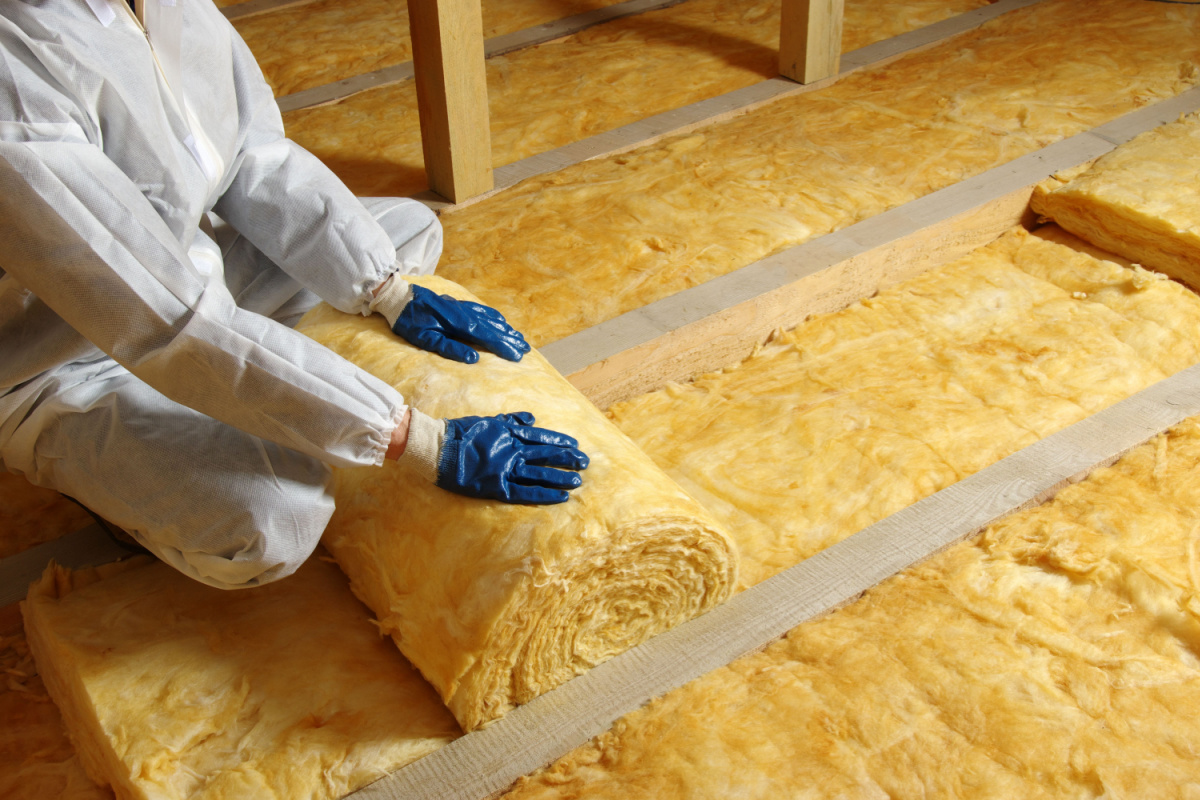
Common Insulation Problems
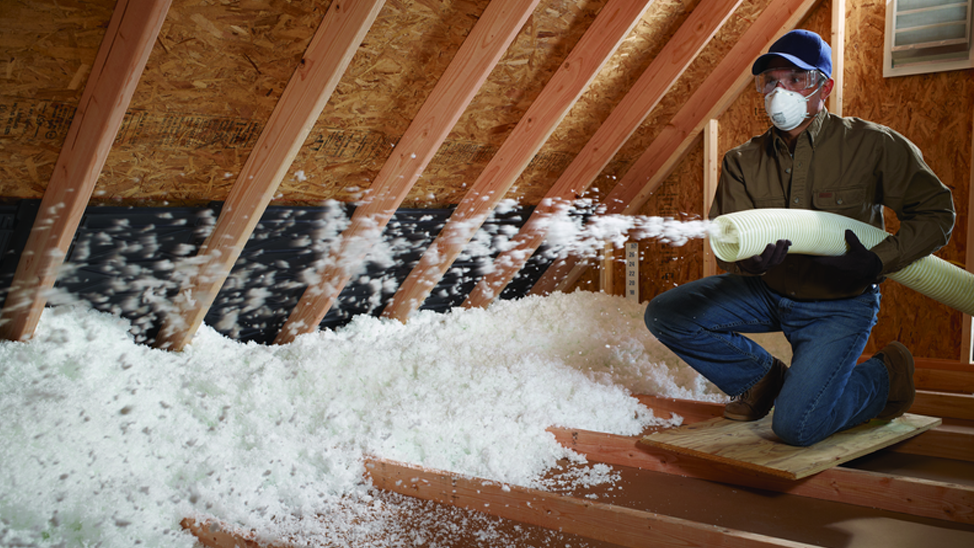
The Importance of Proper Insulation in Home Heating
Combi Boiler vs System Boiler: Which Is Best for Your Home?
How to Prepare Your Home for HVAC Installation: 9 Essential Tips
HVAC for New Construction: What You Need to Know

How to choose the best boilers for schools in 2026?
How to clean a gas boiler?
What is mechanical ventilation?
How to improve air quality during allergy season

The truth behind common myths about air purifiers

Choosing Clamps for Professionals: Structure, Types and Applications

The Role and Importance of Measurement Equipment in Industry
Safety Gloves: A Small Tool, Big Protection

Your Home’s “Thermos” Effect: The Secret to Staying Warm in Winter and Cool in Summer
Practical Guide: Maintenance, Efficiency, and Safety of Boiler Room Systems

The Hidden Heroes of Our Home: Radiators

How Radiators Work: The Heat Distributors of Your Home

Boiler Rooms Explained: The Core of Home Heating

Energy-Efficient Home Heating Options: A Complete Guide

Why Is Regular Maintenance of HVAC Systems Important?

Control and Safety Devices in the Boiler Room: Essential Components for Your System

What is HVAC? Fundamentals of Heating and Cooling Systems

The ventilation systems in large buildings

Radiators vs Underfloor Heating: Which Works Better with Heat Pumps?

Radiators and Heating Systems: Comfortable and Energy-Efficient Solutions for Your Home

HVAC Pipe Insulation – Energy Saving and Stable Temperature Maintenance

What Don’t We Know About Ventilation Systems?

The Importance of Insulation for Energy Efficiency

Şüşə Yunu ilə Boru İzolyasiyası Nədir və Niyə Vacibdir?

Hansı radiator daha yaxşıdır?

What are heating systems for?

Havalandırma avadanlıqları nə üçündür?

Ventilation Systems

Heating systems - Models and prices

Heating systems

Havalandırma sistemləri (Havalandirma sistemleri)

Boru armaturları və fittinqləri

Qazanxana nədir?

Mechanical and Natural Ventilation: Which Is More Effective?

Ways to Save Energy with Smart Heating Systems

Effective Cooling Solutions for Commercial Properties

Boiler, Air Conditioning, and Ventilation System: How Are They Controlled Simultaneously?

Alternative Energy Sources in Heating and Cooling: Technologies of the Future
