


Why your air conditioner Is running but not cooling the room
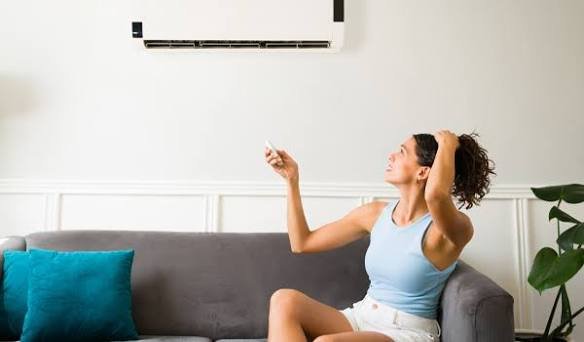
During the hot summer months, few things are more frustrating than an air conditioner that is running but failing to cool your home or room properly. The system may operate for hours, yet the indoor temperature remains high and the air coming from the vents does not feel cold enough.
There can be several reasons for this problem. Sometimes the cause is simple, such as a dirty air filter or incorrect thermostat settings. In other cases, low refrigerant levels, a frozen evaporator coil, electrical problems, or a dirty outdoor unit may be responsible.
Signs That Your Air Conditioner Is Not Cooling Properly
You may notice that your air conditioner is not working efficiently if you experience one or more of the following:
Warm or slightly cool air coming from the vents
Rooms taking much longer to cool than usual
The air conditioner running continuously
The desired thermostat temperature not being reached
Some rooms being noticeably warmer than others
Higher electricity consumption
Unusual sounds coming from the outdoor unit
Ice forming on refrigerant pipes
Water collecting around the indoor unit
If you notice these signs, the cooling system should be inspected.
Why Is My Air Conditioner Running but Not Blowing Cold Air?
1. A Dirty Air Filter
One of the most common reasons for poor air conditioning performance is a dirty air filter.
When the filter becomes clogged with dust, hair, and other particles, airflow through the system is restricted. As a result, less air passes over the evaporator coil and the cooling performance decreases.
A dirty filter can also cause the evaporator coil to freeze and make the air conditioner consume more energy.
Check your air filter regularly and clean or replace it when necessary.
2. Incorrect Thermostat Settings
Sometimes the air conditioner itself is working properly, but incorrect thermostat settings prevent the room from cooling.
When checking your thermostat:
Make sure the mode is set to “Cool.”
Make sure the temperature is set below the current room temperature.
Check that the fan is set to “Auto.”
Replace the thermostat batteries if they are weak.
If the air conditioner still does not cool the room after making these adjustments, there may be another problem.
3. A Dirty Outdoor Unit
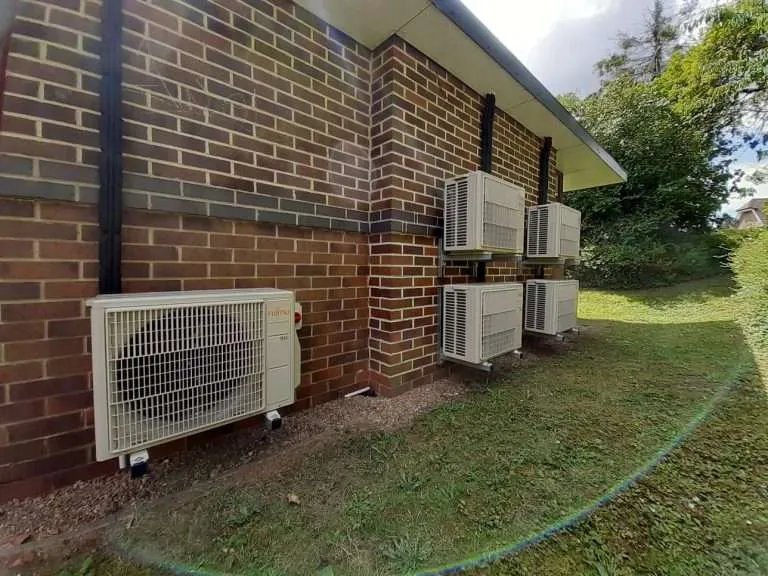
The outdoor unit plays an important role in releasing heat from your home. If dust, leaves, grass, or other debris accumulates around the condenser, airflow can become restricted.
This forces the compressor to work harder and can reduce the cooling efficiency of the entire system.
Keep the area around the outdoor unit clear and make sure nothing blocks the airflow.
When cleaning the outdoor unit, avoid using high-pressure water because it can damage the delicate condenser fins.
4. Low Refrigerant Levels
Refrigerant is essential to the cooling process. If the refrigerant level becomes too low, the air conditioner may continue running without providing adequate cooling.
Possible signs of low refrigerant include:
Warm air coming from the vents
Long cooling cycles
Reduced cooling performance
Ice forming on refrigerant pipes
Hissing or bubbling sounds near the refrigerant lines
Low refrigerant is often a sign of a leak. Simply adding more refrigerant may not solve the problem. The source of the leak should first be identified and repaired.
Refrigerant-related work should be performed by a qualified HVAC professional.
Why Does an Air Conditioner Evaporator Coil Freeze?
Ice forming on the evaporator coil is a sign that the air conditioner is not operating correctly.
Common causes include:
A dirty air filter
Restricted airflow
A dirty evaporator coil
Low refrigerant levels
Mechanical or technical problems
A frozen evaporator coil cannot effectively absorb heat from indoor air. As a result, the air conditioner may continue running while only producing warm or slightly cool air.
If you notice ice on the system, turn off the cooling function and allow the ice to melt naturally. Do not attempt to remove the ice with tools, as this can damage the coil or refrigerant lines.
Electrical Problems Can Also Cause Cooling Issues
In some cases, the indoor unit may appear to be working while the outdoor unit or compressor does not start. The air conditioner may therefore seem to be operating without actually producing cold air.
Possible causes include:
A tripped circuit breaker
A faulty capacitor
Contactor problems
Damaged electrical wiring
Compressor failure
Control system problems
If the circuit breaker trips repeatedly, do not continue resetting it. Repeated tripping may indicate a serious electrical or equipment problem.
Electrical components should only be inspected and repaired by a qualified professional.
The Air Conditioner Blows Cold Air, but the Room Is Still Warm
Sometimes an air conditioner is producing cold air normally, yet the room remains warmer than expected.
This can happen when the system does not have enough capacity for the space.
Possible reasons include:
The air conditioner is undersized for the room.
The room receives significant direct sunlight.
Wall or roof insulation is insufficient.
Warm air enters through doors or windows.
Ductwork has air leaks.
The ventilation system is not properly designed.
The air conditioner is old and has lost efficiency.
Rooms exposed to strong sunlight can place a particularly high cooling load on an air conditioning system. Choosing the correct AC capacity based on the size and characteristics of the space is therefore important.
How to Make Your Air Conditioner Work More Efficiently
You can take several simple steps to maintain your air conditioner's cooling performance:
Check and clean the air filter regularly.
Keep the area around the outdoor unit clear.
Keep windows and doors closed while the AC is operating.
Use curtains or blinds to reduce direct sunlight.
Avoid setting the thermostat unnecessarily low.
Schedule regular air conditioning maintenance.
Have the refrigerant level and potential leaks checked by a professional.
Make sure the AC capacity is appropriate for the size of the room.
Why Is Regular AC Maintenance Important?
Regular maintenance can help your air conditioner operate more efficiently and reliably.
During a professional maintenance visit, a technician may:
Check the air filter
Inspect the evaporator and condenser coils
Check refrigerant levels
Test electrical components
Inspect the condensate drain
Check fans and motors
Evaluate overall cooling performance
Identifying problems early can help prevent more serious and expensive repairs later.
When Should You Call an HVAC Professional?
If your air conditioner still does not cool properly after checking the basic settings and filter, it is time to contact an HVAC professional.
You should avoid DIY repairs, especially if:
You suspect a refrigerant leak.
The evaporator coil or refrigerant pipes are freezing.
The compressor does not start.
The circuit breaker repeatedly trips.
You smell something burning.
The outdoor unit is making unusual noises.
You suspect an electrical problem.
The air conditioner is leaking water.
Refrigerant systems, compressors, and high-voltage electrical components should be handled by trained HVAC professionals.
Conclusion
An air conditioner that is running but not cooling the room can have several causes. A dirty air filter or incorrect thermostat settings may be responsible, but low refrigerant levels, a frozen evaporator coil, electrical problems, dirty outdoor components, or an incorrectly sized AC system can also affect cooling performance.
Start by checking the thermostat, air filter, circuit breaker, and outdoor unit. If the problem continues, avoid forcing the system to operate and contact a qualified HVAC professional.
Remember: regular air conditioner maintenance can help maintain cooling performance, improve energy efficiency, extend equipment life, and reduce the risk of unexpected breakdowns.
Other Manufacturing Sectors
Why your air conditioner Is running but not cooling the room
Why does condensation form on windows and how can you prevent it?
How to Reduce Energy Losses in Local Exhaust Ventilation Systems
How to Choose the Right Material for HVAC Pipes
Enhancing workplace efficiency: The strategic importance of selecting quality flexible air ducts
What is a boiler room system and how do you choose the right equipment for your project?
Measurement Equipment and Safety Valves: Safety and Control in Heating Systems
The Role and Importance of Expansion Tanks in Heating Systems
6 signs your building needs better ventilation

How to choose the right ductwork?
Types of Bolts: Components, Sizes, and Applications
Threaded Rod: Types, Applications, and Selection Guide
The importance of material selection in mechanical engineering: Ensuring optimal performance and longevity
Insulated vs Non-Insulated flexible ducting | Buyer's guide
10 Key Factors to Consider When Choosing a Good Industrial Steam Boiler
10 Smart Ways to Improve Home Energy Efficiency Without Replacing Your Boiler
The importance of proper mechanical process installations

What are VRF systems and which buildings are they suitable for?
Advantages of insulated air ducts and why they are important
Energy-efficient heating systems: Which solutions are the most effective?
What are MEP systems and why are they important in construction projects?
The role of ventilation systems in creating a healthy and comfortable environment

Thermal Insulation: What Is It and How Is It Used?
What are accumulation tanks and why are they worth using?
Ofislərdə düzgün soyutma sistemi məhsuldarlığa necə təsir edir?

HVAC sistemlərinin ağıllı ev sistemləri ilə inteqrasiyası
Breathing made easy: the undeniable benefits of a home ventilation system.
What are ball valves and how do they work?
Comparison of threaded pipe and welded pipe: which is better for your project?
The role of ventilation in ensuring fire safety and smoke control.
How good air circulation improves your shopping experience?
Duct fans: comprehensive applications and points to consider
Ventilation in hospitals and healthcare facilities
Boiler or stove: how to decide?
What type of heating is best for an old house?
How to calculate the required boiler capacity?

Boiler pressure keeps dropping — what is the reason?
Why Does My Boiler Keep Turning Off?
Boiler Size; This Really Matters
Choosing the Right Boiler Size for Your Home

Should I Keep The Boiler Running Continuously?
Noisy Boiler: Possible Causes And Solutions
The Importance of the Expansion Tank
How to Keep Your Pipes Warm in Winter: Tips to Prevent Freezing
Types of Electric Heaters
Can you dry clothes on bathroom towel radiators?
Common Insulation Problems
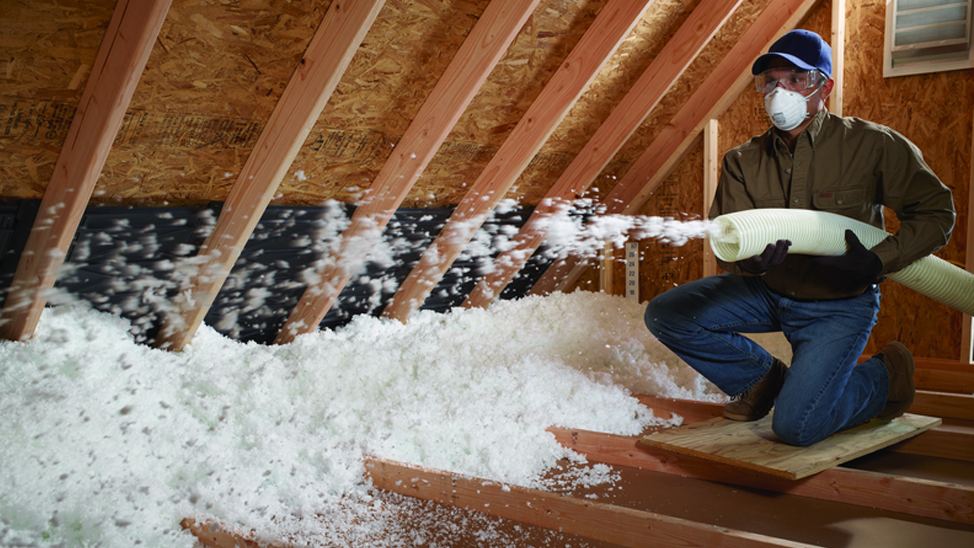
The Importance of Proper Insulation in Home Heating
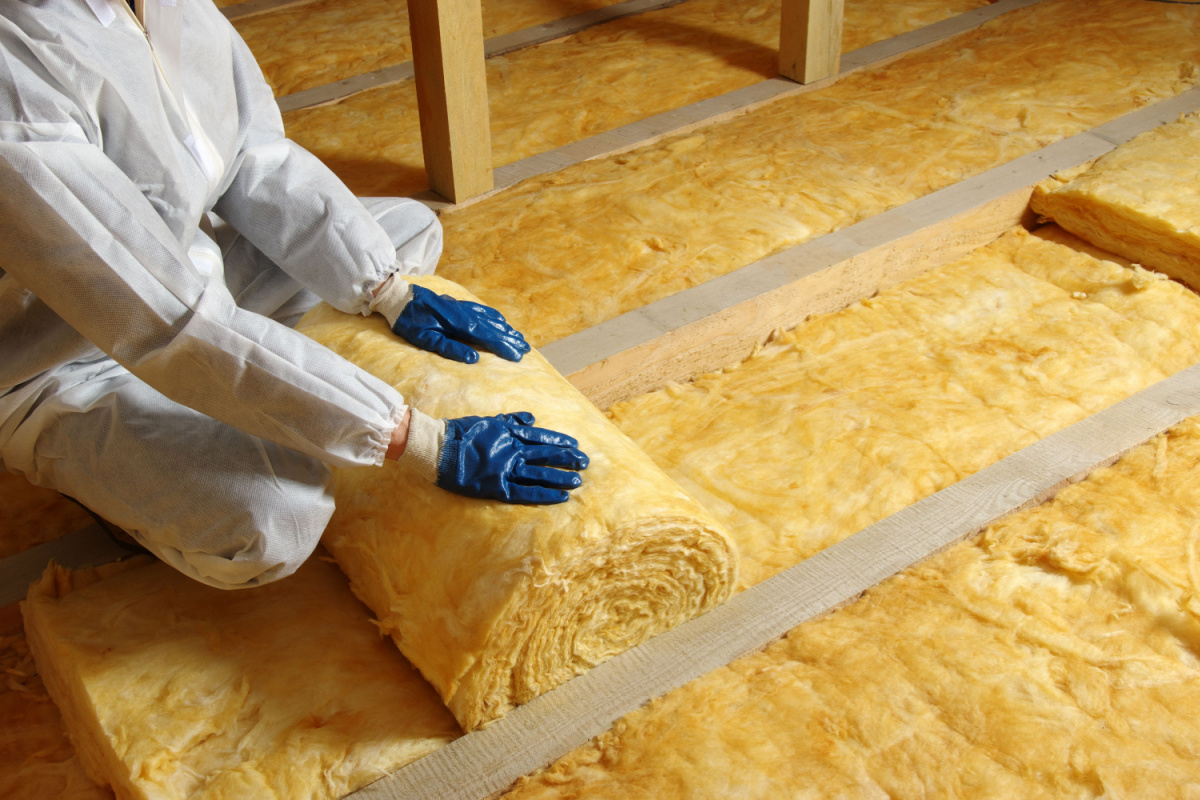
Combi Boiler vs System Boiler: Which Is Best for Your Home?
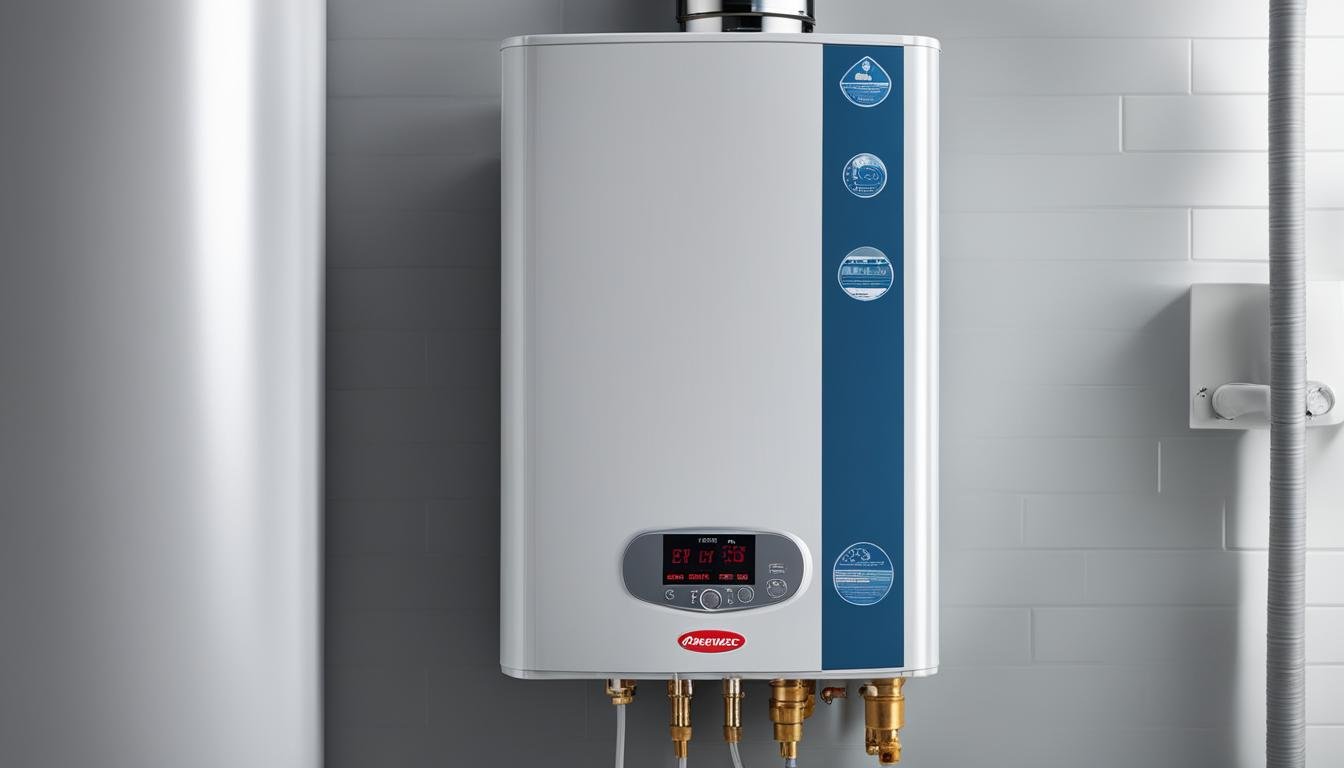
How to Prepare Your Home for HVAC Installation: 9 Essential Tips
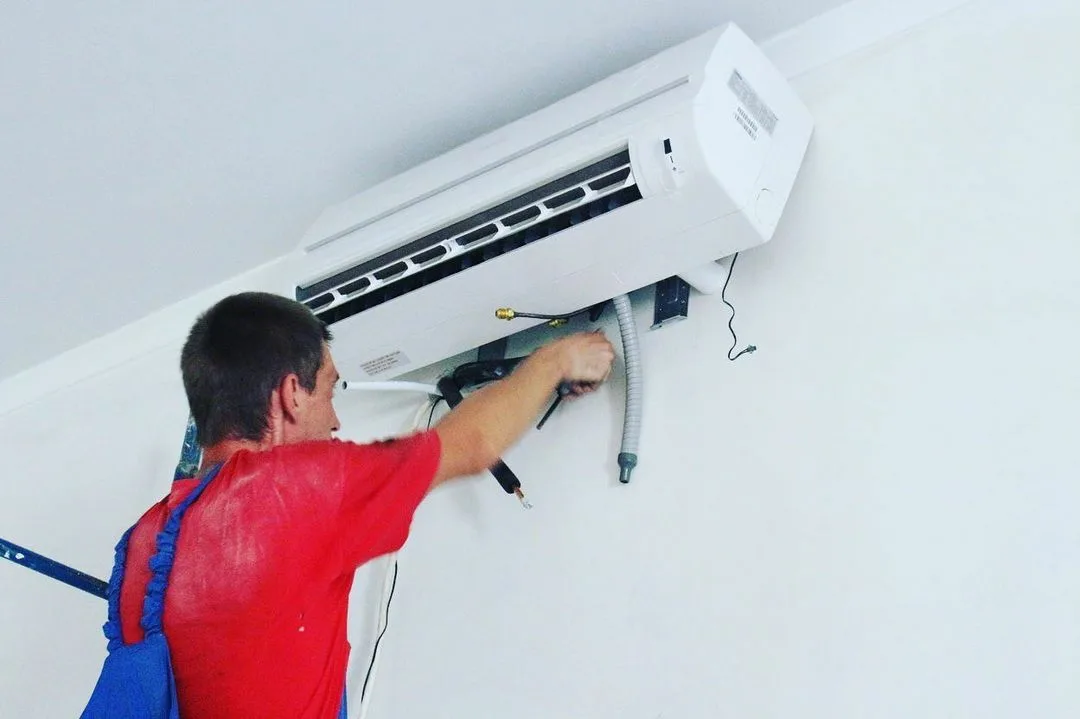
HVAC for New Construction: What You Need to Know

How to choose the best boilers for schools in 2026?
How to clean a gas boiler?
What is mechanical ventilation?
How to improve air quality during allergy season

The truth behind common myths about air purifiers

Choosing Clamps for Professionals: Structure, Types and Applications

The Role and Importance of Measurement Equipment in Industry
Safety Gloves: A Small Tool, Big Protection

Your Home’s “Thermos” Effect: The Secret to Staying Warm in Winter and Cool in Summer
Practical Guide: Maintenance, Efficiency, and Safety of Boiler Room Systems

The Hidden Heroes of Our Home: Radiators

How Radiators Work: The Heat Distributors of Your Home

Boiler Rooms Explained: The Core of Home Heating

Energy-Efficient Home Heating Options: A Complete Guide

Why Is Regular Maintenance of HVAC Systems Important?

Control and Safety Devices in the Boiler Room: Essential Components for Your System

What is HVAC? Fundamentals of Heating and Cooling Systems

The ventilation systems in large buildings

Radiators vs Underfloor Heating: Which Works Better with Heat Pumps?

Radiators and Heating Systems: Comfortable and Energy-Efficient Solutions for Your Home

HVAC Pipe Insulation – Energy Saving and Stable Temperature Maintenance

What Don’t We Know About Ventilation Systems?

The Importance of Insulation for Energy Efficiency

Şüşə Yunu ilə Boru İzolyasiyası Nədir və Niyə Vacibdir?

Hansı radiator daha yaxşıdır?

What are heating systems for?

Havalandırma avadanlıqları nə üçündür?

Ventilation Systems

Heating systems - Models and prices

Heating systems

Havalandırma sistemləri (Havalandirma sistemleri)

Boru armaturları və fittinqləri

Qazanxana nədir?

Mechanical and Natural Ventilation: Which Is More Effective?

Ways to Save Energy with Smart Heating Systems

Effective Cooling Solutions for Commercial Properties

Boiler, Air Conditioning, and Ventilation System: How Are They Controlled Simultaneously?

Alternative Energy Sources in Heating and Cooling: Technologies of the Future
