Enhancing workplace efficiency: The strategic importance of selecting quality flexible air ducts
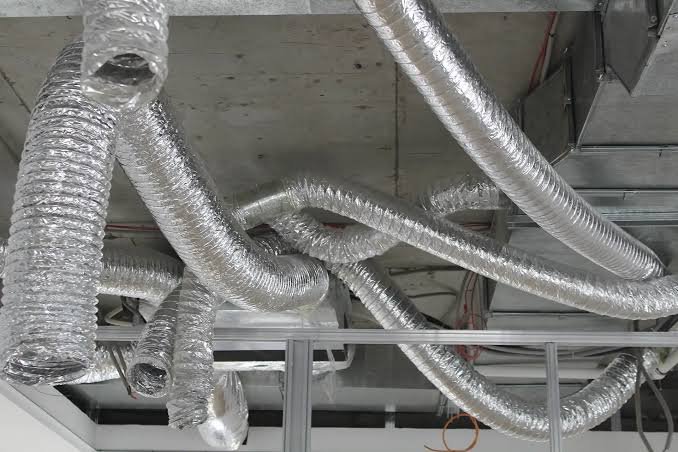
Creating a comfortable and efficient workplace requires the right people, equipment, and a supportive environment. One of the key components of this environment is the HVAC system, which plays an essential role in controlling indoor air quality and temperature. Choosing the right air ducts, particularly flexible air ducts, is an important factor in maintaining an optimal working environment.
Why Quality Air Ducts Matter for Businesses
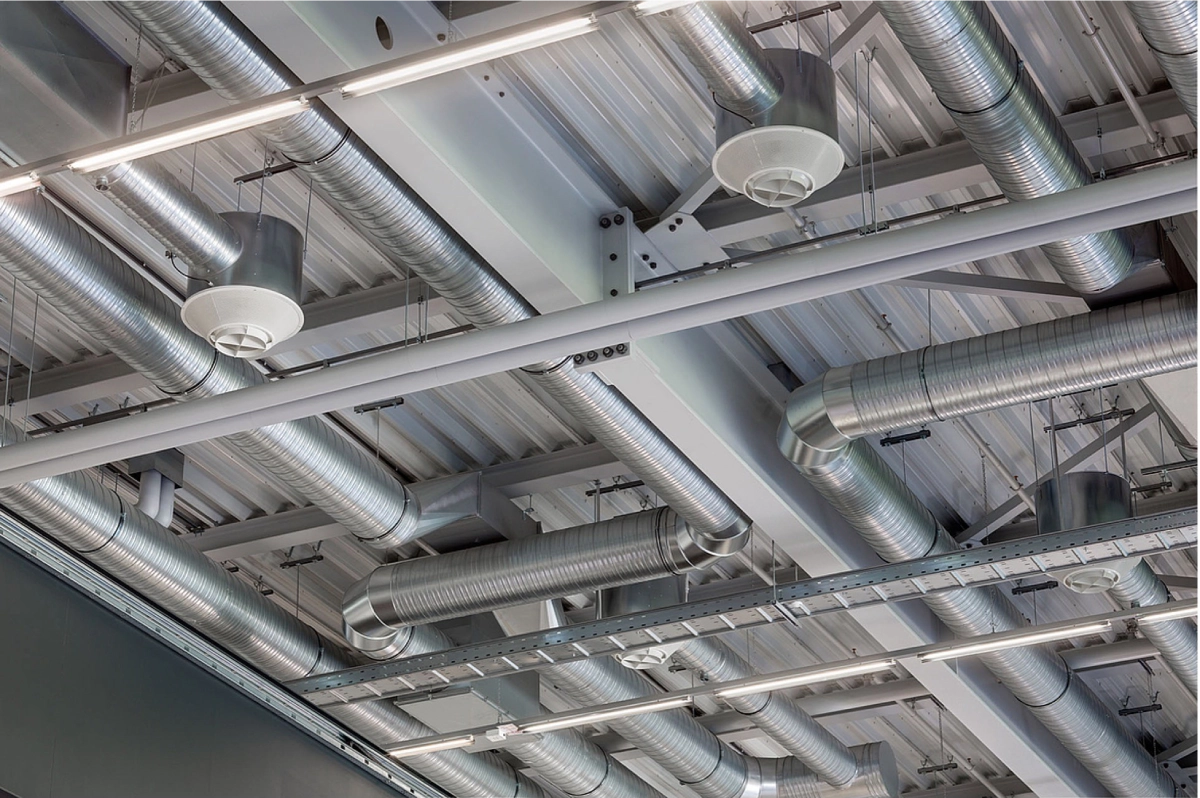
Selecting the right air ducts is an important decision that can affect many aspects of a business, from operating costs to employee health and comfort. High-quality ductwork helps HVAC systems operate efficiently, ensures better airflow, and allows installations to adapt to different spaces and layouts.
Let’s take a closer look at the main benefits that high-quality flexible air ducts can provide for businesses.
Energy Efficiency and Cost Savings
High-quality air ducts can significantly improve the energy efficiency of an HVAC system by ensuring smooth and effective airflow. Better airflow can reduce unnecessary energy consumption and help lower monthly utility costs, resulting in significant long-term savings.
Efficient ductwork also reduces the workload placed on HVAC equipment. As a result, the system may operate more effectively, experience less stress, and have a longer service life, reducing the need for expensive repairs or premature replacement.
In addition, businesses that invest in energy-efficient technologies may qualify for various energy-saving incentives. Depending on the location and applicable programs, companies may be eligible for rebates or tax benefits when implementing energy-efficient solutions. These incentives can help offset the initial investment in high-quality ductwork.
Improving Air Quality and Employee Well-Being
Quality air ducts play an important role in maintaining good indoor air quality, which is essential for the health, comfort, and well-being of employees.
Efficient ductwork can help reduce the circulation of airborne contaminants such as dust, allergens, and other pollutants. This is especially important in workplaces where indoor air quality can directly affect employee health, productivity, and satisfaction.
Well-designed and properly installed air ducts also help maintain more consistent temperature and humidity levels throughout a building. A stable indoor environment creates a more comfortable workplace and allows employees to focus on their work without being distracted by excessive heat, cold, or poor air circulation.
Customization and Flexibility in Installation
One of the main advantages of flexible air ducts is their ability to adapt to different spaces and building layouts.
Flexible ducts are particularly useful when office layouts need to be modified, expanded, or redesigned. Their adaptability allows HVAC installations to be adjusted to new configurations more easily, making installation faster and less disruptive.
This flexibility can be especially valuable for businesses that need to continue their operations while construction, renovation, or HVAC modifications are taking place.
Longevity and Durability
Investing in high-quality flexible air ducts can extend the lifespan of the HVAC ductwork and reduce the need for frequent replacement.
Ducts manufactured from durable materials are designed to withstand continuous airflow, regular handling, and environmental conditions common in commercial buildings. This durability helps prevent premature deterioration and reduces maintenance requirements.
High-quality ductwork can also withstand handling during installation and future adjustments or reconfigurations as business requirements change. As a result, the initial investment can continue to provide value for many years.
Compliance and Safety
Using the appropriate type of air duct is also important for meeting applicable safety standards and building codes.
Depending on the building and application, fire-resistant or specially certified ductwork may be required. Selecting the correct products helps improve workplace safety and can also reduce the risk of compliance, insurance, or regulatory issues.
Working with appropriate and certified ductwork ensures that the HVAC installation meets the necessary technical and safety requirements.
Conclusion
Choosing the right flexible air ducts for your business is more than simply selecting an HVAC component—it is a strategic investment that can influence energy efficiency, operating costs, indoor air quality, employee comfort, safety, and long-term system performance.
By investing in high-quality ductwork, businesses can reduce unnecessary energy consumption, improve workplace comfort, increase HVAC system efficiency, and minimize future maintenance and replacement costs.
Flexible air ducts also provide the adaptability needed for modern commercial spaces, making them a practical solution for buildings where layouts and operational requirements may change over time.
Evaluating the quality, durability, flexibility, and technical specifications of your air ducts can help create a more efficient, comfortable, and reliable workplace while supporting the long-term performance of your HVAC system.
Other Manufacturing Sectors
Enhancing workplace efficiency: The strategic importance of selecting quality flexible air ducts
What is a boiler room system and how do you choose the right equipment for your project?
Measurement Equipment and Safety Valves: Safety and Control in Heating Systems
The Role and Importance of Expansion Tanks in Heating Systems
6 signs your building needs better ventilation

How to choose the right ductwork?
Types of Bolts: Components, Sizes, and Applications
Threaded Rod: Types, Applications, and Selection Guide
The importance of material selection in mechanical engineering: Ensuring optimal performance and longevity
Insulated vs Non-Insulated flexible ducting | Buyer's guide
10 Key Factors to Consider When Choosing a Good Industrial Steam Boiler
10 Smart Ways to Improve Home Energy Efficiency Without Replacing Your Boiler
The importance of proper mechanical process installations

What are VRF systems and which buildings are they suitable for?
Advantages of insulated air ducts and why they are important
Energy-efficient heating systems: Which solutions are the most effective?
What are MEP systems and why are they important in construction projects?
The role of ventilation systems in creating a healthy and comfortable environment

Thermal Insulation: What Is It and How Is It Used?

What are accumulation tanks and why are they worth using?
Ofislərdə düzgün soyutma sistemi məhsuldarlığa necə təsir edir?

HVAC sistemlərinin ağıllı ev sistemləri ilə inteqrasiyası

Breathing made easy: the undeniable benefits of a home ventilation system.
What are ball valves and how do they work?
Comparison of threaded pipe and welded pipe: which is better for your project?
The role of ventilation in ensuring fire safety and smoke control.
How good air circulation improves your shopping experience?
Duct fans: comprehensive applications and points to consider
Ventilation in hospitals and healthcare facilities
Boiler or stove: how to decide?