HVAC Pipe Insulation – Energy Saving and Stable Temperature Maintenance

Reduce energy losses and improve system efficiency with effective insulation of hot and cold water pipes
Since hot or cold water travels a fairly long distance throughout a building, it is crucial that it maintains the required temperature as much as possible. During this process, the water passes through many areas where additional heating or cooling is unavailable, which can cause uninsulated pipes to heat up or cool down — leading to various negative consequences.
To keep water hot or cold, pipes require different levels of performance:
Hot water — insulation prevents heat loss and maintains temperature when water is transported from a boiler or heating system to central heating units.
Cold water — insulation maintains a low temperature and ensures water is delivered at the required temperature.
Rain/waste water — insulation of cold water pipes prevents water from heating up.
In every case, effective insulation allows HVAC systems to consume less energy to maintain the operating temperature of equipment, thereby reducing energy consumption.
Why is pipe insulation necessary?
Heating and cooling systems in buildings account for approximately half of total energy consumption. Reducing energy demand helps decrease operating costs and carbon emissions — especially in large facilities such as airports, residential complexes, warehouses, and schools.
HVAC pipe insulation improves the operating efficiency of heating and cooling units and ensures comfortable temperatures with minimal energy usage.
The fire-resistant properties of our stone wool insulation are also important — especially for hot pipes — as they can run throughout the building at high temperatures.
Acoustic absorption reduces the impact of noise from pipes and HVAC systems on people inside the building, minimizing daily discomfort.
Calculation and savings
Applying insulation for cold pipes can provide energy savings of up to 50%, while insulation for hot pipes can deliver savings of up to 20%. Differences may exist between countries, but overall, pipe insulation offers a return on investment within 3 years.
Our pipe products with aluminum facing and aluminum laminate facing are designed for hot and cold sections respectively. Both are available in medium density (up to 100 kg/m³).
Insulation thickness is determined based on:
The operating temperature range of the HVAC unit
The average temperature of the piping or air duct
Additional parameters considered in calculations (Legionella prevention or increased energy performance)
Environmental conditions (humidity % and temperature °C)
For more detailed information, contact our local market specialists or use our calculators.
Why choose us?
Our stone wool pipe insulation material does not lose performance levels over time.
We offer a full range of solutions in all required thicknesses and dimensions for hot and cold water pipes:
Hot: from +12°C up to 150°C
Cold: from 0°C up to 12°C (also suitable up to 250°C)
Advantages:
Fire resistance
Acoustic absorption
Energy efficiency
Durability
Mechanical strength
Temperature maintenance
Long-lasting performance (>75 years)
Other Manufacturing Sectors
Insulated vs Non-Insulated flexible ducting | Buyer's guide
10 Key Factors to Consider When Choosing a Good Industrial Steam Boiler
10 Smart Ways to Improve Home Energy Efficiency Without Replacing Your Boiler
The importance of proper mechanical process installations

What are VRF systems and which buildings are they suitable for?
Advantages of insulated air ducts and why they are important
Energy-efficient heating systems: Which solutions are the most effective?
What are MEP systems and why are they important in construction projects?
The role of ventilation systems in creating a healthy and comfortable environment

Thermal Insulation: What Is It and How Is It Used?
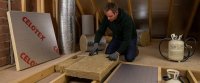
What are accumulation tanks and why are they worth using?
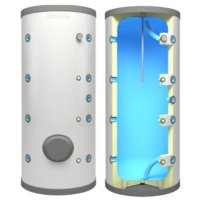
Ofislərdə düzgün soyutma sistemi məhsuldarlığa necə təsir edir?

HVAC sistemlərinin ağıllı ev sistemləri ilə inteqrasiyası
Breathing made easy: the undeniable benefits of a home ventilation system.
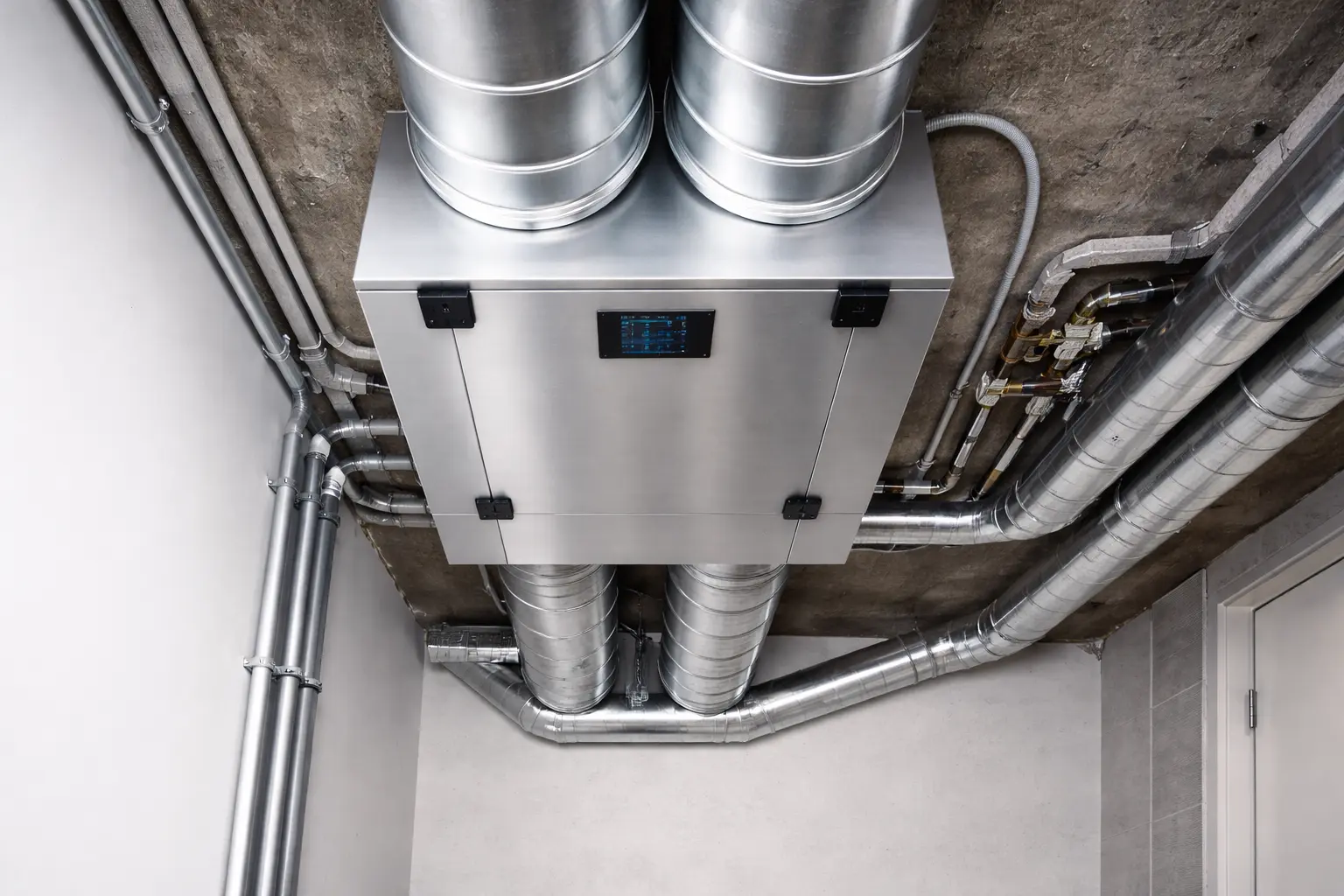
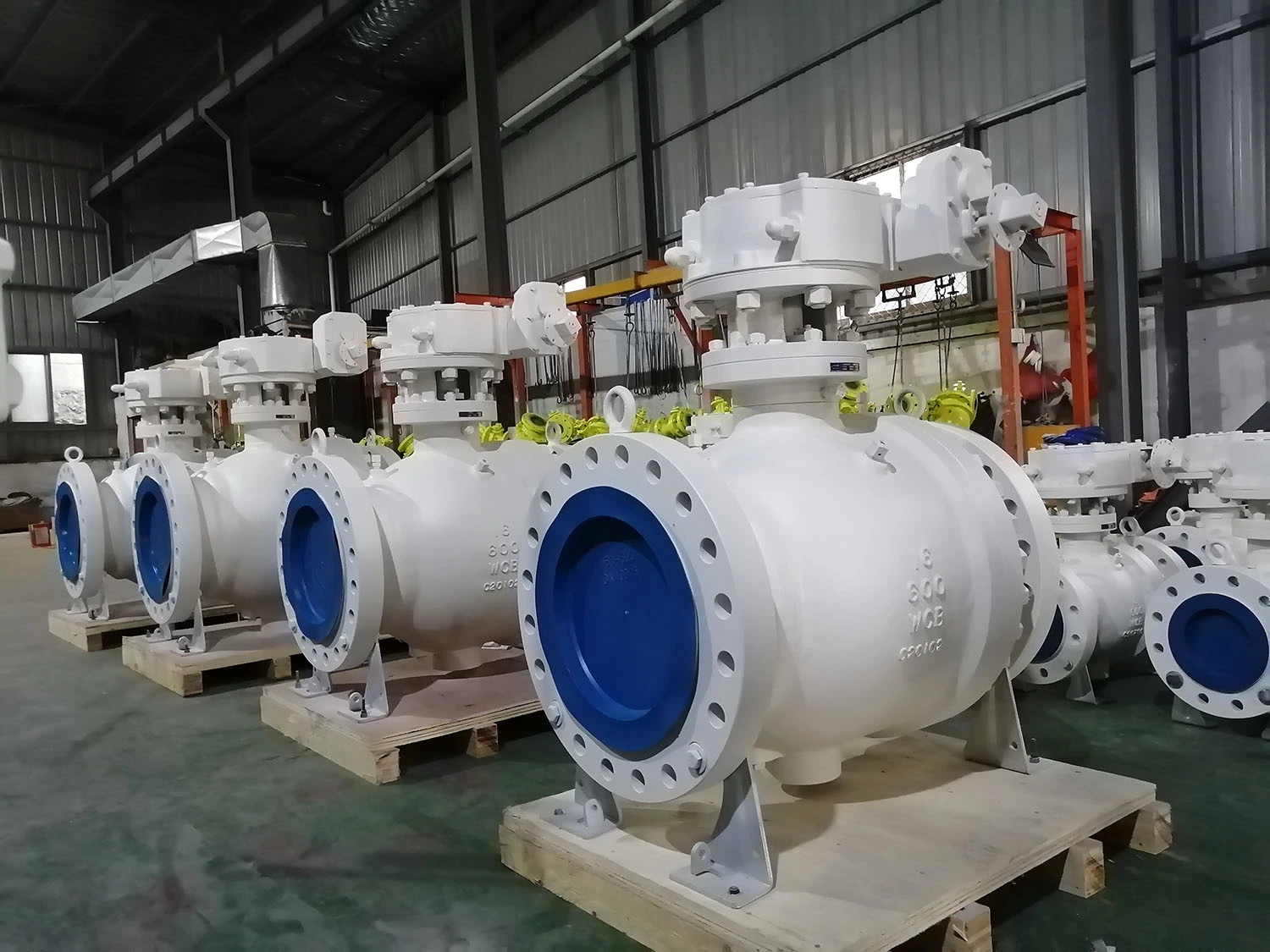
What are ball valves and how do they work?
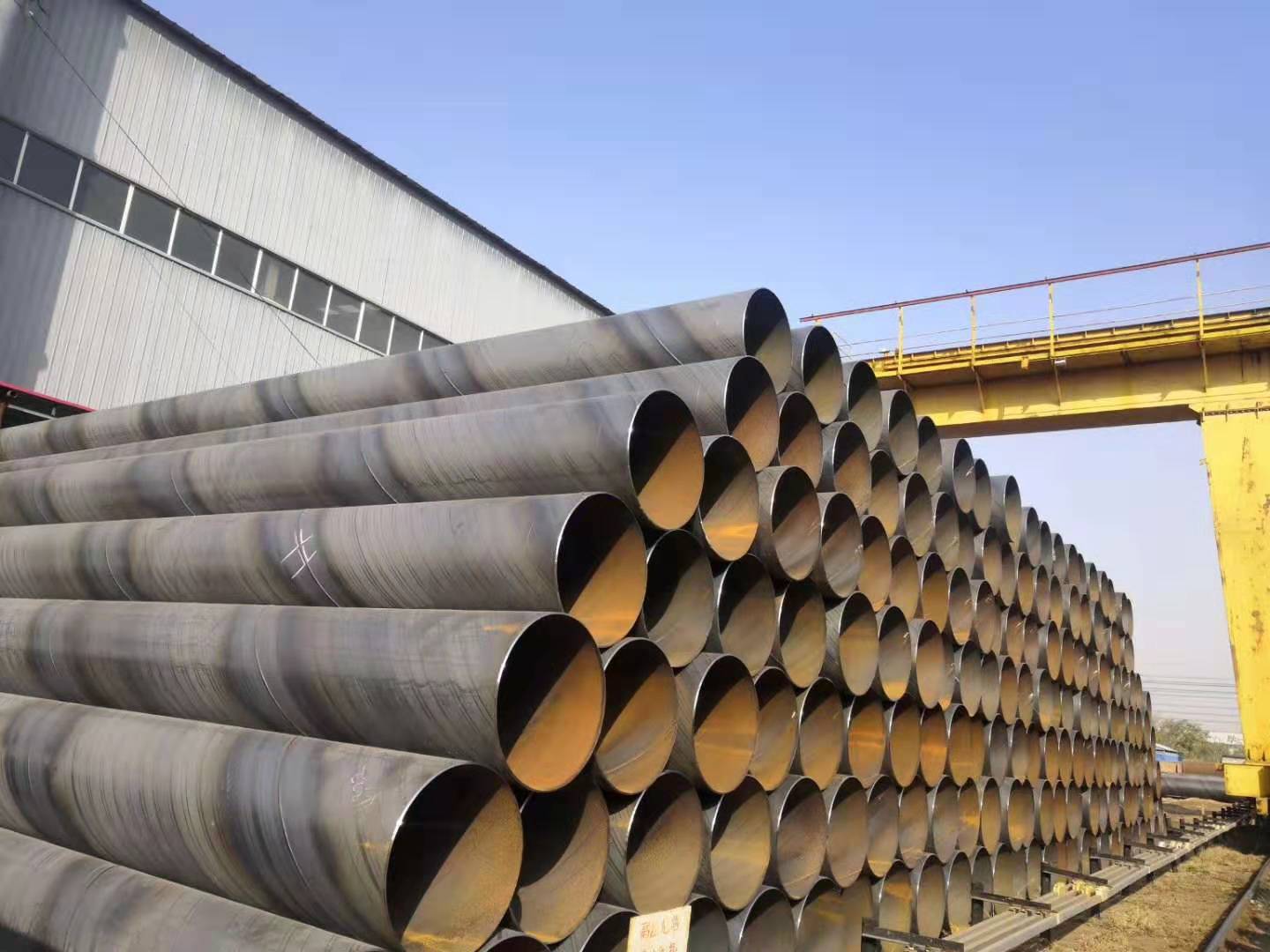
Comparison of threaded pipe and welded pipe: which is better for your project?
The role of ventilation in ensuring fire safety and smoke control.
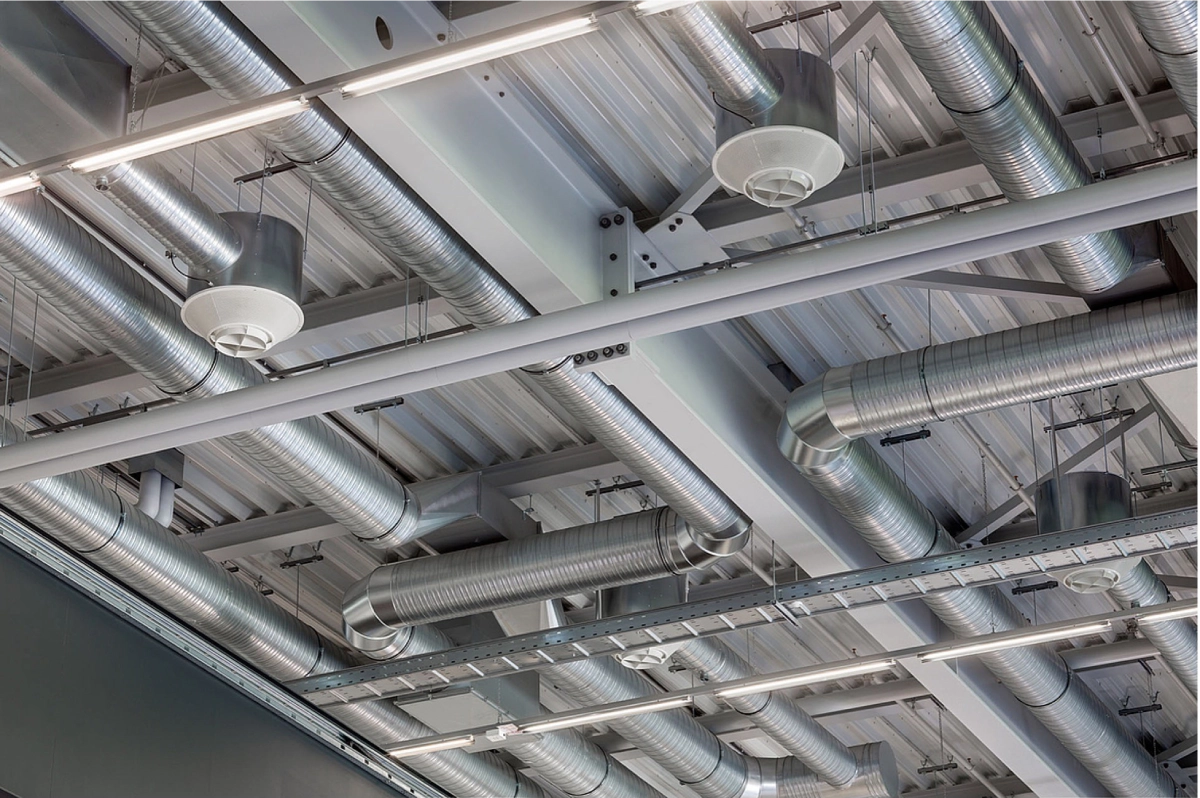
How good air circulation improves your shopping experience?
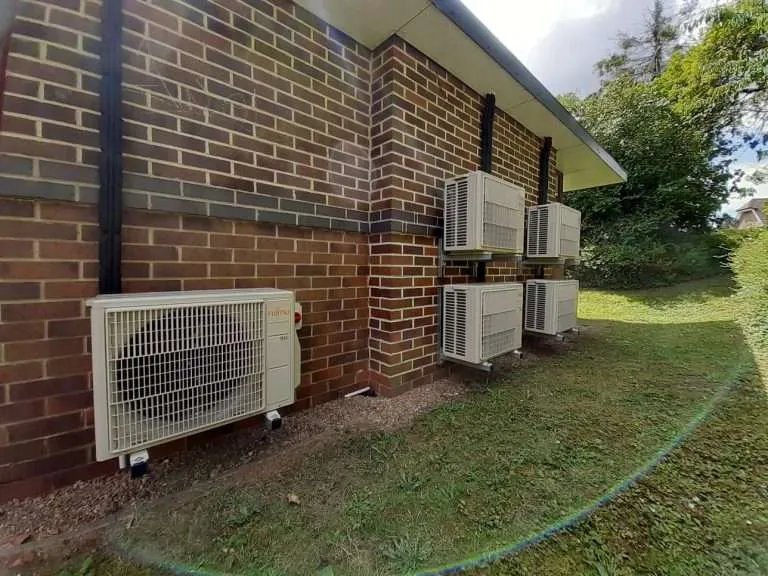
Duct fans: comprehensive applications and points to consider
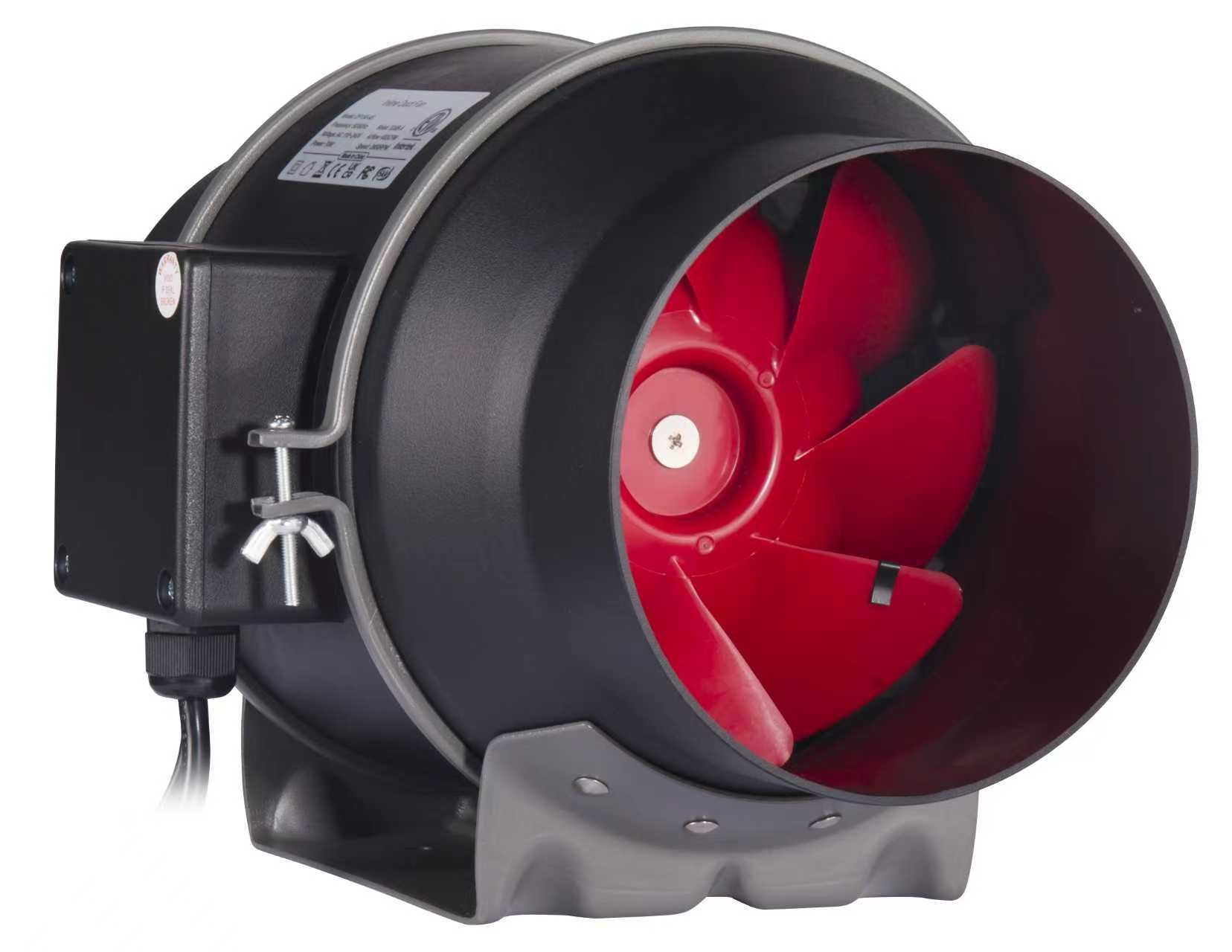
Ventilation in hospitals and healthcare facilities

Boiler or stove: how to decide?
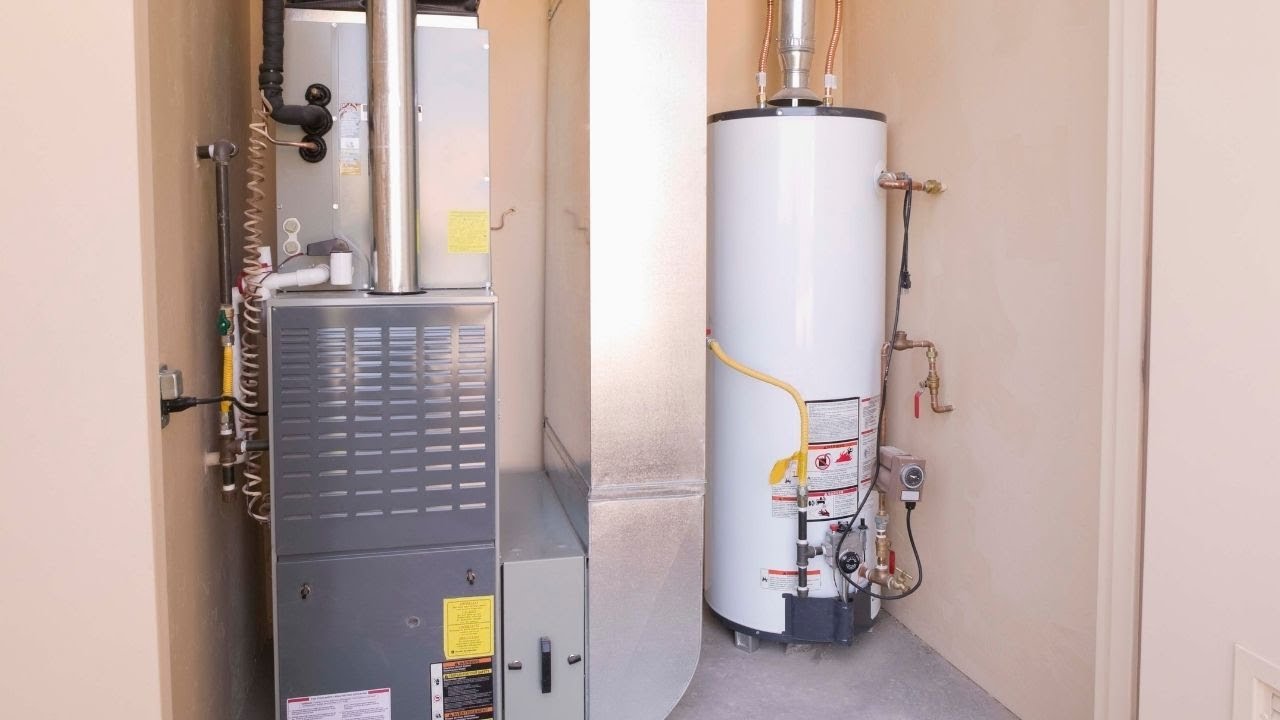
What type of heating is best for an old house?
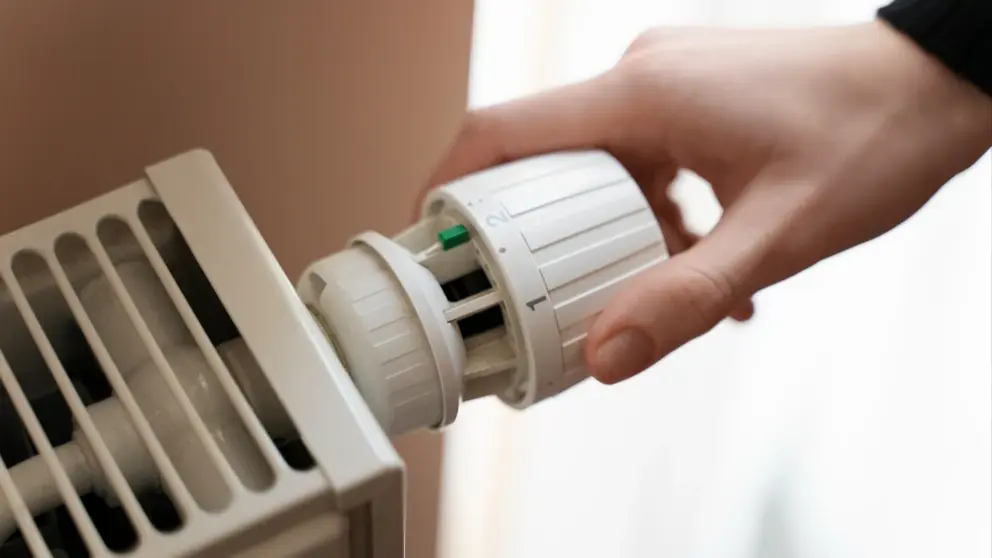
How to calculate the required boiler capacity?

Boiler pressure keeps dropping — what is the reason?
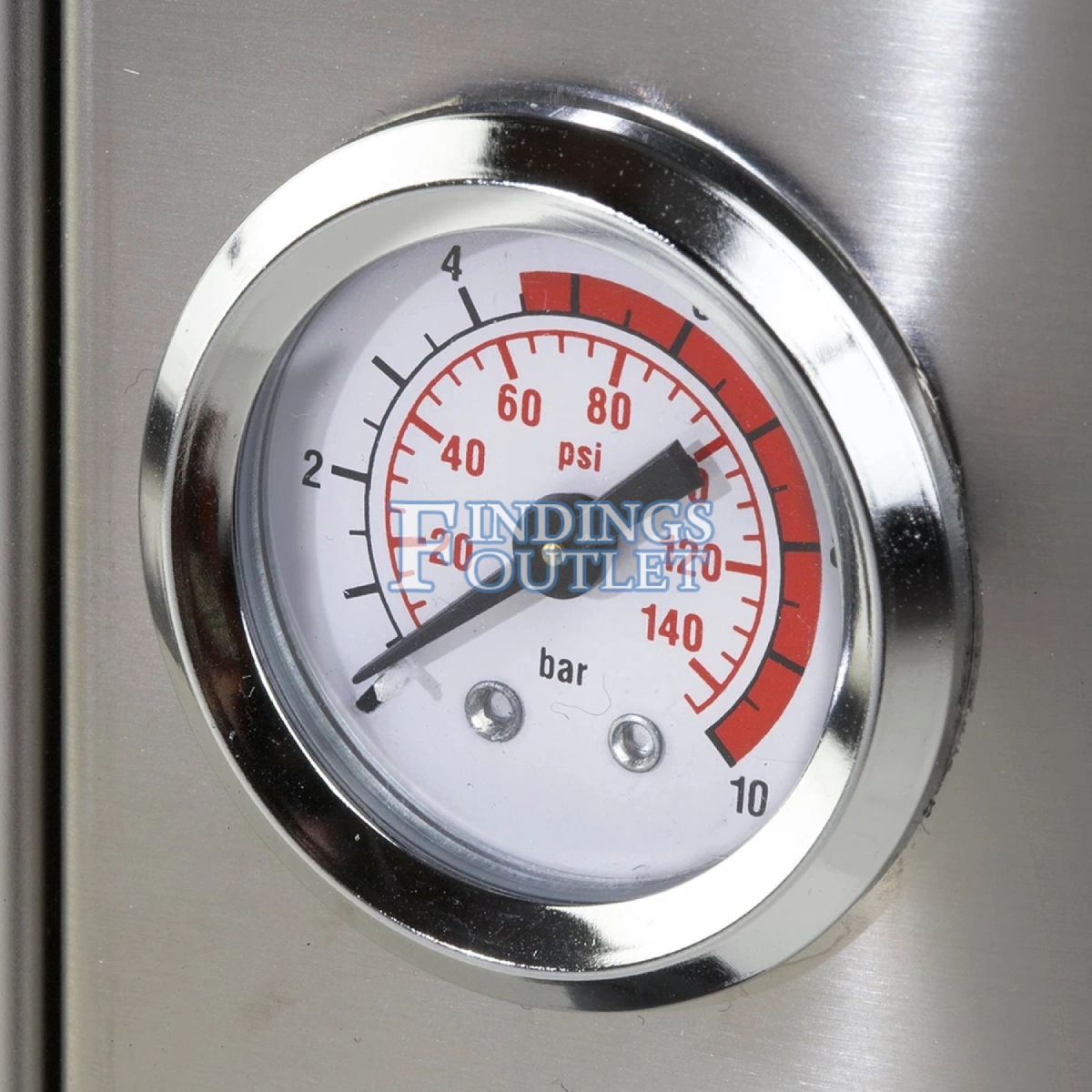
Why Does My Boiler Keep Turning Off?
Boiler Size; This Really Matters
Choosing the Right Boiler Size for Your Home

Should I Keep The Boiler Running Continuously?
Noisy Boiler: Possible Causes And Solutions
The Importance of the Expansion Tank