


Duct fans: comprehensive applications and points to consider
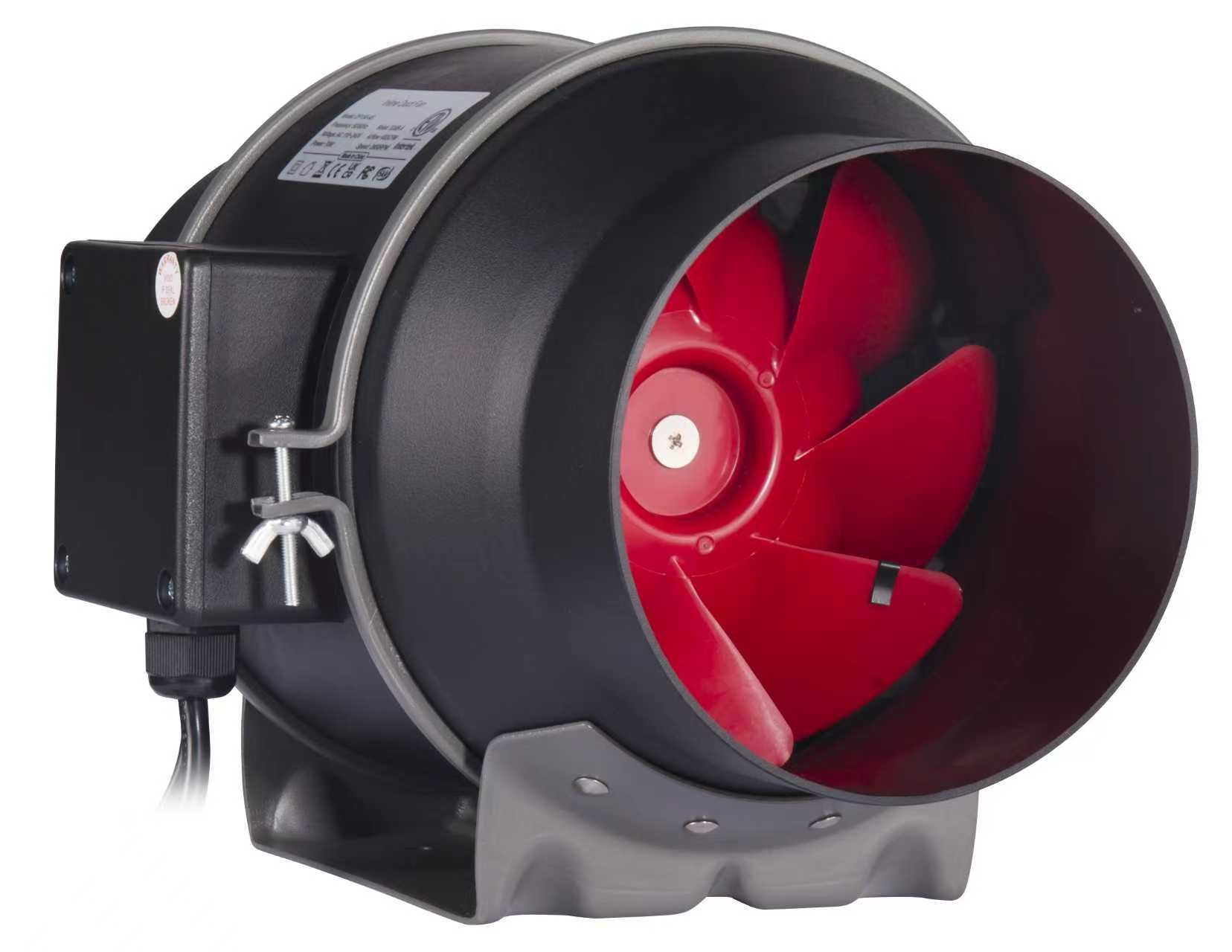
What are duct fans and how do they work?
Duct fans, also known as inline duct fans, are an important part of ventilation and cooling systems. These fans are designed to improve air movement inside air ducts, maintain proper temperature, and ensure air quality in homes and industrial facilities. Duct fans are different from regular fans because they are installed inside the duct system and use air pressure to push or pull air through the ducts.
The working principle of duct fans is quite simple: the rapidly rotating motor of the fan draws air in and pushes it into the ducts. This ensures efficient air movement, which is important for maintaining proper temperature and humidity in different areas.
Main industries and applications suitable for duct fans
Duct fans are used in many different industries and fields. They are versatile and work effectively in places where air movement, cooling, and removal of harmful air are required. Some areas where duct fans are useful include:
Industrial cooling systems: Duct fans are an essential part of industrial cooling systems. Factories, chemical plants, and data centers generate a lot of heat. If air does not circulate properly, heat can damage equipment and reduce efficiency. Duct fans cool machinery by moving air and preventing overheating, which is important for proper operation and long service life.
Ventilation in commercial buildings: In office buildings, shops, and restaurants, duct fans help keep the air clean and comfortable. By continuously moving air, fans prevent air stagnation, regulate humidity, and reduce the risk of mold formation. They are important for creating a healthy environment for employees, customers, and visitors.
Greenhouses and agricultural facilities: In agriculture, especially in greenhouses, duct fans provide air circulation that is essential for plant growth. By ensuring air movement and maintaining proper temperature and humidity, they help plants develop better. Air circulation is very important in greenhouses to prevent plant diseases and support photosynthesis.
HVAC systems in residential and commercial buildings: Duct fans are part of HVAC systems in homes and commercial buildings. They distribute cooled or heated air throughout the building, ensuring all areas receive the required level of heating or cooling. They are especially useful in places without natural air circulation and improve comfort.
Advantages and disadvantages of duct fans
Although duct fans have many advantages, they also have some limitations. It is important to understand these drawbacks when choosing the right fan.
Advantages of duct fans:
They circulate air efficiently and create a comfortable environment.
They are energy efficient, which reduces costs and is environmentally friendly.
They are versatile and can be used in everything from small residential systems to large industrial systems.
They save space because they are installed inside the duct system and do not take up extra room.
Disadvantages of duct fans:
They can be noisy in industrial environments.
They require regular cleaning and maintenance, otherwise their efficiency decreases.
They can be expensive to purchase and install in large industrial systems.
Comparison with other types of fans
When choosing a ventilation system, it is important to compare duct fans with other types such as centrifugal fans and axial fans.
Centrifugal fans are used when high-pressure airflow is required. They are suitable for ducted or high-resistance systems and are widely used in complex air systems.
Axial fans, on the other hand, move air directly within a space without ducts. They are used in open areas or for short-distance airflow and are not as effective as duct fans when precise air distribution is required.
Factors affecting the choice of duct fans for use
When selecting a duct fan for a specific application, several factors must be considered:
Air demand: The required air volume determines the type and size of the fan. Large industrial areas require powerful airflow, while small residential systems need less power.
Energy efficiency: Energy-saving fans reduce costs and protect the environment.
Noise: In places such as offices and homes, noise is an important factor. Quiet-operating fans create a more comfortable environment.
Maintenance and durability: It is important for the fan to be long-lasting and durable. Models that are easy to clean and maintain reduce repair costs and downtime.
Efficiency and energy consumption
The energy consumption of duct fans is an important factor. Their efficiency directly affects total energy use. High-efficiency fans reduce energy costs by moving air effectively. Features such as variable-speed motors can further optimize energy usage.
Duct fans play a very important role in air movement and are widely used in various industries and fields, including homes and factories. They are a key part of ventilation and cooling systems, moving air through ducts to regulate temperature and improve air quality. Duct fans are very beneficial and offer advantages such as air circulation, energy efficiency, flexibility, and space saving. They are widely used in industrial cooling systems, commercial building ventilation, greenhouses and agricultural facilities, as well as residential and commercial HVAC systems.
Other Manufacturing Sectors
How to Reduce Energy Losses in Local Exhaust Ventilation Systems
How to Choose the Right Material for HVAC Pipes
Enhancing workplace efficiency: The strategic importance of selecting quality flexible air ducts
What is a boiler room system and how do you choose the right equipment for your project?
Measurement Equipment and Safety Valves: Safety and Control in Heating Systems
The Role and Importance of Expansion Tanks in Heating Systems
6 signs your building needs better ventilation

How to choose the right ductwork?
Types of Bolts: Components, Sizes, and Applications
Threaded Rod: Types, Applications, and Selection Guide
The importance of material selection in mechanical engineering: Ensuring optimal performance and longevity

Insulated vs Non-Insulated flexible ducting | Buyer's guide
10 Key Factors to Consider When Choosing a Good Industrial Steam Boiler
10 Smart Ways to Improve Home Energy Efficiency Without Replacing Your Boiler
The importance of proper mechanical process installations

What are VRF systems and which buildings are they suitable for?
Advantages of insulated air ducts and why they are important
Energy-efficient heating systems: Which solutions are the most effective?
What are MEP systems and why are they important in construction projects?
The role of ventilation systems in creating a healthy and comfortable environment

Thermal Insulation: What Is It and How Is It Used?

What are accumulation tanks and why are they worth using?
Ofislərdə düzgün soyutma sistemi məhsuldarlığa necə təsir edir?

HVAC sistemlərinin ağıllı ev sistemləri ilə inteqrasiyası
Breathing made easy: the undeniable benefits of a home ventilation system.
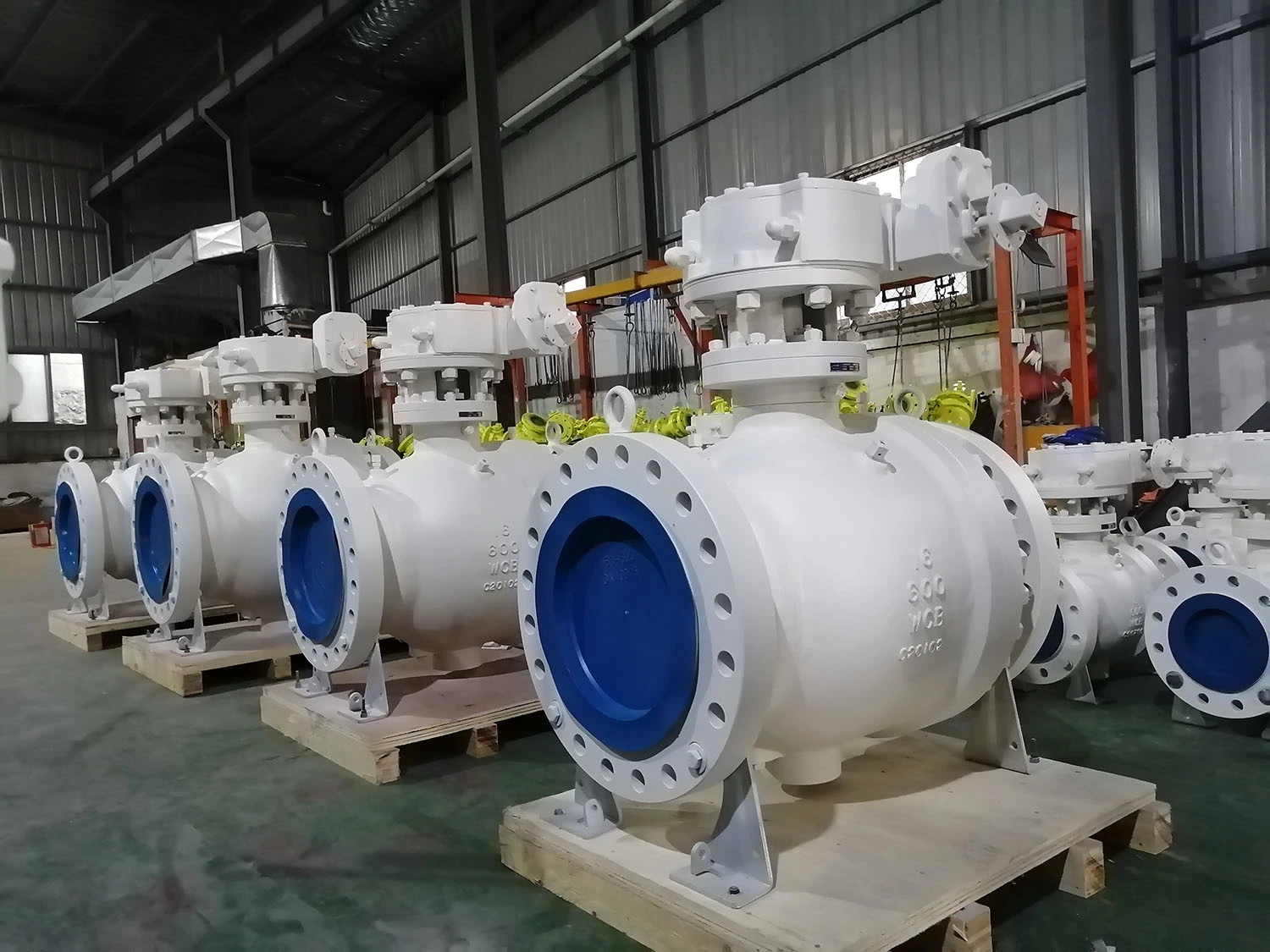
What are ball valves and how do they work?
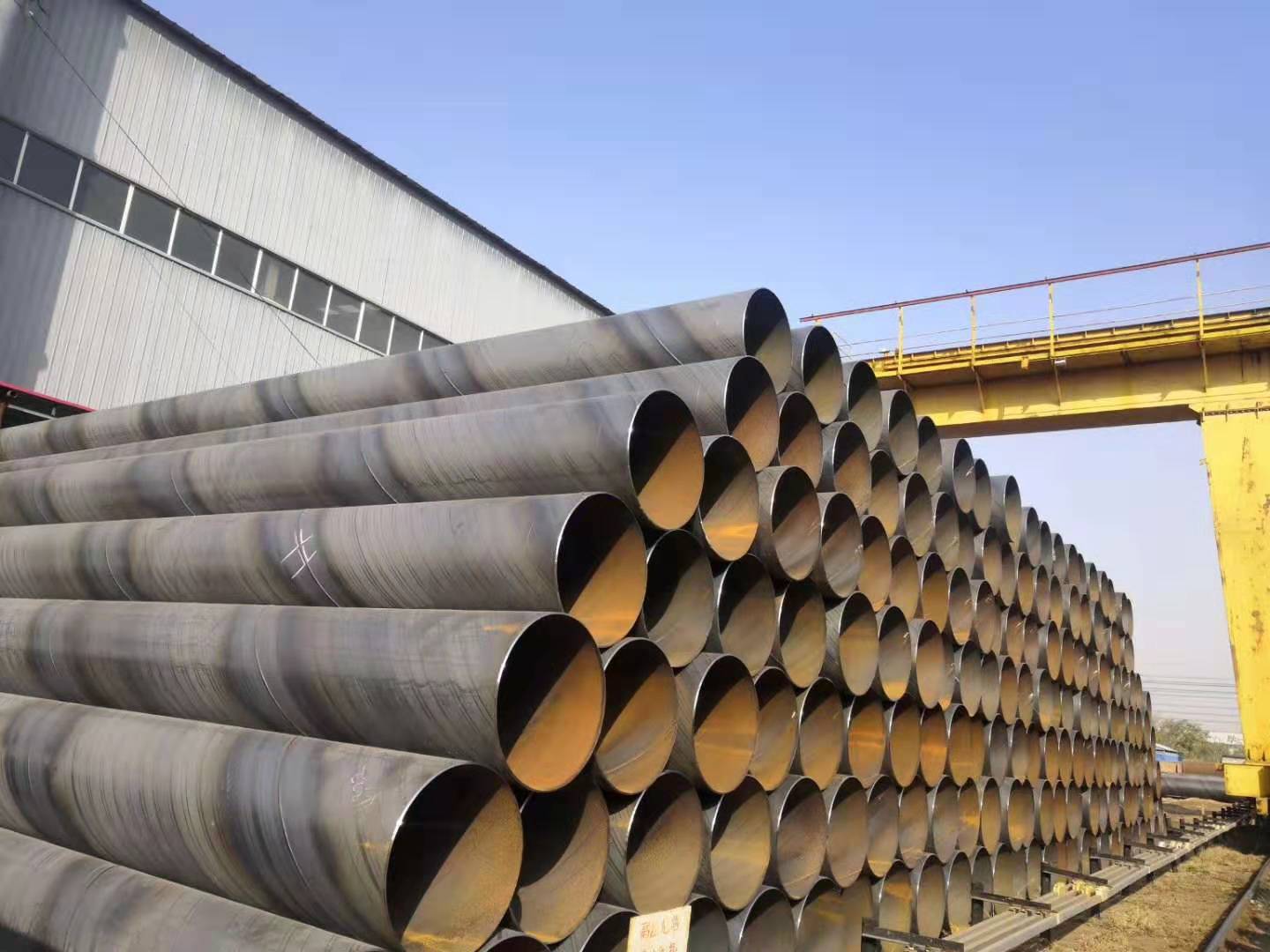
Comparison of threaded pipe and welded pipe: which is better for your project?
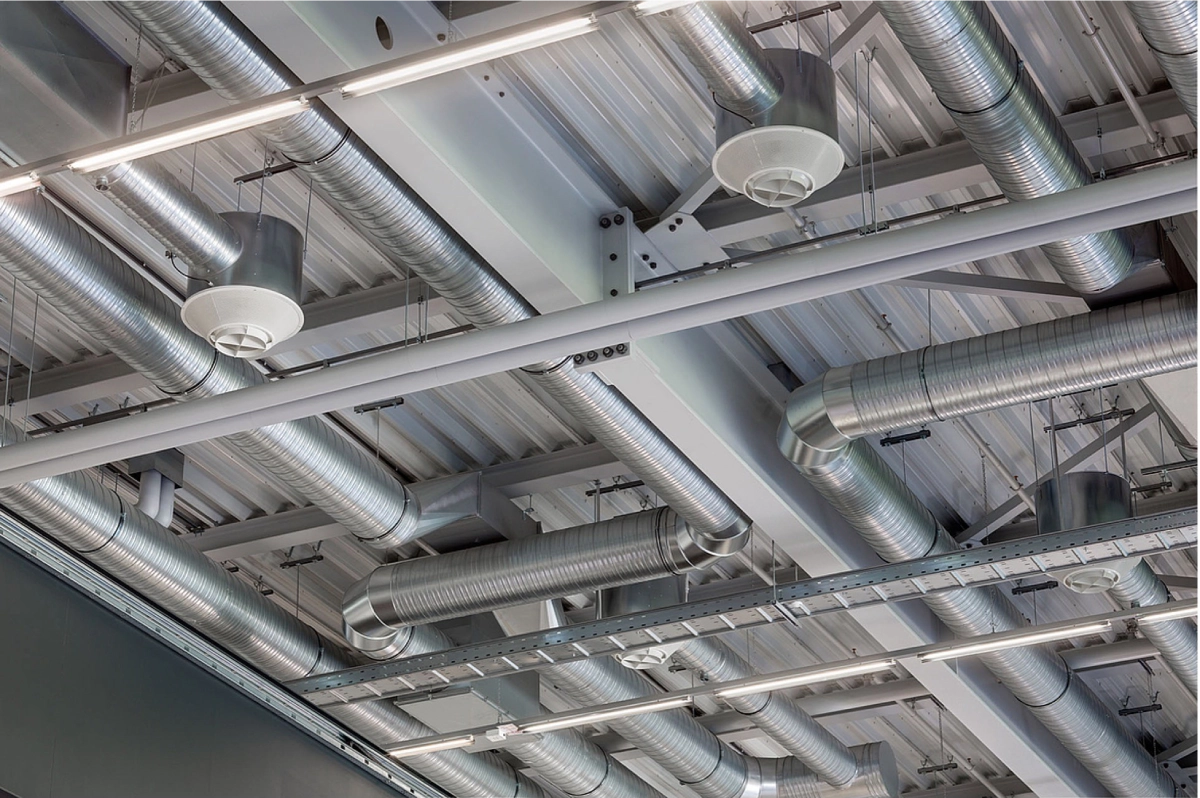
The role of ventilation in ensuring fire safety and smoke control.
How good air circulation improves your shopping experience?
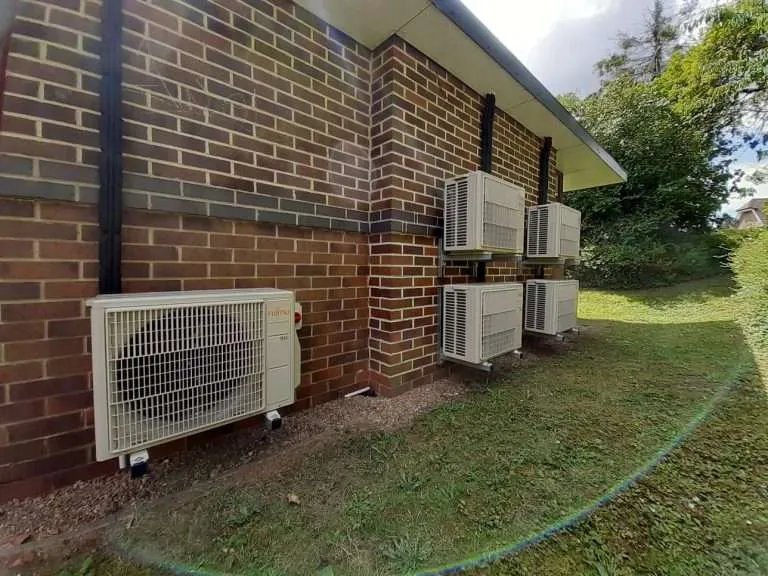
Duct fans: comprehensive applications and points to consider