


How to Keep Your Pipes Warm in Winter: Tips to Prevent Freezing
Navigating the world of saw blades can be challenging, especially if you are preparing for your next big project.
With so many options available, choosing the right one is essential to ensure safety, efficiency, and a perfect result. In this guide, we will analyze the key points to help you make an informed choice.
Understanding Saw Blade Types
Saw blades come in various types, each designed for specific tasks. From crosscut and rip blades to specialized options like dado sets, every type serves a unique purpose. Understanding these differences is the first step toward making an informed decision.
Crosscut blades are specifically designed for cutting across the grain of wood, making them ideal for precise work where a clean edge is desired. On the other hand, rip blades are intended for cutting along the grain, featuring fewer teeth and deeper gullets to handle larger volumes of material. For those involved in cabinetry or intricate woodworking, a dado set can be invaluable due to its ability to create wide, flat-bottomed cuts quickly and efficiently. The importance of selecting the right blade becomes clear when you understand how each one can truly transform the outcome of your project, affecting everything from visual appeal to structural integrity.
Consider Your Project Materials
The material you are working with will significantly influence your blade choice. Whether it is wood, softwood, metal, or composite materials, selecting a blade suited to your material will ensure smoother cuts and extend the blade’s lifespan.
Choosing a saw blade based on the project material is more important than it may first appear. Each material interacts differently with cutting blades — for example, hardwoods are dense and require blades with fewer teeth to minimize burning and ensure smooth cuts. In contrast, softwoods can tolerate more teeth per blade, resulting in a cleaner finish.
Key Features to Look For
When choosing a saw blade, pay attention to features such as tooth count, gullet size, and hook angle. These characteristics affect the speed, smoothness, and quality of the cut, and each is suited to specific project needs.
The number of teeth on a saw blade is one of the most important factors affecting cut quality. Blades with more teeth generally produce smoother cuts and are ideal for finishing and detailed cutting work, while blades with fewer teeth are better suited for faster and rougher cuts. Gullet size refers to the space between the teeth, which determines how efficiently the blade clears debris. Larger gullets mean faster material removal, making them suitable for rip cuts. In addition, the hook angle — positive, neutral, or negative — affects how aggressively the blade cuts through the material. A positive hook angle provides faster cutting but may increase the risk of kickback, while a negative or neutral angle offers safer and more controlled cutting.
Matching the Blade to the Saw
Ensure compatibility with your saw type, as different saws require specific blade designs. From table saws and miter saws to circular saws, matching the blade correctly to the tool is essential for optimal performance.
The relationship between the saw and the blade cannot be overstated — it can make or break the success of your project. Table saws typically use larger diameter blades, providing depth and precision for oversized timber and boards. Miter saws, although capable of handling similar materials, require blades that manage crosscutting actions and pay special attention to size and speed. Circular saws introduce another layer of compatibility and often require thinner kerf blades to reduce drag and improve efficiency. Before making a purchase, it is important to review your tool’s specifications to match the saw’s capabilities with the blade’s design for optimal results.
Safety Tips for Using Saw Blades
Safety is essential when using saw blades. Always follow safety guidelines, use appropriate protective equipment, and regularly inspect your blades for wear and tear to prevent accidents and ensure accurate cuts.
A proactive approach to safety significantly reduces the risks associated with saw blade operations. Start with proper equipment: eye protection is non-negotiable considering the risk of flying debris, while gloves can protect against minor scrapes and slips. Before operating your tool, ensure your workspace is clean and free from obstructions. Regularly inspect and maintain your blades for signs of damage or dullness to prevent accidental injuries caused by project setbacks and loss of control. Remember that cutting at a steady pace instead of forcing the blade will not only produce better results but also improve safety, ensuring every project is completed without unnecessary risk.
Making the Right Choice for Every Cut
Choosing the right saw blade should not be difficult. By understanding your project requirements, considering the material and blade type, and following safety guidelines, you can ensure a successful and smooth woodworking experience. Equip yourself with the right knowledge and make your projects stand out with precision and quality.
Other Manufacturing Sectors
Why your air conditioner Is running but not cooling the room

Why does condensation form on windows and how can you prevent it?

How to Reduce Energy Losses in Local Exhaust Ventilation Systems
How to Choose the Right Material for HVAC Pipes
Enhancing workplace efficiency: The strategic importance of selecting quality flexible air ducts
What is a boiler room system and how do you choose the right equipment for your project?

Measurement Equipment and Safety Valves: Safety and Control in Heating Systems

The Role and Importance of Expansion Tanks in Heating Systems

6 signs your building needs better ventilation

How to choose the right ductwork?
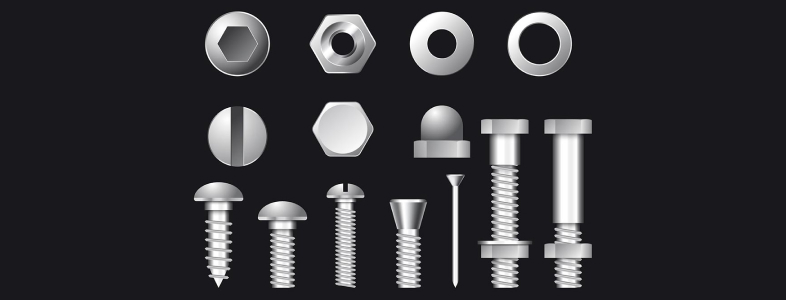
Types of Bolts: Components, Sizes, and Applications
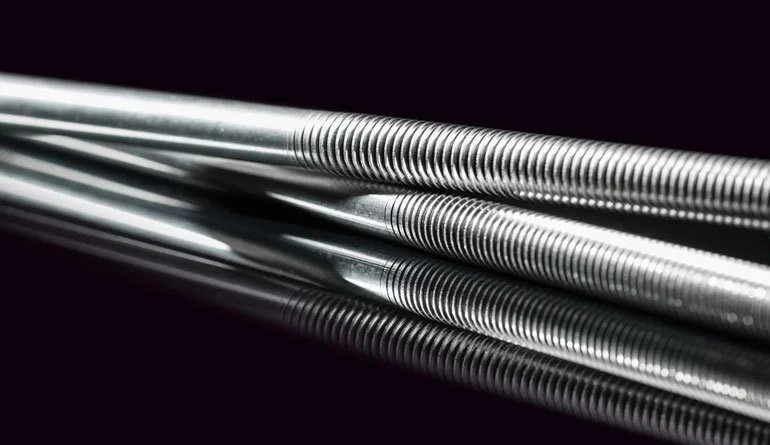
Threaded Rod: Types, Applications, and Selection Guide
The importance of material selection in mechanical engineering: Ensuring optimal performance and longevity

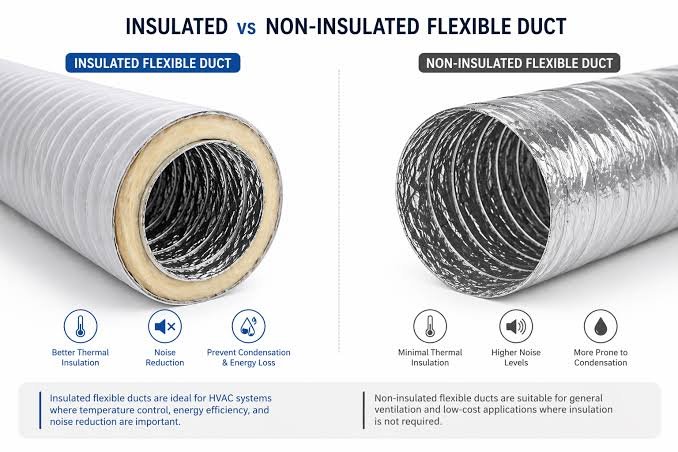
Insulated vs Non-Insulated flexible ducting | Buyer's guide
10 Key Factors to Consider When Choosing a Good Industrial Steam Boiler

10 Smart Ways to Improve Home Energy Efficiency Without Replacing Your Boiler

The importance of proper mechanical process installations

What are VRF systems and which buildings are they suitable for?

Advantages of insulated air ducts and why they are important

Energy-efficient heating systems: Which solutions are the most effective?
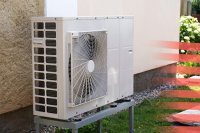
What are MEP systems and why are they important in construction projects?

The role of ventilation systems in creating a healthy and comfortable environment

Thermal Insulation: What Is It and How Is It Used?

What are accumulation tanks and why are they worth using?
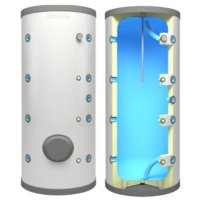
Ofislərdə düzgün soyutma sistemi məhsuldarlığa necə təsir edir?

HVAC sistemlərinin ağıllı ev sistemləri ilə inteqrasiyası

Breathing made easy: the undeniable benefits of a home ventilation system.
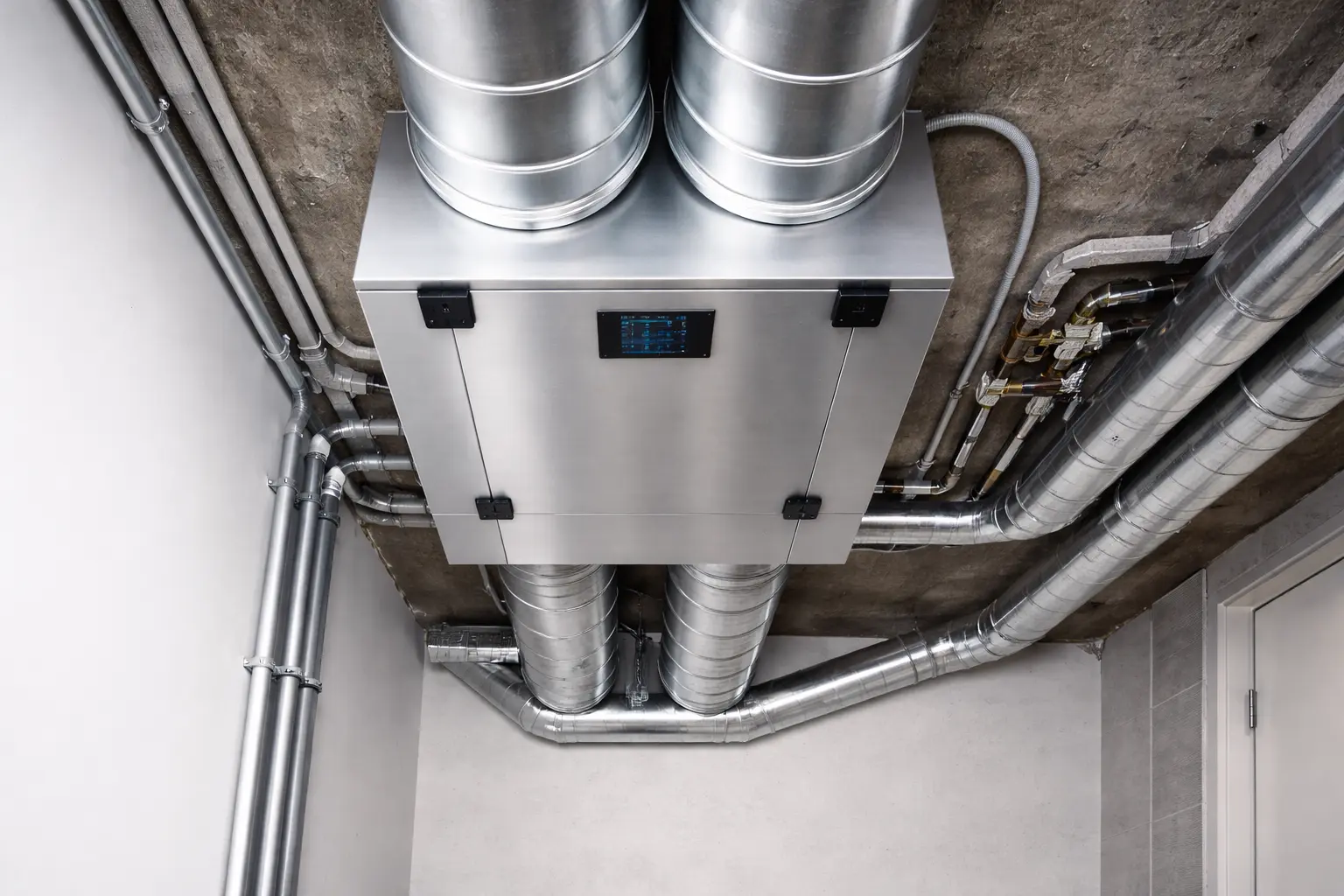
What are ball valves and how do they work?

Comparison of threaded pipe and welded pipe: which is better for your project?
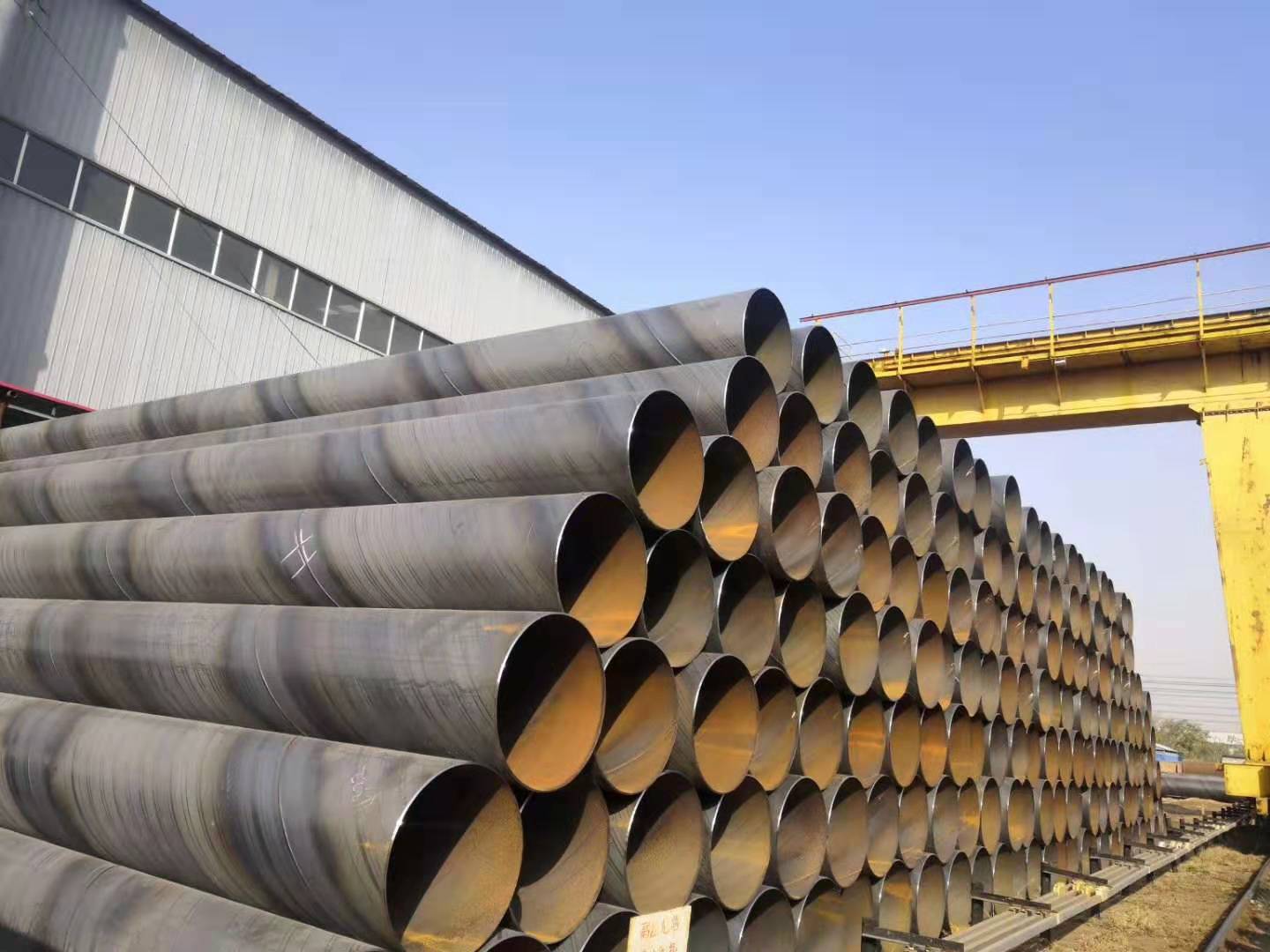
The role of ventilation in ensuring fire safety and smoke control.

How good air circulation improves your shopping experience?
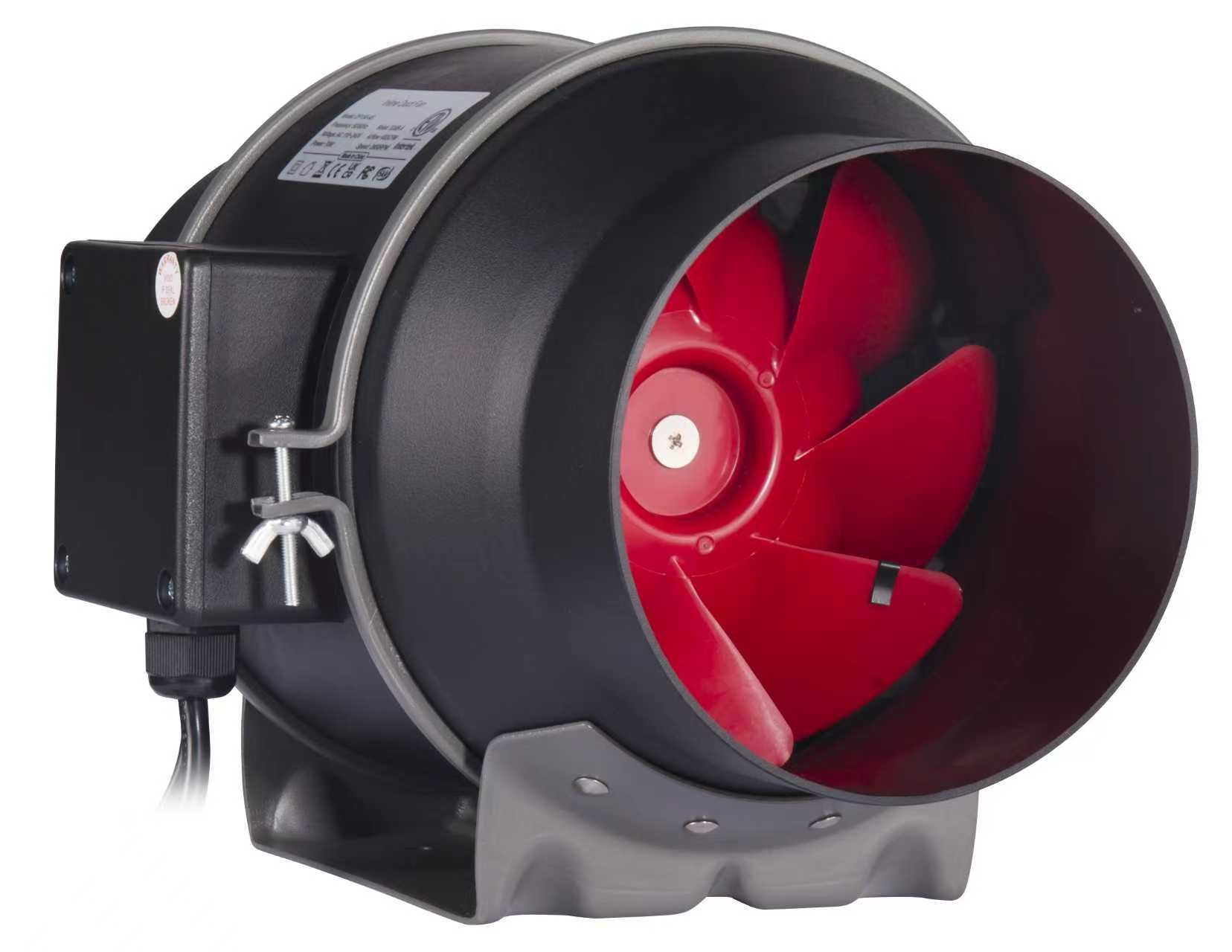
Duct fans: comprehensive applications and points to consider
Ventilation in hospitals and healthcare facilities

Boiler or stove: how to decide?
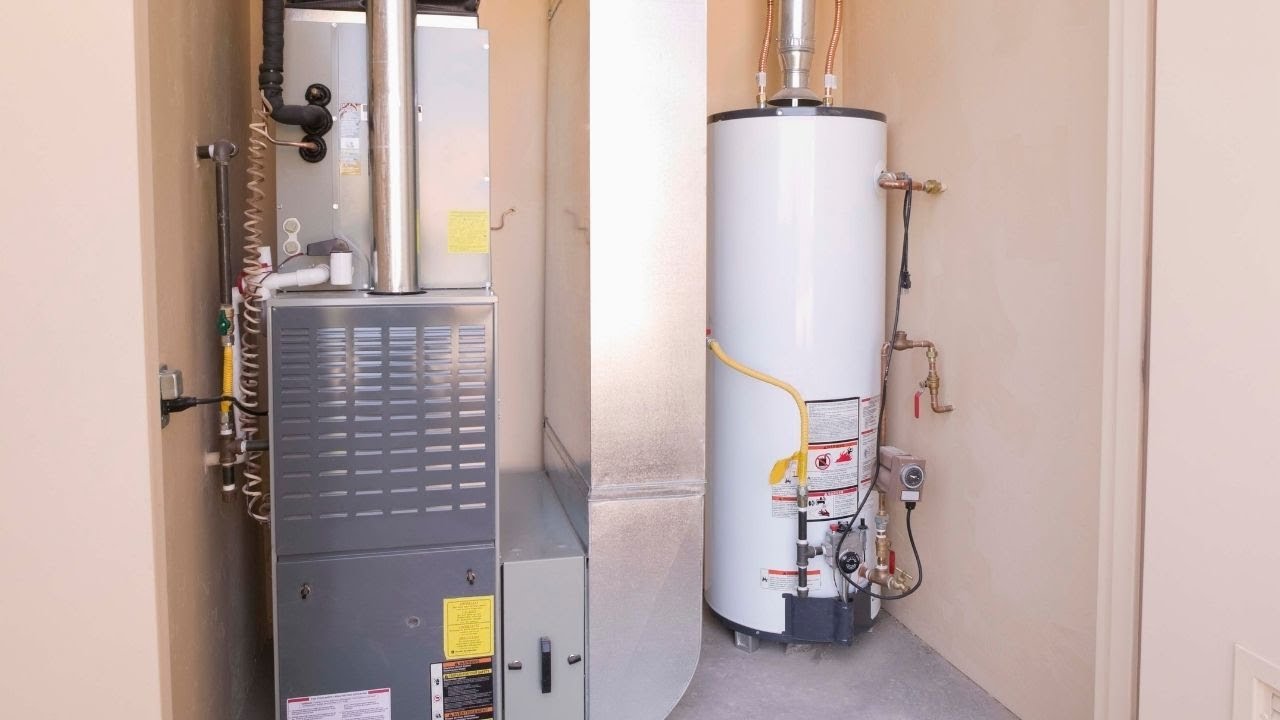
What type of heating is best for an old house?

How to calculate the required boiler capacity?

Boiler pressure keeps dropping — what is the reason?
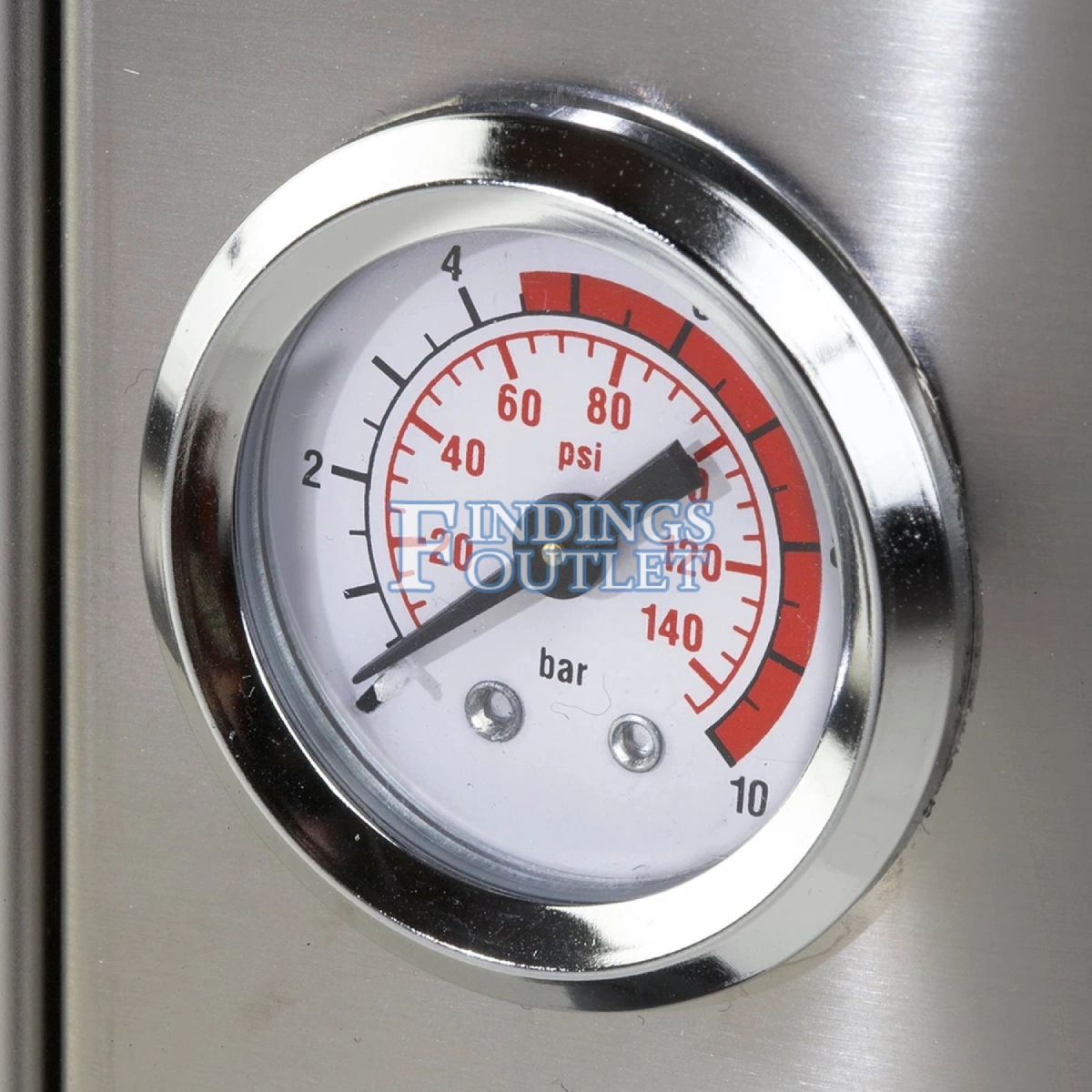
Why Does My Boiler Keep Turning Off?

Boiler Size; This Really Matters

Choosing the Right Boiler Size for Your Home

Should I Keep The Boiler Running Continuously?
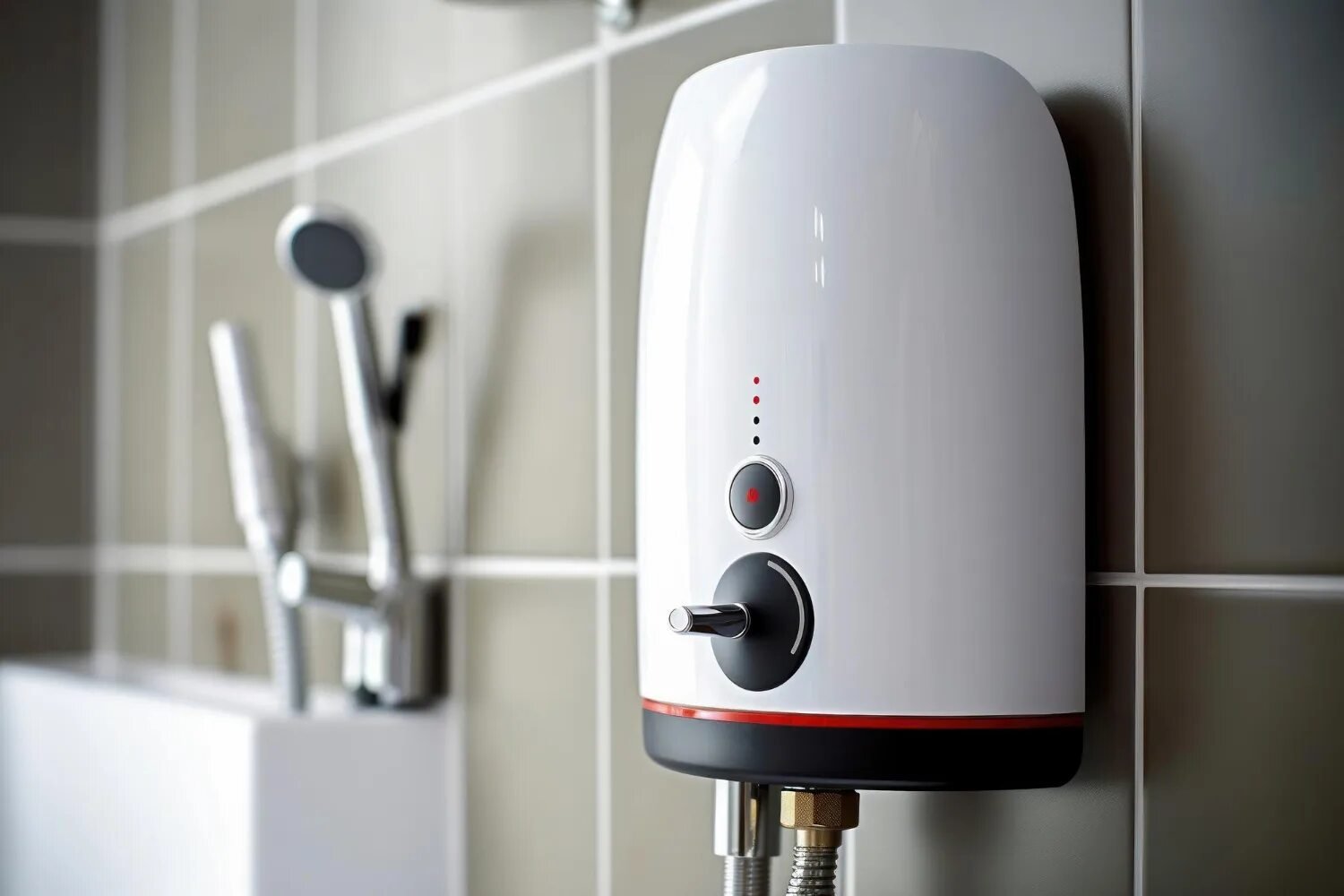
Noisy Boiler: Possible Causes And Solutions
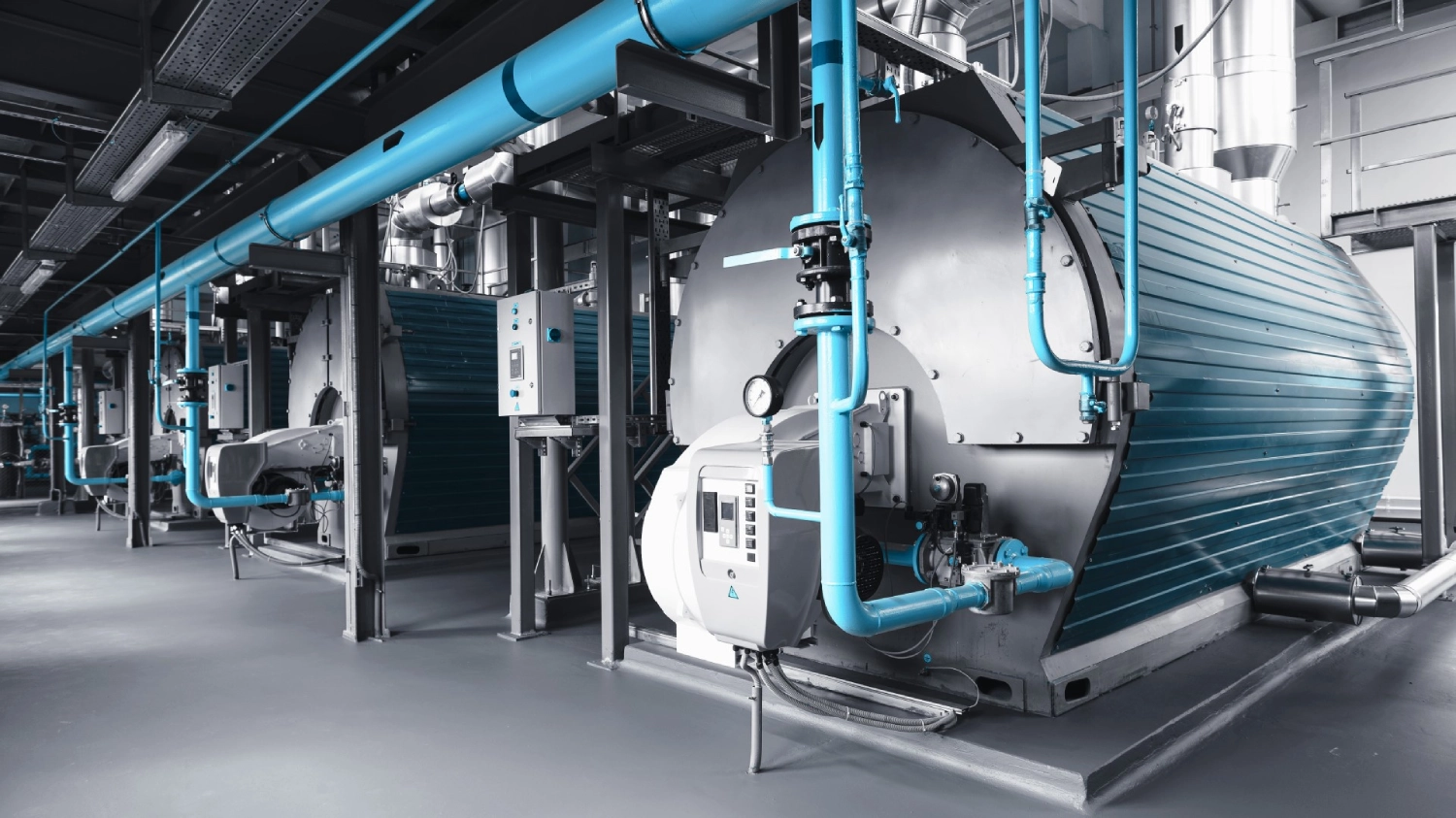
The Importance of the Expansion Tank

How to Keep Your Pipes Warm in Winter: Tips to Prevent Freezing
Types of Electric Heaters

Can you dry clothes on bathroom towel radiators?
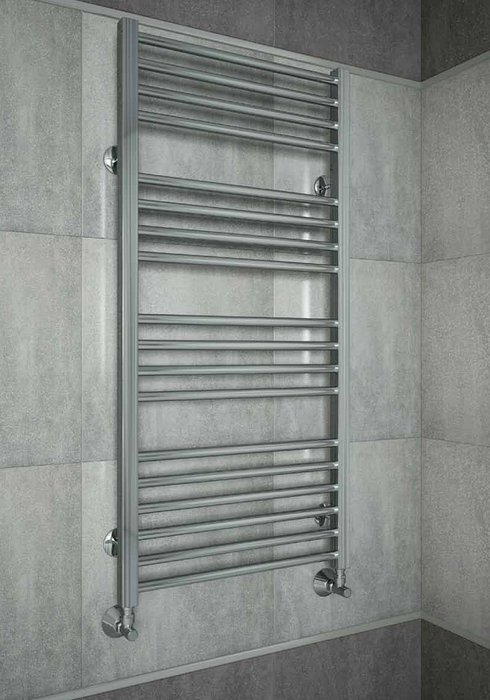
Common Insulation Problems
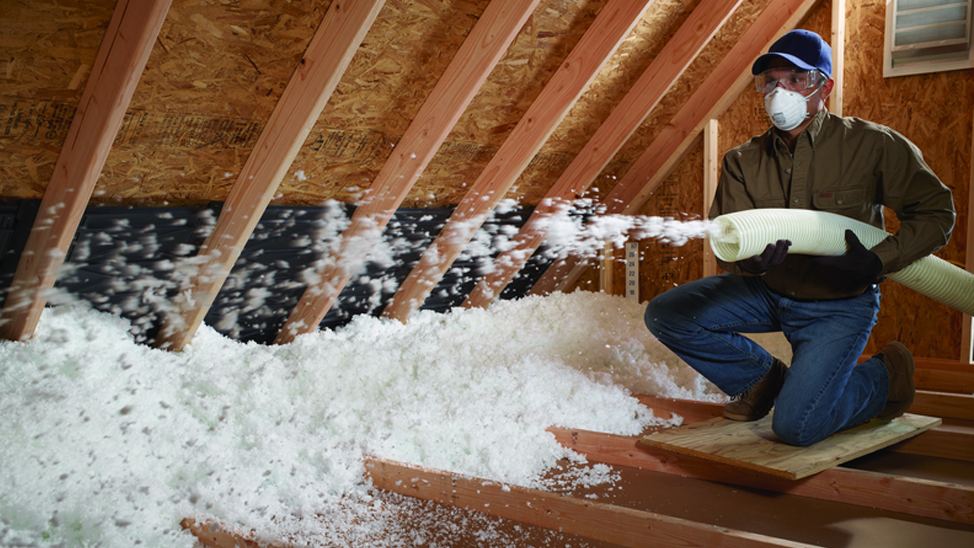
The Importance of Proper Insulation in Home Heating
Combi Boiler vs System Boiler: Which Is Best for Your Home?
How to Prepare Your Home for HVAC Installation: 9 Essential Tips

HVAC for New Construction: What You Need to Know

How to choose the best boilers for schools in 2026?
How to clean a gas boiler?

What is mechanical ventilation?
How to improve air quality during allergy season

The truth behind common myths about air purifiers

Choosing Clamps for Professionals: Structure, Types and Applications

The Role and Importance of Measurement Equipment in Industry
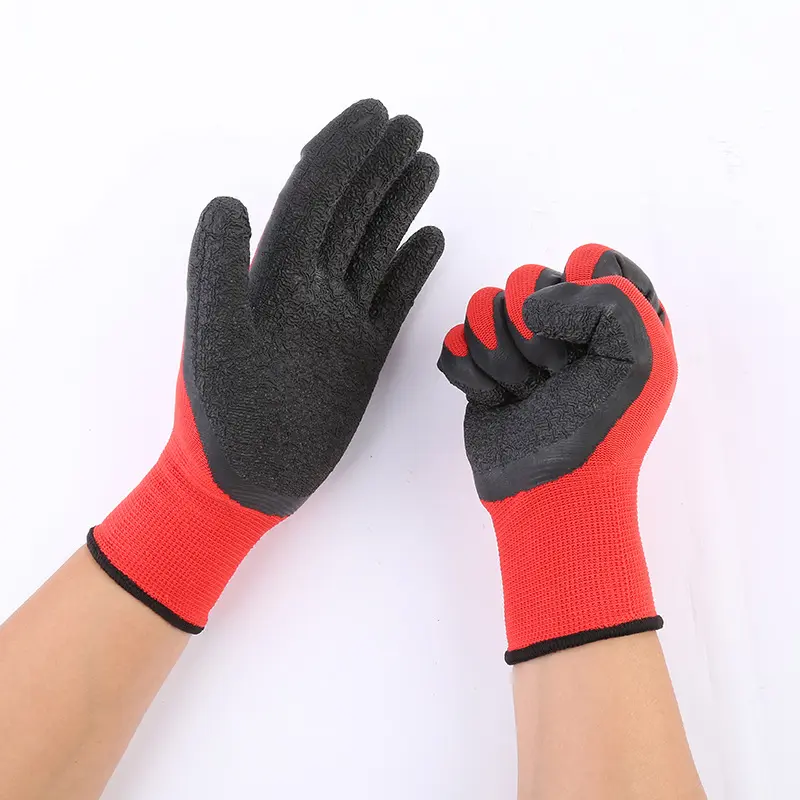
Safety Gloves: A Small Tool, Big Protection
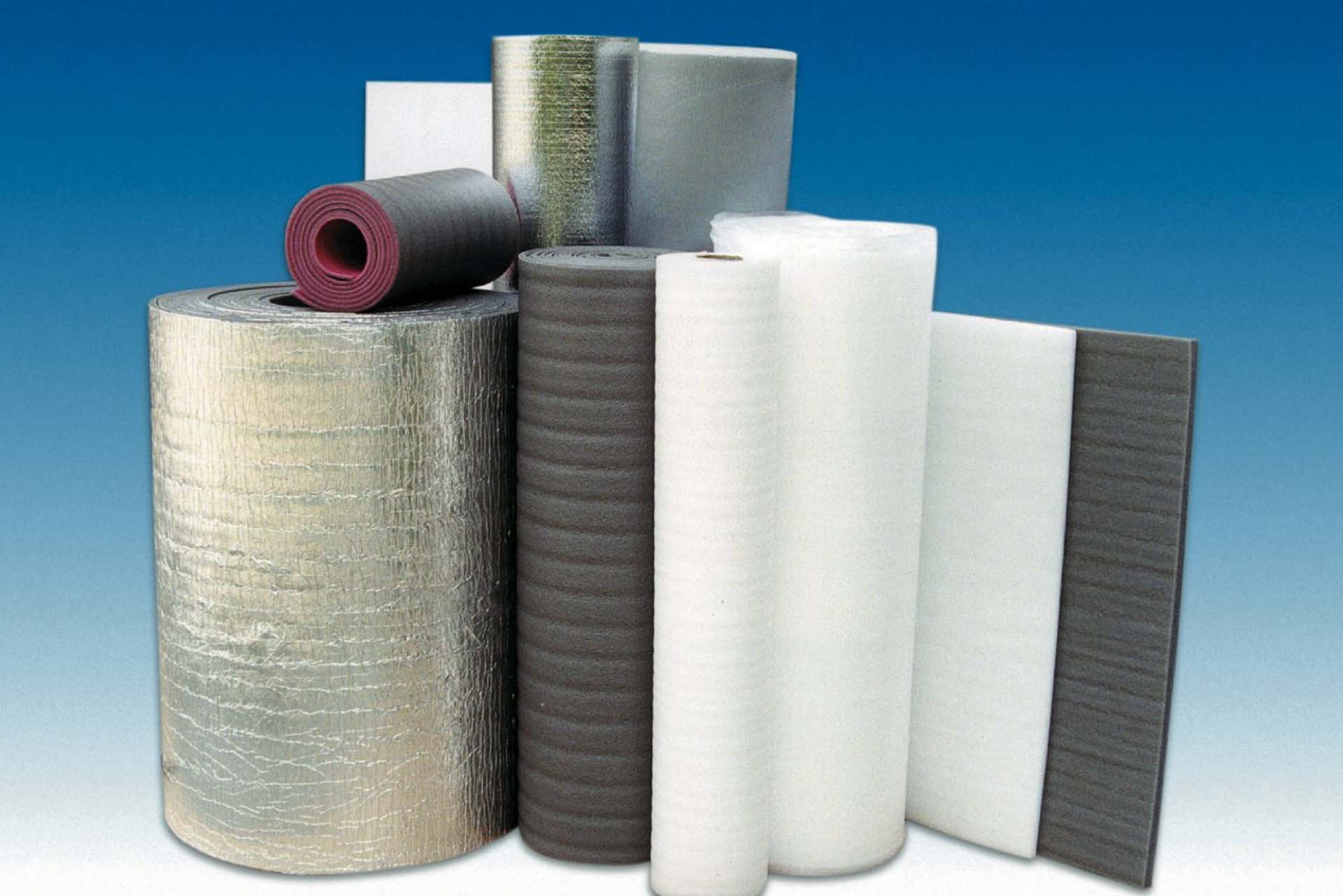
Your Home’s “Thermos” Effect: The Secret to Staying Warm in Winter and Cool in Summer
Practical Guide: Maintenance, Efficiency, and Safety of Boiler Room Systems

The Hidden Heroes of Our Home: Radiators

How Radiators Work: The Heat Distributors of Your Home

Boiler Rooms Explained: The Core of Home Heating

Energy-Efficient Home Heating Options: A Complete Guide

Why Is Regular Maintenance of HVAC Systems Important?

Control and Safety Devices in the Boiler Room: Essential Components for Your System

What is HVAC? Fundamentals of Heating and Cooling Systems

The ventilation systems in large buildings

Radiators vs Underfloor Heating: Which Works Better with Heat Pumps?

Radiators and Heating Systems: Comfortable and Energy-Efficient Solutions for Your Home

HVAC Pipe Insulation – Energy Saving and Stable Temperature Maintenance

What Don’t We Know About Ventilation Systems?

The Importance of Insulation for Energy Efficiency

Şüşə Yunu ilə Boru İzolyasiyası Nədir və Niyə Vacibdir?

Hansı radiator daha yaxşıdır?

What are heating systems for?

Havalandırma avadanlıqları nə üçündür?

Ventilation Systems

Heating systems - Models and prices

Heating systems

Havalandırma sistemləri (Havalandirma sistemleri)

Boru armaturları və fittinqləri

Qazanxana nədir?

Mechanical and Natural Ventilation: Which Is More Effective?

Ways to Save Energy with Smart Heating Systems

Effective Cooling Solutions for Commercial Properties

Boiler, Air Conditioning, and Ventilation System: How Are They Controlled Simultaneously?

Alternative Energy Sources in Heating and Cooling: Technologies of the Future
