


Preventing corrosion: How to protect heating systems long-term and avoid damage
Why Is Corrosion a Serious Problem for Heating Systems?
Corrosion is one of the most common and costly causes of damage in heating systems. It develops gradually and often goes unnoticed for a long time. By the time the first visible signs appear, the damage may already be extensive.
However, corrosion is not inevitable. It develops under specific environmental and operating conditions. By managing these conditions correctly from the beginning, it is possible to prevent corrosion and extend the service life of heating systems.
Corrosion Is a Chemical Process, Not a Coincidence
In heating systems, water is more than just a fluid that fills the system. It is a chemically active operating medium. Over the years, water remains in contact with metal components, seals, and heat exchangers, affecting their condition and performance.
Corrosion can occur when:
The chemical stability of the heating water is compromised.
The pH value falls outside the recommended range.
Electrical conductivity becomes too high.
Oxygen enters the system.
These processes can continue regardless of whether the system is operating at full or partial load.
Why Are Modern Heating Systems Particularly Sensitive?
Modern heating systems are more energy-efficient, compact, and complex than older systems. They also incorporate a wider variety of materials. Although these developments offer many advantages, they increase the demands placed on water quality.
Common features of modern heating systems include:
Aluminium or stainless steel heat exchangers.
Different materials used within the same piping network.
High temperature differences.
Low water volumes.
Such systems are more sensitive to chemical imbalances. Under unfavorable conditions, corrosion can develop rapidly and cause significant damage to particularly sensitive components.
Electrical Conductivity: An Underestimated Factor in Corrosion
Electrical conductivity indicates the presence of dissolved ions in water and its ability to conduct electrical current. It is an important parameter for assessing the electrochemical activity of water.
As conductivity increases, the concentration of dissolved salts may also increase. Under certain conditions, this can intensify electrochemical reactions and raise the risk of corrosion.
In practice, high electrical conductivity can contribute to:
Increased corrosion risk throughout the system.
More intense electrochemical reactions on metal surfaces.
Accelerated material deterioration, particularly in sensitive components.
This issue is especially important in systems containing different metals. For example, steel, copper, and aluminium can be susceptible to galvanic corrosion under unfavorable conditions. Electrically conductive water facilitates the movement of electrical charges and can intensify these processes.
When a potential difference develops between metals, the more reactive metal may corrode, releasing metal ions into the water.
For this reason, electrical conductivity is not a secondary consideration. It is one of the key parameters for monitoring water quality in heating and cooling systems.
Monitoring electrical conductivity helps assess the potential corrosion risk created by the water within a system. Maintaining an appropriate conductivity level and checking it regularly can support reliable, long-term system operation.
The pH Value Determines Material Compatibility
The pH value is one of the key parameters used to assess water quality in heating and cooling systems. It provides important information about how water may interact with the materials used in the system.
However, pH should never be evaluated in isolation. Its effects also depend on electrical conductivity, the materials present, and the system's operating conditions. Even relatively small deviations can cause significant long-term problems.
When the pH value falls outside the recommended range, corrosion may gradually develop even if the system initially appears to operate normally.
Typical risks include:
pH value too low: May increase the solubility of certain metals and accelerate corrosion in steel and iron components.
pH value too high: May damage sensitive materials such as aluminium, as well as seals and non-metallic components.
These risks become more complex in systems containing different materials. A pH value that is acceptable for one material may be harmful to another.
Therefore, applying a single target pH value to every heating system is not always appropriate. The optimal range depends on:
The materials used in the system.
The configuration of the heating system.
Applicable technical standards and guidelines, such as VDI 2035.
Maintaining a stable pH value is not a one-time task. It requires continuous monitoring throughout the system's operational life.
Maintaining the correct pH balance is essential for protecting system materials and supporting long-term equipment performance.
Oxygen: A Catalyst for Corrosion
Oxygen is one of the main factors that accelerate corrosion. It can enter a heating system through several routes, including:
Initial system filling.
Make-up water.
Leaks.
Open system components.
Even small amounts of oxygen can initiate corrosion under suitable conditions. The combination of oxygen and high electrical conductivity is particularly concerning.
To reduce the risk of corrosion, it is important to:
Minimize unnecessary make-up water.
Prevent leaks and maintain system tightness.
Monitor and maintain stable water quality.
Make-Up Water: A Common Source of Problems
Many heating systems are filled correctly during installation, but water quality can gradually deteriorate during operation. One of the most common causes is uncontrolled make-up water.
Every litre of untreated make-up water may introduce:
Additional dissolved salts.
Oxygen.
Substances that can alter the water's pH value.
These effects accumulate over time. Over months and years, electrical conductivity may increase, pH levels may shift, and corrosion processes may accelerate.
The problem becomes more serious when the volume and quality of make-up water are not regularly recorded or monitored. As a result, the benefits of correctly filling the system initially may gradually be lost.
To prevent this, a properly planned make-up water management strategy is essential. Suitable treatment systems can condition additional water before it enters the heating circuit and help monitor its quality.
This approach transforms make-up water from a potential source of risk into a controlled process.
Water Treatment Instead of Costly Repairs
A common misconception is that heating water treatment is only necessary after damage has occurred.
In reality, its greatest benefit lies in prevention.
Appropriate heating water treatment can:
Help reduce electrical conductivity.
Reduce the concentration of salts that contribute to corrosion.
Support pH stabilization.
Create operating conditions that are more compatible with system materials.
This helps reduce the likelihood of corrosion developing in the first place, rather than requiring costly intervention after damage has occurred.
Water treatment and filtration equipment can be used to manage heating water quality and reduce the amount of sediment and particles such as magnetite circulating through the system. Equipment selection should be based on the system configuration, initial water parameters, and manufacturer recommendations.
Waiting until visible damage appears can result in significantly higher costs. Timely water treatment can help reduce the need for expensive repairs and extend the service life of heating equipment.
Regular Water Analysis Ensures Control
Corrosion rarely develops without warning. Changes in water parameters can occur long before components fail or operational problems become apparent.
Regular heating water analysis provides several important benefits:
Early detection of critical deviations.
Timely and targeted corrective measures.
Documentation of system conditions and changes over time.
This transforms corrosion prevention from a reactive approach to a planned, measurable, and controlled process.
Conclusion
Preventing corrosion in heating systems requires a comprehensive approach to water quality, electrical conductivity, pH levels, oxygen ingress, and make-up water management.
Regular water analysis, appropriate treatment technologies, and ongoing monitoring of system conditions can help protect metal components, reduce the risk of malfunctions, and extend equipment service life.
The most effective strategy is not to wait until damage occurs and then begin repairs. It is to identify and manage the conditions that cause corrosion before they become a problem.
Other Manufacturing Sectors
Preventing corrosion: How to protect heating systems long-term and avoid damage
How to prevent condensation on air ducts
Vacuum valves: types, operating principles, and industrial applications
What are measuring instruments? types, applications, and their role in industry
What is unbalanced airflow?
Why Pressure Loss Matters in Ventilation Ductwork Design

Why is one room hotter than the rest of the house?
10 signs that your home’s air quality needs improvement
The Importance of Ventilation Filters
How to choose the right ventilation system for offices, warehouses and restaurants
Critical components of hospital ventilation systems that require regular testing
Top 5 Ways to Improve Energy Efficiency in Commercial Buildings

Why your air conditioner Is running but not cooling the room

Why does condensation form on windows and how can you prevent it?

How to Reduce Energy Losses in Local Exhaust Ventilation Systems
How to Choose the Right Material for HVAC Pipes
Enhancing workplace efficiency: The strategic importance of selecting quality flexible air ducts
What is a boiler room system and how do you choose the right equipment for your project?
Measurement Equipment and Safety Valves: Safety and Control in Heating Systems
The Role and Importance of Expansion Tanks in Heating Systems
6 signs your building needs better ventilation

How to choose the right ductwork?
Types of Bolts: Components, Sizes, and Applications
Threaded Rod: Types, Applications, and Selection Guide
The importance of material selection in mechanical engineering: Ensuring optimal performance and longevity
Insulated vs Non-Insulated flexible ducting | Buyer's guide
10 Key Factors to Consider When Choosing a Good Industrial Steam Boiler
10 Smart Ways to Improve Home Energy Efficiency Without Replacing Your Boiler
The importance of proper mechanical process installations

What are VRF systems and which buildings are they suitable for?
Advantages of insulated air ducts and why they are important
Energy-efficient heating systems: Which solutions are the most effective?
What are MEP systems and why are they important in construction projects?
The role of ventilation systems in creating a healthy and comfortable environment

Thermal Insulation: What Is It and How Is It Used?
What are accumulation tanks and why are they worth using?
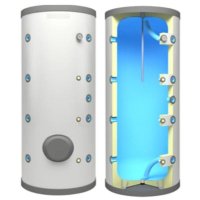
Ofislərdə düzgün soyutma sistemi məhsuldarlığa necə təsir edir?

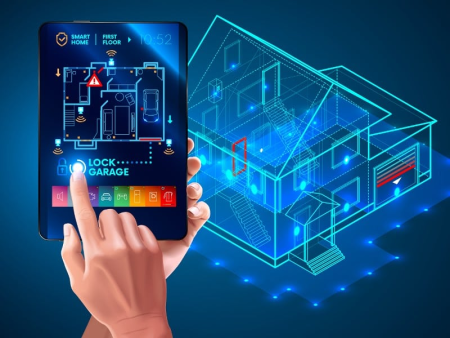
HVAC sistemlərinin ağıllı ev sistemləri ilə inteqrasiyası
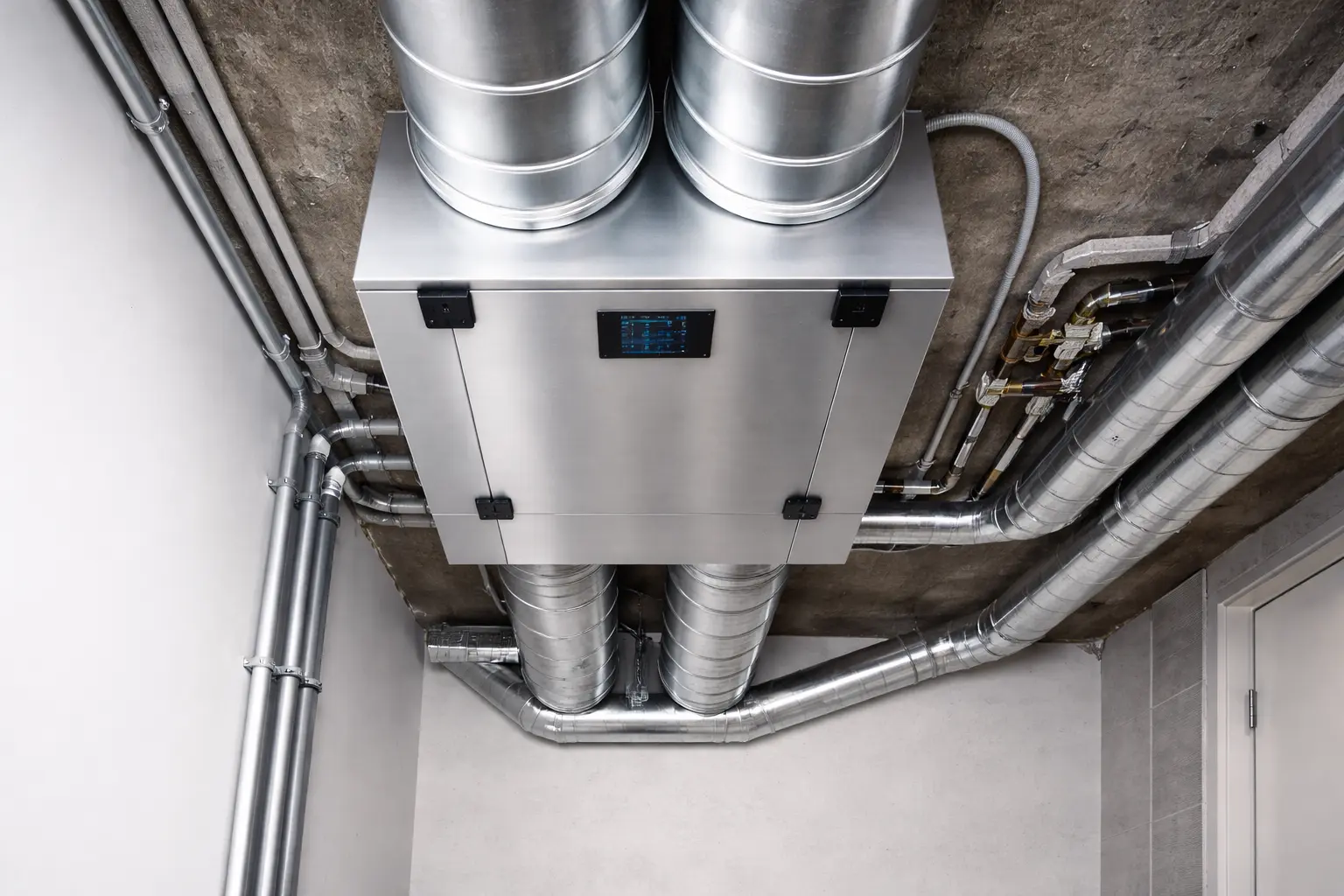
Breathing made easy: the undeniable benefits of a home ventilation system.
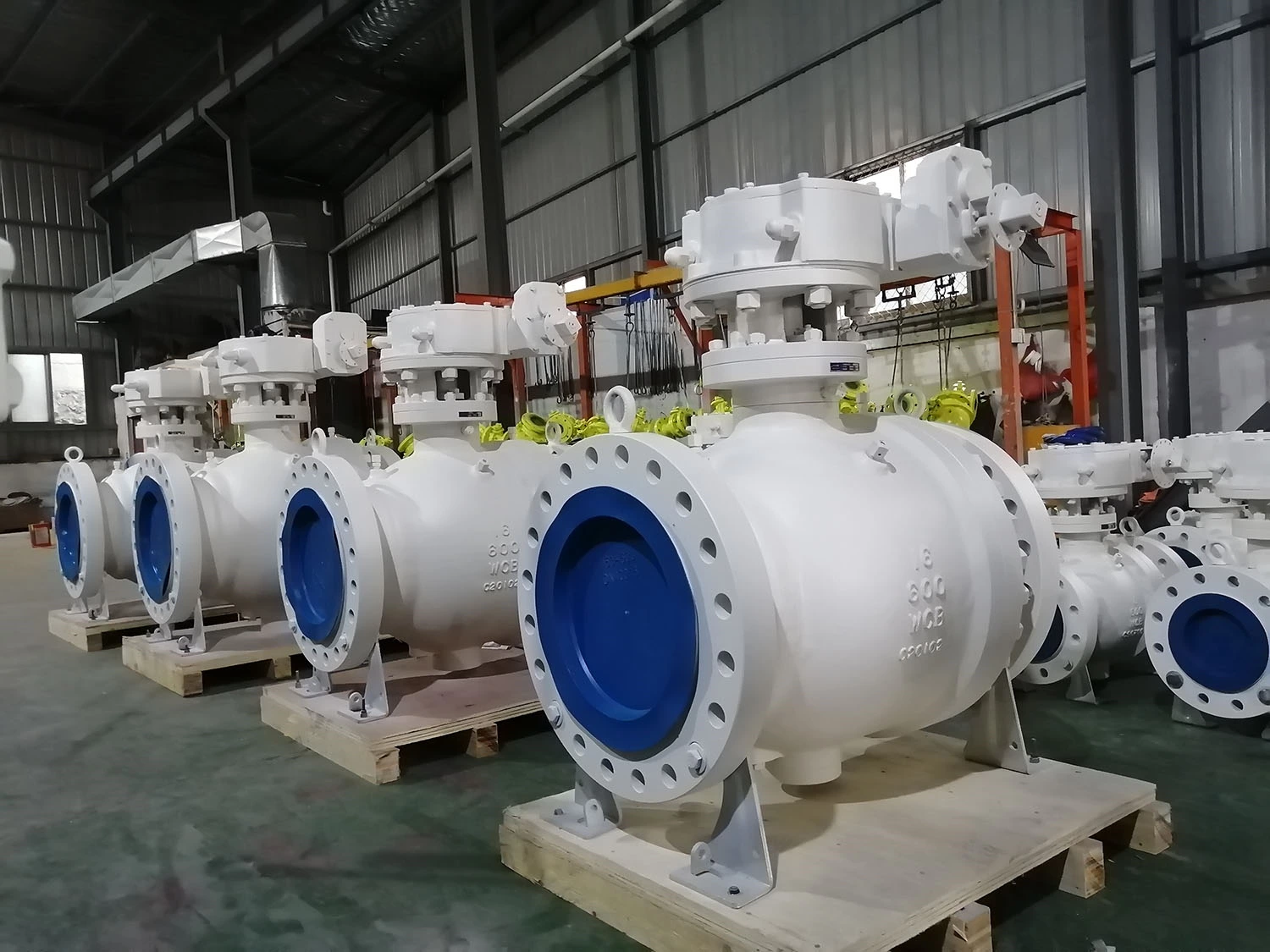
What are ball valves and how do they work?
Comparison of threaded pipe and welded pipe: which is better for your project?
The role of ventilation in ensuring fire safety and smoke control.
How good air circulation improves your shopping experience?
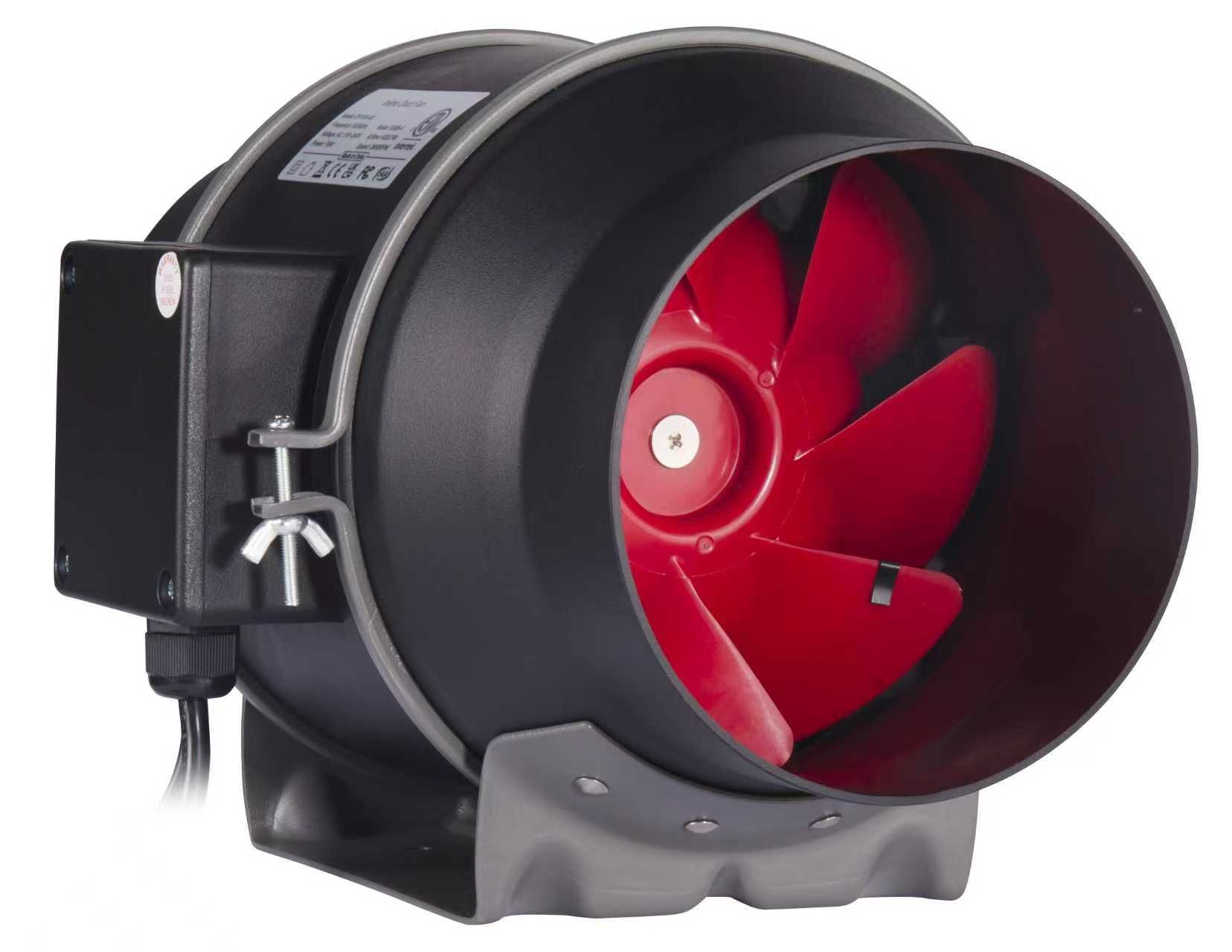
Duct fans: comprehensive applications and points to consider
Ventilation in hospitals and healthcare facilities
Boiler or stove: how to decide?
What type of heating is best for an old house?
How to calculate the required boiler capacity?

Boiler pressure keeps dropping — what is the reason?
Why Does My Boiler Keep Turning Off?
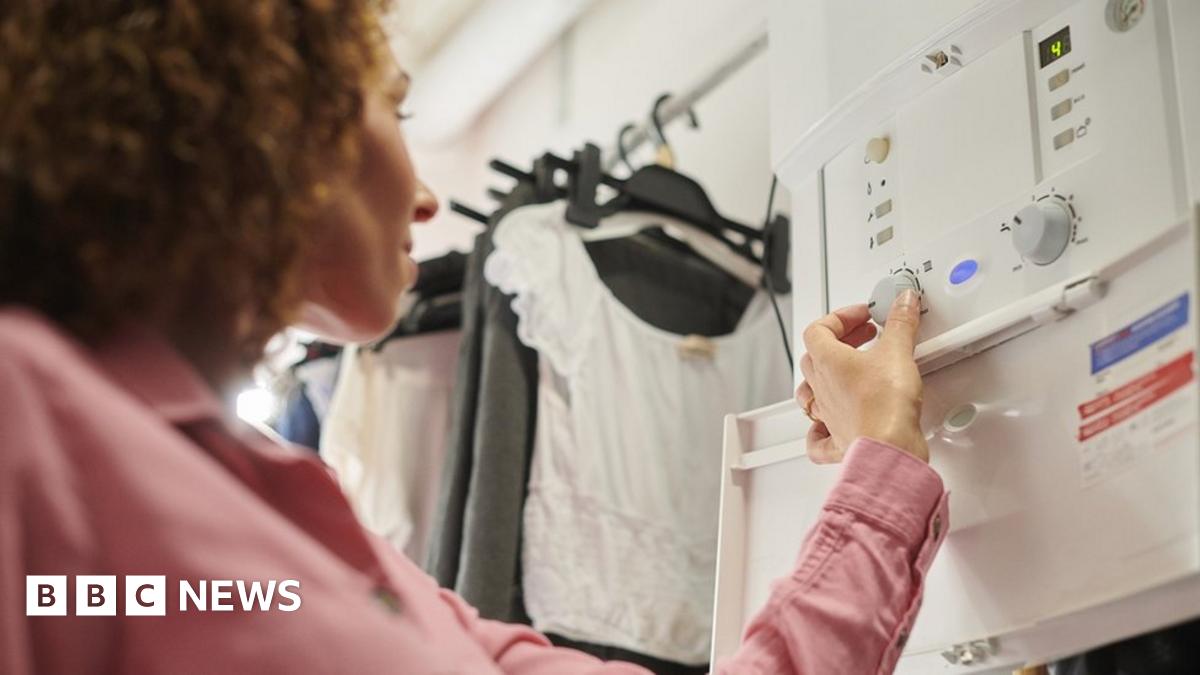
Boiler Size; This Really Matters
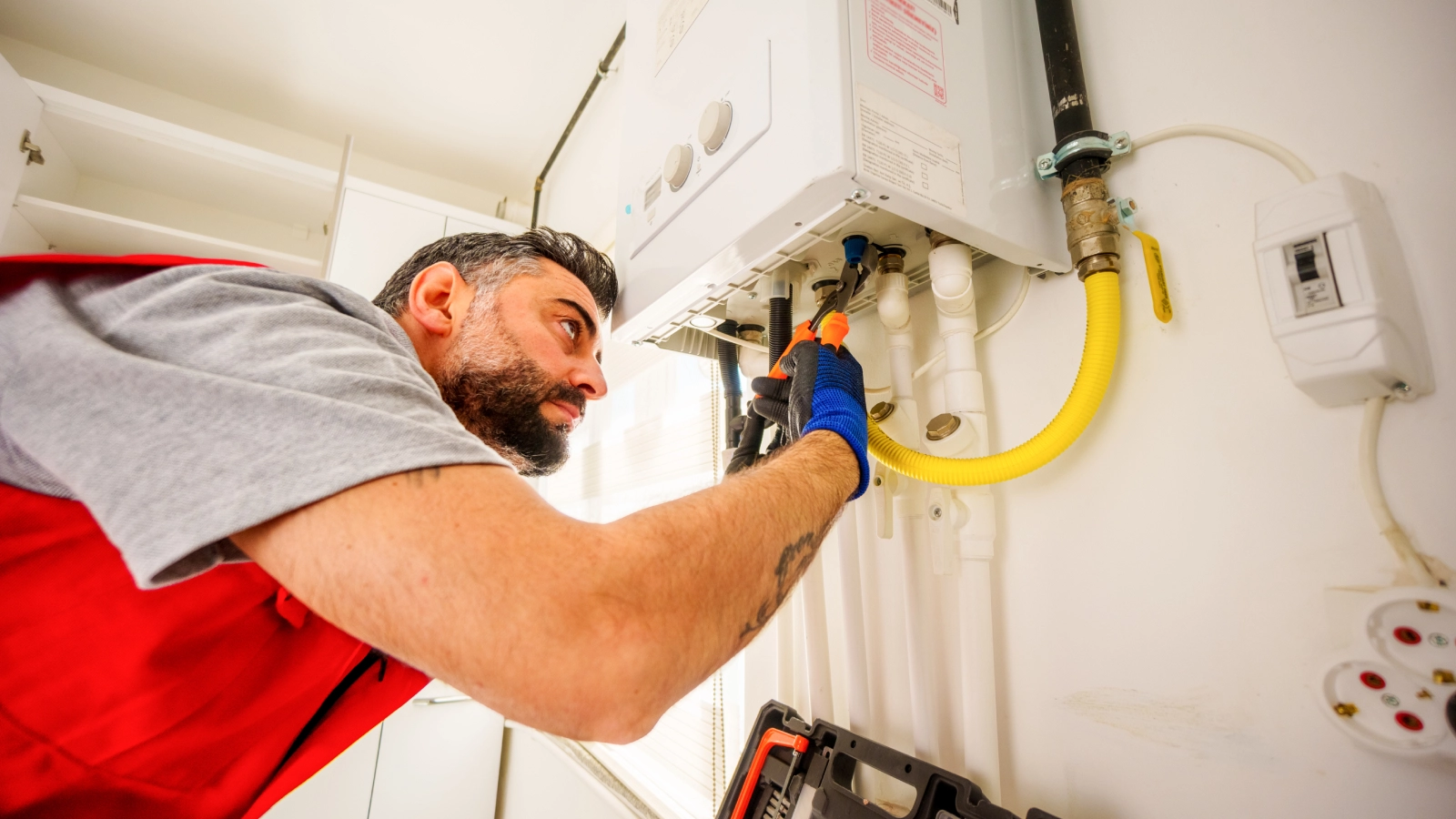
Choosing the Right Boiler Size for Your Home

Should I Keep The Boiler Running Continuously?
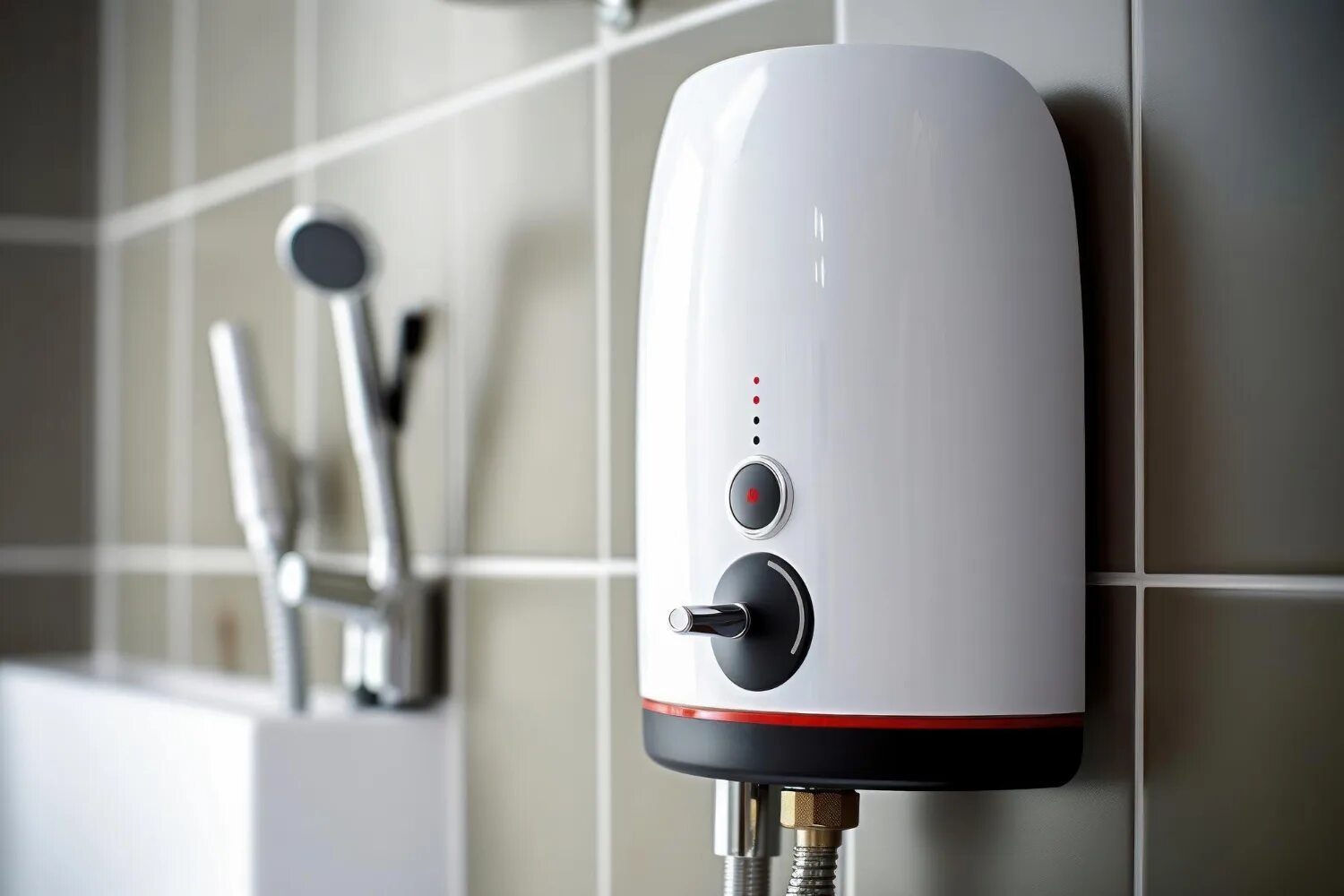
Noisy Boiler: Possible Causes And Solutions
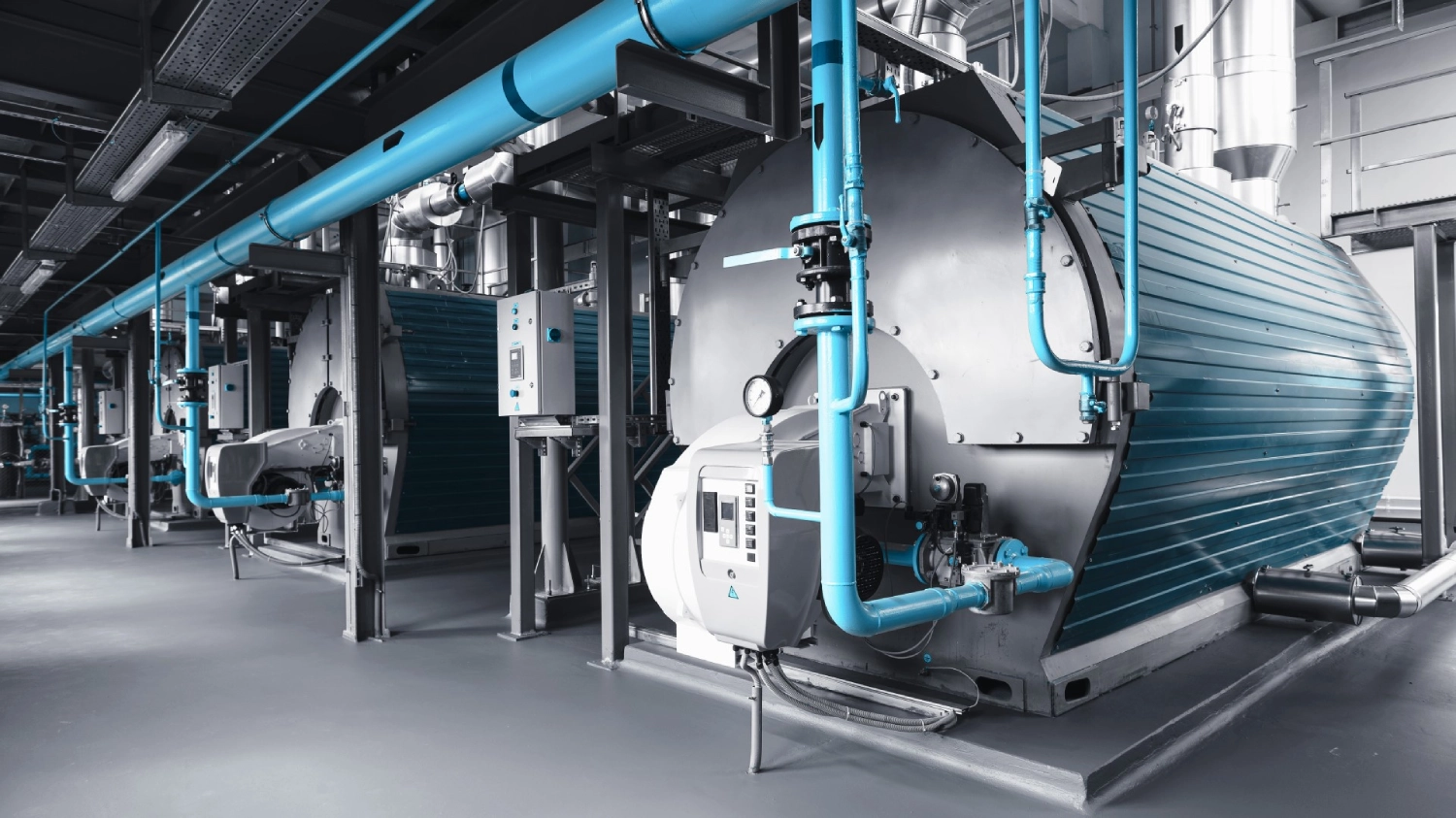
The Importance of the Expansion Tank
How to Keep Your Pipes Warm in Winter: Tips to Prevent Freezing
Types of Electric Heaters
Can you dry clothes on bathroom towel radiators?
Common Insulation Problems
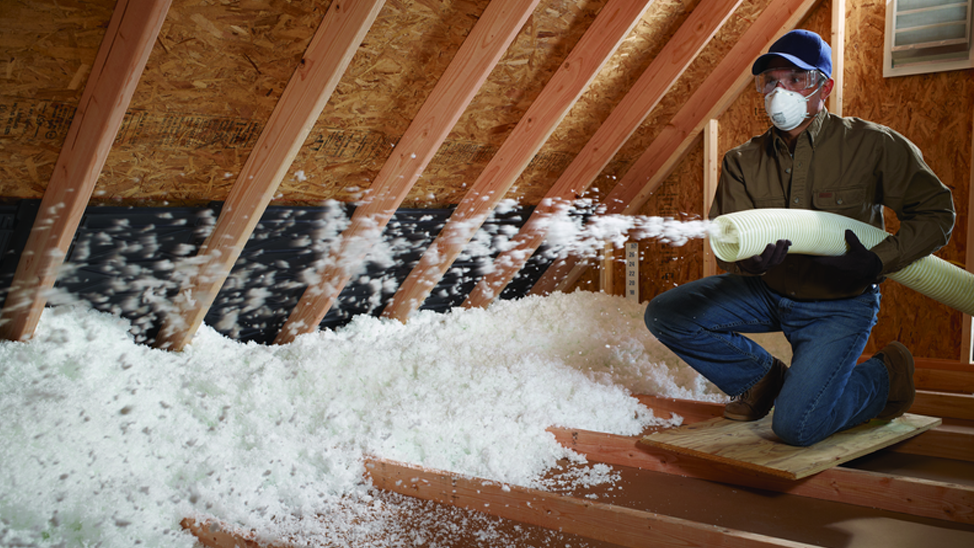
The Importance of Proper Insulation in Home Heating
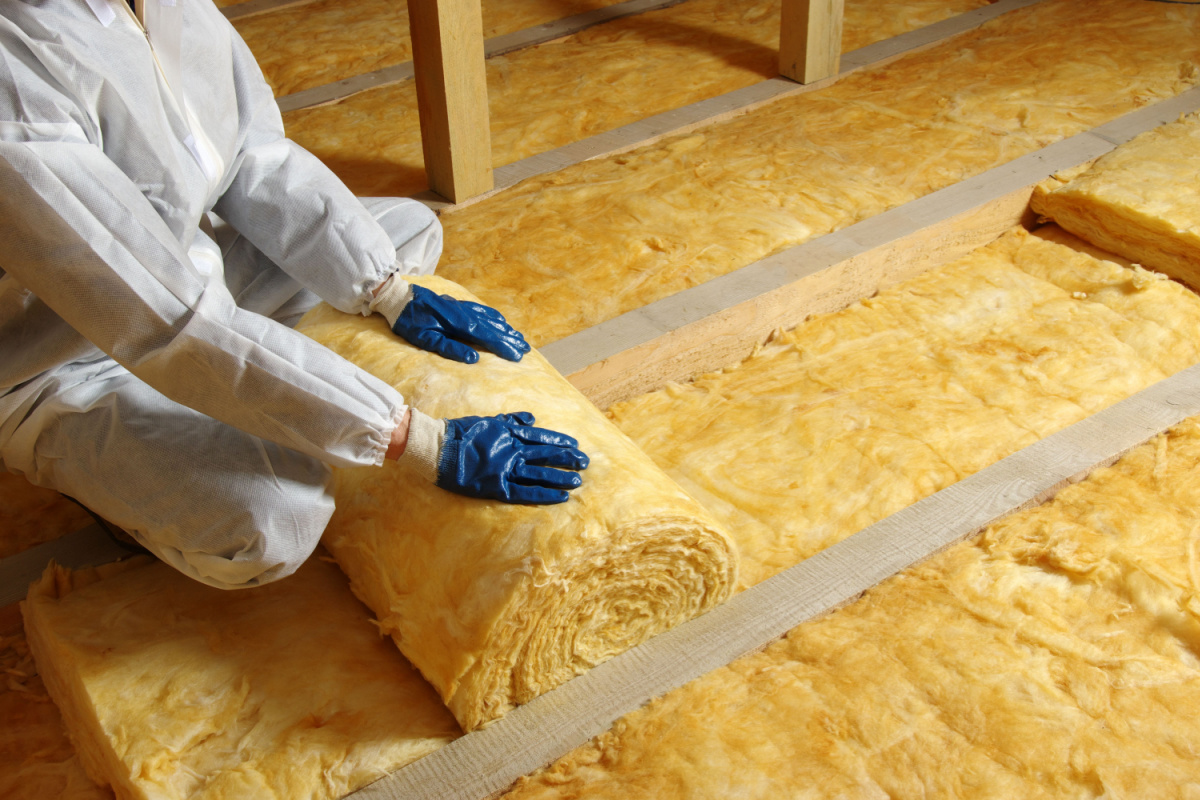
Combi Boiler vs System Boiler: Which Is Best for Your Home?
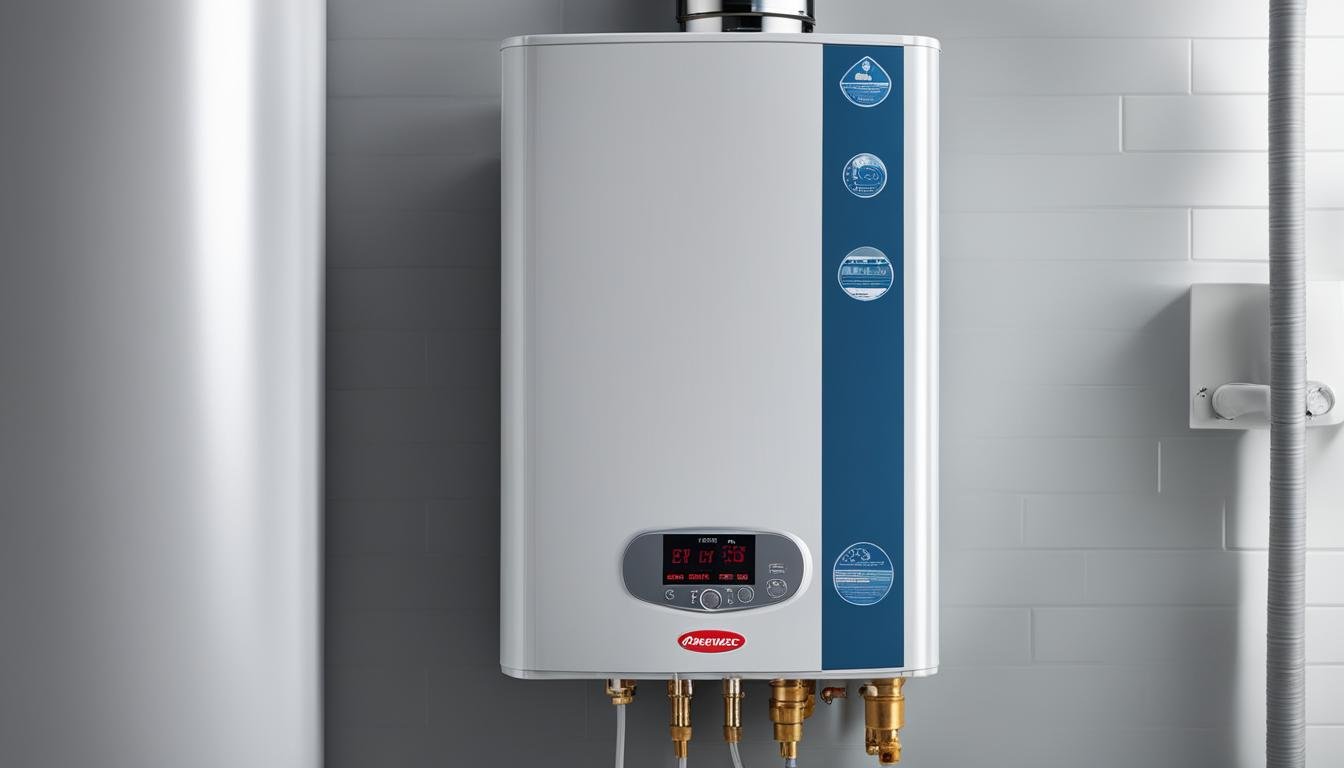
How to Prepare Your Home for HVAC Installation: 9 Essential Tips
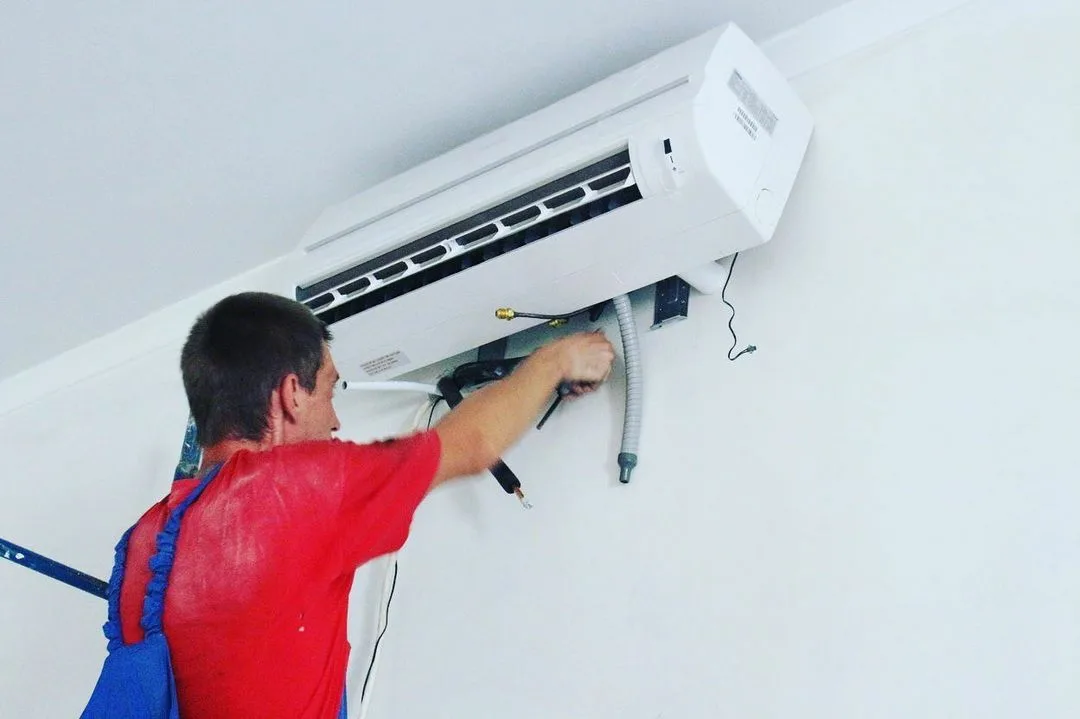
HVAC for New Construction: What You Need to Know

How to choose the best boilers for schools in 2026?
How to clean a gas boiler?
What is mechanical ventilation?
How to improve air quality during allergy season

The truth behind common myths about air purifiers

Choosing Clamps for Professionals: Structure, Types and Applications

The Role and Importance of Measurement Equipment in Industry
Safety Gloves: A Small Tool, Big Protection

Your Home’s “Thermos” Effect: The Secret to Staying Warm in Winter and Cool in Summer
Practical Guide: Maintenance, Efficiency, and Safety of Boiler Room Systems

The Hidden Heroes of Our Home: Radiators

How Radiators Work: The Heat Distributors of Your Home

Boiler Rooms Explained: The Core of Home Heating

Energy-Efficient Home Heating Options: A Complete Guide

Why Is Regular Maintenance of HVAC Systems Important?

Control and Safety Devices in the Boiler Room: Essential Components for Your System

What is HVAC? Fundamentals of Heating and Cooling Systems

The ventilation systems in large buildings

Radiators vs Underfloor Heating: Which Works Better with Heat Pumps?

Radiators and Heating Systems: Comfortable and Energy-Efficient Solutions for Your Home

HVAC Pipe Insulation – Energy Saving and Stable Temperature Maintenance

What Don’t We Know About Ventilation Systems?

The Importance of Insulation for Energy Efficiency

Şüşə Yunu ilə Boru İzolyasiyası Nədir və Niyə Vacibdir?

Hansı radiator daha yaxşıdır?

What are heating systems for?

Havalandırma avadanlıqları nə üçündür?

Ventilation Systems

Heating systems - Models and prices

Heating systems

Havalandırma sistemləri (Havalandirma sistemleri)

Boru armaturları və fittinqləri

Qazanxana nədir?

Mechanical and Natural Ventilation: Which Is More Effective?

Ways to Save Energy with Smart Heating Systems

Effective Cooling Solutions for Commercial Properties

Boiler, Air Conditioning, and Ventilation System: How Are They Controlled Simultaneously?

Alternative Energy Sources in Heating and Cooling: Technologies of the Future
