


Common Insulation Problems
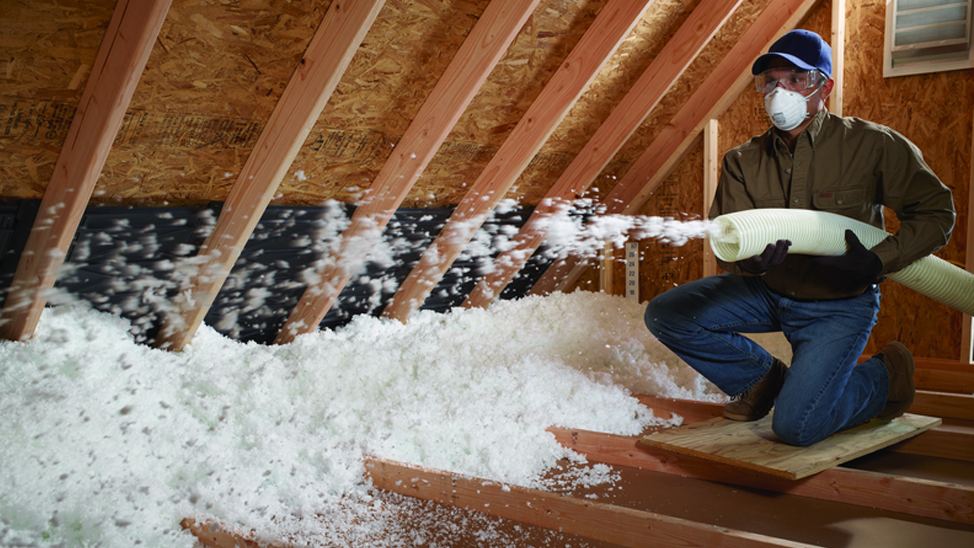
Your home’s insulation plays a crucial role in maintaining comfort and energy efficiency, but common issues can undermine its effectiveness.
Problems such as uneven temperatures, high energy bills, or drafts often indicate insulation gaps, outdated materials, or improper installation. Addressing these issues early can prevent further energy loss and ensure your heating system operates optimally.
Another common issue is moisture buildup, which can degrade insulation over time and lead to mold growth. If you notice damp spots in your attic or walls, or detect a musty smell, it may be a sign that your insulation needs attention. Regular inspections help identify these problems before they worsen, saving you money and maintaining a healthier living environment.
Identifying Insulation Gaps and Deficiencies
Deficiencies in your insulation can appear subtly, such as cold spots on walls or floors, or more visibly as ice dams on your roof during winter. A thorough inspection of your attic, basement, and exterior walls can reveal areas where insulation is missing or compressed, reducing its effectiveness.
Using a thermal camera or simply checking for drafts around windows, doors, and electrical outlets can help identify gaps. If your heating system runs constantly but your home still feels cold, it’s time to evaluate your insulation. Sealing these gaps and adding or replacing insulation can significantly improve your home’s thermal performance.
Seasonal Considerations for Insulation
Common insulation problems vary by season and require different approaches to maintain efficiency. In winter, heat loss is more noticeable in poorly insulated areas, while in summer, heat gain can become an issue, causing your cooling system to work harder. Adjusting your insulation strategy based on seasonal demands ensures year-round comfort.
During colder months, focus on preventing air leaks and adding insulation to attics and basements to retain heat. In warmer weather, reflective insulation or radiant barriers can help keep heat away from your home. Understanding these seasonal needs allows you to optimize your insulation for maximum energy savings.
Therefore, adapting your insulation maintenance to seasonal changes not only improves comfort but also extends the lifespan of your HVAC system. By being proactive, you can avoid unnecessary energy waste and keep your home consistently comfortable regardless of weather conditions.
Maintenance and Upgrades
Regular maintenance and timely upgrades are essential to ensure your home’s insulation remains effective. Over time, insulation can settle, deteriorate, or develop gaps, reducing its ability to retain heat. By staying proactive, you can avoid energy waste and ensure your heating system runs efficiently. Upgrading older insulation materials with newer, more efficient options can also significantly improve your home’s thermal performance and reduce energy costs.
To maximize the benefits of your insulation, inspect it periodically and address any issues promptly. Weather changes, pests, or moisture can compromise its effectiveness, so staying attentive helps maintain a comfortable indoor environment. Investing in upgrades such as adding insulation to attics or walls can further enhance your home’s energy efficiency and reduce long-term heating costs.
Routine Insulation Inspections
With regular inspections, you can identify early signs of wear or damage in your insulation. Look for areas where insulation has shifted, compressed, or shows signs of moisture, as these issues can negatively impact its performance. Pay special attention to attics, basements, and crawl spaces, where insulation is often most vulnerable.
A thorough inspection will also help you detect potential entry points for drafts or pests that could affect your home’s warmth. If you notice any issues such as mold or gaps, take immediate action to prevent further deterioration. A well-maintained insulation system preserves consistent warmth and reduces the load on your heating system.
Modern Insulation Solutions
The latest insulation materials offer superior thermal performance compared to traditional options. Spray foam, cellulose, and rigid foam boards provide higher R-values, meaning they resist heat flow more effectively. Switching to these solutions can help maintain a stable indoor temperature while using less energy.
The installation process for modern insulation is often faster and less invasive, minimizing disruption to your home. Many newer materials are also environmentally friendly, made from recycled or sustainable sources, and align with energy-efficient home improvements. By choosing these advanced options, you can future-proof your home against rising energy costs.
For example, spray foam insulation expands to fill even the smallest gaps, creating an airtight seal that prevents heat loss. This makes it an excellent choice for hard-to-reach areas or irregularly shaped spaces, ensuring no part of your home is left unprotected.
Conclusion
In summary, proper insulation plays a critical role in maintaining an efficient and comfortable home heating system. When your home is well insulated, you reduce heat loss, lower energy costs, and create a more stable indoor temperature. This not only improves your comfort but also extends the lifespan of your heating equipment by reducing its workload. Investing in quality insulation ensures your home stays warm during cold months while minimizing unnecessary energy waste.
By prioritizing insulation, you take control of your home’s energy efficiency and contribute to a more sustainable environment. Whether upgrading existing insulation or installing it in a new building, the long-term benefits outweigh the initial costs. You will notice the difference in your heating performance and overall home comfort, making it a smart choice for any homeowner focused on efficiency and cost savings.
Other Manufacturing Sectors
Why your air conditioner Is running but not cooling the room

Why does condensation form on windows and how can you prevent it?

How to Reduce Energy Losses in Local Exhaust Ventilation Systems
How to Choose the Right Material for HVAC Pipes
Enhancing workplace efficiency: The strategic importance of selecting quality flexible air ducts
What is a boiler room system and how do you choose the right equipment for your project?
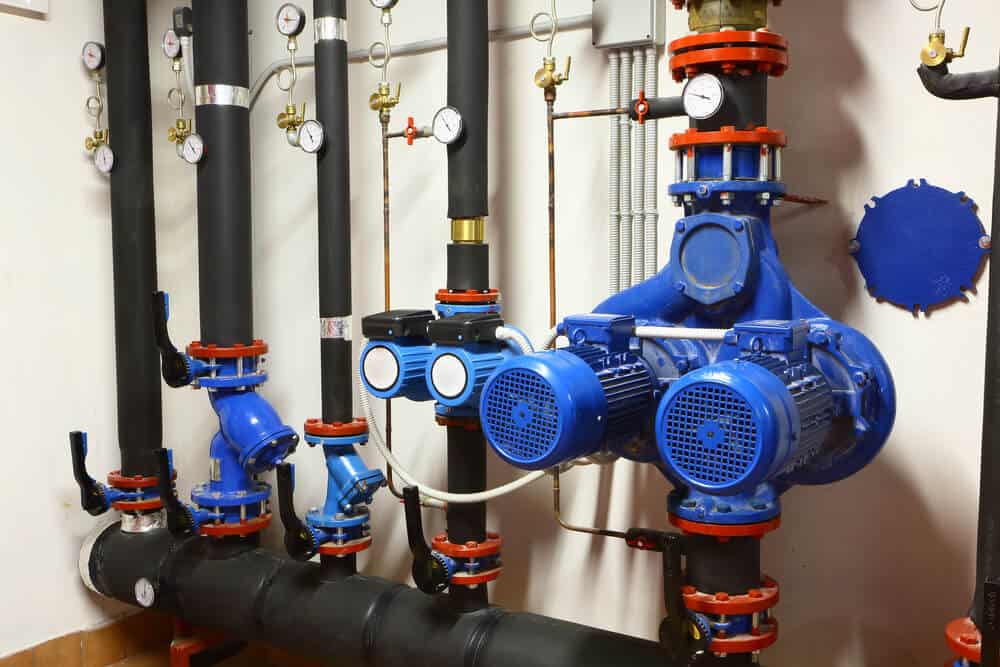
Measurement Equipment and Safety Valves: Safety and Control in Heating Systems
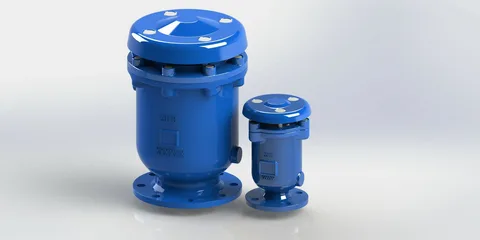
The Role and Importance of Expansion Tanks in Heating Systems
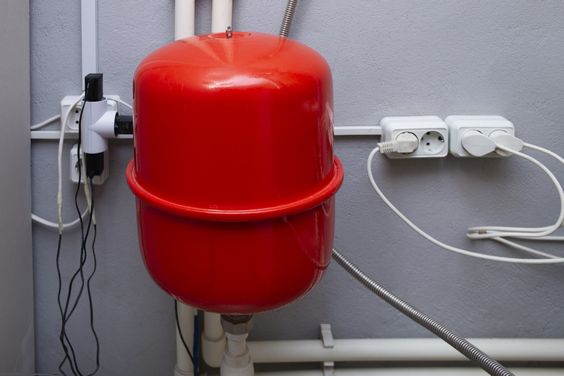
6 signs your building needs better ventilation

How to choose the right ductwork?
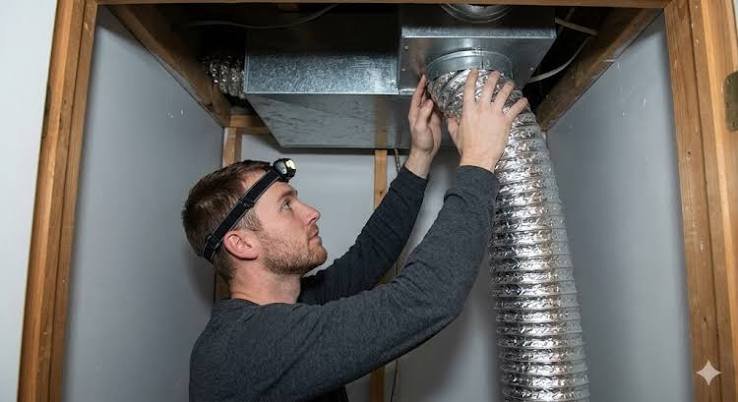
Types of Bolts: Components, Sizes, and Applications
Threaded Rod: Types, Applications, and Selection Guide
The importance of material selection in mechanical engineering: Ensuring optimal performance and longevity
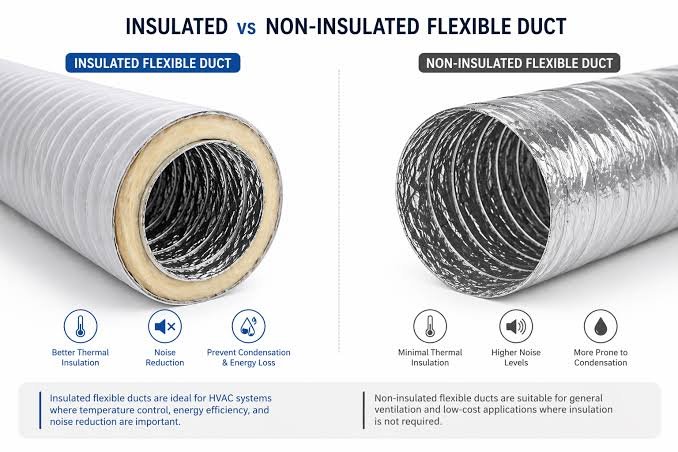
Insulated vs Non-Insulated flexible ducting | Buyer's guide
10 Key Factors to Consider When Choosing a Good Industrial Steam Boiler
10 Smart Ways to Improve Home Energy Efficiency Without Replacing Your Boiler
The importance of proper mechanical process installations

What are VRF systems and which buildings are they suitable for?
Advantages of insulated air ducts and why they are important
Energy-efficient heating systems: Which solutions are the most effective?
What are MEP systems and why are they important in construction projects?
The role of ventilation systems in creating a healthy and comfortable environment

Thermal Insulation: What Is It and How Is It Used?

What are accumulation tanks and why are they worth using?
Ofislərdə düzgün soyutma sistemi məhsuldarlığa necə təsir edir?

HVAC sistemlərinin ağıllı ev sistemləri ilə inteqrasiyası
Breathing made easy: the undeniable benefits of a home ventilation system.
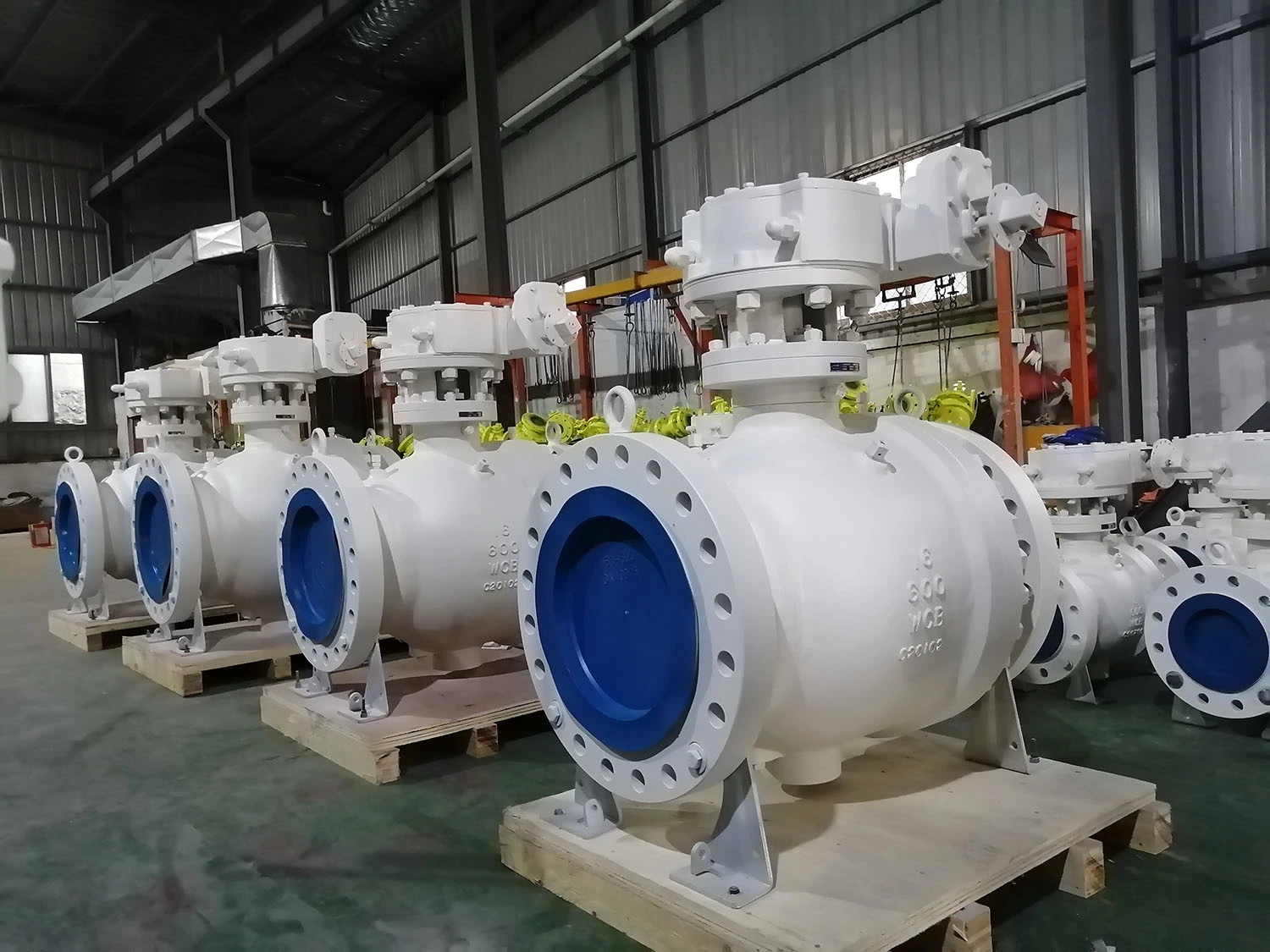
What are ball valves and how do they work?
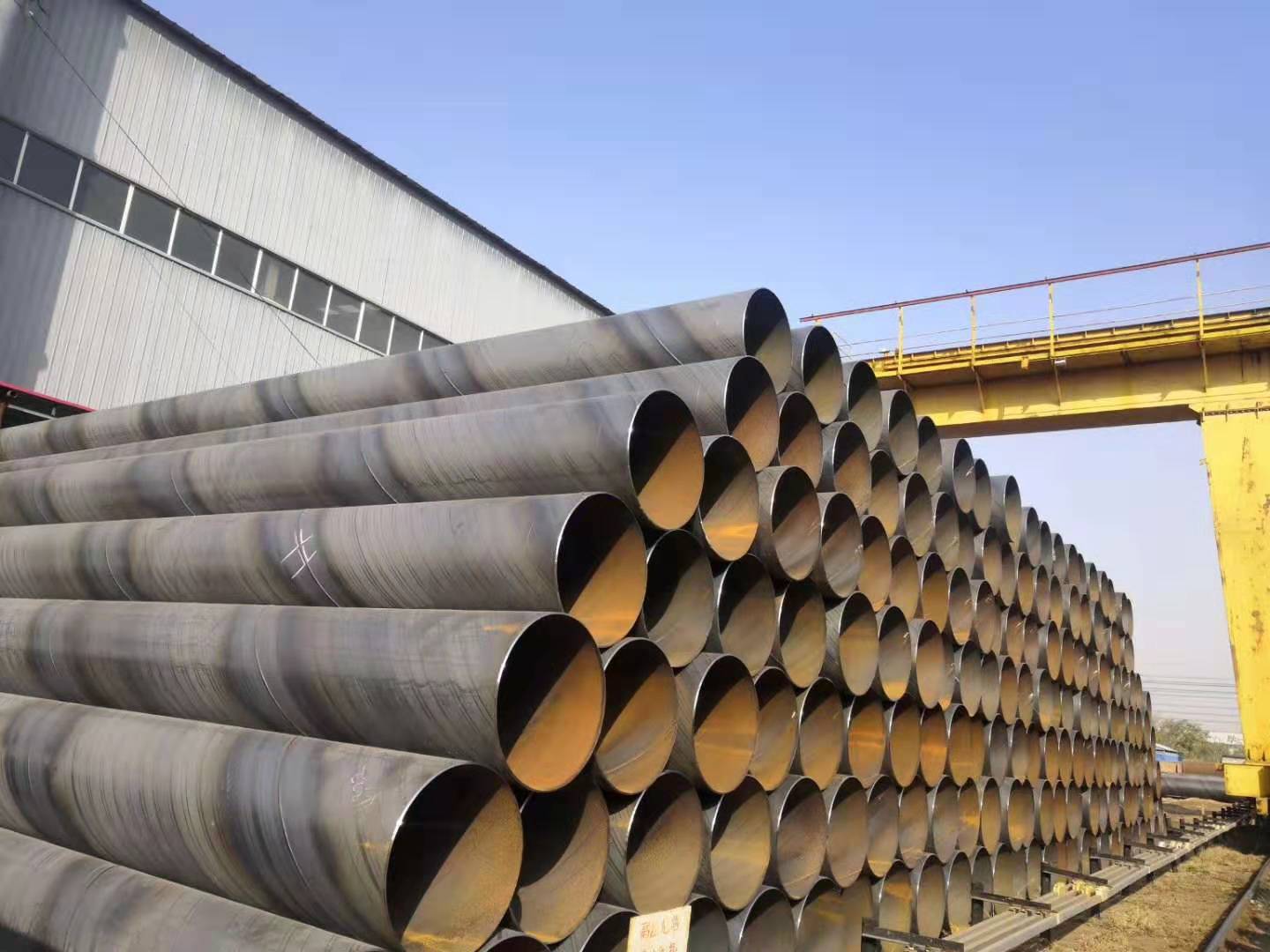
Comparison of threaded pipe and welded pipe: which is better for your project?
The role of ventilation in ensuring fire safety and smoke control.
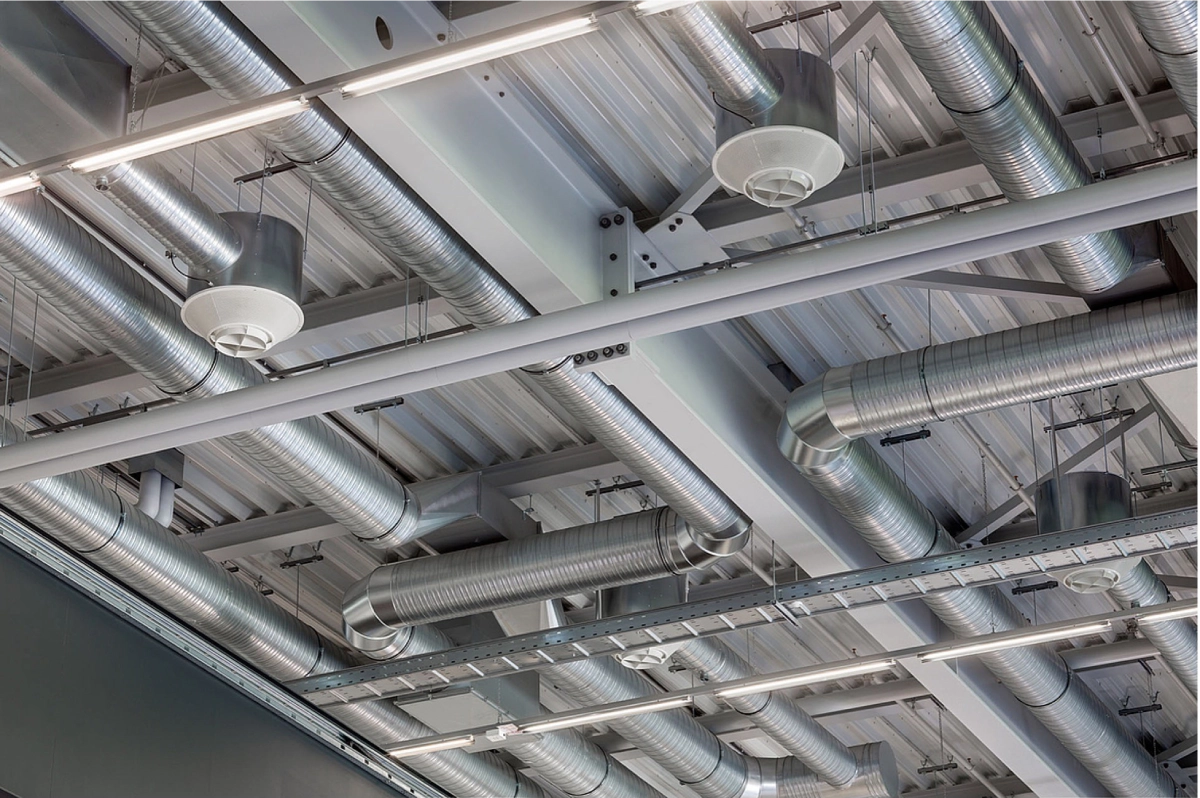
How good air circulation improves your shopping experience?
Duct fans: comprehensive applications and points to consider
Ventilation in hospitals and healthcare facilities

Boiler or stove: how to decide?
What type of heating is best for an old house?
How to calculate the required boiler capacity?

Boiler pressure keeps dropping — what is the reason?
Why Does My Boiler Keep Turning Off?
Boiler Size; This Really Matters
Choosing the Right Boiler Size for Your Home

Should I Keep The Boiler Running Continuously?
Noisy Boiler: Possible Causes And Solutions
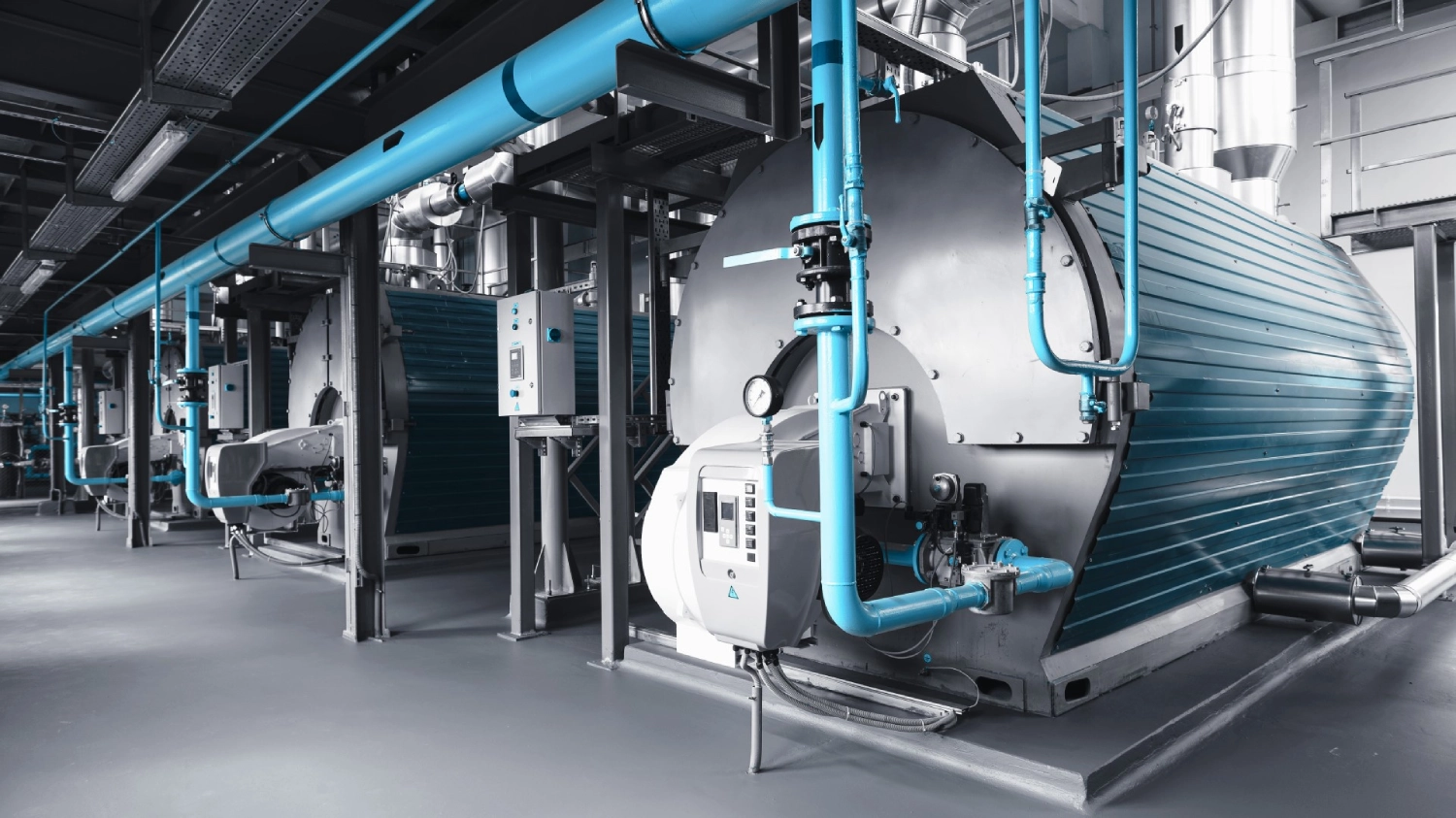
The Importance of the Expansion Tank
How to Keep Your Pipes Warm in Winter: Tips to Prevent Freezing
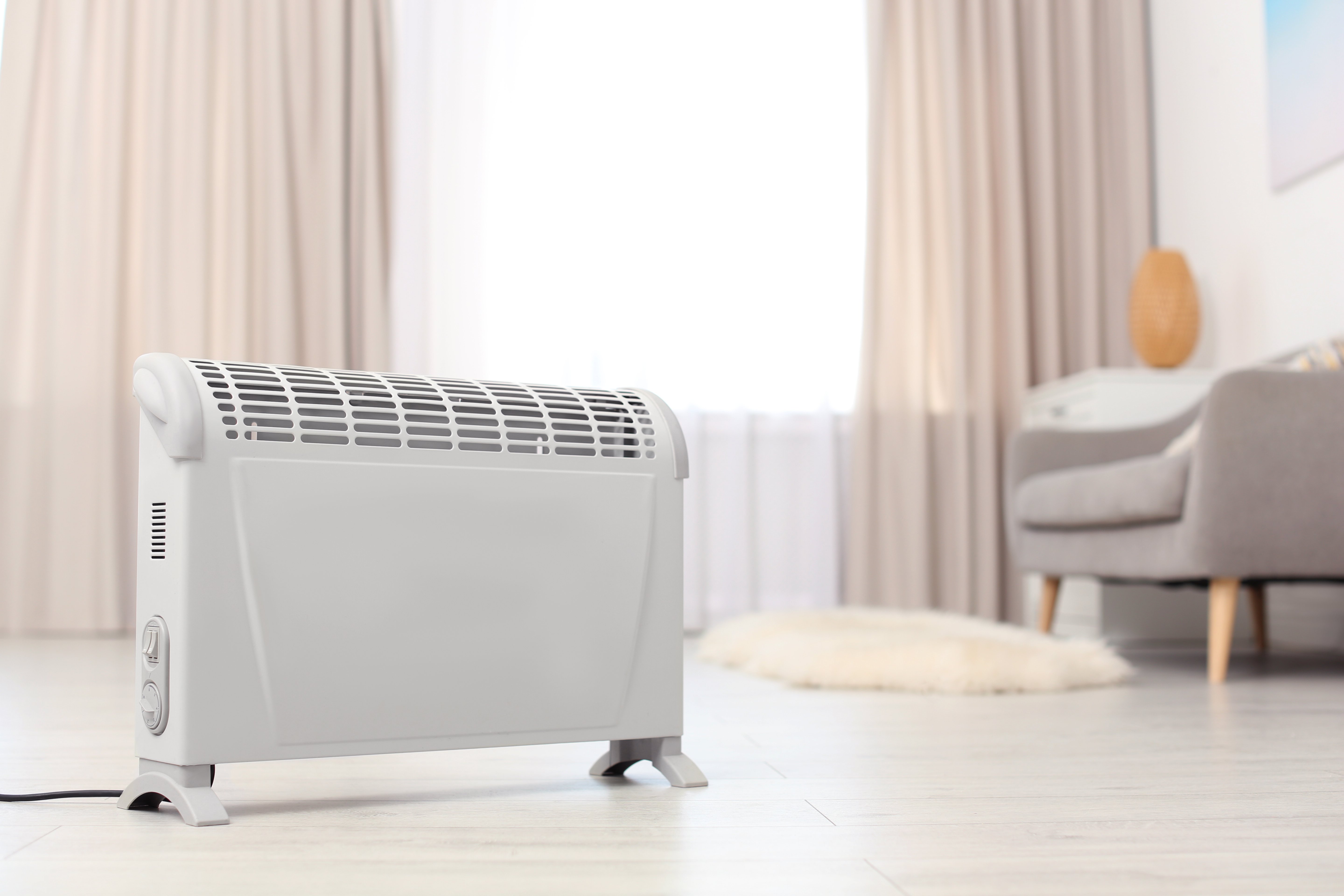
Types of Electric Heaters
Can you dry clothes on bathroom towel radiators?
Common Insulation Problems
The Importance of Proper Insulation in Home Heating
Combi Boiler vs System Boiler: Which Is Best for Your Home?
How to Prepare Your Home for HVAC Installation: 9 Essential Tips
HVAC for New Construction: What You Need to Know

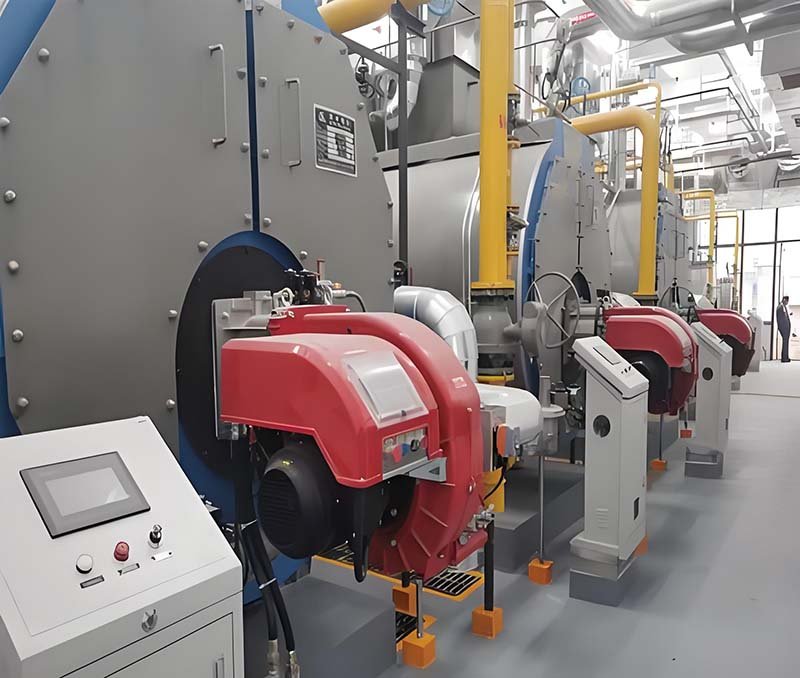
How to choose the best boilers for schools in 2026?
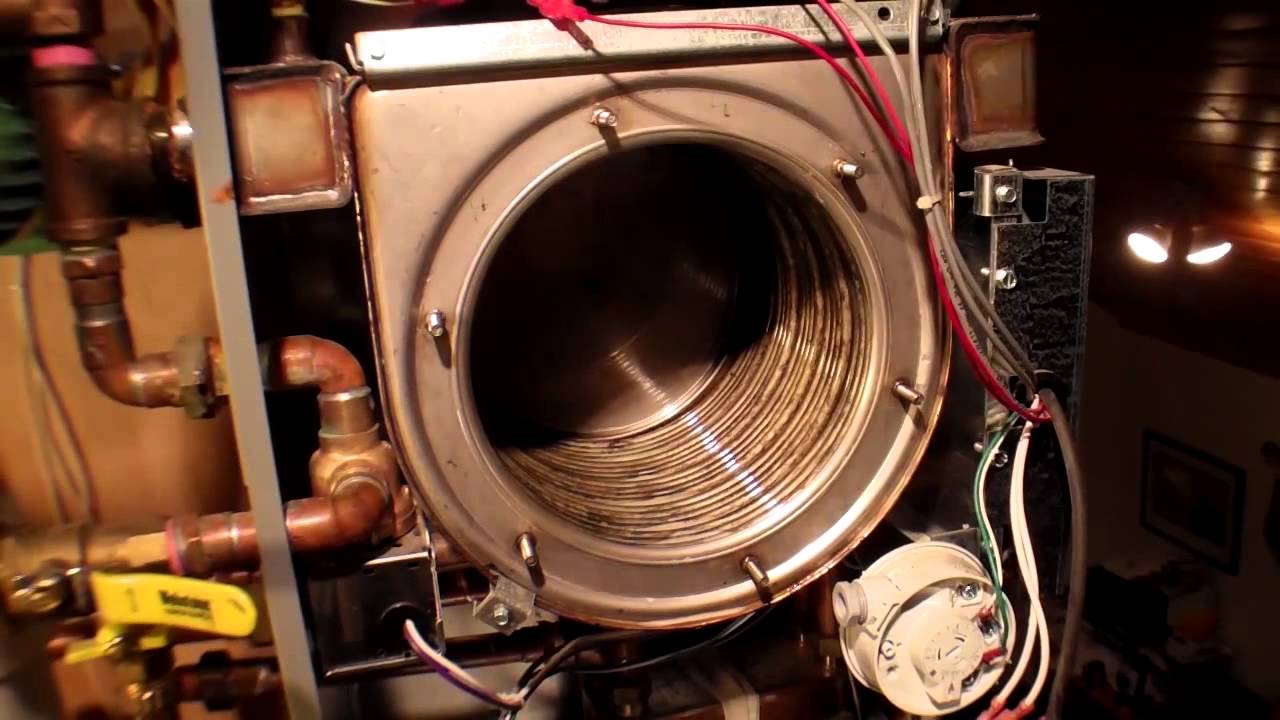
How to clean a gas boiler?
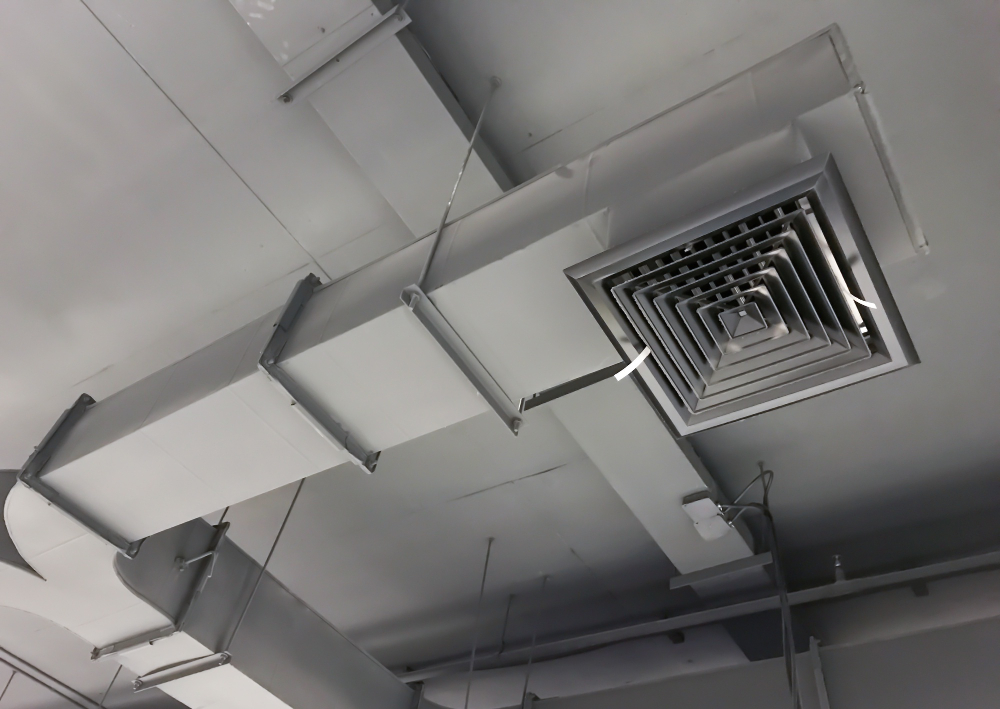
What is mechanical ventilation?
How to improve air quality during allergy season

The truth behind common myths about air purifiers

Choosing Clamps for Professionals: Structure, Types and Applications

The Role and Importance of Measurement Equipment in Industry
Safety Gloves: A Small Tool, Big Protection
Your Home’s “Thermos” Effect: The Secret to Staying Warm in Winter and Cool in Summer
Practical Guide: Maintenance, Efficiency, and Safety of Boiler Room Systems

The Hidden Heroes of Our Home: Radiators

How Radiators Work: The Heat Distributors of Your Home

Boiler Rooms Explained: The Core of Home Heating

Energy-Efficient Home Heating Options: A Complete Guide

Why Is Regular Maintenance of HVAC Systems Important?

Control and Safety Devices in the Boiler Room: Essential Components for Your System

What is HVAC? Fundamentals of Heating and Cooling Systems

The ventilation systems in large buildings

Radiators vs Underfloor Heating: Which Works Better with Heat Pumps?

Radiators and Heating Systems: Comfortable and Energy-Efficient Solutions for Your Home

HVAC Pipe Insulation – Energy Saving and Stable Temperature Maintenance

What Don’t We Know About Ventilation Systems?

The Importance of Insulation for Energy Efficiency

Şüşə Yunu ilə Boru İzolyasiyası Nədir və Niyə Vacibdir?

Hansı radiator daha yaxşıdır?

What are heating systems for?

Havalandırma avadanlıqları nə üçündür?

Ventilation Systems

Heating systems - Models and prices

Heating systems

Havalandırma sistemləri (Havalandirma sistemleri)

Boru armaturları və fittinqləri

Qazanxana nədir?

Mechanical and Natural Ventilation: Which Is More Effective?

Ways to Save Energy with Smart Heating Systems

Effective Cooling Solutions for Commercial Properties

Boiler, Air Conditioning, and Ventilation System: How Are They Controlled Simultaneously?

Alternative Energy Sources in Heating and Cooling: Technologies of the Future
