Energy-efficient heating systems: Which solutions are the most effective?
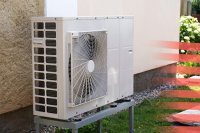
Energy-efficient heating systems are not just a modern trend; they have become a necessity for homeowners and businesses looking to reduce energy costs, improve indoor comfort, and create more sustainable buildings.
Heating systems represent a significant part of energy consumption in residential and commercial properties. Therefore, choosing the right heating solution can make a major difference in both operating costs and overall comfort.
The most popular energy-efficient heating solutions include:
Heat Pumps: Move existing heat from one place to another instead of generating heat, providing significant energy savings.
Geothermal Heating Systems: Use the stable temperature of the ground to provide highly efficient heating.
Radiant Floor Heating: Provides even heat distribution and improved indoor comfort.
High-Efficiency Furnaces and Boilers: Deliver more heat while consuming less energy.
Wood Pellet Stoves: Use renewable fuel sources and offer an economical heating alternative.
These technologies help control indoor temperatures efficiently while reducing environmental impact.
Understanding Energy-Efficient Heating Systems
Among modern heating technologies, three systems stand out for combining comfort, energy savings, and sustainability:
Heat pumps;
Geothermal heating systems;
Radiant floor heating.
Each system has unique advantages and can significantly reduce heating costs when properly designed and installed.
1. Heat Pumps
Heat pumps are one of the most efficient modern heating solutions available today.
Unlike traditional heating systems, heat pumps do not generate heat. Instead, they transfer heat from one location to another.
During winter:
The system extracts heat from outdoor air or the ground;
Transfers this heat into the building.
During summer:
The system operates in reverse mode;
Works as an air-conditioning solution.
Air-Source Heat Pumps
Air-source heat pumps are among the most widely used heating technologies.
Advantages:
Easy installation;
Lower energy consumption;
Efficient operation in different climates.
Modern air-source heat pumps can provide effective heating even in colder regions thanks to advanced technology.
Geothermal Heat Pumps
Geothermal heat pumps use the constant temperature beneath the earth’s surface to provide heating and cooling.
A network of underground pipes transfers heat between the ground and the building.
Advantages:
Extremely high efficiency;
Lower energy costs;
Long service life;
Environmentally friendly operation.
Although the initial installation cost is higher, geothermal systems can provide significant savings over time through reduced energy consumption.
2. Geothermal Heating Systems
Geothermal systems are considered one of the most efficient heating solutions available.
The temperature below the earth’s surface remains relatively stable throughout the year, allowing these systems to provide reliable heating and cooling.
Main benefits:
High Efficiency
Geothermal systems can transfer several times more energy than they consume.
This results in:
Lower electricity bills;
Reduced heating costs;
Improved energy performance.
Environmental Benefits
Geothermal systems:
Reduce dependence on fossil fuels;
Lower carbon emissions;
Create a more sustainable heating solution.
3. Radiant Floor Heating Systems
Radiant floor heating is a modern heating method that distributes warmth evenly throughout a room.
The system works by circulating warm water through pipes installed beneath the floor surface.
Heat rises gradually from the floor, creating a comfortable indoor environment.
Advantages:
Improved Comfort
Radiant floor heating provides:
Even temperature distribution;
No cold spots;
Comfortable warmth underfoot.
Energy Efficiency
Compared with traditional heating systems, radiant floors operate at lower temperatures while maintaining excellent comfort levels.
They can also be combined with:
Solar panels;
Renewable energy systems.
This combination can further improve overall energy efficiency.
4. High-Efficiency Heating Boilers and Furnaces
Boilers and furnaces remain among the most common heating solutions for residential and commercial buildings.
Modern technology has improved their efficiency, allowing them to provide more heat while using less fuel.
Gas Heating Systems
Gas-powered heating systems are widely used in many buildings.
Advantages:
High efficiency;
Reliable heating performance;
Lower fuel consumption.
Modern high-efficiency models can achieve excellent efficiency ratings while maintaining stable indoor temperatures.
Electric and Oil-Fired Heating Systems
Electric Heating Systems:
Advantages:
Safe operation;
No combustion gases;
Low maintenance requirements.
However, operating costs may increase depending on electricity prices.
Oil-Fired Heating Systems:
These systems are often used in areas where natural gas infrastructure is unavailable.
Advantages:
Strong heating performance;
Reliable operation;
Suitable for different building types.
5. Wood Pellet Stoves
Wood pellet stoves are an environmentally friendly and cost-effective heating option.
They operate using compressed wood pellets made from recycled wood materials and organic waste.
Advantages:
Renewable Energy Source
Pellets are produced from:
Wood waste;
Recycled materials.
This makes them a more sustainable alternative to traditional fuels.
Cost Efficiency
Pellet heating systems are especially suitable for:
Private homes;
Rural buildings;
Areas where pellet fuel is easily available.
How to Maximize Heating System Efficiency
Choosing an efficient heating system is important, but proper operation and maintenance are equally essential.
1. Proper Thermostat Settings
Correct thermostat management can significantly reduce energy consumption.
Recommended practices:
Lower the temperature when nobody is home;
Reduce temperature during sleeping hours;
Install smart thermostats.
Benefits of Smart Thermostats:
Automatically adjust temperatures;
Learn user habits;
Reduce heating expenses;
Improve comfort.
2. Regular Equipment Maintenance
Regular maintenance ensures that heating systems continue working efficiently.
Important maintenance steps include:
Cleaning or replacing filters;
Checking system performance;
Professional inspections.
Dirty filters restrict airflow and force equipment to work harder, increasing energy consumption.
Regular maintenance helps:
Extend equipment lifespan;
Prevent unexpected failures;
Reduce operating costs.
3. Proper Building Insulation
High-quality insulation is one of the most important factors in improving energy efficiency.
Good insulation helps:
Keep warm air inside during winter;
Maintain cooler indoor temperatures during summer;
Reduce heating and cooling costs.
Important areas to insulate:
Walls;
Roofs;
Windows and doors.
Even small gaps can cause significant heat loss.
Frequently Asked Questions About Energy-Efficient Heating Systems
What is the most energy-efficient heating system?
The most efficient heating solutions include:
Heat pumps;
Geothermal systems;
Radiant floor heating.
Heat pumps are especially efficient because they transfer existing heat instead of generating it, which requires less energy.
What is the cheapest and most efficient heating system?
The best option depends on the building type, climate, and energy availability.
For smaller spaces:
Infrared heaters;
Electric radiators
can be practical solutions.
For long-term energy savings:
Geothermal systems;
Heat pumps
often provide better financial benefits.
What is the most efficient electric heating system?
Among electric heating solutions, the most efficient options include:
Electric Radiators
Advantages:
Easy installation;
Suitable for small spaces;
Compatible with smart thermostats.
Infrared Heating Panels
Advantages:
Heat people and objects directly;
Reduce energy waste;
Provide modern design options.
Energy-efficient heating systems help reduce energy costs while creating more comfortable, sustainable, and environmentally friendly buildings.
Modern solutions such as:
Heat pumps;
Geothermal heating systems;
Radiant floor heating;
High-efficiency boilers
play an important role in improving building energy performance.
A properly selected and professionally installed heating system provides:
Long-term savings;
Reliable performance;
Better indoor comfort;
Reduced environmental impact.
Investing in energy-efficient heating technology is not only a financial decision but also an important step toward a more sustainable future.
Other Manufacturing Sectors
Measurement Equipment and Safety Valves: Safety and Control in Heating Systems
The Role and Importance of Expansion Tanks in Heating Systems
6 signs your building needs better ventilation

How to choose the right ductwork?
Types of Bolts: Components, Sizes, and Applications
Threaded Rod: Types, Applications, and Selection Guide
The importance of material selection in mechanical engineering: Ensuring optimal performance and longevity
Insulated vs Non-Insulated flexible ducting | Buyer's guide
10 Key Factors to Consider When Choosing a Good Industrial Steam Boiler
10 Smart Ways to Improve Home Energy Efficiency Without Replacing Your Boiler
The importance of proper mechanical process installations

What are VRF systems and which buildings are they suitable for?
Advantages of insulated air ducts and why they are important
Energy-efficient heating systems: Which solutions are the most effective?
What are MEP systems and why are they important in construction projects?
The role of ventilation systems in creating a healthy and comfortable environment

Thermal Insulation: What Is It and How Is It Used?

What are accumulation tanks and why are they worth using?
Ofislərdə düzgün soyutma sistemi məhsuldarlığa necə təsir edir?

HVAC sistemlərinin ağıllı ev sistemləri ilə inteqrasiyası
Breathing made easy: the undeniable benefits of a home ventilation system.
What are ball valves and how do they work?
Comparison of threaded pipe and welded pipe: which is better for your project?
The role of ventilation in ensuring fire safety and smoke control.
How good air circulation improves your shopping experience?
Duct fans: comprehensive applications and points to consider
Ventilation in hospitals and healthcare facilities
Boiler or stove: how to decide?
What type of heating is best for an old house?
How to calculate the required boiler capacity?