


Types of Electric Heaters
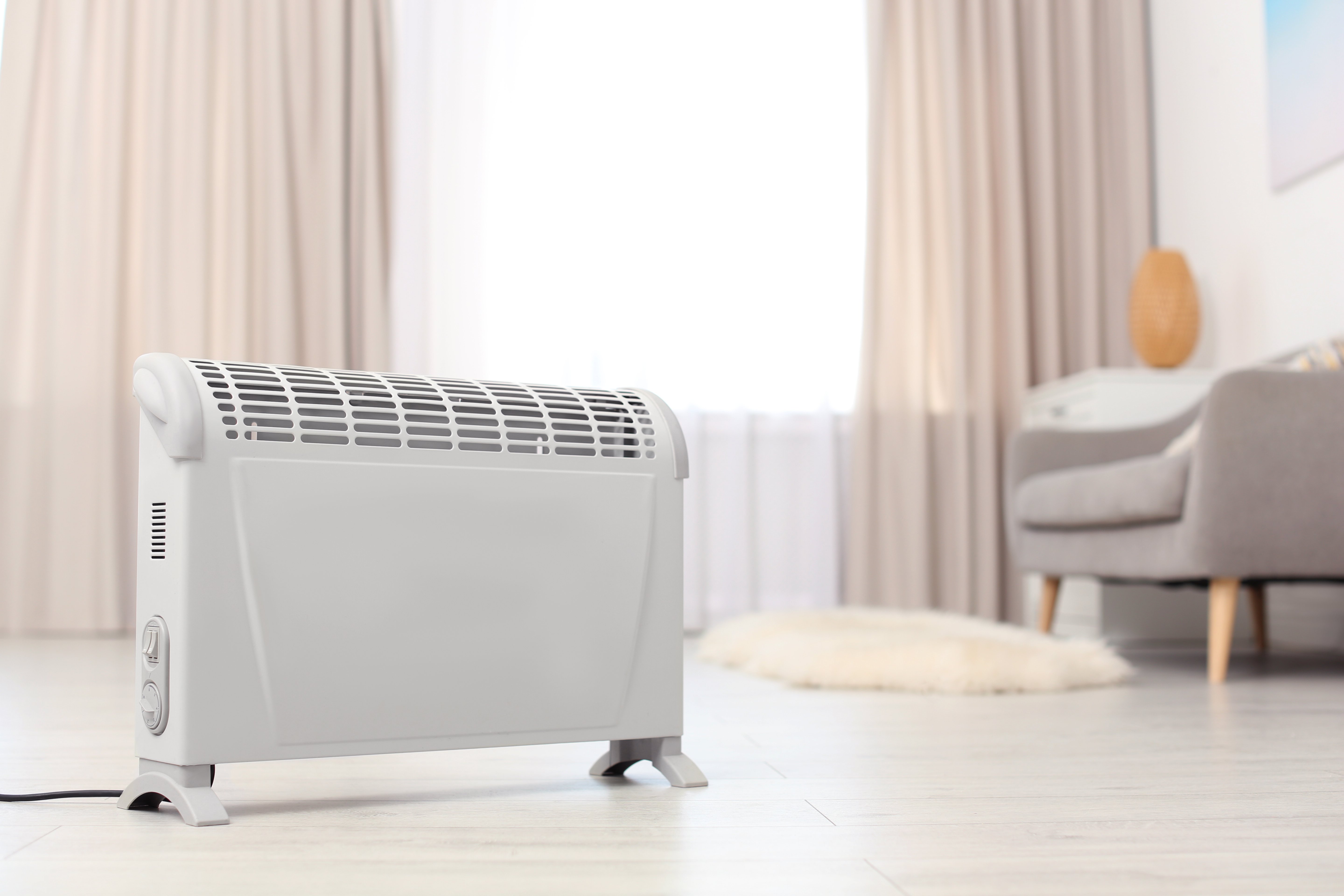
The selection and purchase of a quality home heater should be taken seriously.
If you are looking for an energy-efficient option that will reliably serve as an additional heat source at home during winter, rather than a quick solution that will increase your electricity costs, it is advisable to think about this in advance.
When choosing an additional heating device for the living room or office, perhaps the most convenient and obvious solution is an electric model. It requires no structural modifications — only a power source is needed. But among the many options available, which electric model should you choose? We present a useful guide on the types of electric heaters!
What types of electric heaters are available?
Household appliances are divided into types of home heating based on various criteria: heating technology, installation method, and purpose of use. Let’s take a look at all possible electric heating options for the home based on their characteristics:
• Heating technology
The most common classification divides them into types based on heat distribution methods and technologies:
Air heating: all fan heater models can be classified under this type of device.
Convection: this type of transfer is used in oil and convection radiators.
IR radiation: this heating technology is typical for infrared models, which can be produced in the form of lamps or ultra-thin panels.
Combination of convection and IR radiation: new-generation heating devices use this heat transfer method, which includes heating objects in the room through radiation and then distributing heat into the air and naturally transferring warmth.
• Installation methods
Regardless of the heating method, all types of heaters can have different installation methods and may be floor-standing, wall-mounted, tabletop, or ceiling-mounted. Among them are portable, easy-to-move, or permanently fixed models.
• Usage features
The place where the device will be used is very important: its purpose and area. An infrared model with directional heating or a fan heater can be suitable for open office spaces, while for a house or city apartment with a central heating system, an infrared panel made of glass or ceramic can serve as an additional electric heat source. A country house may require a combination of several devices at once.
Different types of electric models based on heating technology
Fan heater
A fan heater is the simplest and most affordable type of heating device. The model mainly combines a heating element and a fan placed in a plastic or metal корпус. Airflow is created by the fan, and as it passes through the heating components, it warms up and spreads evenly throughout the space. It is a lightweight and compact device that quickly distributes warm air throughout the room. However, its power may not be sufficient to heat a large room, so it is better used as an additional heater or for heating small spaces. This device burns the air and may produce an unpleasant burning smell during operation. This occurs when household dust comes into contact with the unprotected heating element.
Depending on the type of heating element, fan heaters are divided into two main groups: spiral or ceramic plates. Ceramic fan heaters are more comfortable and safer, as they operate at a relatively lower temperature, preventing excessive “burning” of oxygen and increasing their service life.
Oil heater
An oil heater is similar in appearance and working principle to a central heating radiator, but instead of water, it contains oil and an electric heating element that warms it. The oil heats the radiator корпус, and then the surrounding air. There is no exposed heating element in the radiator, so nothing dangerous happens if a newspaper or blanket falls on it. The oil radiator does not burn oxygen, so it can be used for long periods in rooms where people are present. Improved oil radiators are equipped with thermostats that allow regulation of heating intensity and prevent overheating, and some models feature programmable timers and LCD displays. It should be noted that an oil radiator is not the most mobile device, and moving it from one room to another or storing it for summer may be difficult.
Convection heaters
Its working principle is based on convection, and heat is distributed through the movement of air masses. The корпус of the convector is designed to allow cold air to enter through lower openings, come into contact with the heating element, and then exit through upper vents after being heated. Due to the directed movement of warm air, the space heats up quickly and evenly. Heating a room with a convector takes only a few minutes, and using the built-in thermostat, you can precisely select and maintain the desired temperature level throughout operation. As a rule, an electric convector is a fairly lightweight wall-mounted model, distinguished by a shape that better fits modern interiors compared to traditional oil heaters and by its compact size. It can be installed both on the floor and on any vertical surface: a mounting frame is fixed with screws, and the convector is placed on it.
Infrared heaters
In a classic infrared model, special lamps that emit in a spectrum invisible to the human eye and produce a large amount of heat are used as the heating element. Infrared models often require professional installation and are usually mounted on walls or ceilings. When properly installed, they can save up to 70% of electricity (and therefore reduce your electricity bill) compared to other types of heaters.
An infrared heater does not heat the surrounding air but rather the objects it is directed at. It emits heat energy that is absorbed by surrounding surfaces (floor, walls, furniture, etc.) like the sun. Thermal radiation, like ordinary light, is not absorbed by air, so all energy from the infrared model reaches heated surfaces and people without loss. At the same time, the average room temperature may be 2–3 degrees lower than optimal, but due to the direct absorption of energy from the infrared model, a person in its зоне воздействия will still feel comfortable.
Modern models are often designed as ceramic or tempered glass infrared panels, making them highly suitable for residential interiors.
Micathermic heaters
This is the latest generation of heating devices. It operates based on a combination of infrared waves (80%) and convection (up to 20%). Initial heating is carried out by exposing surrounding surfaces, including walls, to infrared radiation.
The main advantage of micathermic models is the low temperature of the корпус during operation. Thanks to this, families with small children can safely use the device without concern for safety.
The device consists of a plate with a mica coating that contains a heating element inside. Mica is a natural material with unique properties, which is why it is used as a first-class thermal and electrical insulation material. It is often used as an electrical insulator in many devices.
In micathermic models, the mica panel completely covers the device. As a result, the temperature of the heater’s корпус does not overheat, and even if you accidentally touch the working device, the risk of burns or electric shock is almost nonexistent.
Other Manufacturing Sectors
Why your air conditioner Is running but not cooling the room

Why does condensation form on windows and how can you prevent it?

How to Reduce Energy Losses in Local Exhaust Ventilation Systems
How to Choose the Right Material for HVAC Pipes
Enhancing workplace efficiency: The strategic importance of selecting quality flexible air ducts
What is a boiler room system and how do you choose the right equipment for your project?
Measurement Equipment and Safety Valves: Safety and Control in Heating Systems
The Role and Importance of Expansion Tanks in Heating Systems
6 signs your building needs better ventilation

How to choose the right ductwork?
Types of Bolts: Components, Sizes, and Applications
Threaded Rod: Types, Applications, and Selection Guide
The importance of material selection in mechanical engineering: Ensuring optimal performance and longevity
Insulated vs Non-Insulated flexible ducting | Buyer's guide
10 Key Factors to Consider When Choosing a Good Industrial Steam Boiler
10 Smart Ways to Improve Home Energy Efficiency Without Replacing Your Boiler
The importance of proper mechanical process installations

What are VRF systems and which buildings are they suitable for?
Advantages of insulated air ducts and why they are important
Energy-efficient heating systems: Which solutions are the most effective?
What are MEP systems and why are they important in construction projects?

The role of ventilation systems in creating a healthy and comfortable environment

Thermal Insulation: What Is It and How Is It Used?

What are accumulation tanks and why are they worth using?
Ofislərdə düzgün soyutma sistemi məhsuldarlığa necə təsir edir?

HVAC sistemlərinin ağıllı ev sistemləri ilə inteqrasiyası
Breathing made easy: the undeniable benefits of a home ventilation system.
What are ball valves and how do they work?
Comparison of threaded pipe and welded pipe: which is better for your project?
The role of ventilation in ensuring fire safety and smoke control.
How good air circulation improves your shopping experience?
Duct fans: comprehensive applications and points to consider
Ventilation in hospitals and healthcare facilities

Boiler or stove: how to decide?
What type of heating is best for an old house?
How to calculate the required boiler capacity?

Boiler pressure keeps dropping — what is the reason?
Why Does My Boiler Keep Turning Off?
Boiler Size; This Really Matters
Choosing the Right Boiler Size for Your Home

Should I Keep The Boiler Running Continuously?
Noisy Boiler: Possible Causes And Solutions
The Importance of the Expansion Tank
How to Keep Your Pipes Warm in Winter: Tips to Prevent Freezing
Types of Electric Heaters
Can you dry clothes on bathroom towel radiators?
Common Insulation Problems
The Importance of Proper Insulation in Home Heating
Combi Boiler vs System Boiler: Which Is Best for Your Home?
How to Prepare Your Home for HVAC Installation: 9 Essential Tips
HVAC for New Construction: What You Need to Know

How to choose the best boilers for schools in 2026?
How to clean a gas boiler?
What is mechanical ventilation?
How to improve air quality during allergy season

The truth behind common myths about air purifiers

Choosing Clamps for Professionals: Structure, Types and Applications

The Role and Importance of Measurement Equipment in Industry
Safety Gloves: A Small Tool, Big Protection
Your Home’s “Thermos” Effect: The Secret to Staying Warm in Winter and Cool in Summer
Practical Guide: Maintenance, Efficiency, and Safety of Boiler Room Systems

The Hidden Heroes of Our Home: Radiators

How Radiators Work: The Heat Distributors of Your Home

Boiler Rooms Explained: The Core of Home Heating

Energy-Efficient Home Heating Options: A Complete Guide

Why Is Regular Maintenance of HVAC Systems Important?

Control and Safety Devices in the Boiler Room: Essential Components for Your System

What is HVAC? Fundamentals of Heating and Cooling Systems

The ventilation systems in large buildings

Radiators vs Underfloor Heating: Which Works Better with Heat Pumps?

Radiators and Heating Systems: Comfortable and Energy-Efficient Solutions for Your Home

HVAC Pipe Insulation – Energy Saving and Stable Temperature Maintenance

What Don’t We Know About Ventilation Systems?

The Importance of Insulation for Energy Efficiency

Şüşə Yunu ilə Boru İzolyasiyası Nədir və Niyə Vacibdir?

Hansı radiator daha yaxşıdır?

What are heating systems for?

Havalandırma avadanlıqları nə üçündür?

Ventilation Systems

Heating systems - Models and prices

Heating systems

Havalandırma sistemləri (Havalandirma sistemleri)

Boru armaturları və fittinqləri

Qazanxana nədir?

Mechanical and Natural Ventilation: Which Is More Effective?

Ways to Save Energy with Smart Heating Systems

Effective Cooling Solutions for Commercial Properties

Boiler, Air Conditioning, and Ventilation System: How Are They Controlled Simultaneously?

Alternative Energy Sources in Heating and Cooling: Technologies of the Future
