The role of ventilation in ensuring fire safety and smoke control.
Fire safety is really important during the design and maintenance of buildings.
One of the things that ensures people’s safety is making sure that smoke is kept under control. While having measures to protect against fires is good, having a plan to deal with smoke during a fire is just as important.
This is where ventilation systems come into play.
In this article, we will talk about how important ventilation is for fire safety and some recommendations for ensuring smoke control. We will also look at the benefits of implementing good smoke control measures.
Understanding the Importance of Ventilation in Fire Safety.
When a fire breaks out in a building, it is not the flames that pose the main danger to people. It is breathing smoke that causes deaths in fires. Smoke contains substances that make it hard to see, difficult to escape, and harmful to your lungs.
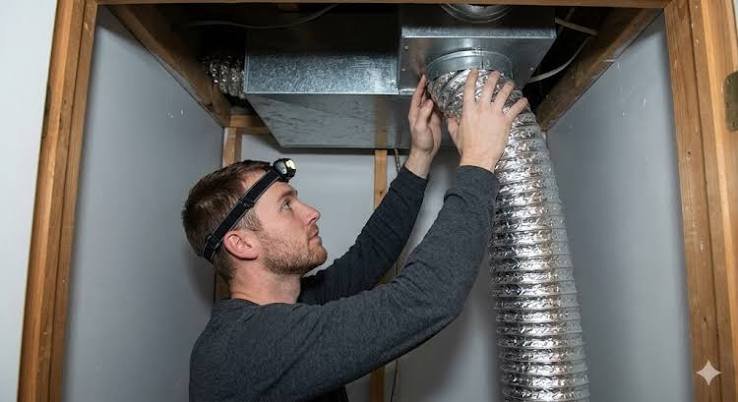
Ventilation systems are really important here. If they are properly designed and maintained, they can help control where the smoke goes and prevent it from getting trapped in corridors and common areas. Instead, smoke is directed away from people, making it safer for them to leave the building.
Benefits of Effective Smoke Control Through Ventilation.
Improving Escape Routes:
When a fire occurs, having clear exit routes is very important. Good ventilation ensures that smoke does not block the way so that people can exit quickly and safely.
Improving Visibility:
When there is smoke, it can be frightening. Good ventilation makes it easier to see, which helps people escape and helps firefighters do their job.
Reducing Health Risks:
Smoke contains substances that can make you very ill. By controlling smoke through ventilation systems, the risk of inhaling harmful substances and getting sick is reduced.
Makes Firefighting Easier:
When firefighters enter a building, good ventilation systems can help remove smoke, making it easier for them to see and extinguish the fire.
In a large fire, if there is no ventilation, it can be more difficult to put it out. If the smoke is not properly managed, it can lead to a large explosion. This is something we really want to avoid.
Protection of Property:
Smoke can damage things that are not even near the fire. Good smoke control helps prevent smoke from spreading, which protects property and reduces repair costs.
Tips for Effective Smoke Control Through Ventilation.
Early Integration:
We need to think about smoke control when designing a building. This means selecting ventilation systems and designing the building in a way that prevents smoke from spreading.
Zoning and Compartmentalization:
Dividing the building into sections can help prevent smoke from spreading. We can use doors and walls to stop smoke from moving into other areas.
Natural and Mechanical Ventilation:
We should consider using both natural and mechanical ventilation. Natural ventilation uses wind, while mechanical systems give us control.
Smoke Extraction Systems:
We can use systems that remove smoke from the building and replace it with clean air. These systems are especially useful in buildings.
Regular Maintenance:
Like other systems in a building, ventilation systems must be maintained regularly. This ensures they work properly during emergencies.
Final Thoughts.
Ventilation is really important for fire safety. It helps people escape safely, reduces health risks, and helps firefighters do their job.
We need to make architects, building owners, and managers understand how important ventilation systems are. They must ensure these systems are properly designed, installed, and maintained so that everyone in the building is safe.
Other Manufacturing Sectors
How to Reduce Energy Losses in Local Exhaust Ventilation Systems
How to Choose the Right Material for HVAC Pipes
Enhancing workplace efficiency: The strategic importance of selecting quality flexible air ducts
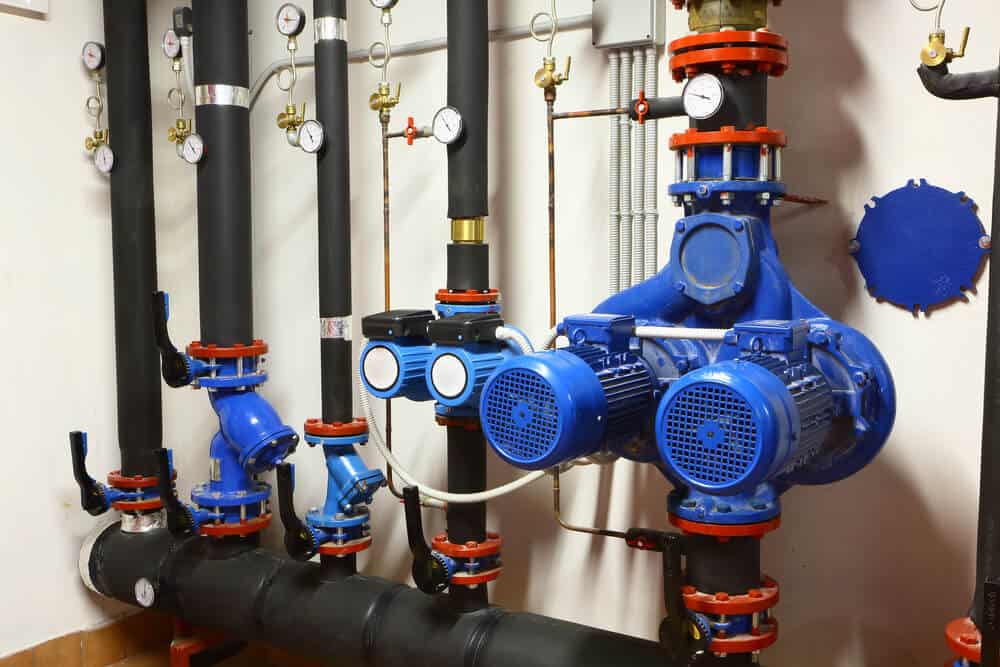
What is a boiler room system and how do you choose the right equipment for your project?
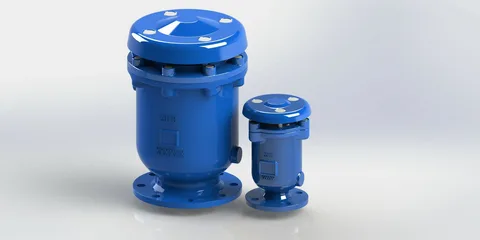
Measurement Equipment and Safety Valves: Safety and Control in Heating Systems
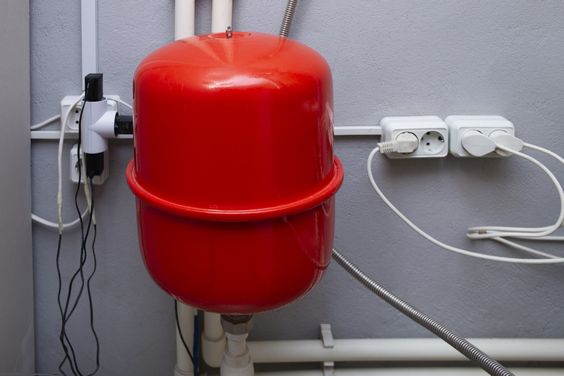
The Role and Importance of Expansion Tanks in Heating Systems
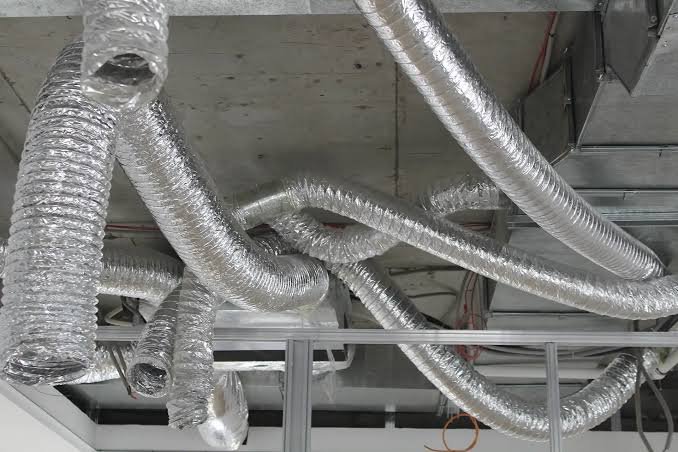
6 signs your building needs better ventilation

How to choose the right ductwork?
Types of Bolts: Components, Sizes, and Applications
Threaded Rod: Types, Applications, and Selection Guide
The importance of material selection in mechanical engineering: Ensuring optimal performance and longevity
Insulated vs Non-Insulated flexible ducting | Buyer's guide
10 Key Factors to Consider When Choosing a Good Industrial Steam Boiler
10 Smart Ways to Improve Home Energy Efficiency Without Replacing Your Boiler
The importance of proper mechanical process installations

What are VRF systems and which buildings are they suitable for?
Advantages of insulated air ducts and why they are important
Energy-efficient heating systems: Which solutions are the most effective?
What are MEP systems and why are they important in construction projects?
The role of ventilation systems in creating a healthy and comfortable environment

Thermal Insulation: What Is It and How Is It Used?

What are accumulation tanks and why are they worth using?
Ofislərdə düzgün soyutma sistemi məhsuldarlığa necə təsir edir?

HVAC sistemlərinin ağıllı ev sistemləri ilə inteqrasiyası
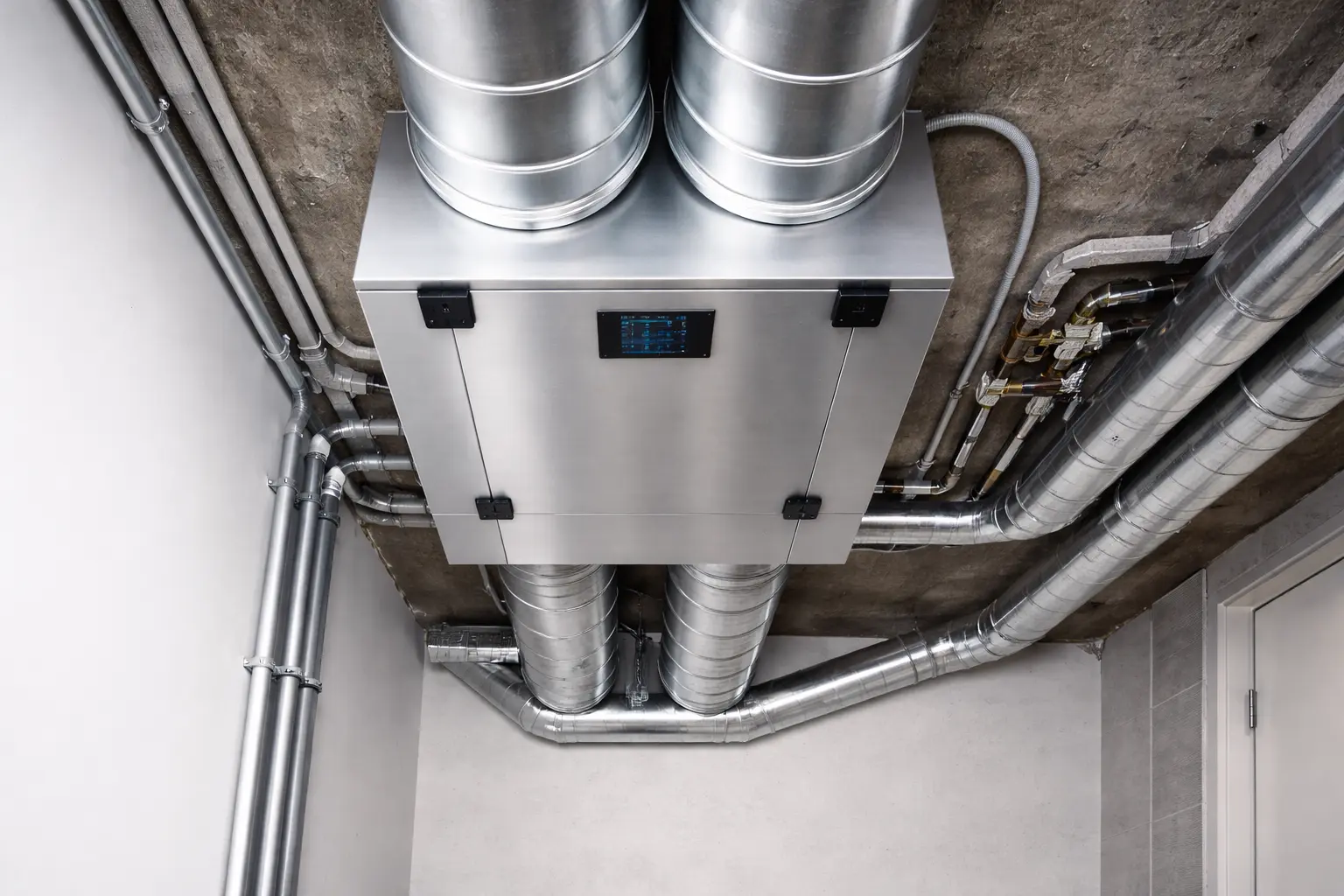
Breathing made easy: the undeniable benefits of a home ventilation system.
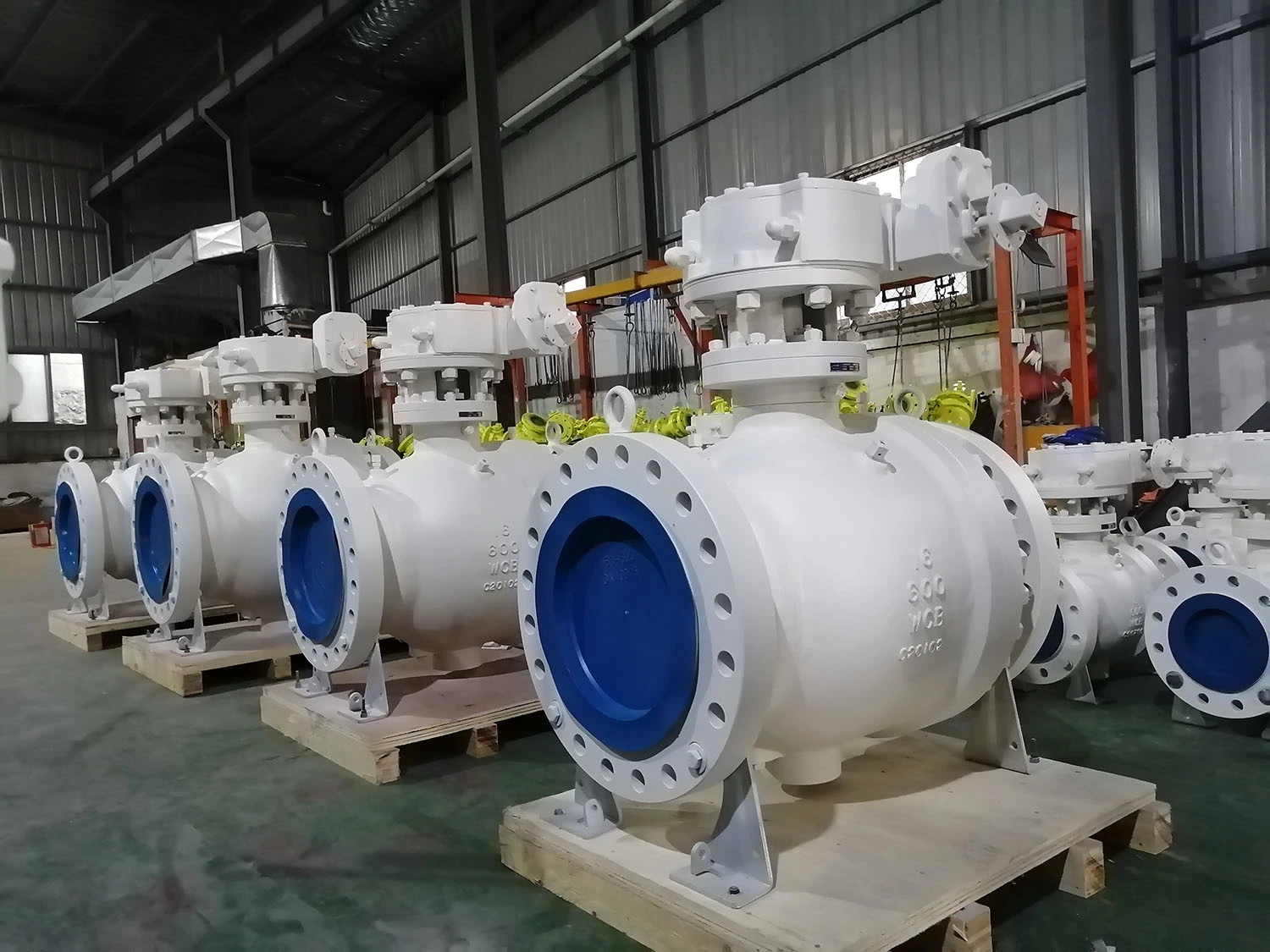
What are ball valves and how do they work?
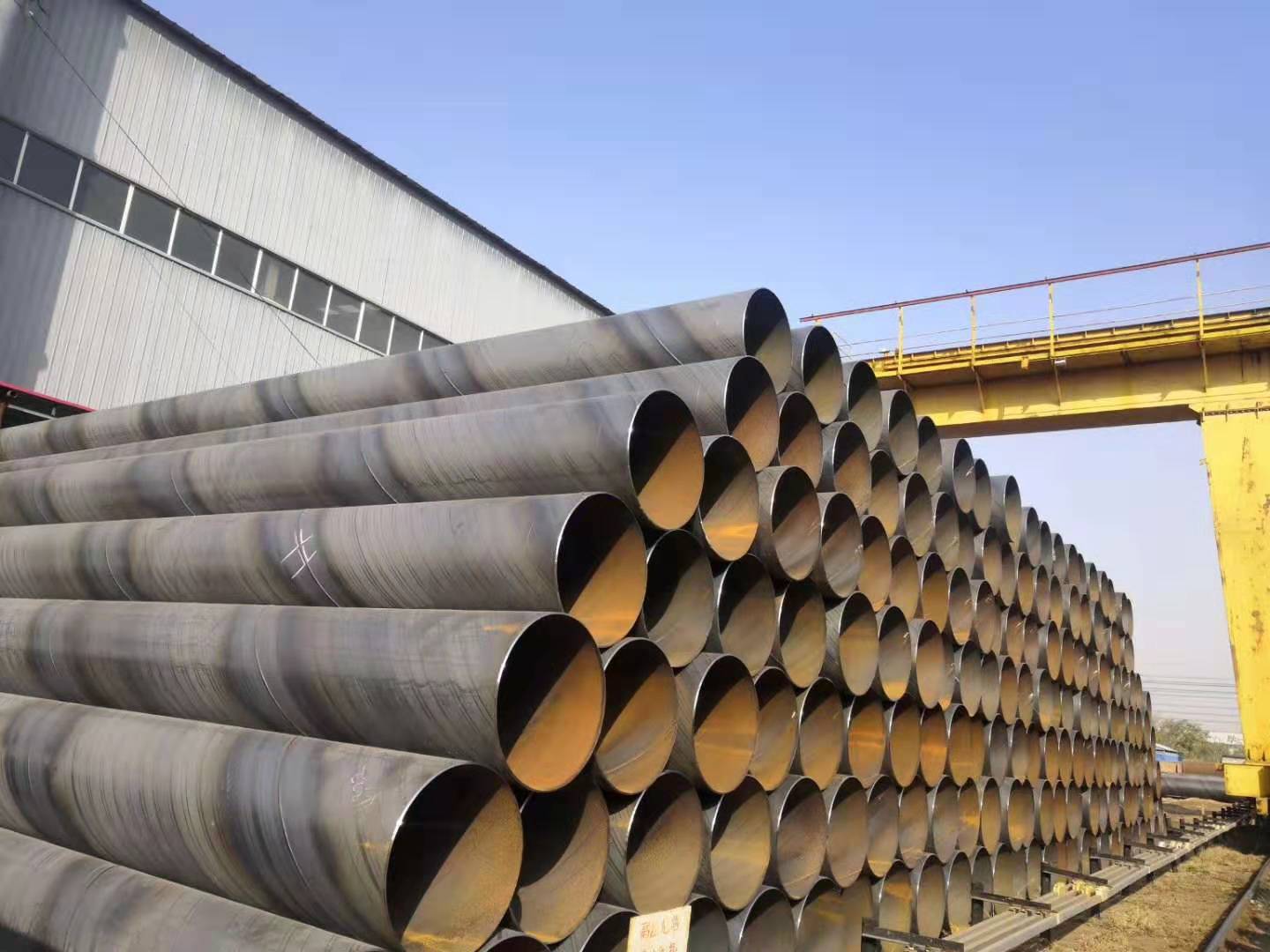
Comparison of threaded pipe and welded pipe: which is better for your project?
The role of ventilation in ensuring fire safety and smoke control.
How good air circulation improves your shopping experience?
Duct fans: comprehensive applications and points to consider