


How to choose the right ventilation system for offices, warehouses and restaurants
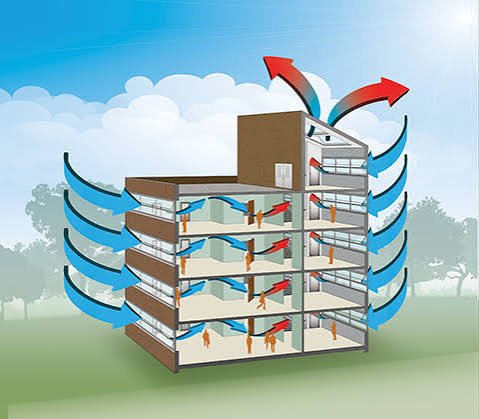
Ventilation Isn’t One-Size-Fits-All
— And That’s Where Most Businesses Go Wrong
When businesses start thinking about ventilation, it is usually because something does not feel right. The air feels stale. The space becomes stuffy. Staff complain about heat, unpleasant smells or fatigue. Sometimes, a building inspection may also identify concerns related to airflow.
At that point, the natural reaction is to think: “We just need better ventilation.”
But there is an important point to consider — there is no single ventilation system that works for every building. Offices, warehouses and restaurants have completely different requirements, and choosing the wrong system can result in additional costs, poor performance and ongoing comfort problems.
The good news is that once you understand what each space actually needs, choosing the right system becomes much easier.
Why Does Ventilation Matter More Than Most People Realize?
Ventilation is not simply about bringing fresh air into a space. It plays an important role in comfort, health, productivity and even energy efficiency.
Effective ventilation helps remove stale air, excess heat, fumes, unpleasant odors and moisture. It helps keep CO₂ levels under control, reduces airborne pollutants and makes indoor spaces feel cleaner and fresher.
When ventilation is properly designed, people feel more comfortable and can focus better on their work. On the other hand, poorly ventilated buildings can feel heavy, uncomfortable and tiring, even when the temperature shown on the thermostat appears normal.
What Do Offices Really Need from a Ventilation System?
Office environments usually have a high number of occupants for long periods of time. In addition, computers, printers and other equipment generate additional heat. Because windows are often kept closed for security, noise reduction or temperature control, stale air can quickly build up.
For offices, the main priority is usually a consistent supply of fresh air. Air quality should remain high without creating uncomfortable drafts or sudden temperature changes. The goal is to maintain a comfortable environment throughout the day while working together with the air conditioning system to manage heat loads.
Modern mechanical ventilation systems are often an ideal solution for this purpose. They can provide a consistent supply of fresh air while also helping to manage energy consumption more efficiently.
Why Is Warehouse Ventilation Completely Different?
In warehouses and industrial facilities, the main focus is on space and proper airflow management.
Large open areas, high ceilings, machinery, vehicles and varying temperature levels can cause air to become stagnant or excessively warm in certain areas. Poor ventilation in warehouses can lead to heat accumulation, condensation and uncomfortable working conditions.
In these spaces, ventilation systems need to focus on moving large volumes of air efficiently, removing heat and pollutants, while maintaining balanced airflow throughout the facility.
The right system improves working conditions, protects equipment and creates a safer and more comfortable environment for employees.
Why Does Restaurant Ventilation Require a Special Approach?
Restaurants are among the most demanding environments when it comes to ventilation.
Heat from cooking equipment, steam, smoke, grease particles and strong odors can cause indoor air quality to deteriorate quickly if the system is not properly designed.
An effective restaurant ventilation system needs to efficiently extract contaminated air and replace it with fresh air without negatively affecting comfort in dining areas.
This is why professionally designed extraction and ventilation systems are essential for maintaining customer comfort and meeting health and safety requirements.
How Does Ventilation Work More Effectively with Air Conditioning?
One of the most common misconceptions is that ventilation replaces air conditioning, or that air conditioning eliminates the need for ventilation.
In reality, these systems work more effectively together.
Ventilation introduces fresh air into the building and removes pollutants. Air conditioning controls the temperature and humidity of that air, helping maintain a comfortable indoor environment throughout the year.
When these systems are designed as an integrated solution, they can provide greater comfort, improved energy efficiency and a healthier indoor environment.
What Should Influence Your Ventilation System Choice?
Instead of viewing ventilation simply as a product, it is better to consider it as a solution designed around the specific characteristics of the building.
Factors such as building size, layout, number of occupants, heat-generating equipment, usage patterns and future plans can all influence which system is most suitable.
For this reason, professional assessment is extremely important. A properly designed system does not simply solve the current problem — it can also provide reliable and stable performance for many years.
Why Is Professional Design So Important?
A properly designed and installed ventilation system is almost invisible — the space simply feels more comfortable, fresher and more suitable for working.
Poorly designed ventilation, on the other hand, can result in noise, drafts, uneven airflow and ongoing complaints.
Investing in proper system design from the beginning can save money in the long term, improve system performance and reduce the need for constant adjustments and modifications later on.
Other Manufacturing Sectors
How to choose the right ventilation system for offices, warehouses and restaurants
Critical components of hospital ventilation systems that require regular testing
Top 5 Ways to Improve Energy Efficiency in Commercial Buildings

Why your air conditioner Is running but not cooling the room

Why does condensation form on windows and how can you prevent it?

How to Reduce Energy Losses in Local Exhaust Ventilation Systems
How to Choose the Right Material for HVAC Pipes
Enhancing workplace efficiency: The strategic importance of selecting quality flexible air ducts
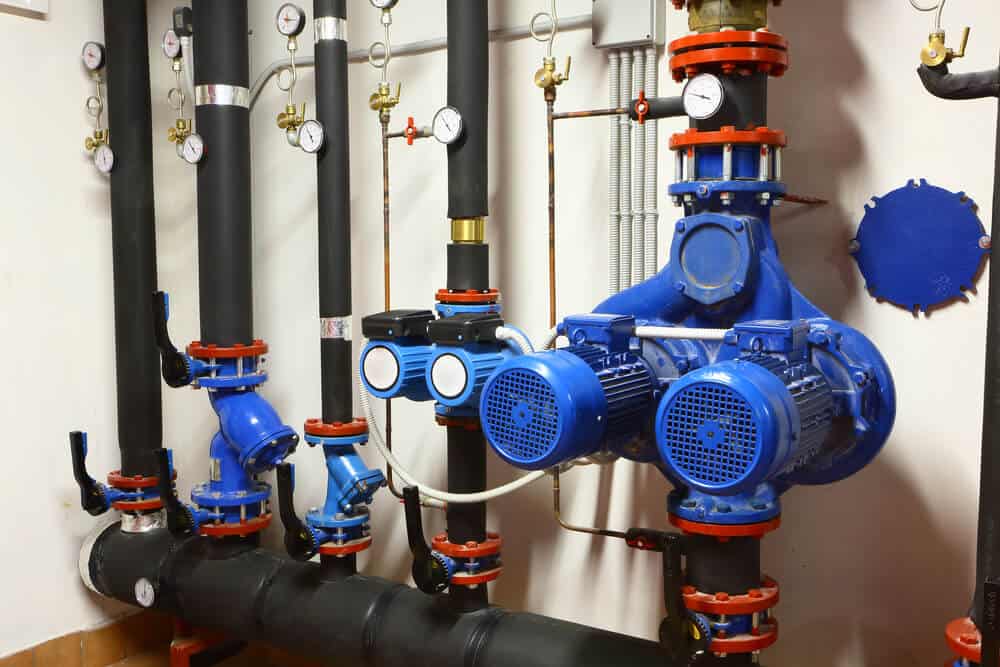
What is a boiler room system and how do you choose the right equipment for your project?
Measurement Equipment and Safety Valves: Safety and Control in Heating Systems
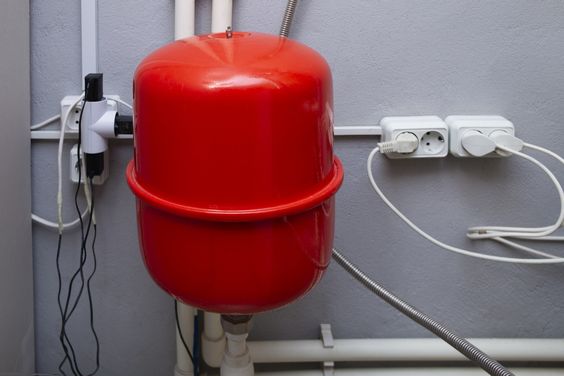
The Role and Importance of Expansion Tanks in Heating Systems
6 signs your building needs better ventilation

How to choose the right ductwork?
Types of Bolts: Components, Sizes, and Applications
Threaded Rod: Types, Applications, and Selection Guide
The importance of material selection in mechanical engineering: Ensuring optimal performance and longevity
Insulated vs Non-Insulated flexible ducting | Buyer's guide
10 Key Factors to Consider When Choosing a Good Industrial Steam Boiler
10 Smart Ways to Improve Home Energy Efficiency Without Replacing Your Boiler
The importance of proper mechanical process installations

What are VRF systems and which buildings are they suitable for?
Advantages of insulated air ducts and why they are important
Energy-efficient heating systems: Which solutions are the most effective?
What are MEP systems and why are they important in construction projects?
The role of ventilation systems in creating a healthy and comfortable environment

Thermal Insulation: What Is It and How Is It Used?

What are accumulation tanks and why are they worth using?
Ofislərdə düzgün soyutma sistemi məhsuldarlığa necə təsir edir?

HVAC sistemlərinin ağıllı ev sistemləri ilə inteqrasiyası

Breathing made easy: the undeniable benefits of a home ventilation system.
What are ball valves and how do they work?
Comparison of threaded pipe and welded pipe: which is better for your project?
The role of ventilation in ensuring fire safety and smoke control.
How good air circulation improves your shopping experience?
Duct fans: comprehensive applications and points to consider
Ventilation in hospitals and healthcare facilities
Boiler or stove: how to decide?
What type of heating is best for an old house?
How to calculate the required boiler capacity?

Boiler pressure keeps dropping — what is the reason?
Why Does My Boiler Keep Turning Off?

Boiler Size; This Really Matters
Choosing the Right Boiler Size for Your Home

Should I Keep The Boiler Running Continuously?
Noisy Boiler: Possible Causes And Solutions
The Importance of the Expansion Tank
How to Keep Your Pipes Warm in Winter: Tips to Prevent Freezing
Types of Electric Heaters
Can you dry clothes on bathroom towel radiators?
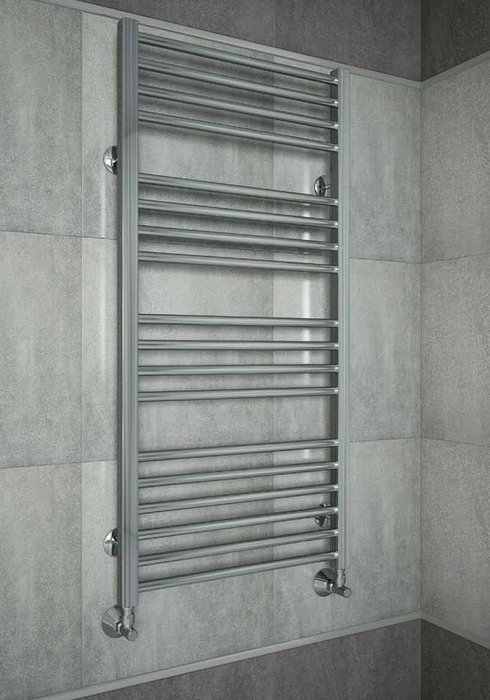
Common Insulation Problems

The Importance of Proper Insulation in Home Heating
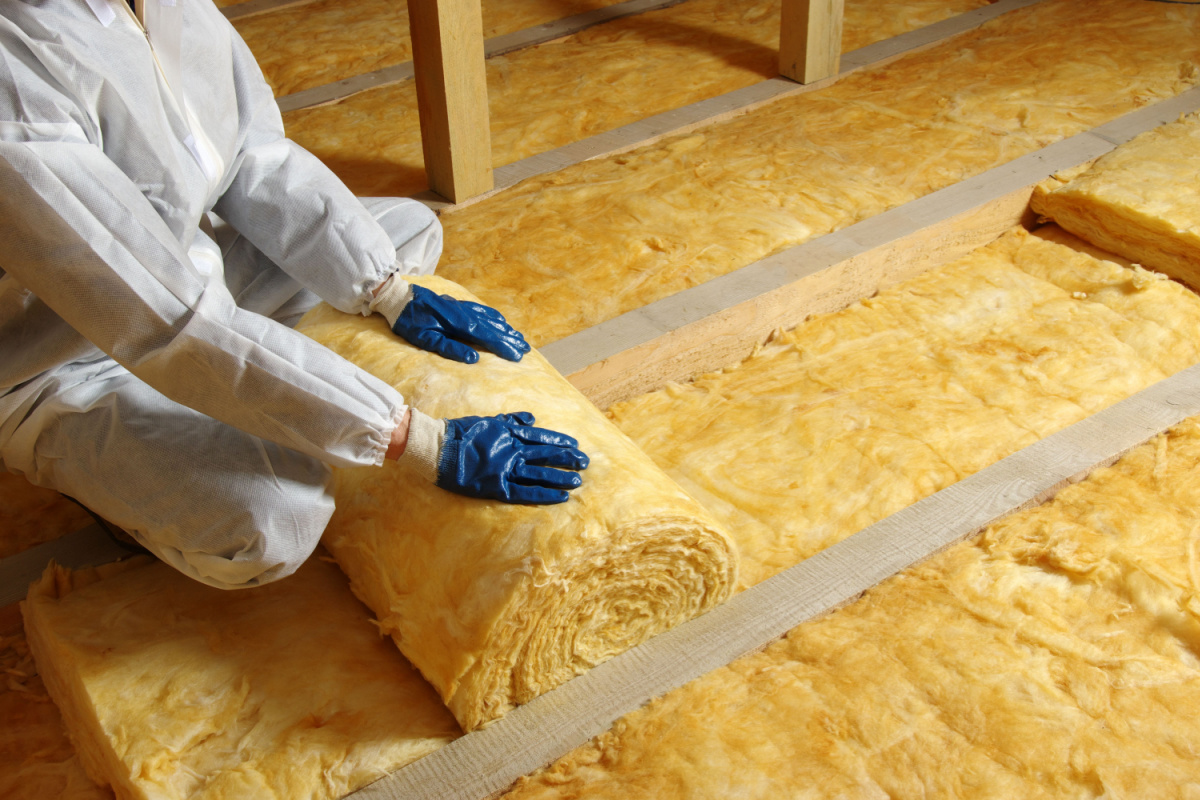
Combi Boiler vs System Boiler: Which Is Best for Your Home?
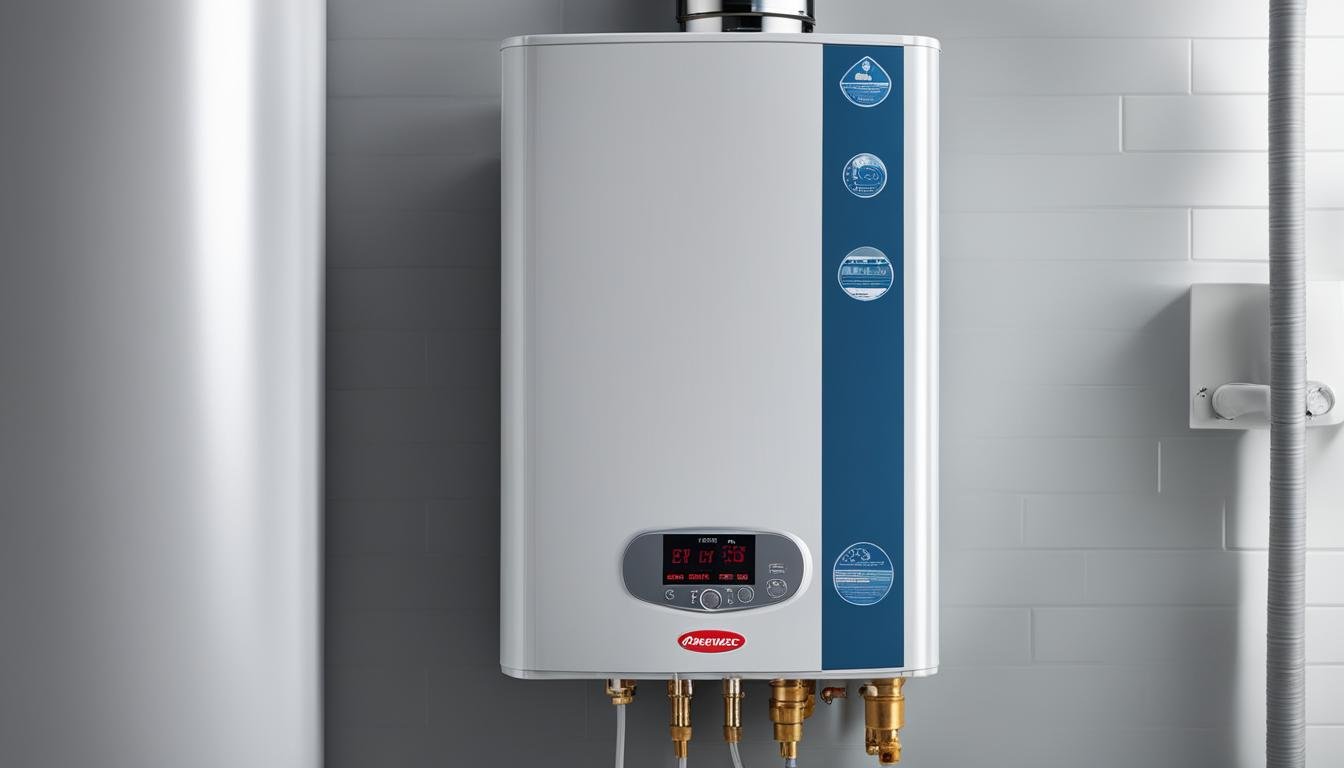
How to Prepare Your Home for HVAC Installation: 9 Essential Tips
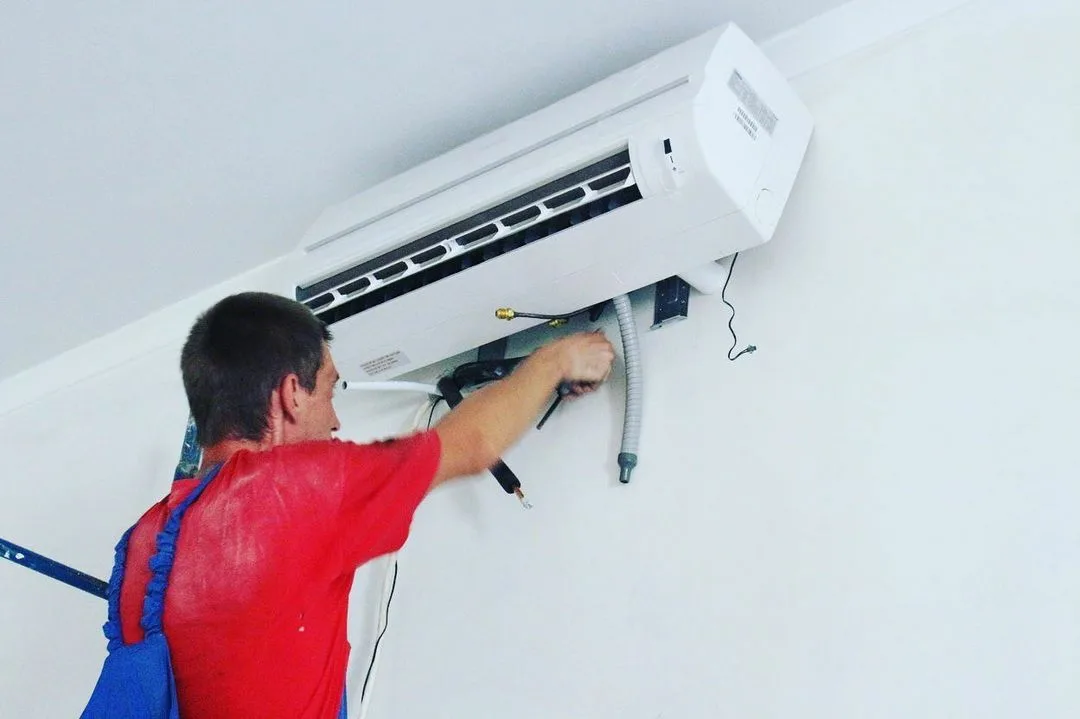
HVAC for New Construction: What You Need to Know

How to choose the best boilers for schools in 2026?
How to clean a gas boiler?
What is mechanical ventilation?
How to improve air quality during allergy season

The truth behind common myths about air purifiers

Choosing Clamps for Professionals: Structure, Types and Applications

The Role and Importance of Measurement Equipment in Industry
Safety Gloves: A Small Tool, Big Protection

Your Home’s “Thermos” Effect: The Secret to Staying Warm in Winter and Cool in Summer
Practical Guide: Maintenance, Efficiency, and Safety of Boiler Room Systems

The Hidden Heroes of Our Home: Radiators

How Radiators Work: The Heat Distributors of Your Home

Boiler Rooms Explained: The Core of Home Heating

Energy-Efficient Home Heating Options: A Complete Guide

Why Is Regular Maintenance of HVAC Systems Important?

Control and Safety Devices in the Boiler Room: Essential Components for Your System

What is HVAC? Fundamentals of Heating and Cooling Systems

The ventilation systems in large buildings

Radiators vs Underfloor Heating: Which Works Better with Heat Pumps?

Radiators and Heating Systems: Comfortable and Energy-Efficient Solutions for Your Home

HVAC Pipe Insulation – Energy Saving and Stable Temperature Maintenance

What Don’t We Know About Ventilation Systems?

The Importance of Insulation for Energy Efficiency

Şüşə Yunu ilə Boru İzolyasiyası Nədir və Niyə Vacibdir?

Hansı radiator daha yaxşıdır?

What are heating systems for?

Havalandırma avadanlıqları nə üçündür?

Ventilation Systems

Heating systems - Models and prices

Heating systems

Havalandırma sistemləri (Havalandirma sistemleri)

Boru armaturları və fittinqləri

Qazanxana nədir?

Mechanical and Natural Ventilation: Which Is More Effective?

Ways to Save Energy with Smart Heating Systems

Effective Cooling Solutions for Commercial Properties

Boiler, Air Conditioning, and Ventilation System: How Are They Controlled Simultaneously?

Alternative Energy Sources in Heating and Cooling: Technologies of the Future
