10 Smart Ways to Improve Home Energy Efficiency Without Replacing Your Boiler
Many homeowners are unaware of how much they can improve the efficiency of their existing heating systems. With a few smart upgrades and simple changes, it is possible to prevent energy loss, reduce heating costs and maintain a comfortable temperature throughout the year.
Let’s take a look at 10 practical ways to get the most out of your heating system and improve your home’s energy efficiency without completely replacing your boiler.
Improve Energy Efficiency at Home
1. Install Thermostatic Radiator Valves (TRVs)
If your radiators do not have TRVs, you may be wasting heating energy. These smart valves automatically regulate the flow of hot water into the radiator according to the temperature in the room.
This helps prevent rooms that are rarely used from being overheated.
2. Switch to a Smart Thermostat
Older thermostats may not be sufficiently efficient. Modern smart thermostats with features such as modulation allow you to control your heating system more precisely and achieve maximum efficiency.
Such an upgrade can help reduce heating costs by up to 12% per year.
3. Use Weather or Load Compensation
Weather-compensated control systems automatically adjust the boiler output according to indoor and outdoor temperatures. As a result, the boiler operates only at the level of power that is actually required.
This can be particularly beneficial for homes with large windows or poor insulation.
4. Create Heating Zones
Why heat the entire house when you only need warmth in a few rooms?
Zoning allows you to control the temperature independently in different areas of your home. This helps reduce energy waste and ensures that heating is used only where it is needed.
5. Lower the Heating Water Temperature
If you have a combination boiler, you can try reducing the heating water temperature to around 55°C. This can help the system operate more efficiently.
However, for the best results, make sure that your radiators are properly balanced and that the heating system is clean and well maintained.
6. Maintain the Water in the Heating System
Over time, deposits, sludge and other contaminants can build up inside a heating system. This can reduce the system’s efficiency.
Flushing the system, installing a magnetic filter and regularly maintaining the system water can help your boiler operate more effectively and reduce heating costs.
7. Balance Your Radiators
Balancing the radiators ensures that all radiators heat up evenly and correctly.
This not only improves comfort but can also allow the boiler to operate at a lower temperature while maintaining the required level of warmth.
8. Improve Your Home’s Insulation
Up to 25% of heat can be lost through an uninsulated roof. Adding at least 270 mm of insulation to the roof or loft area, as well as insulating pipes and hot water tanks, can help retain heat inside the home and prevent unnecessary energy loss.
9. Prevent Air Leaks
Small gaps around doors, floors and windows can allow warm air to escape and cold air to enter the home.
Weatherstripping and door draught excluders are simple and affordable solutions. They can significantly improve comfort inside the home.
10. Consider Replacing the Boiler When Necessary
If your boiler is old, frequently breaks down or operates inefficiently, it may be time to replace it.
A modern condensing boiler can reduce both fuel costs and carbon emissions. This change may be particularly worthwhile if you plan to live in the property for many years.
Conclusion
You do not always need to completely replace your boiler to improve your home’s energy efficiency.
The right combination of smart control systems, regular maintenance and quality insulation can help reduce heating costs, create a more comfortable home and minimise your impact on the environment.
Other Manufacturing Sectors
How to Reduce Energy Losses in Local Exhaust Ventilation Systems
How to Choose the Right Material for HVAC Pipes
Enhancing workplace efficiency: The strategic importance of selecting quality flexible air ducts
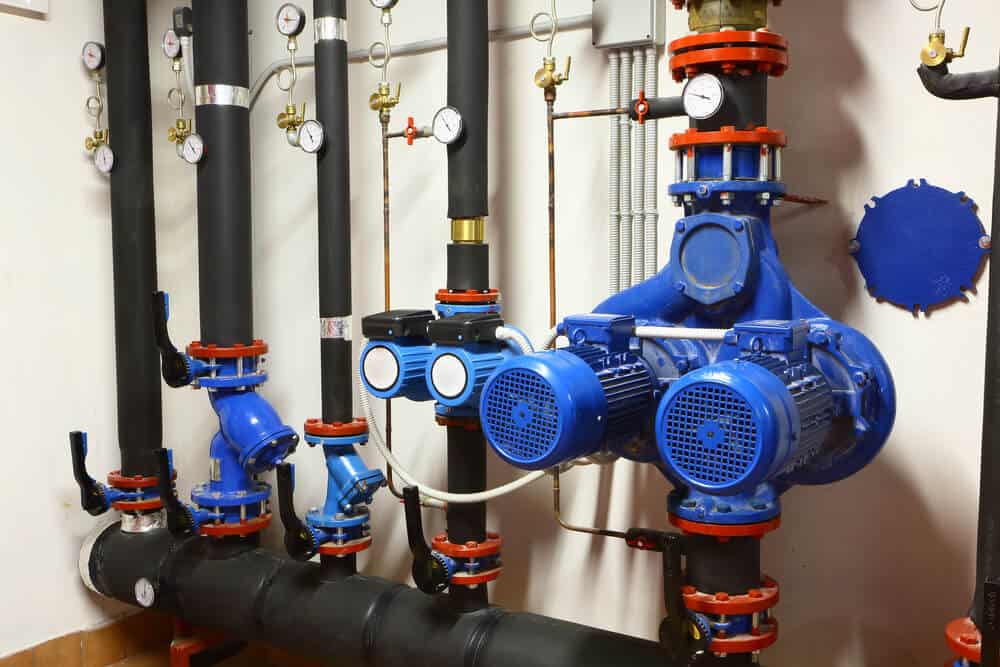
What is a boiler room system and how do you choose the right equipment for your project?
Measurement Equipment and Safety Valves: Safety and Control in Heating Systems
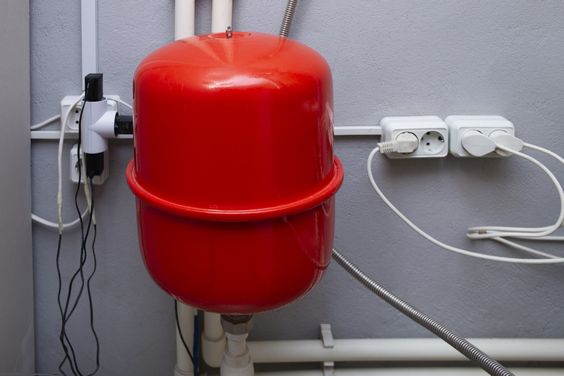
The Role and Importance of Expansion Tanks in Heating Systems
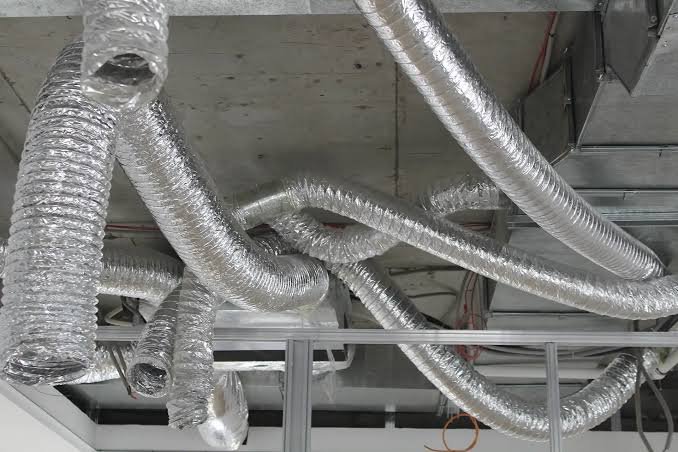
6 signs your building needs better ventilation

How to choose the right ductwork?
Types of Bolts: Components, Sizes, and Applications
Threaded Rod: Types, Applications, and Selection Guide
The importance of material selection in mechanical engineering: Ensuring optimal performance and longevity
Insulated vs Non-Insulated flexible ducting | Buyer's guide
10 Key Factors to Consider When Choosing a Good Industrial Steam Boiler
10 Smart Ways to Improve Home Energy Efficiency Without Replacing Your Boiler
The importance of proper mechanical process installations

What are VRF systems and which buildings are they suitable for?
Advantages of insulated air ducts and why they are important
Energy-efficient heating systems: Which solutions are the most effective?
What are MEP systems and why are they important in construction projects?
The role of ventilation systems in creating a healthy and comfortable environment

Thermal Insulation: What Is It and How Is It Used?
What are accumulation tanks and why are they worth using?
Ofislərdə düzgün soyutma sistemi məhsuldarlığa necə təsir edir?

HVAC sistemlərinin ağıllı ev sistemləri ilə inteqrasiyası
Breathing made easy: the undeniable benefits of a home ventilation system.
What are ball valves and how do they work?
Comparison of threaded pipe and welded pipe: which is better for your project?
The role of ventilation in ensuring fire safety and smoke control.
How good air circulation improves your shopping experience?
Duct fans: comprehensive applications and points to consider