The truth behind common myths about air purifiers
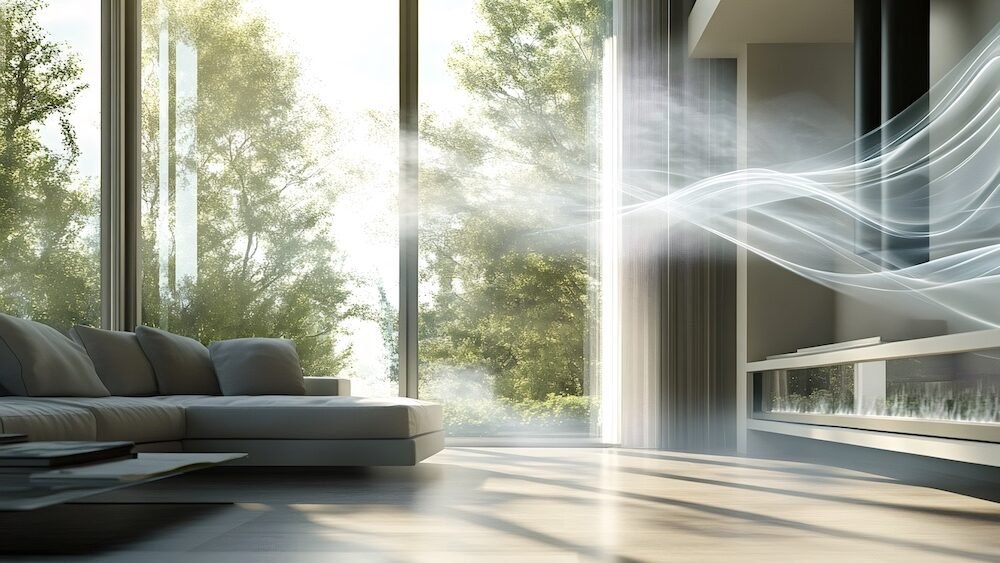
If you are considering buying an air purifier, you may have come across some common myths that can make the decision-making process a bit confusing.
Will an air purifier for home use really improve indoor air quality? Can air purifiers help fight mold? Can air purifiers remove dust? Let’s take a closer look at some of these questions and discover the truth behind the benefits of an air purifier in your home.
Why are there myths about using air purifiers?
Some myths about air purifiers may be based on earlier, simpler air purifier designs. Over the years, air purifier technology has evolved, and modern sophisticated air purification systems work more efficiently.
As you continue your research, remember that it is important to choose a quality air purifier to ensure it truly performs its intended function—cleaning the air and creating a healthier indoor environment without adding harmful elements.
Let’s explore further and examine some of the questions people have about air purifiers so that you can decide for yourself whether air purifiers are worth it.
Is an air purifier harmful to health for home use?
One of the main reasons people buy an air purifier for home use is its health benefits. However, there are also some concerns about air purifiers being harmful to our health.
First, let’s look at how air purifiers can improve our health. Since most people spend more time indoors than outdoors, breathing the same stale indoor air means we are more likely to inhale more dust, pollutants, and allergens than when we are outside. This can affect even a generally healthy person, causing headaches, fatigue, and skin problems, but for those suffering from allergies or respiratory issues, poor air quality can worsen their condition.
Air purifiers can also help prevent the spread of common colds and flu among family members. Air purifiers with HEPA filters capture bacteria and viruses present in the air so they are not inhaled by others. By filtering and disinfecting the air and removing airborne pollutants, an air purifier can be extremely beneficial for our health and can even improve your sleep and overall well-being.
So the question remains, can air purifiers be harmful to health? This may depend on the type of air purifier. Some air purifiers use ozone to clean the air. While this can be an effective method, it also has drawbacks. Although there are safe levels of ozone, it can cause issues such as throat irritation, coughing, and breathing problems in some people. Of course, this is even more pronounced in those with asthma and respiratory diseases, so it is best to avoid these types of air purification systems.
Do air purifiers help reduce humidity?
A common myth about air purifiers is that they dry the air. However, this is not the case. Air purifiers are not designed to remove moisture, so they will not affect the humidity level in your home.
Can air purifiers help get rid of mold?
The simple answer is yes, air purifiers can help combat mold. However, to be clear, an air purifier cannot remove mold already growing on surfaces in your home, but it can be very effective at removing mold spores from the air. An air purifier with a HEPA filter can capture these airborne mold spores and prevent them from spreading and growing in other areas of your home.
Can air purifiers remove odors?
One of the reasons you might want an air purifier is to eliminate unpleasant odors in your home. After all, this seems like a tangible sign that your air purifier is actually working.
This is not necessarily the case. Whether an air purifier removes odors depends on the technology used. An air purifier with only a HEPA filter is excellent at removing at least 99.97% of particles as small as 0.3 microns from the air. However, odors do not fall into this category. For an air purifier to remove odors, it must have an activated carbon filter to capture them.
Can air purifiers remove VOCs?
When we think about air pollution, the first thing that comes to mind is exhaust fumes from vehicles. However, VOCs are also present in many household items used in our homes. VOCs are volatile organic compounds—a group of chemicals that often release odorless gases—and can be found in items such as paint, carpets, composite wood, cleaning products, and cosmetics. Even though many VOCs do not have a noticeable smell, they are still present and can harm our health, causing nausea, shortness of breath, and in some cases making us feel weak and unable to function normally.
So, can air purifiers remove VOCs? As with odors, HEPA filters cannot capture VOCs, so an air purifier with an activated carbon filter is needed. With the right combination of air purification features, VOCs can be removed from the air.
Can air purifiers remove dust?
Absolutely! Having a dust-removing air purifier can help keep your indoor air feeling clean and fresh. Most air purifiers are designed with HEPA filters to remove dust from the air, and some may also include a pre-filtration system to capture larger particles and prevent the HEPA filter from clogging.
It is important to note that an air purifier can remove dust from the air, but not once it has already settled on surfaces. However, once you start using an air purifier regularly, you will notice that it captures airborne dust particles before they have a chance to settle, so you can expect a reduction of dust on your furniture.
Do air purifiers work?
Considering the answers that debunk the myths above, the conclusion is that yes, air purifiers do work. Ultimately, this depends on having a quality air purifier designed to effectively achieve the results you want.
It is also important to choose an air purifier that is suitable for the size of your room so that it can perform its job properly. To maintain a healthy indoor environment, regular maintenance is required to ensure the air purifier operates at optimal performance at all times. Air quality is important for our health, and since we spend much of our time indoors, using an air purifier to clean the air we breathe can only be beneficial.
Conclusion
So now that you have discovered the truth behind air purifier myths, you are ready to learn more about how to choose the right air purifier.
Other Manufacturing Sectors
Insulated vs Non-Insulated flexible ducting | Buyer's guide
10 Key Factors to Consider When Choosing a Good Industrial Steam Boiler
10 Smart Ways to Improve Home Energy Efficiency Without Replacing Your Boiler
The importance of proper mechanical process installations

What are VRF systems and which buildings are they suitable for?
Advantages of insulated air ducts and why they are important
Energy-efficient heating systems: Which solutions are the most effective?
What are MEP systems and why are they important in construction projects?
The role of ventilation systems in creating a healthy and comfortable environment

Thermal Insulation: What Is It and How Is It Used?
What are accumulation tanks and why are they worth using?
Ofislərdə düzgün soyutma sistemi məhsuldarlığa necə təsir edir?

HVAC sistemlərinin ağıllı ev sistemləri ilə inteqrasiyası
Breathing made easy: the undeniable benefits of a home ventilation system.
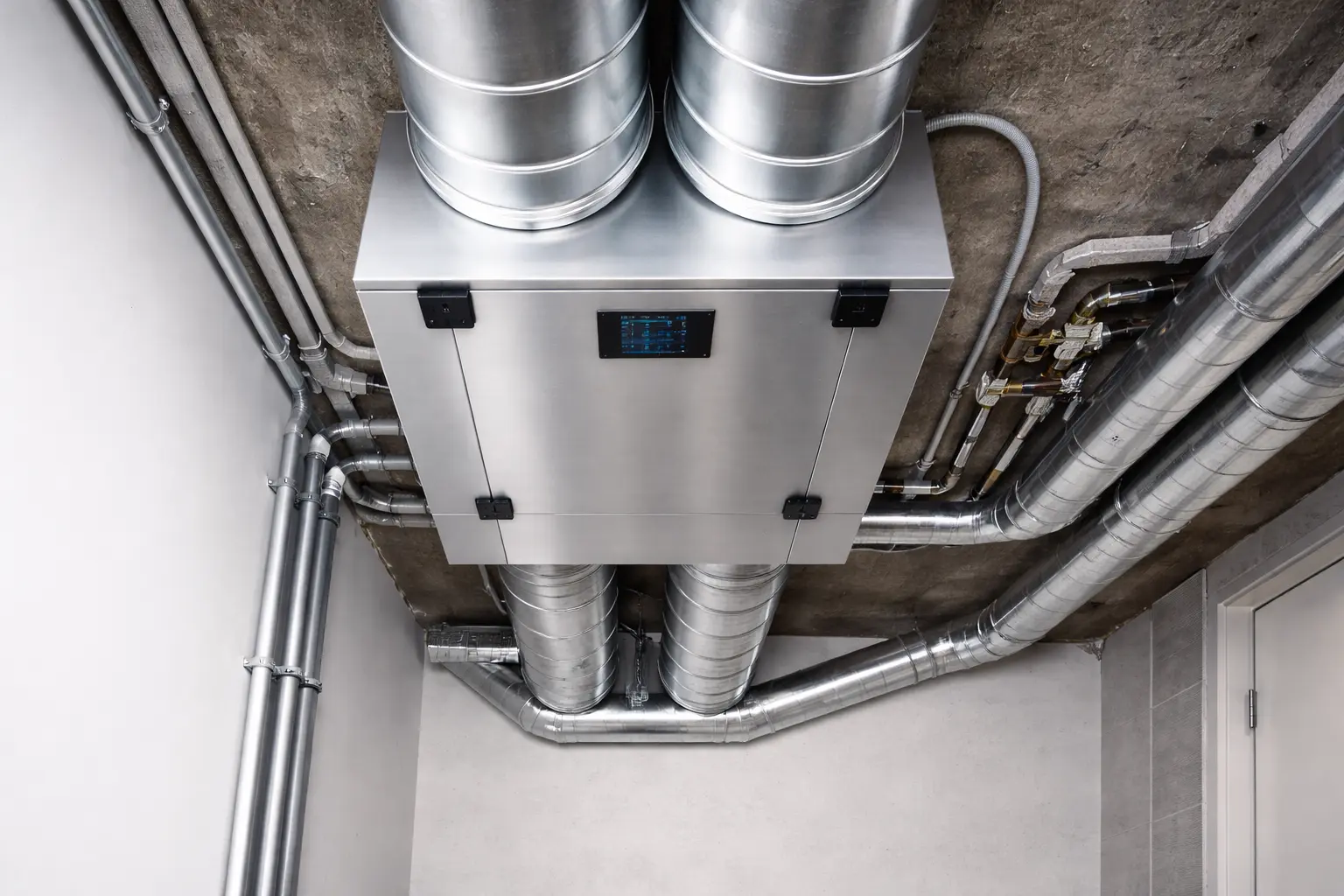
What are ball valves and how do they work?
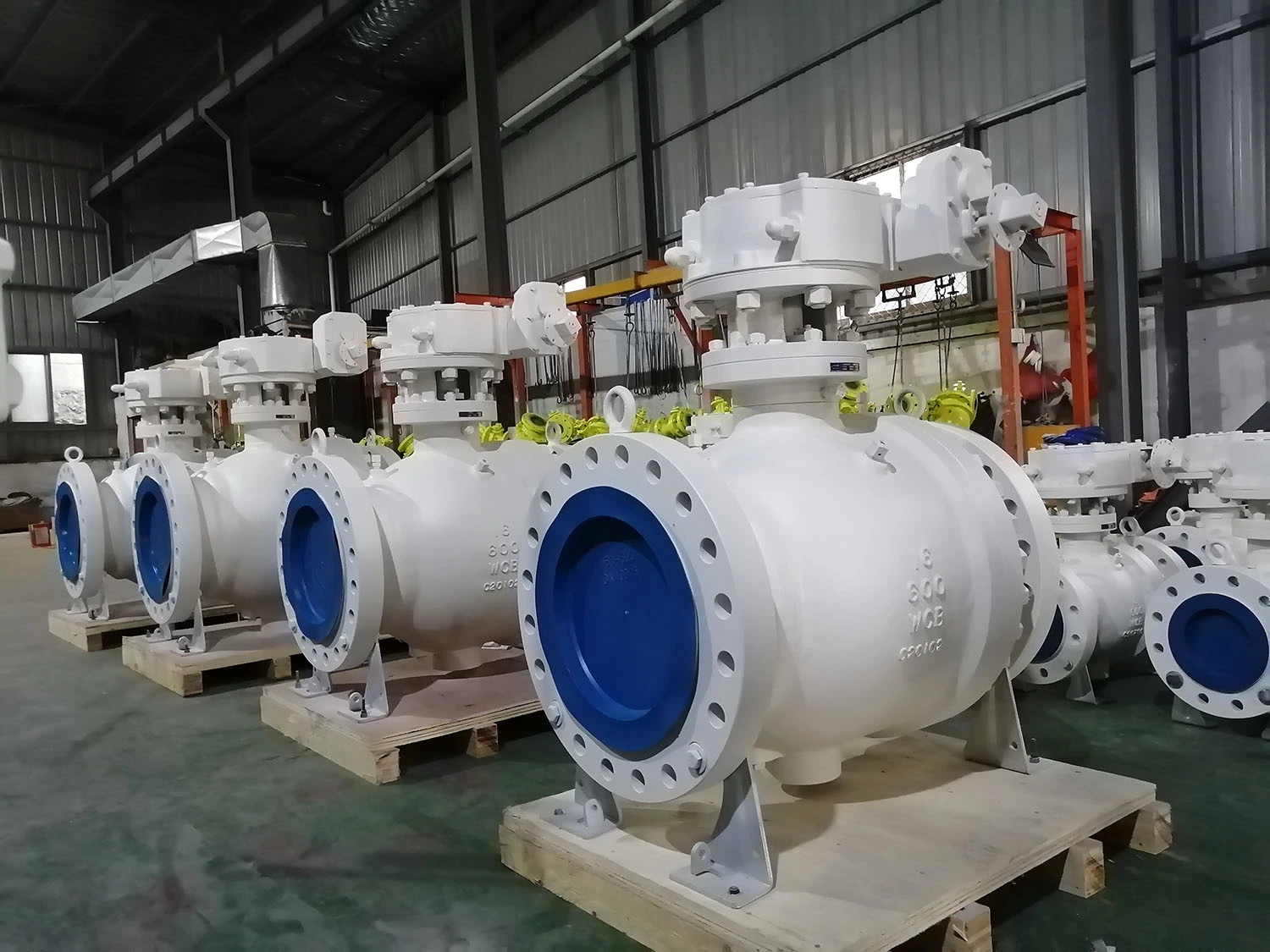
Comparison of threaded pipe and welded pipe: which is better for your project?
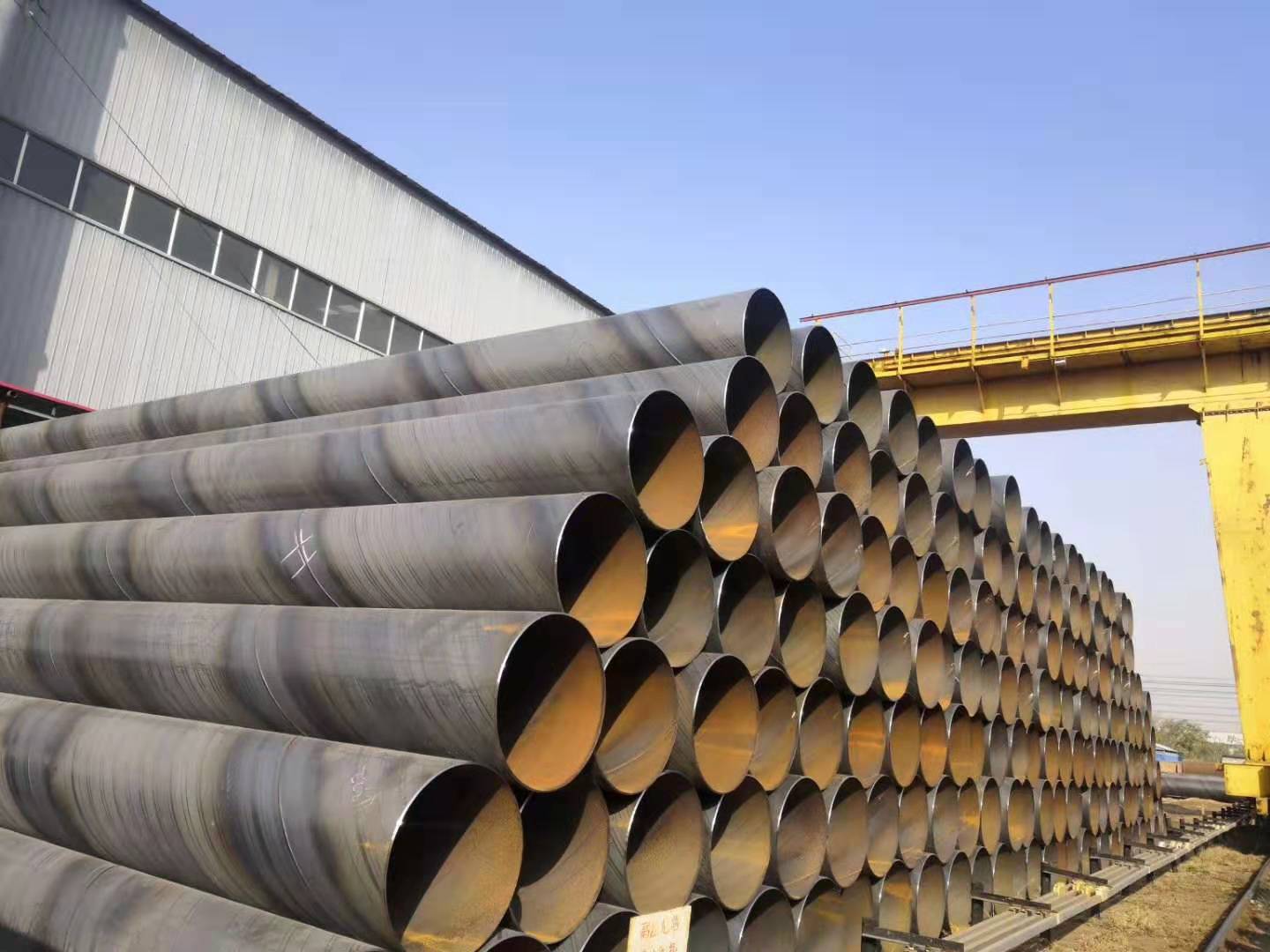
The role of ventilation in ensuring fire safety and smoke control.
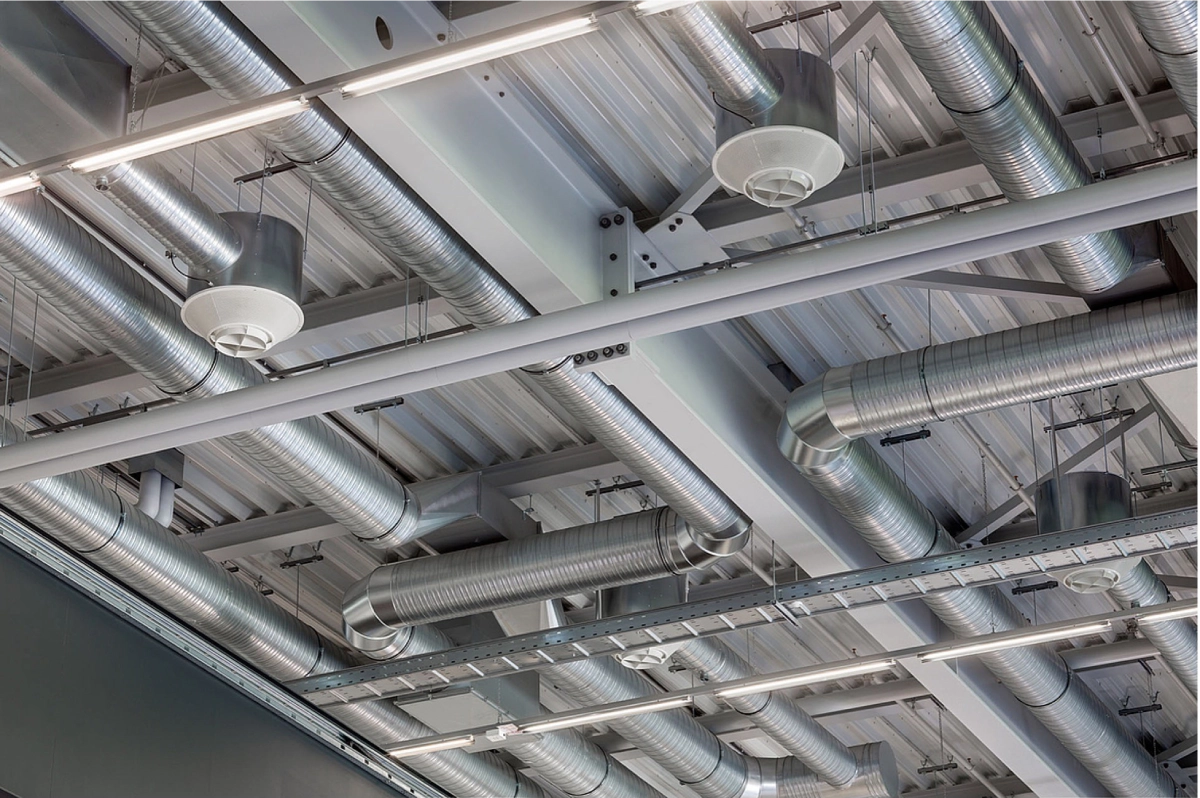
How good air circulation improves your shopping experience?
Duct fans: comprehensive applications and points to consider
Ventilation in hospitals and healthcare facilities

Boiler or stove: how to decide?
What type of heating is best for an old house?
How to calculate the required boiler capacity?

Boiler pressure keeps dropping — what is the reason?
Why Does My Boiler Keep Turning Off?
Boiler Size; This Really Matters
Choosing the Right Boiler Size for Your Home

Should I Keep The Boiler Running Continuously?
Noisy Boiler: Possible Causes And Solutions
The Importance of the Expansion Tank