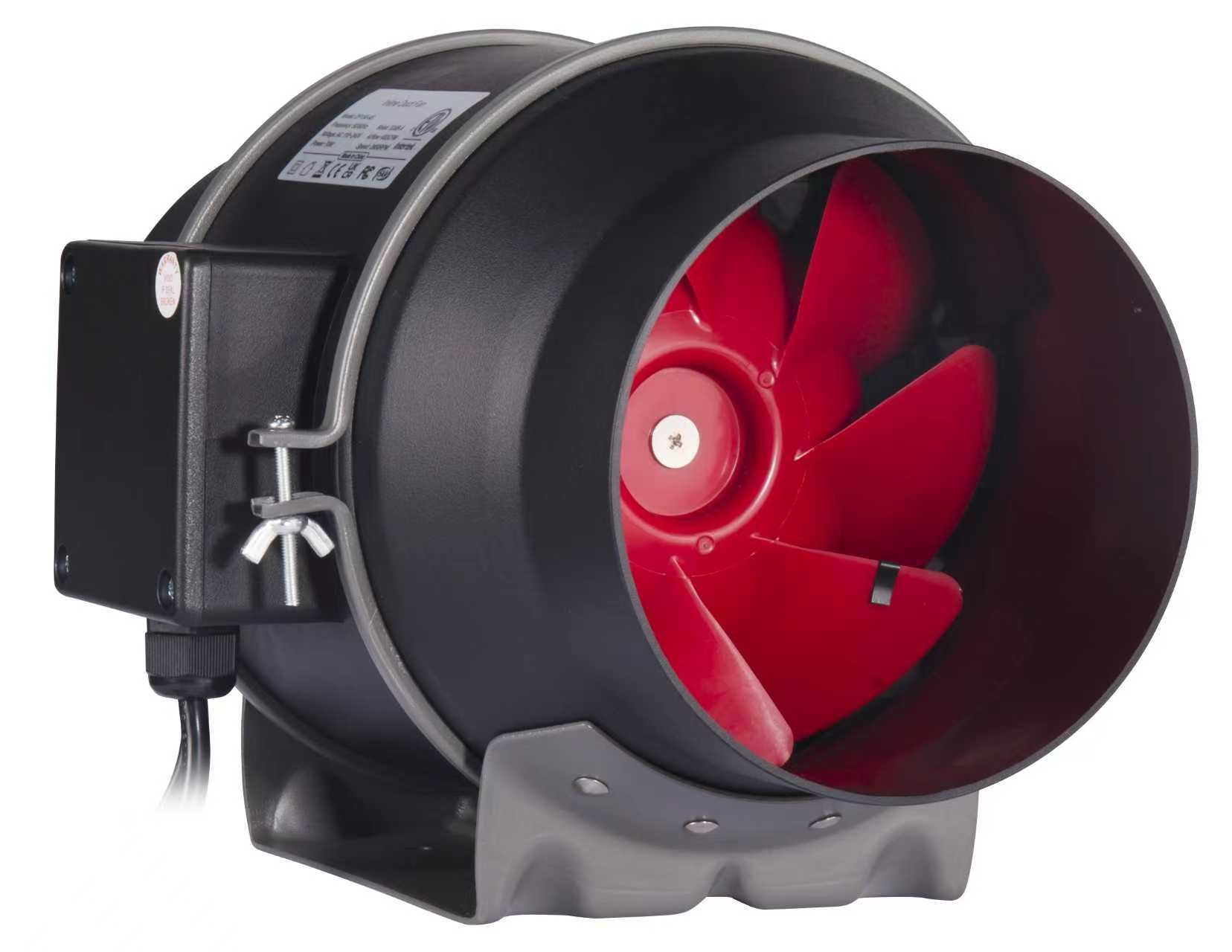
The importance of proper mechanical process installations

Mechanical process installations play a crucial role in the construction industry by ensuring that various building systems operate efficiently, safely, and reliably. These systems can be considered the backbone of a building’s operational infrastructure, connecting everything from HVAC (heating, ventilation, and air conditioning) systems to piping networks and mechanical equipment.
When properly designed and installed, mechanical systems transform a complex building structure into an efficient and well-functioning environment. Their importance lies in the fact that they directly influence the building’s overall performance, energy efficiency, safety, and long-term durability.
Mechanical process installations are especially important during the design and construction phases. Without properly planned mechanical systems, achieving effective climate control, energy efficiency, and comfortable indoor conditions becomes extremely difficult.
As modern construction projects increasingly focus on sustainability and energy-saving solutions, understanding the importance of mechanical systems and their correct implementation has become essential.
The Role of Mechanical Process Installations in Construction
Mechanical process installations include various systems that ensure a building operates smoothly and efficiently. These systems include:
HVAC systems (heating, ventilation, and cooling);
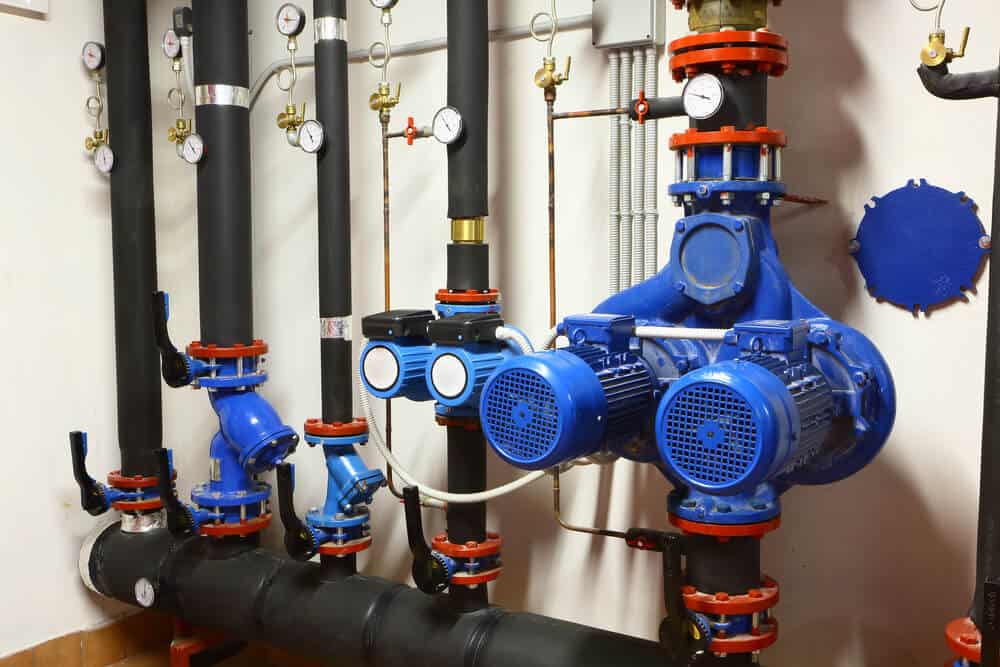
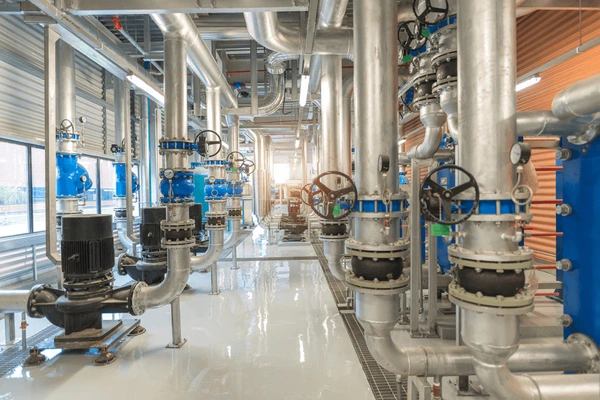
Plumbing and piping systems;
Process equipment;
Other mechanical infrastructure.
All these components must work together in harmony to create safe, comfortable, and energy-efficient environments.
For example, in industrial facilities, properly installed mechanical systems help prevent equipment failures, reduce downtime, and minimize operational risks.
Mechanical installations are responsible for:
Maintaining temperature control;
Managing water and fluid flow;
Improving indoor air quality;
Optimizing energy consumption.
Efficient mechanical installations reduce resource usage, lower operational costs, and minimize environmental impact.
Key Components of Mechanical Process Installations
Understanding the main components of mechanical systems helps highlight their importance in construction projects.
HVAC Systems
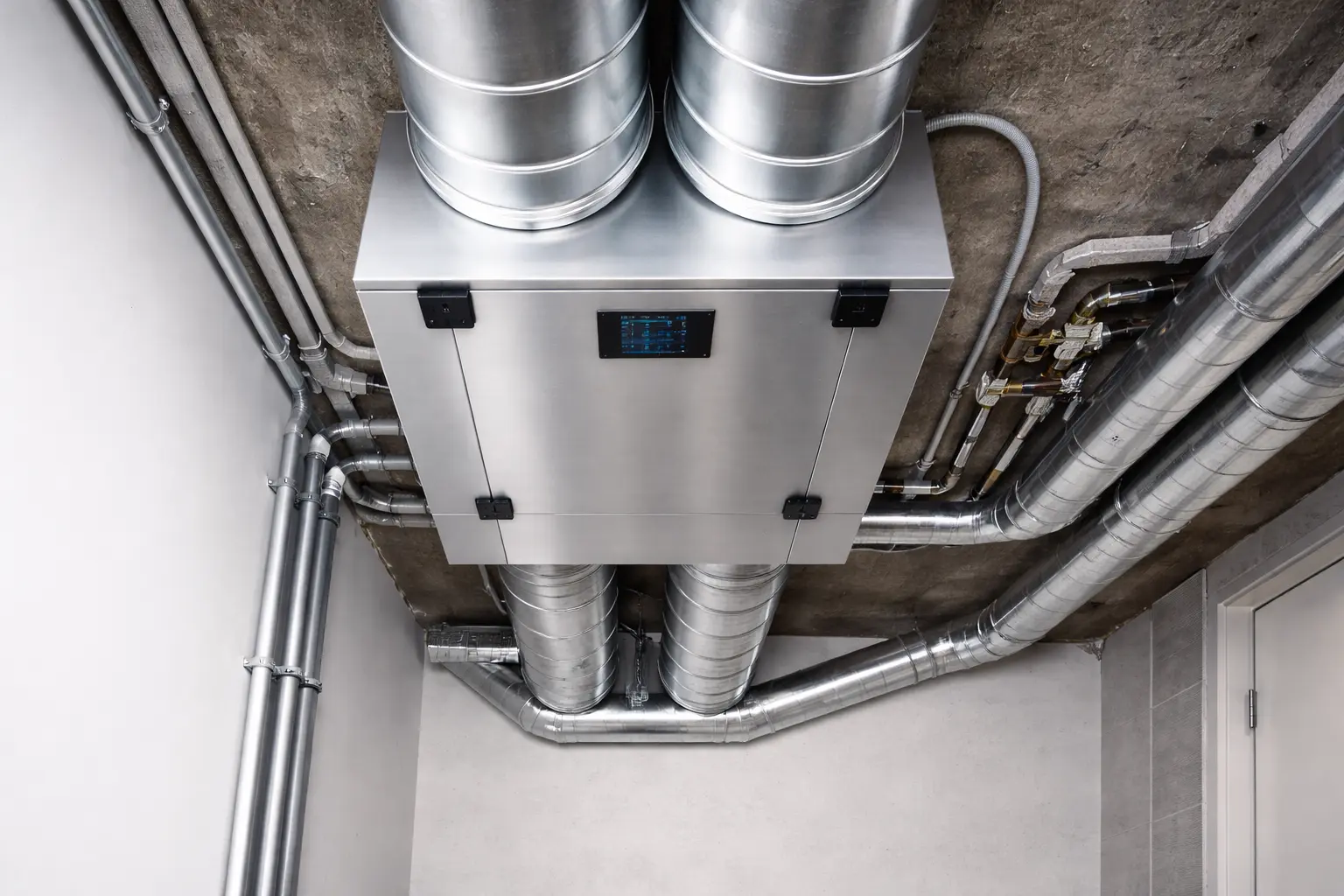
HVAC systems are essential for maintaining comfortable temperatures and healthy indoor air quality.
A properly designed ventilation system helps:
Provide fresh air circulation;
Control humidity levels;
Create a comfortable indoor environment.
Correct HVAC installation is especially important in:
Office buildings;
Hospitals;
Hotels;
Industrial facilities.
Piping Systems
Piping systems are responsible for transporting water and other fluids throughout a building.
Properly installed piping systems:
Prevent leaks;
Maintain correct pressure levels;
Improve system reliability;
Ensure efficient water management.
Incorrect installation can lead to serious problems, including water damage, energy losses, and expensive repairs.
Process Equipment
Process equipment includes various mechanical devices such as:
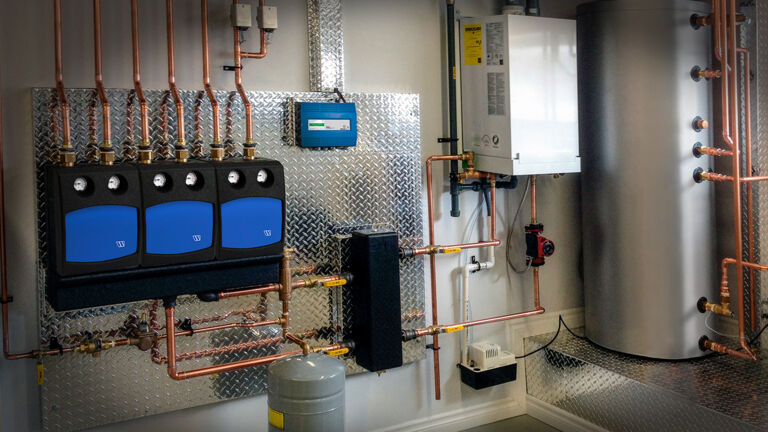
Boilers;
Compressors;
Pumps;
Industrial machinery.
Each piece of equipment must be correctly integrated into the overall mechanical system to ensure efficient operation, easy maintenance, and long-term reliability.
Common Challenges in Mechanical Process Installations
Mechanical installations often involve complex challenges that require careful planning and professional expertise.
Limited Space Requirements
One of the most common challenges is installing large mechanical systems in limited spaces.
For example, upgrading an older building with modern HVAC systems can require creative engineering solutions to fit new equipment without affecting building functionality.
Integration of New and Existing Systems
Combining modern mechanical systems with existing infrastructure can be challenging, especially during renovation and retrofit projects.
Poor integration may result in:
Reduced efficiency;
System failures;
Higher maintenance requirements.
Proper planning and detailed engineering are necessary to ensure compatibility between old and new systems.
Project Coordination and Planning
To overcome installation challenges, companies should focus on:
Detailed system design;
Accurate equipment placement;
Regular inspections;
Effective communication between project teams.
A well-organized installation process helps prevent delays and ensures reliable system performance.
Benefits of Professional Mechanical Process Installations
Professional mechanical installations provide numerous advantages for building owners and operators.
Improved Efficiency and Performance
Experienced professionals ensure that every component is installed correctly, reducing the risk of mistakes and improving overall system efficiency.
Benefits include:
Lower energy consumption;
Reduced operational costs;
Better system performance.
Enhanced Safety
Incorrect mechanical installation can create serious risks, including:
Water leaks;
Equipment failures;
Safety hazards.
Professional installation ensures compliance with safety regulations and reduces potential risks.
Longer Equipment Lifespan
Properly installed mechanical systems experience less stress and wear over time.
This results in:
Fewer repairs;
Lower maintenance costs;
Longer equipment lifespan;
Improved reliability.
Ensuring Quality and Compliance in Mechanical Installations
Quality control in mechanical process installations is not only about completing installation tasks. It requires ensuring that every component meets industry standards and safety requirements.
To maintain quality, companies should:
Conduct regular inspections;
Keep detailed installation records;
Work with qualified professionals;
Follow technical standards and regulations.
Proper coordination between engineers, contractors, and suppliers ensures that all systems operate together efficiently throughout the building’s lifespan.
Mechanical process installations are one of the most important elements of successful construction projects.
Professionally designed and installed mechanical systems provide:
Improved energy efficiency;
Reduced operating costs;
Enhanced safety;
Comfortable indoor environments;
Long-term equipment reliability.
As the construction industry continues to prioritize sustainability and energy efficiency, proper mechanical system planning and installation will remain a key factor in creating modern, high-performance buildings.
With careful design, professional execution, and regular maintenance, mechanical installations can significantly improve the functionality, safety, and value of any building.
Other Manufacturing Sectors
How to Reduce Energy Losses in Local Exhaust Ventilation Systems
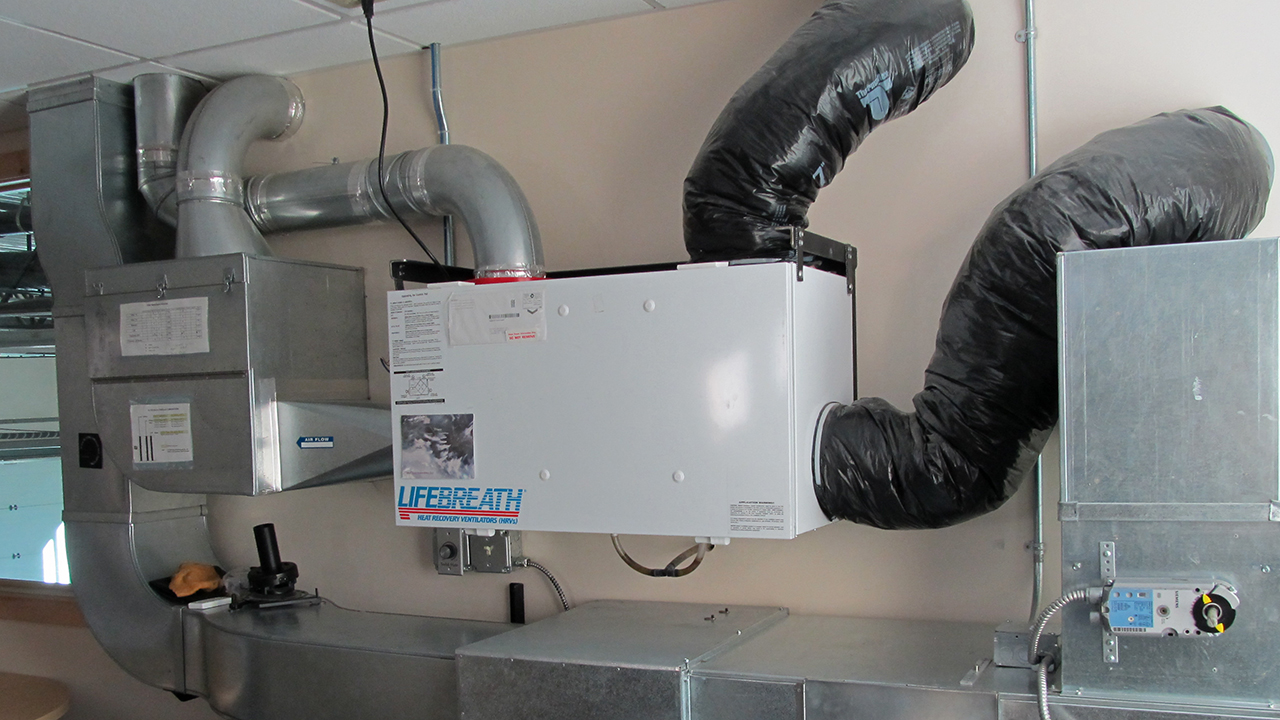
How to Choose the Right Material for HVAC Pipes
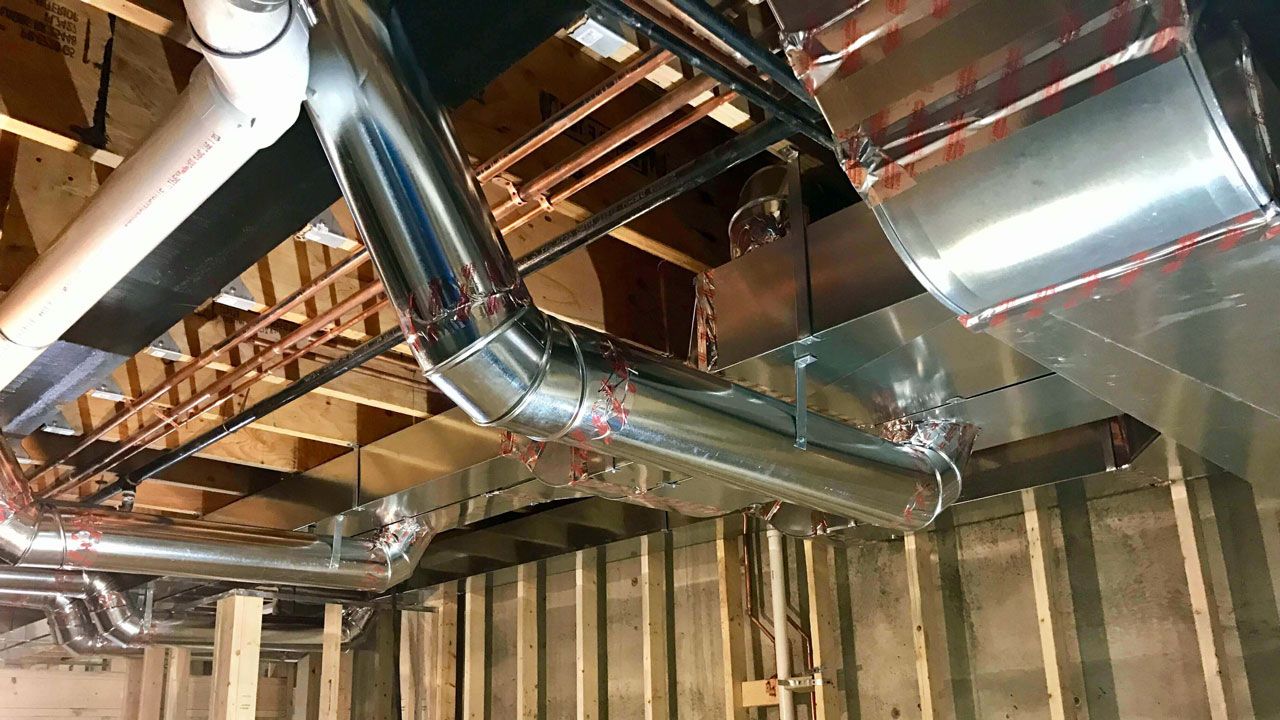
Enhancing workplace efficiency: The strategic importance of selecting quality flexible air ducts
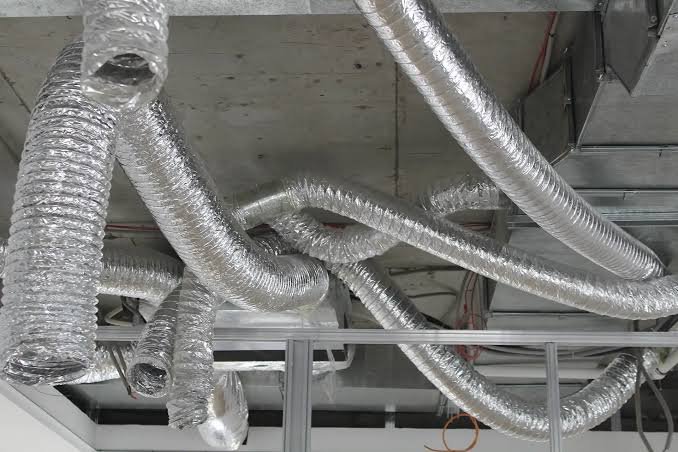
What is a boiler room system and how do you choose the right equipment for your project?
Measurement Equipment and Safety Valves: Safety and Control in Heating Systems
The Role and Importance of Expansion Tanks in Heating Systems
6 signs your building needs better ventilation

How to choose the right ductwork?
Types of Bolts: Components, Sizes, and Applications
Threaded Rod: Types, Applications, and Selection Guide
The importance of material selection in mechanical engineering: Ensuring optimal performance and longevity
Insulated vs Non-Insulated flexible ducting | Buyer's guide
10 Key Factors to Consider When Choosing a Good Industrial Steam Boiler
10 Smart Ways to Improve Home Energy Efficiency Without Replacing Your Boiler
The importance of proper mechanical process installations
What are VRF systems and which buildings are they suitable for?
Advantages of insulated air ducts and why they are important
Energy-efficient heating systems: Which solutions are the most effective?
What are MEP systems and why are they important in construction projects?
The role of ventilation systems in creating a healthy and comfortable environment

Thermal Insulation: What Is It and How Is It Used?

What are accumulation tanks and why are they worth using?
Ofislərdə düzgün soyutma sistemi məhsuldarlığa necə təsir edir?

HVAC sistemlərinin ağıllı ev sistemləri ilə inteqrasiyası
Breathing made easy: the undeniable benefits of a home ventilation system.
What are ball valves and how do they work?
Comparison of threaded pipe and welded pipe: which is better for your project?
The role of ventilation in ensuring fire safety and smoke control.
How good air circulation improves your shopping experience?
Duct fans: comprehensive applications and points to consider