Radiators vs Underfloor Heating: Which Works Better with Heat Pumps?

Radiators vs Underfloor Heating: Which Works Better with Heat Pumps?
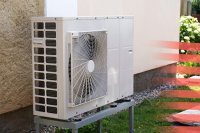
Heat pumps are becoming an increasingly popular alternative to traditional boilers, however many homeowners wonder: will they work with existing radiators, or should they switch to an underfloor heating system? Here we explain how both options work with heat pumps so that you can make the right decision for your home.
How heat pumps work with radiators
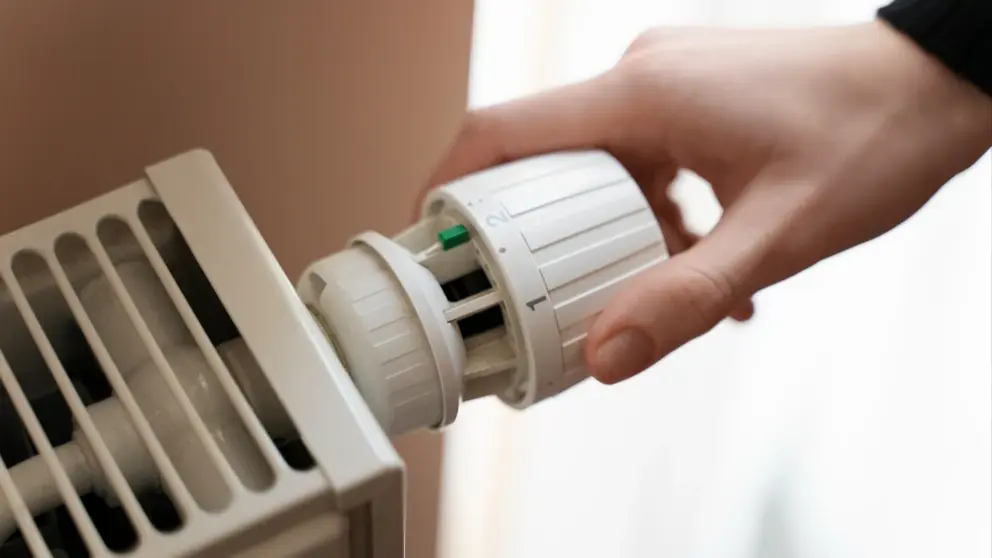
Heat pumps operate at lower water temperatures (35–55°C) compared to gas boilers (70–80°C). Standard radiators can still be used, however to provide the same level of comfort they may need to be larger or upgraded. Modern low-temperature radiators are designed specifically for heat pump systems. This option is best suited for homes where upgrading is easier than installing underfloor heating.
How heat pumps work with underfloor heating
Underfloor heating systems operate at very low flow temperatures, making them an ideal partner for heat pumps. They provide consistent and even heat across the entire floor area and are especially well suited for new homes, extensions, or major renovations, as installation causes less disruption. Energy efficiency is generally slightly higher than with radiators.
Key considerations
Cost: Upgrading radiators in an existing home is usually cheaper than installing underfloor heating.
Disruption: Underfloor heating often requires lifting floors — this is easier to implement in new builds or during renovations.
Comfort: Radiators heat the air, while underfloor heating provides radiant heat that feels cosier and more evenly distributed.
Space: Radiators take up wall space, whereas underfloor heating is hidden and offers more design freedom.
Which should you choose?
If you are upgrading an older home and want minimal disruption, it makes sense to stick with radiators. If you are building a new home, renovating, or aiming for maximum efficiency and comfort, choose underfloor heating. In some homes, a combination of both is possible — underfloor heating on the ground floor and radiators on upper floors.
Conclusion
Both radiators and underfloor heating can work efficiently with a heat pump — the right choice depends on your home, budget, and lifestyle. At Warmaway, we tailor every installation to your property to ensure you achieve maximum performance and comfort.
Other Manufacturing Sectors
Insulated vs Non-Insulated flexible ducting | Buyer's guide
10 Key Factors to Consider When Choosing a Good Industrial Steam Boiler
10 Smart Ways to Improve Home Energy Efficiency Without Replacing Your Boiler
The importance of proper mechanical process installations

What are VRF systems and which buildings are they suitable for?
Advantages of insulated air ducts and why they are important
Energy-efficient heating systems: Which solutions are the most effective?
What are MEP systems and why are they important in construction projects?
The role of ventilation systems in creating a healthy and comfortable environment

Thermal Insulation: What Is It and How Is It Used?

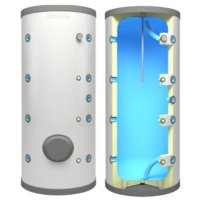
What are accumulation tanks and why are they worth using?
Ofislərdə düzgün soyutma sistemi məhsuldarlığa necə təsir edir?

HVAC sistemlərinin ağıllı ev sistemləri ilə inteqrasiyası

Breathing made easy: the undeniable benefits of a home ventilation system.
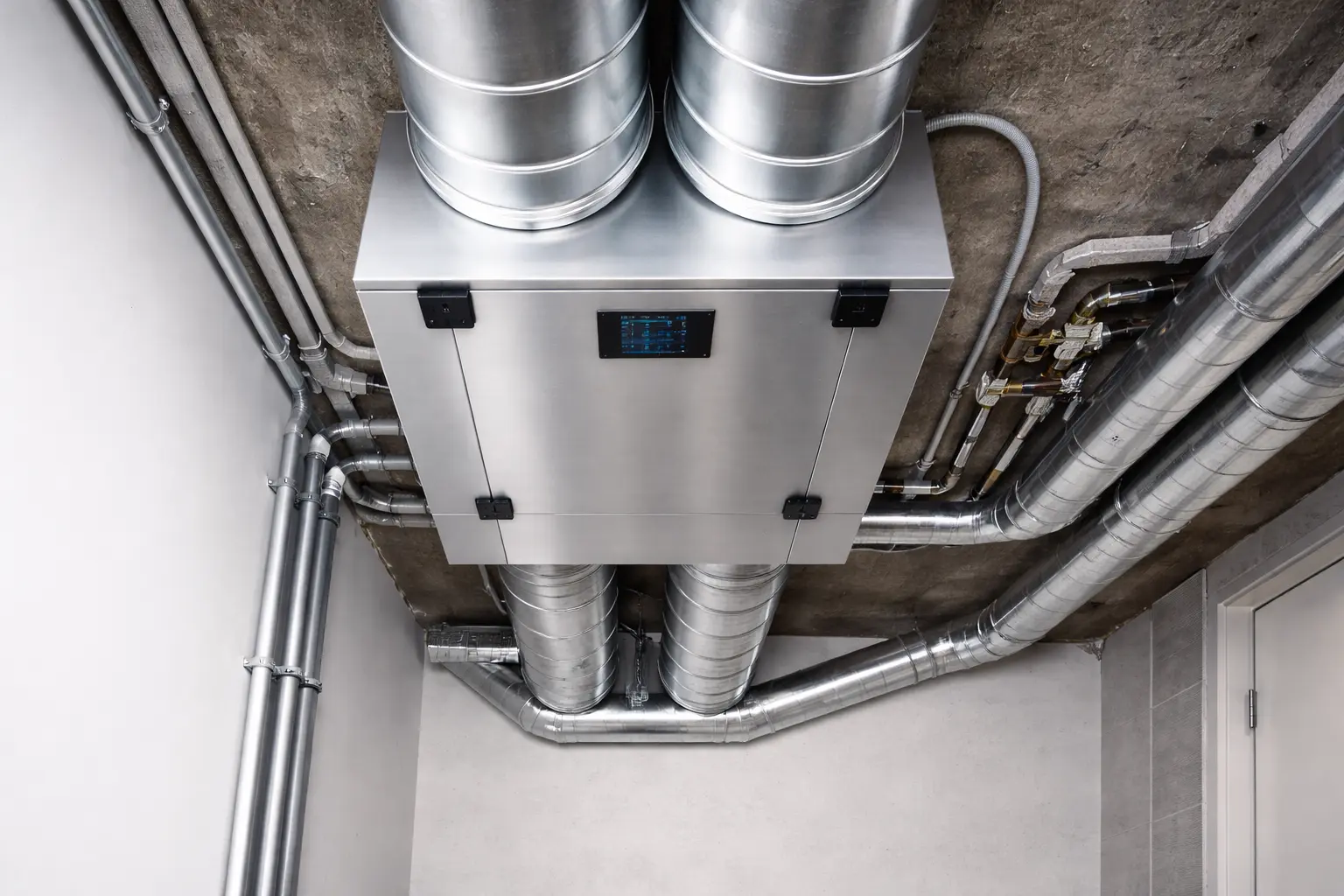
What are ball valves and how do they work?
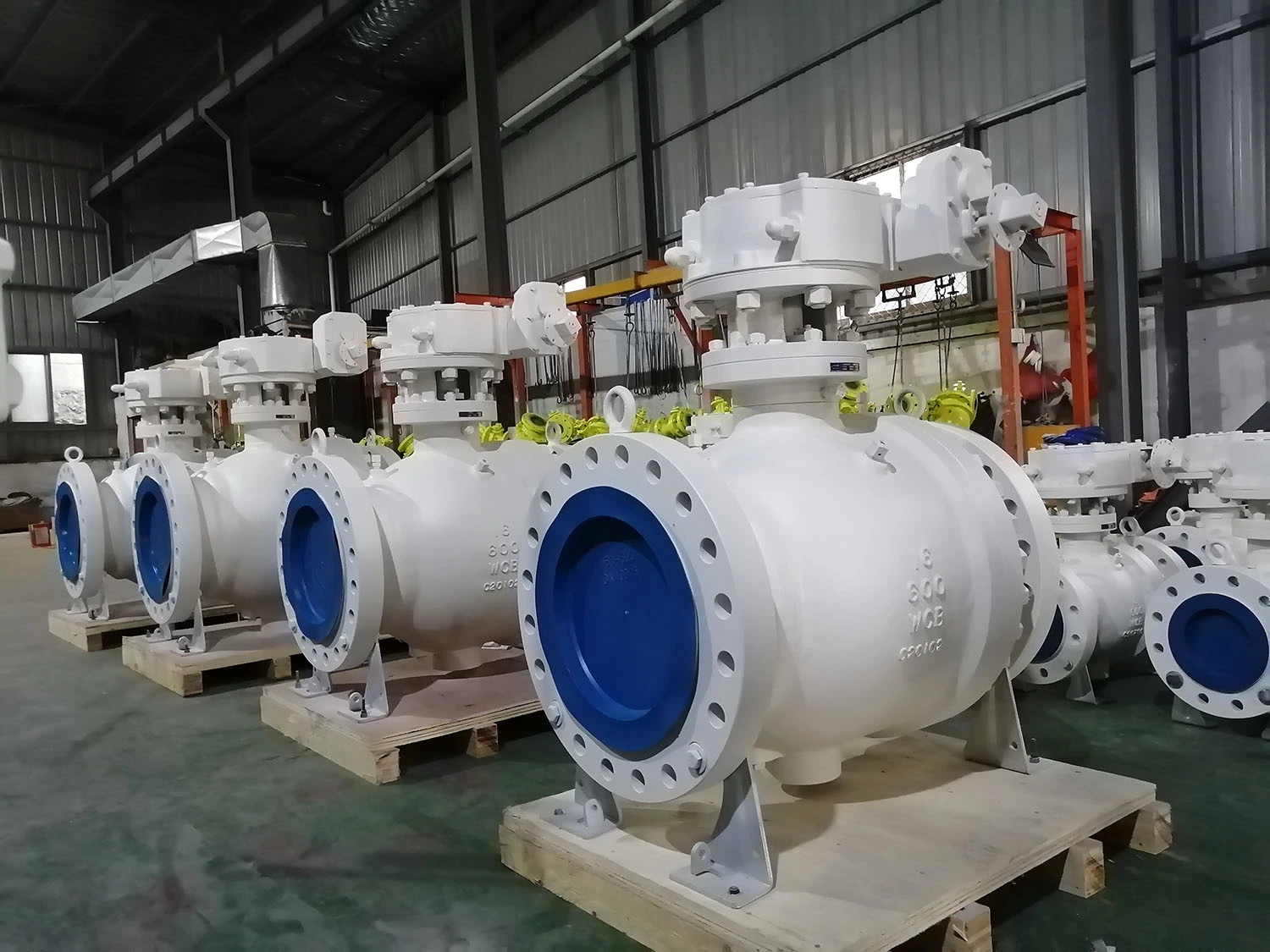
Comparison of threaded pipe and welded pipe: which is better for your project?
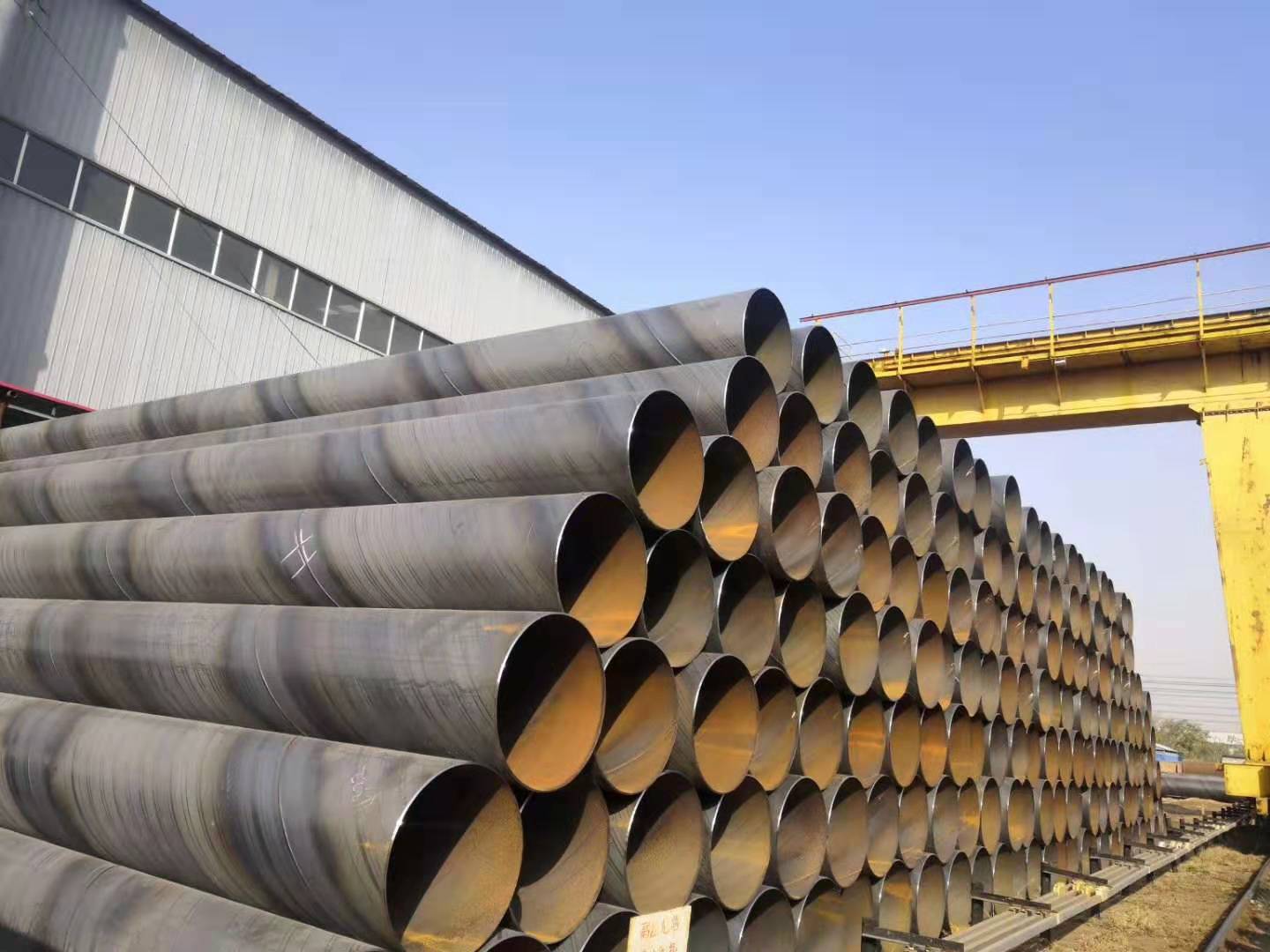
The role of ventilation in ensuring fire safety and smoke control.
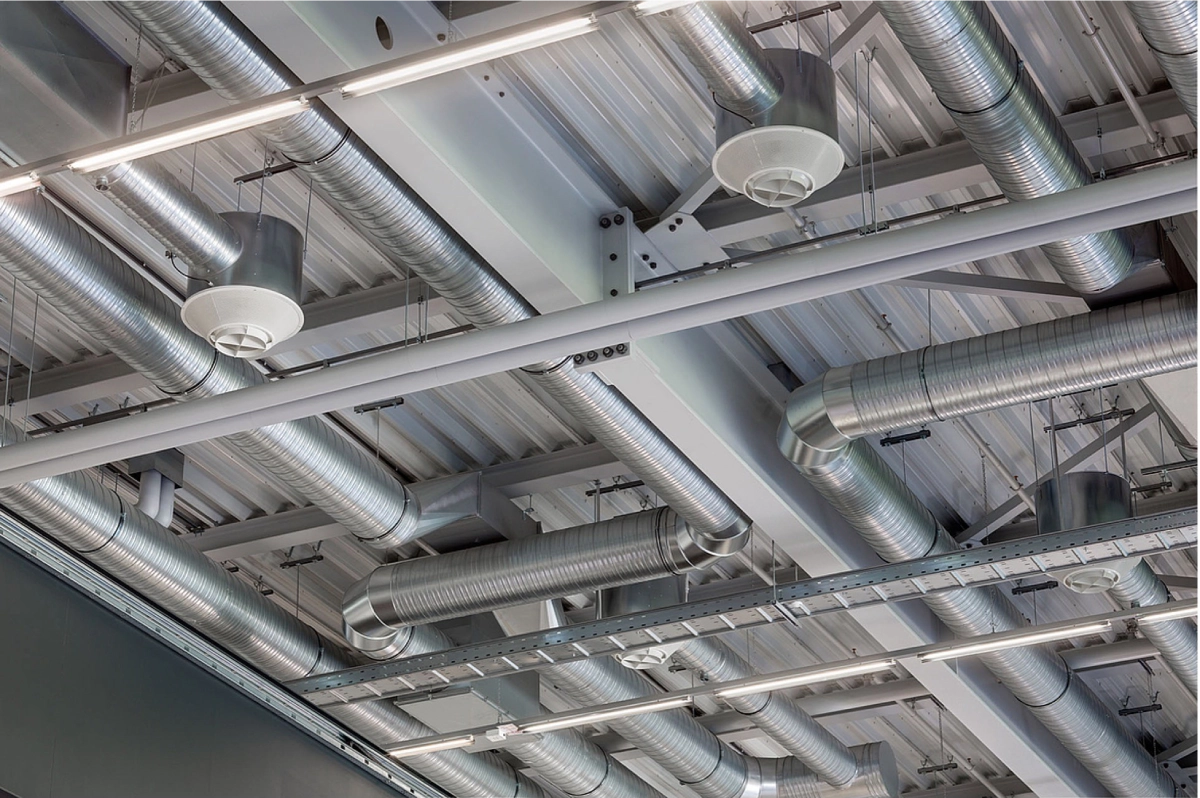
How good air circulation improves your shopping experience?
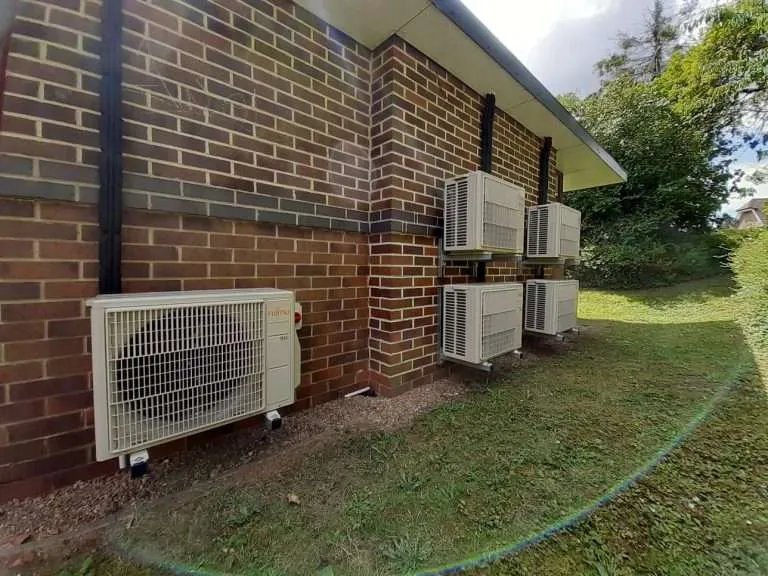
Duct fans: comprehensive applications and points to consider
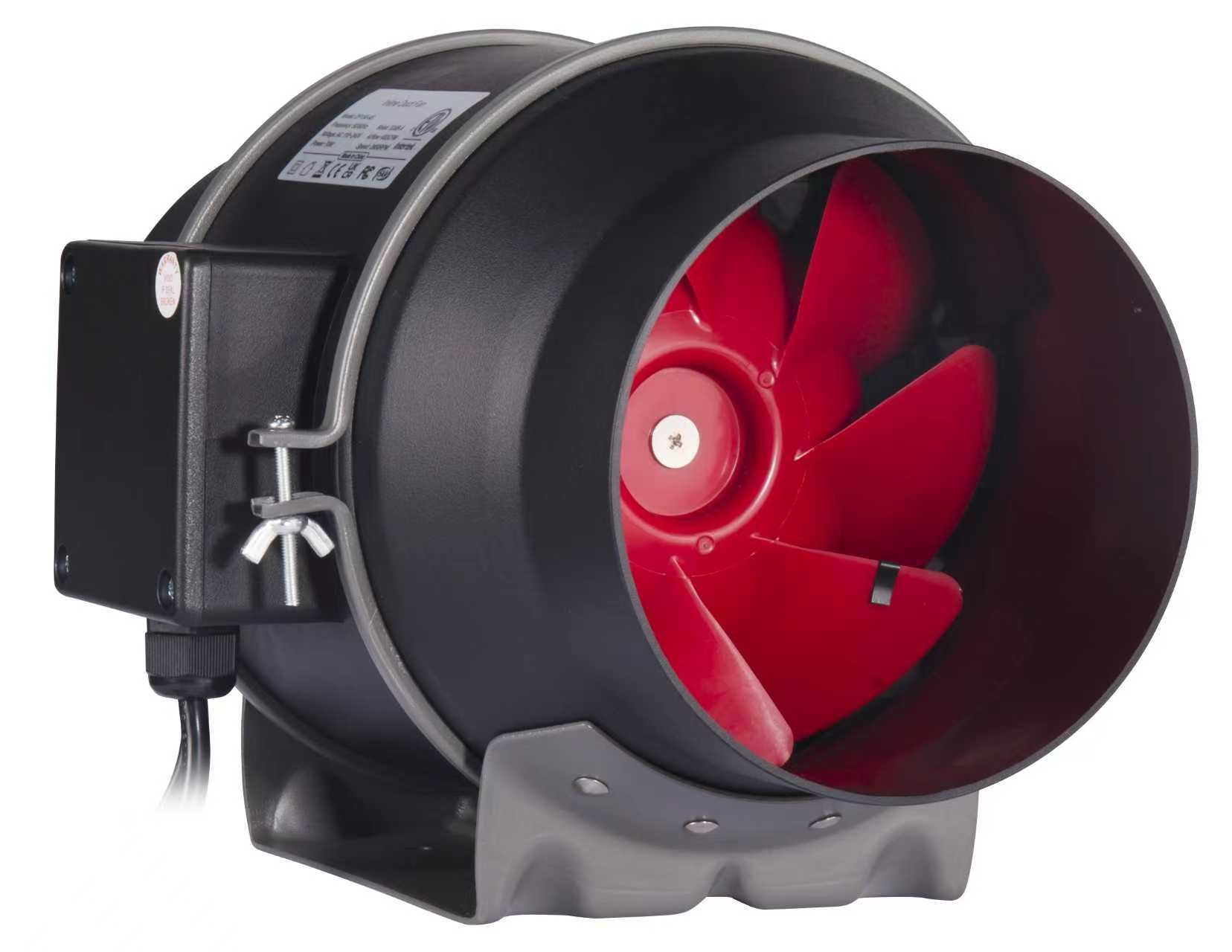
Ventilation in hospitals and healthcare facilities

Boiler or stove: how to decide?
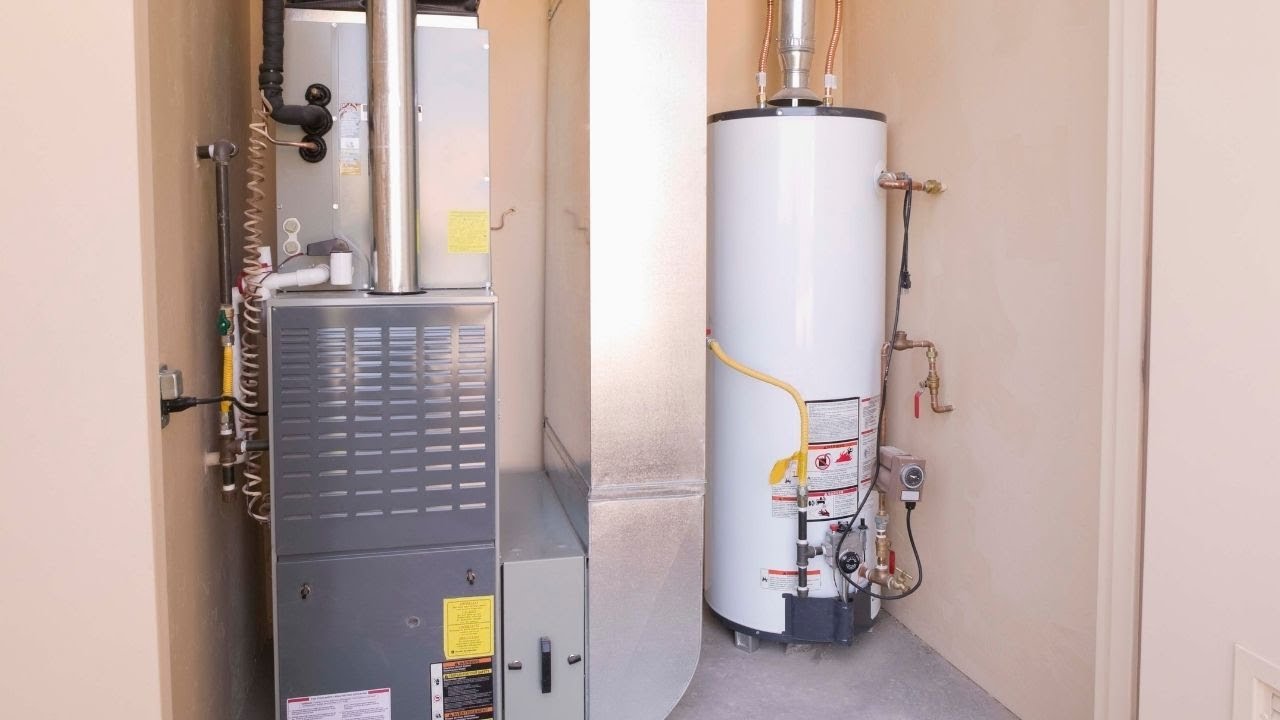
What type of heating is best for an old house?
How to calculate the required boiler capacity?

Boiler pressure keeps dropping — what is the reason?
Why Does My Boiler Keep Turning Off?

Boiler Size; This Really Matters
Choosing the Right Boiler Size for Your Home

Should I Keep The Boiler Running Continuously?
Noisy Boiler: Possible Causes And Solutions
The Importance of the Expansion Tank