What are VRF systems and which buildings are they suitable for?
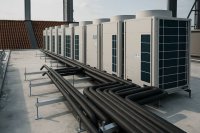
Managing temperature in large buildings often presents significant challenges. Traditional heating and cooling systems may struggle to maintain a consistent indoor climate throughout large spaces while consuming considerable amounts of energy.
To overcome these limitations, VRF (Variable Refrigerant Flow) technology was developed.
A VRF system is a modern centralized heating and cooling solution consisting of one or more indoor and outdoor units that precisely control the flow of refrigerant.
This technology allows different temperature settings to be maintained simultaneously in different areas of a building. For example, one section of an office can be cooled while another section can be heated at the same time.
How Does a VRF System Work?
A VRF system operates based on a simple yet highly efficient working principle.
Cooling Mode:
Indoor units absorb heat from the rooms;
The outdoor unit releases this heat into the outside environment.
Heating Mode:
The process works in reverse;
Heat is absorbed from the outdoor environment and transferred indoors.
The system operates using two key components:
Inverter compressor
Electronic Expansion Valve (EXV)
Unlike traditional HVAC systems that operate through simple on/off cycles, VRF systems continuously adjust the compressor capacity and refrigerant flow according to the actual requirements of each zone.
When a specific area requires additional heating or cooling, the compressor and expansion valve automatically adjust performance levels, preventing temperature fluctuations and improving comfort.
This advanced inverter technology is similar to the technology used in modern energy-efficient air conditioners and refrigeration systems.
Heat Recovery Function
One of the most innovative features of VRF systems is the Heat Recovery function.
For example, if one area of a building requires cooling while another area requires heating, the system does not waste the heat generated during the cooling process.
Instead, this heat is recovered and redirected to areas where heating is needed.
This energy recycling process can reduce overall energy consumption by approximately 30–40% compared to traditional HVAC systems.
Advanced sensors and intelligent control systems make this efficient energy management possible.
Advantages of High-Tech Heating and Cooling Systems
Due to their advanced capabilities, VRF systems are suitable for a wide range of buildings, including:
Hotels;
Office buildings;
Residential complexes;
Hospitals;
Educational institutions;
Industrial facilities.
The main advantages of VRF technology include:
Energy Efficiency
VRF systems provide high energy efficiency due to:
The absence of large air ducts;
Use of inverter compressors;
Heat recovery technology.
These features significantly reduce energy consumption compared to conventional HVAC solutions.
High Comfort Level
One of the biggest advantages of VRF systems is individual zone control.
Each area of a building can be heated or cooled separately according to specific requirements.
This provides:
Personalized temperature control;
Improved indoor comfort;
Reduced temperature fluctuations;
Better working environments.
Reliable Performance in Extreme Conditions
Modern VRF systems are designed to operate efficiently under challenging weather conditions.
Advanced compressor technologies allow some systems to operate:
In heating mode at temperatures as low as –30°C;
In cooling mode at temperatures up to +50°C.
This makes VRF systems suitable for different climates and environments.
Architectural Flexibility
VRF systems provide greater flexibility for architects and designers.
Unlike traditional HVAC systems that require large air ducts, VRF systems use smaller refrigerant pipes that can easily be hidden inside ceilings or walls.
Benefits include:
Better interior design flexibility;
Efficient use of space;
Easier installation in complex buildings.
Installation and Maintenance of VRF Systems
The efficiency and reliability of a VRF system depend heavily on professional installation and regular maintenance.
Because VRF systems are advanced and complex technologies, installation should always be performed by qualified specialists.
Refrigerant Piping Installation
During installation:
High-quality pipes are selected;
Precise welding is performed using specialized equipment;
The system is pressure-tested for leaks;
Air and moisture are removed from the piping system.
System Programming and Commissioning
After installation, all components are configured and programmed, including:
Outdoor units;
Indoor units;
Controllers.
This ensures that all components communicate correctly and operate as one integrated system.
Regular Maintenance
To ensure long-term performance, VRF systems require regular maintenance.
Maintenance is usually recommended twice a year.
Service procedures include:
Cleaning filters;
Checking electrical components;
Inspecting refrigerant pipes;
Evaluating overall system performance.
Which Buildings Are Suitable for VRF Systems?
VRF systems are an ideal solution for:
Large office buildings;
Hotels;
Shopping centers;
Hospitals;
Universities and schools;
Residential complexes;
Industrial facilities.
VRF systems are among the most advanced, intelligent, and energy-efficient heating and cooling solutions available today.
They provide significant advantages, including:
Energy savings;
High comfort levels;
Flexible installation options;
Reliable long-term performance.
However, achieving maximum efficiency requires proper system design, professional installation, and regular maintenance.
When correctly implemented, VRF technology provides buildings with long-term comfort, reduced energy costs, and superior climate control performance.
Other Manufacturing Sectors
How to Reduce Energy Losses in Local Exhaust Ventilation Systems
How to Choose the Right Material for HVAC Pipes
Enhancing workplace efficiency: The strategic importance of selecting quality flexible air ducts
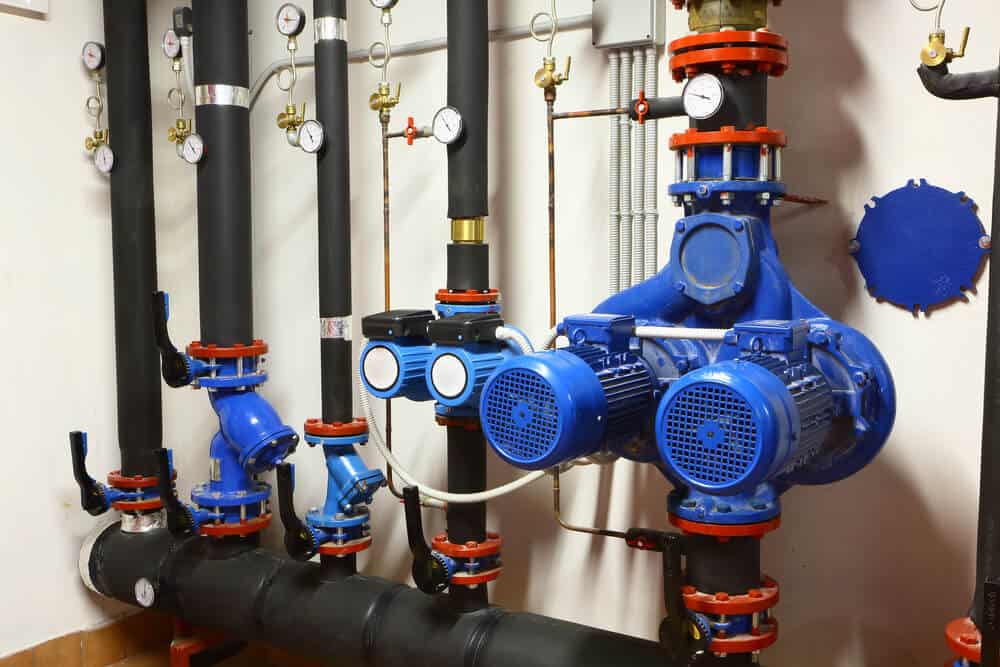
What is a boiler room system and how do you choose the right equipment for your project?
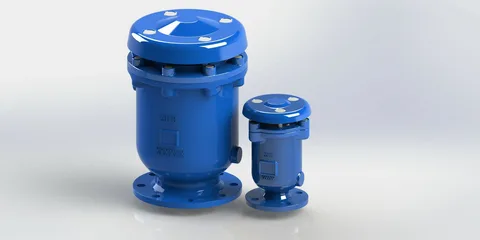
Measurement Equipment and Safety Valves: Safety and Control in Heating Systems
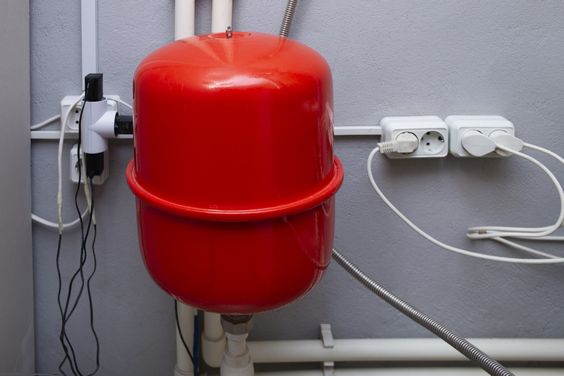
The Role and Importance of Expansion Tanks in Heating Systems
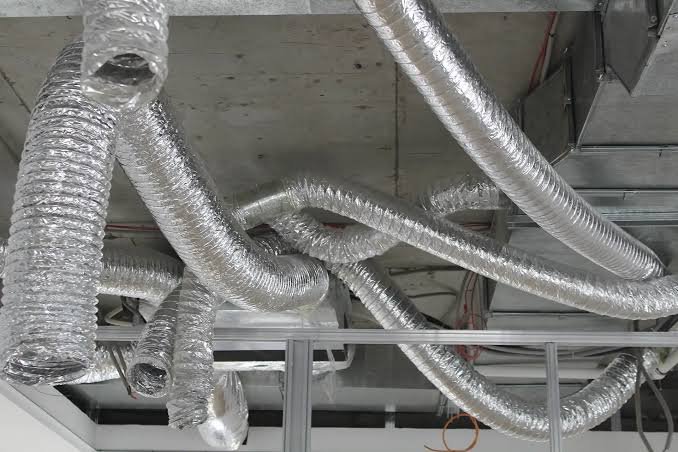
6 signs your building needs better ventilation

How to choose the right ductwork?
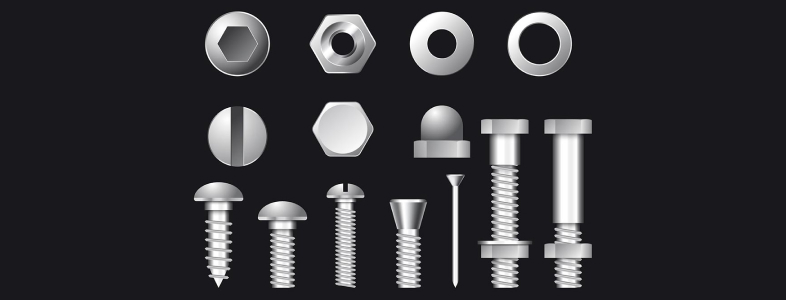
Types of Bolts: Components, Sizes, and Applications
Threaded Rod: Types, Applications, and Selection Guide
The importance of material selection in mechanical engineering: Ensuring optimal performance and longevity
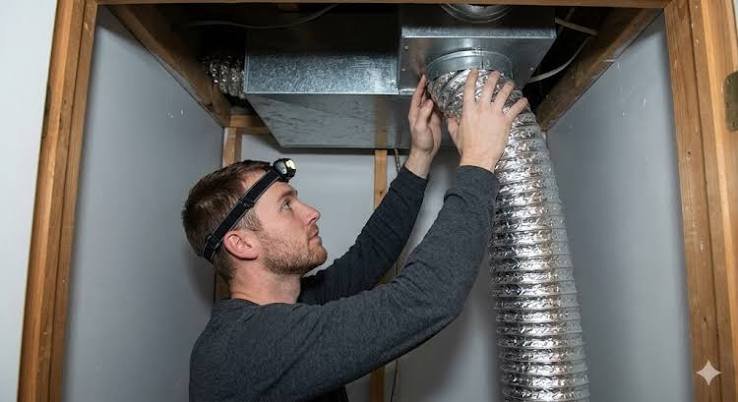
Insulated vs Non-Insulated flexible ducting | Buyer's guide
10 Key Factors to Consider When Choosing a Good Industrial Steam Boiler
10 Smart Ways to Improve Home Energy Efficiency Without Replacing Your Boiler
The importance of proper mechanical process installations

What are VRF systems and which buildings are they suitable for?
Advantages of insulated air ducts and why they are important
Energy-efficient heating systems: Which solutions are the most effective?
What are MEP systems and why are they important in construction projects?
The role of ventilation systems in creating a healthy and comfortable environment

Thermal Insulation: What Is It and How Is It Used?

What are accumulation tanks and why are they worth using?
Ofislərdə düzgün soyutma sistemi məhsuldarlığa necə təsir edir?

HVAC sistemlərinin ağıllı ev sistemləri ilə inteqrasiyası
Breathing made easy: the undeniable benefits of a home ventilation system.
What are ball valves and how do they work?
Comparison of threaded pipe and welded pipe: which is better for your project?
The role of ventilation in ensuring fire safety and smoke control.
How good air circulation improves your shopping experience?
Duct fans: comprehensive applications and points to consider