Why does condensation form on windows and how can you prevent it?

When you notice water droplets or fog forming on your windows, it is natural to be concerned. Does this mean the window is poor quality? Could there be a leak or some kind of damage?
In reality, window condensation is a common issue and is often caused by something completely different — high indoor humidity and good insulation.
In this article, we will explain what window condensation is, why it occurs, when it can become a problem, and most importantly, how you can reduce and prevent it.
What Is Window Condensation?
Window condensation is the formation of water droplets, fog, or frost on the surface of the glass.
It usually occurs when humid indoor air comes into contact with a colder surface, such as window glass. Condensation can form on the inside or outside surface of a window and, in some cases, between the panes of an insulated glass unit.
Why Does Condensation Form on Windows?
The cause of condensation depends on where it appears on the window.
Interior Condensation
Interior condensation is the most common type.
It occurs when warm, humid indoor air comes into contact with the colder surface of the window glass, causing water droplets to form.
This problem is particularly common during the fall and winter months. Heating the home and having a well-insulated building can reduce natural ventilation, which may cause indoor humidity levels to increase.
Exterior Condensation
Exterior condensation forms on the outside surface of a window.
It commonly occurs during spring and fall when outdoor humidity and temperatures create the right conditions for condensation.
Exterior condensation is generally harmless and usually disappears naturally as the temperature rises during the day.
Condensation Between Glass Panes
If you notice moisture or fog between the panes of a double- or triple-glazed window, it may indicate that the sealed glass unit has lost its airtight seal.
When this happens, insulating gas such as argon or krypton may escape. As a result, the window's thermal insulation and energy efficiency can be reduced.
In this situation, it is recommended to have the window inspected by a qualified professional.
When Is Condensation a Problem?
Not all condensation is a cause for concern.
Condensation on the exterior surface is generally an aesthetic issue and does not usually indicate a serious problem. Interior condensation, on the other hand, is often a sign of high indoor humidity rather than a faulty window.
However, action should be taken if condensation persists or if you notice:
Mold around the windows
Moisture on the walls or window frames
Peeling or bubbling paint
Water marks around the window
Consistently high indoor humidity
Long-term moisture can damage not only windows but also walls and other building materials.
How to Prevent Interior Window Condensation
Although you cannot control the weather, you can take several steps to reduce indoor humidity and minimize condensation.
Use Exhaust Fans
Use exhaust fans in bathrooms, kitchens, and laundry rooms to remove excess moisture from the air.
Proper ventilation is particularly important after cooking, taking a shower, or washing clothes.
Improve Ventilation
On mild days, opening windows for a short period can improve air circulation and help reduce excess humidity.
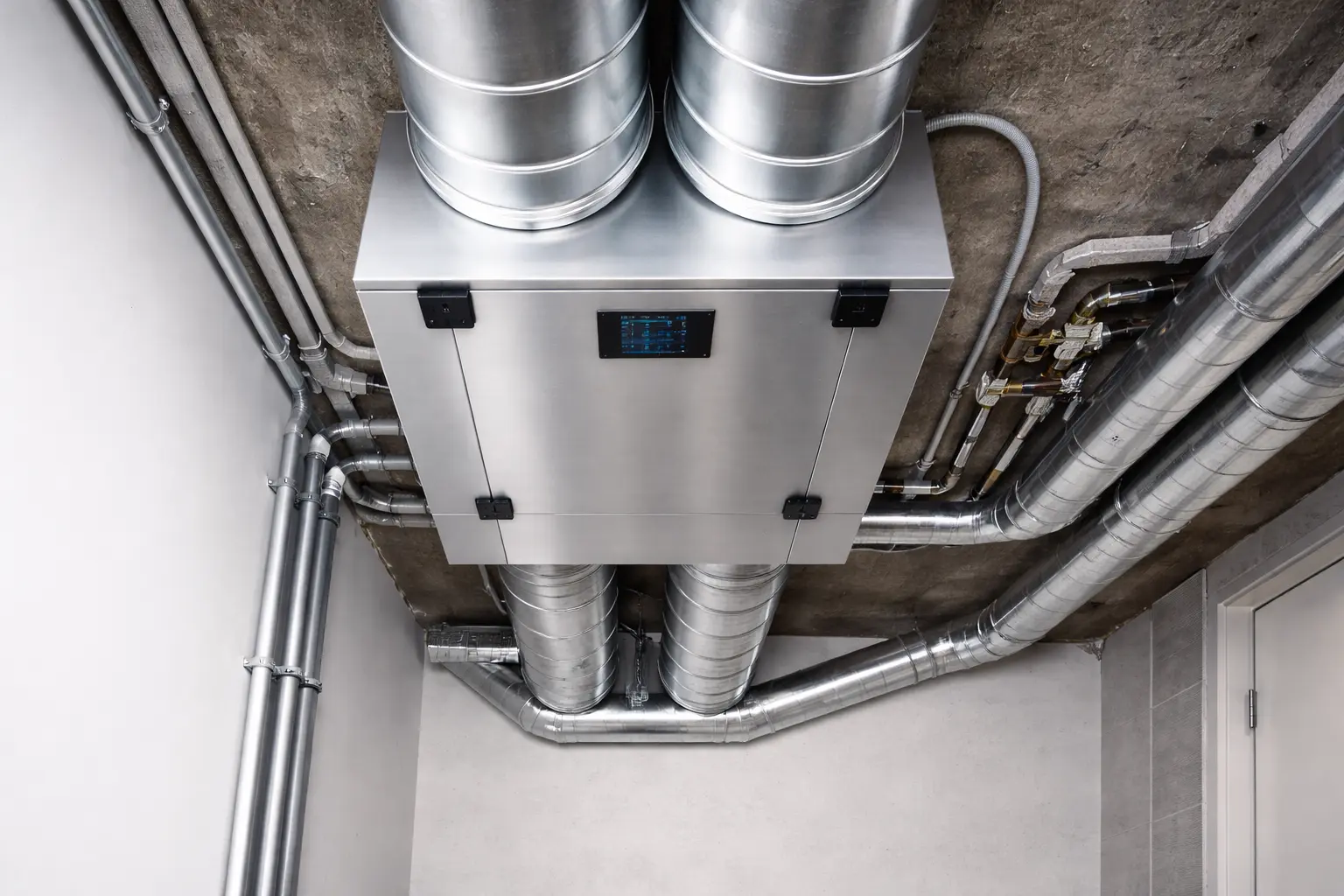
For more effective air exchange, you can also consider installing a mechanical ventilation system.
Use a Dehumidifier
In rooms with high humidity, particularly basements and modern, well-insulated homes, a dehumidifier can help reduce excess moisture in the air.
Maintain a Consistent Indoor Temperature
Maintaining a stable indoor temperature can help reduce the risk of condensation.
During cold weather, it is generally better to maintain a comfortable and consistent temperature rather than allowing indoor temperatures to fluctuate significantly.
Reduce Indoor Sources of Moisture
Pay attention to everyday activities that can increase humidity inside your home:
Use lids when cooking.
Avoid drying clothes indoors whenever possible.
Avoid having an excessive number of indoor plants.
Ventilate the bathroom properly after taking a shower.
Keep Curtains and Blinds Open
During the day, keeping curtains and blinds open can allow warm air to circulate more freely around the window and may help reduce condensation on the glass.
The Role of Ventilation Systems in Preventing Condensation
Since high indoor humidity is one of the main causes of interior window condensation, a proper ventilation system plays an important role in maintaining a comfortable indoor environment.
An effective ventilation system removes humid indoor air and allows fresh air to enter the building.
This is particularly important in modern, well-insulated and airtight buildings, where properly designed ventilation systems can help maintain better air quality and humidity levels.
Conclusion
Window condensation is a common phenomenon and does not necessarily mean that your windows are poor quality.
In most cases, interior condensation is associated with high humidity and insufficient air circulation. Exterior condensation is generally a normal and temporary occurrence.
However, if you notice persistent moisture between glass panes, mold around windows, peeling paint, or other signs of moisture damage, it is important to identify the underlying cause and consult a professional.
Proper ventilation, appropriate indoor humidity levels, and quality insulation can help reduce window condensation while creating a healthier and more comfortable indoor environment.
Other Manufacturing Sectors
Why does condensation form on windows and how can you prevent it?
How to Reduce Energy Losses in Local Exhaust Ventilation Systems
How to Choose the Right Material for HVAC Pipes
Enhancing workplace efficiency: The strategic importance of selecting quality flexible air ducts
What is a boiler room system and how do you choose the right equipment for your project?
Measurement Equipment and Safety Valves: Safety and Control in Heating Systems
The Role and Importance of Expansion Tanks in Heating Systems
6 signs your building needs better ventilation

How to choose the right ductwork?
Types of Bolts: Components, Sizes, and Applications

Threaded Rod: Types, Applications, and Selection Guide
The importance of material selection in mechanical engineering: Ensuring optimal performance and longevity

Insulated vs Non-Insulated flexible ducting | Buyer's guide
10 Key Factors to Consider When Choosing a Good Industrial Steam Boiler
10 Smart Ways to Improve Home Energy Efficiency Without Replacing Your Boiler
The importance of proper mechanical process installations

What are VRF systems and which buildings are they suitable for?

Advantages of insulated air ducts and why they are important

Energy-efficient heating systems: Which solutions are the most effective?
What are MEP systems and why are they important in construction projects?
The role of ventilation systems in creating a healthy and comfortable environment

Thermal Insulation: What Is It and How Is It Used?
What are accumulation tanks and why are they worth using?
Ofislərdə düzgün soyutma sistemi məhsuldarlığa necə təsir edir?

HVAC sistemlərinin ağıllı ev sistemləri ilə inteqrasiyası

Breathing made easy: the undeniable benefits of a home ventilation system.
What are ball valves and how do they work?
Comparison of threaded pipe and welded pipe: which is better for your project?
The role of ventilation in ensuring fire safety and smoke control.
How good air circulation improves your shopping experience?