


Your Home’s “Thermos” Effect: The Secret to Staying Warm in Winter and Cool in Summer
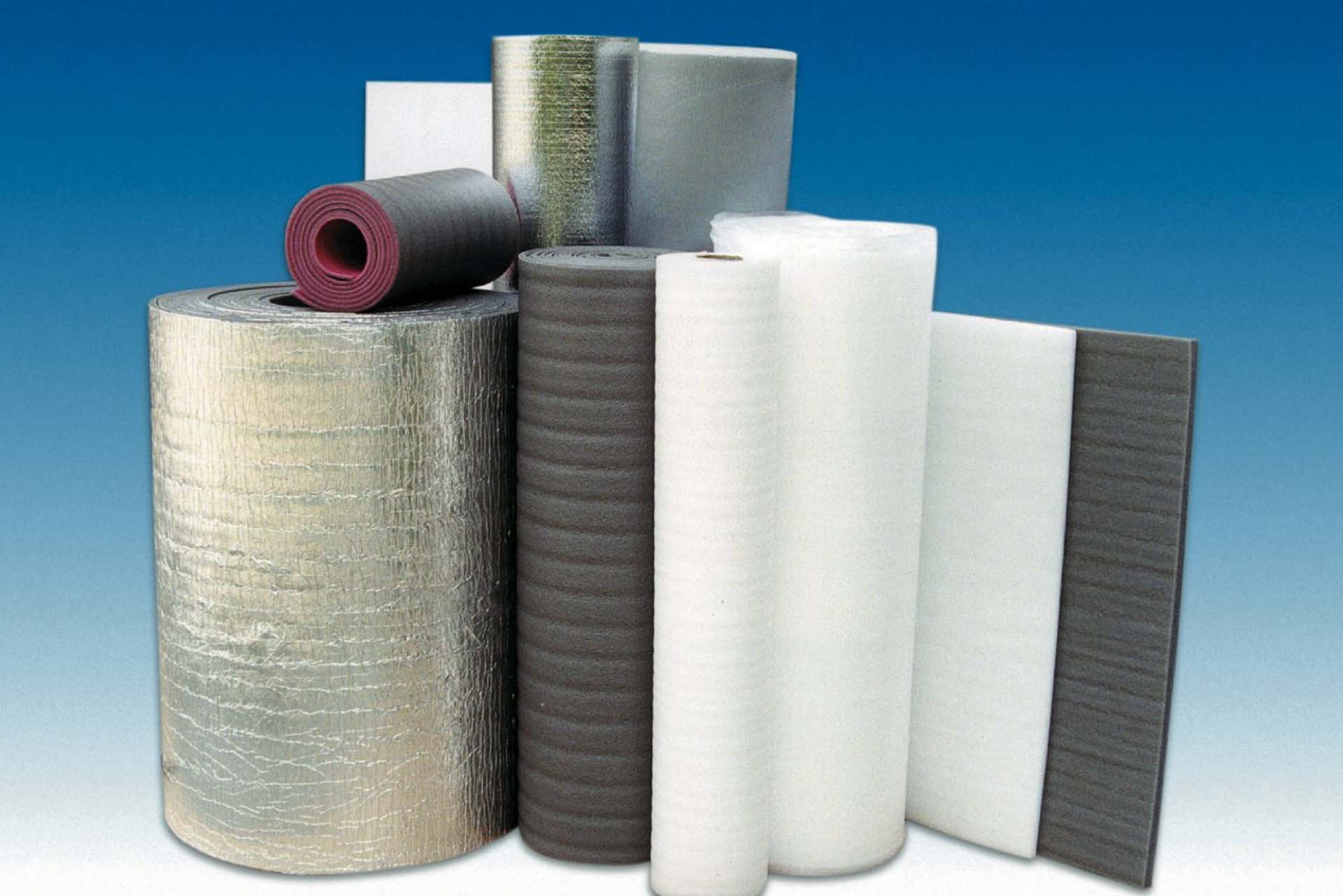
Thermal Insulation and Its Importance
Recently, thermal insulation has been in the spotlight, especially due to the growing focus on energy efficiency and environmental sustainability in industries ranging from construction and manufacturing to energy production. This process is designed to reduce the rate of heat transfer between objects in thermal contact. It helps reduce the energy costs of buildings, as less energy is required for heating and cooling, allows maintaining the desired temperature more efficiently, and reduces greenhouse gas emissions. This blog explores in more detail what thermal insulation is, how it functions, and how it is applied in residential and industrial settings.
What is thermal insulation?
Thermal insulation can be defined as a process used to reduce heat transfer between objects or spaces. Essentially, it involves creating barriers to prevent heat from escaping a warm area or entering a cooler one. From a scientific perspective, thermal insulation resists heat flow through conduction and is usually measured by the material’s thermal resistance, known as the R-value.
The R-value can be defined as a material’s resistance to heat flow. The higher the R-value, the better the material insulates. As a result, this is an important concept in construction and design, as it helps us understand how effective an insulation material is under different climate conditions and applications. Insulation with a high R-value is best suited for cold regions, as it helps prevent heat loss from buildings. In warm climates, materials with lower R-values are used to prevent heat buildup inside buildings.
What is thermal insulation used for?
Thermal insulation is an essential process used in residential, commercial, and industrial sectors to control temperature, improve energy efficiency, and reduce costs associated with energy consumption. Residential buildings typically insulate their walls, roofs, attics, and floors to keep homes warm in winter and cool in summer.
Similarly, commercial buildings use thermal insulation like residential buildings but on a larger scale, ensuring stable indoor temperatures in offices, shopping centers, and warehouses. In industrial settings, thermal insulation is crucial for controlling process temperatures, ensuring equipment safety, and complying with safety standards. For example, industrial facilities insulate pipes and boilers to prevent heat loss and increase the efficiency of steam or hot water systems.
Another application of thermal insulation is in refrigeration units and HVAC systems, where it helps maintain the desired temperature, reduce energy consumption, and extend the lifespan of equipment. Additionally, there has been an increase in the use of insulation materials in the transportation sector, particularly in the automotive and aerospace industries, helping manage heat loads and improve passenger comfort and safety.
How does thermal insulation work?
Understanding how thermal insulation works means understanding how heat is transferred from one body to another. There are three mechanisms of heat transfer:
- Conduction occurs during heat transfer between solid objects due to molecular vibration. Insulation materials resist conductive heat transfer by trapping air or other gases within their structure, thereby slowing down the movement of heat.
- Convection involves the transfer of heat through fluids (liquids or gases), such as air or water. Insulation materials restrict airflow, reducing heat loss or gain during movement and thus preventing convective heat transfer.
- Radiation is the transfer of heat in the form of electromagnetic waves. Reflective insulation materials, such as aluminum surfaces, work by reflecting radiant heat away from the insulated space, minimizing heat gain.
When choosing the most effective thermal insulation, several other properties can be considered, such as specific heat capacity, thermal resistance, and thermal conductivity. Materials with low thermal conductivity and high R-values are the most effective at reducing heat transfer, which is why Thermtest aims to provide reliable and accurate thermophysical solutions.
Conclusion
Thermal insulation is an effective way to improve energy efficiency, reduce costs, and contribute to sustainability across multiple sectors. When homeowners, builders, and professionals have a working knowledge of different insulation materials and their benefits, they are better prepared to choose the best solution for their needs. Therefore, effective thermal insulation not only enhances comfort and safety but is also essential for a sustainable future.
In conclusion, whether insulating a home to keep it warm in winter or preventing heat loss in an industrial environment, choosing the right insulation materials and methods makes a significant difference. As technology continues to advance, the importance of thermal insulation will remain fundamental, and new innovations will promise even greater energy savings and environmental benefits.
Other Manufacturing Sectors
Can you dry clothes on bathroom towel radiators?
Common Insulation Problems
The Importance of Proper Insulation in Home Heating
Combi Boiler vs System Boiler: Which Is Best for Your Home?
How to Prepare Your Home for HVAC Installation: 9 Essential Tips
HVAC for New Construction: What You Need to Know
How to choose the best boilers for schools in 2026?
How to clean a gas boiler?
What is mechanical ventilation?
How to improve air quality during allergy season

The truth behind common myths about air purifiers

Choosing Clamps for Professionals: Structure, Types and Applications

The Role and Importance of Measurement Equipment in Industry
Safety Gloves: A Small Tool, Big Protection
Your Home’s “Thermos” Effect: The Secret to Staying Warm in Winter and Cool in Summer
Practical Guide: Maintenance, Efficiency, and Safety of Boiler Room Systems

The Hidden Heroes of Our Home: Radiators

How Radiators Work: The Heat Distributors of Your Home

Boiler Rooms Explained: The Core of Home Heating

Energy-Efficient Home Heating Options: A Complete Guide

Why Is Regular Maintenance of HVAC Systems Important?

Control and Safety Devices in the Boiler Room: Essential Components for Your System

What is HVAC? Fundamentals of Heating and Cooling Systems

The ventilation systems in large buildings

Radiators vs Underfloor Heating: Which Works Better with Heat Pumps?

Radiators and Heating Systems: Comfortable and Energy-Efficient Solutions for Your Home

HVAC Pipe Insulation – Energy Saving and Stable Temperature Maintenance

What Don’t We Know About Ventilation Systems?

The Importance of Insulation for Energy Efficiency

Şüşə Yunu ilə Boru İzolyasiyası Nədir və Niyə Vacibdir?
