


What is HVAC? Fundamentals of Heating and Cooling Systems

Simple maintenance can significantly extend the lifespan of a central air conditioner.
You have probably seen this acronym on the side of a service vehicle and wondered, “What does HVAC mean?” It sounds very important — and it truly is: HVAC stands for heating, ventilation, and air conditioning. These are systems used to manage indoor climate and air quality.
In winter, we expect heating systems to keep us warm, and in summer, we rely on air conditioning to stay cool.
However, most of us do not know how these systems work. What is the difference between a heat pump and a heat exchanger? And what exactly is an “air handler”? Understanding how the heating and cooling systems in your home function can help prevent problems before they become serious.
What Is an HVAC System?
A heating, ventilation, and air conditioning (HVAC) system is a comprehensive solution for regulating comfort conditions in buildings and vehicles. Its primary purpose is to provide indoor climate control, maintaining optimal temperature, airflow, and air quality.
Heating
The heating component is responsible for raising the temperature inside a building during colder months. This is typically achieved using a furnace or a boiler, which heat air or water respectively. The heat is distributed throughout the space via ducts or radiators.
Ventilation
Ventilation is essential for maintaining indoor air quality. It ensures the exchange of indoor air with outdoor air, removing moisture, odors, smoke, heat, dust, airborne bacteria, and carbon dioxide, while replenishing oxygen.
Ventilation can be achieved mechanically (for example, using fans and ductwork) or naturally (through windows and vents).
Air Conditioning
Air conditioning — usually the most recognizable part of an HVAC system — cools indoor air during warmer periods. It removes heat and moisture from the indoor environment and releases it outside through a system of coils filled with refrigerant.
Modern HVAC systems are designed with energy efficiency in mind and may include air filters, humidifiers, and dehumidifiers to further improve the indoor environment.
How Do Heating and Cooling Systems Work?
Climate control systems in homes and buildings consist of three main components:
A source for heating or cooling the air
A mechanism for distributing the air
A control device (such as a thermostat)
Typically, the same system distributes and controls both warm air from a furnace and cool air from an air conditioner. For example, in homes with central air conditioning, cool air travels through the same ductwork used for heating and is regulated by the same thermostat.
The basic principle behind heating and cooling is the transfer of heat from a warmer area to a cooler one. Furnaces and heaters add heat to the air to warm a home, while air conditioners remove heat to cool it.
These systems operate on different energy sources:
Air conditioners typically run on electricity.
Heating systems may use gas, fuel oil, or electricity.
An electric heat pump performs both heating and cooling functions. In summer, it removes heat from the air inside the home, and in winter, it extracts heat from outdoor air to warm the house.
When a furnace operates, it burns fuel to produce heat, which is then delivered through ducts, pipes, or wires to radiators or heating panels.
In older systems, water is heated to warm the air. A boiler heats the water, and the hot water circulates through pipes located in walls, floors, or ceilings.
When an air conditioner is turned on, electrical energy converts gas into a liquid state. This process cools the air in the coil, and the cooled air is then directed into rooms through ducts.
Heating and Cooling Distribution Systems
Once air is heated or cooled at the source, it must be distributed to various rooms in the home. This can be accomplished using the following systems:
Forced-Air System
In this system, an electrically powered fan (blower) pushes warm air from the furnace or cool air from the air conditioner through metal ducts into the rooms of the house.
As warm air enters the rooms, cooler air returns to the furnace through a separate set of ducts to be reheated.
This system is adjustable — the airflow in the home can be increased or decreased as needed. Central air-conditioning systems use the same mechanism.
Gravity System
This system is based on the principle that warm air rises and cold air sinks. Therefore, a gravity system cannot be used to distribute cool air from an air conditioner.
In such systems, the furnace is usually located at floor level, and warm air rises upward, spreading throughout the rooms.
Radiant Systems
These systems operate by heating walls, floors, or ceilings. The warmed surfaces then heat the surrounding air in the room.
The most common radiant systems are radiators and convectors that operate with hot water.
In modern systems, hot water pipes are installed beneath a concrete floor slab. As the concrete warms up, it heats the air.
Older systems may experience issues such as clogged pipes or boiler malfunctions. Modern systems use pumps and are designed to minimize such problems.
Controls for Heating and Cooling Systems
The thermostat is the primary device for controlling the temperature in a home. It responds to changes in air temperature at its location and automatically turns the system on or off.
In older thermostats, a bimetallic element bends as the temperature changes and opens or closes electrical contacts.
Modern thermostats use more precise and sensitive electronic systems. However, when they malfunction, they usually require full replacement rather than repair.
Other Manufacturing Sectors
What is unbalanced airflow?
Why Pressure Loss Matters in Ventilation Ductwork Design
Why is one room hotter than the rest of the house?
10 signs that your home’s air quality needs improvement
The Importance of Ventilation Filters
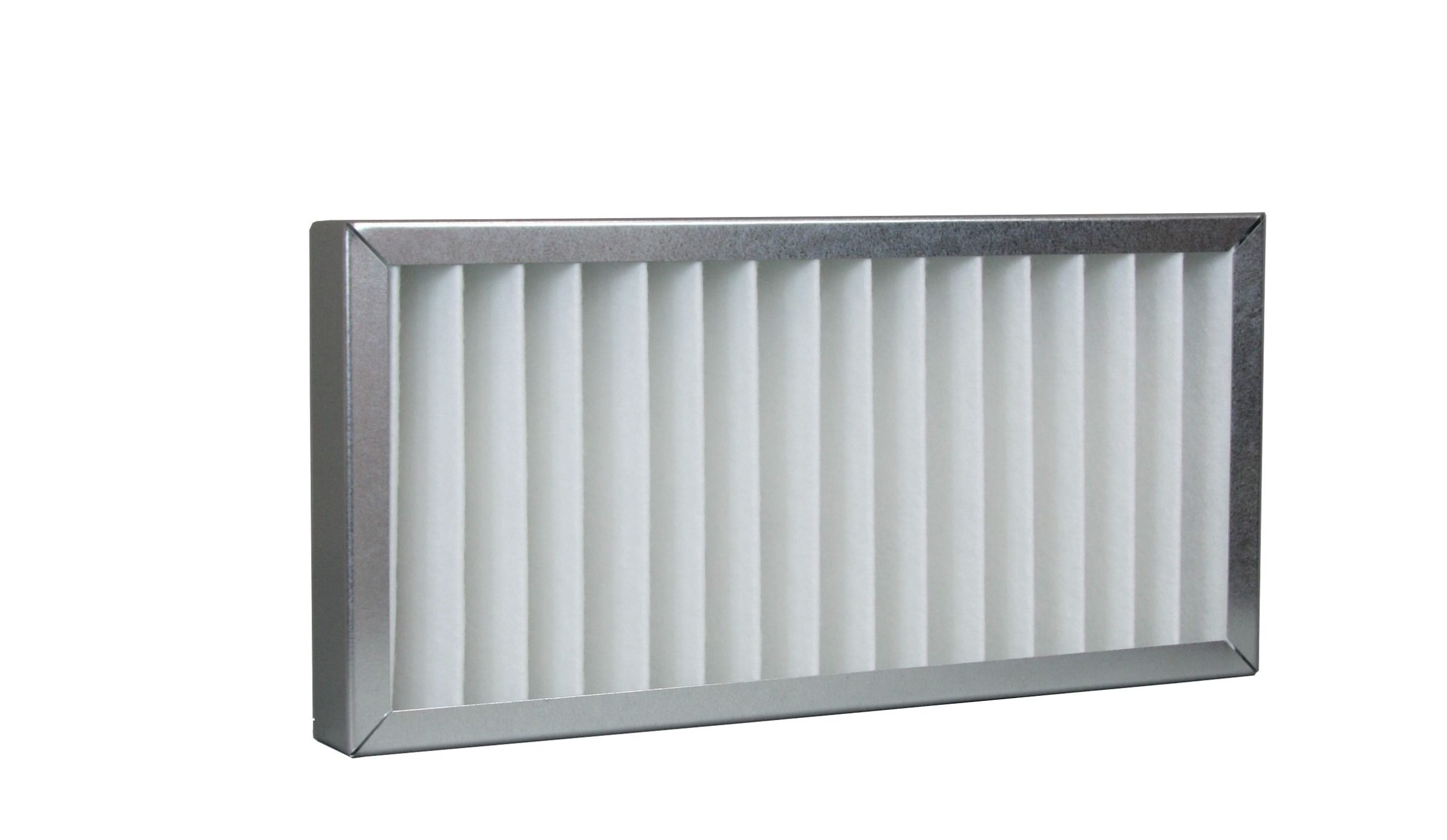
How to choose the right ventilation system for offices, warehouses and restaurants
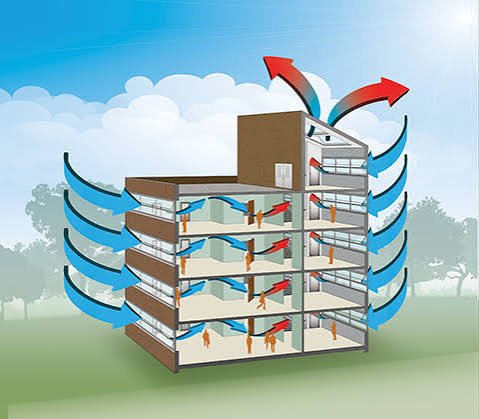
Critical components of hospital ventilation systems that require regular testing
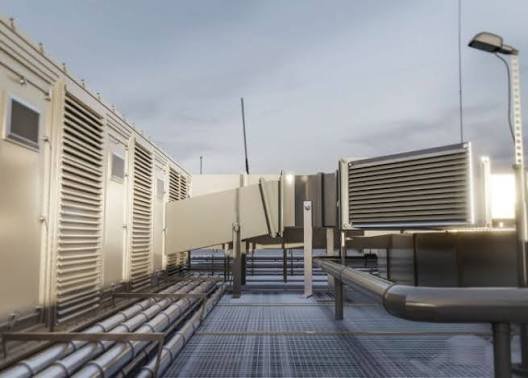
Top 5 Ways to Improve Energy Efficiency in Commercial Buildings
Why your air conditioner Is running but not cooling the room

Why does condensation form on windows and how can you prevent it?

How to Reduce Energy Losses in Local Exhaust Ventilation Systems
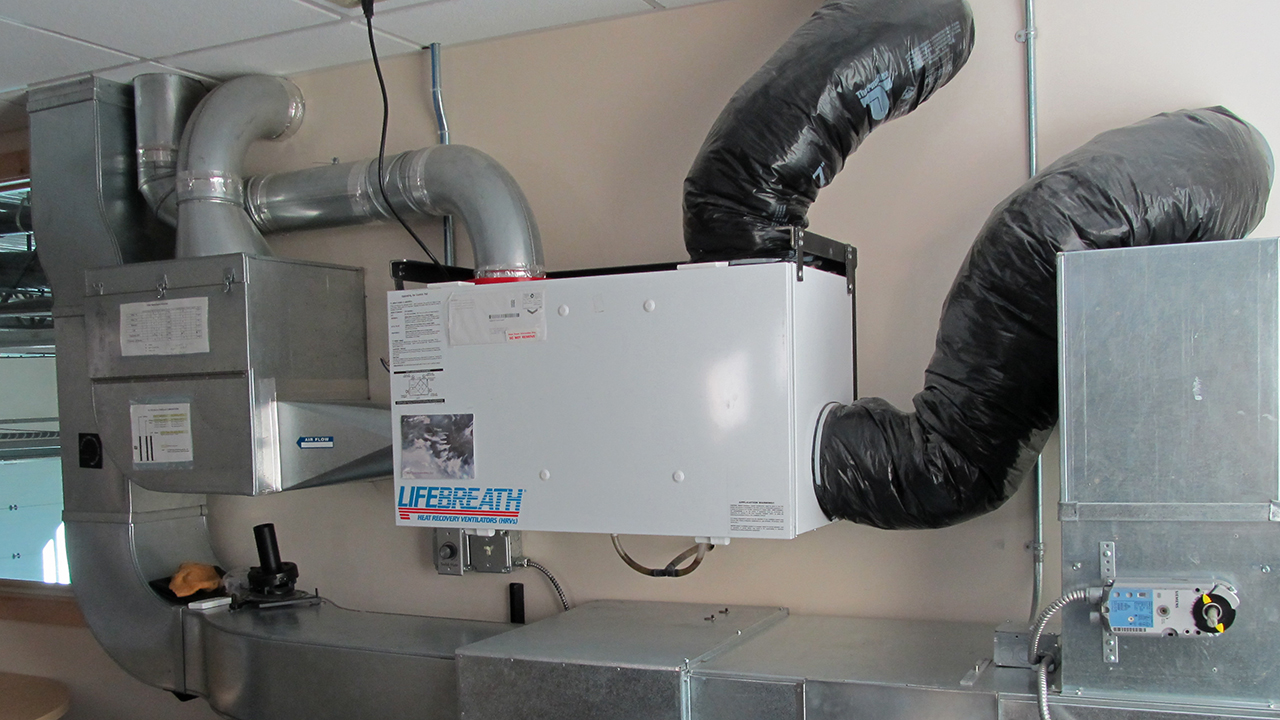
How to Choose the Right Material for HVAC Pipes
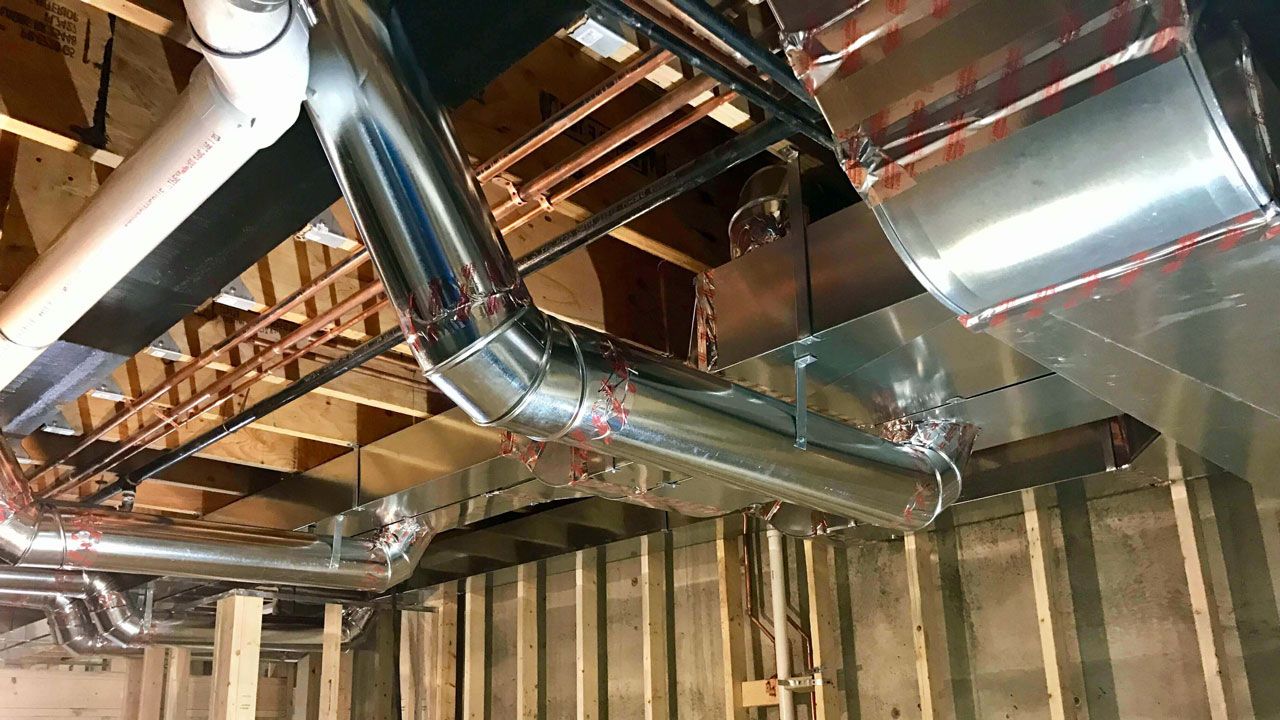
Enhancing workplace efficiency: The strategic importance of selecting quality flexible air ducts
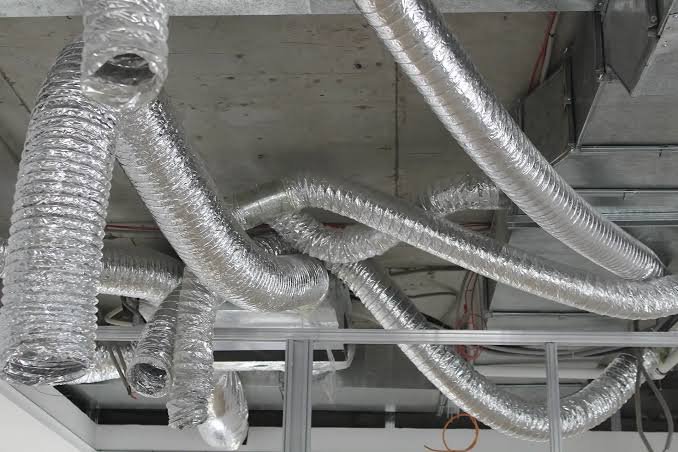
What is a boiler room system and how do you choose the right equipment for your project?
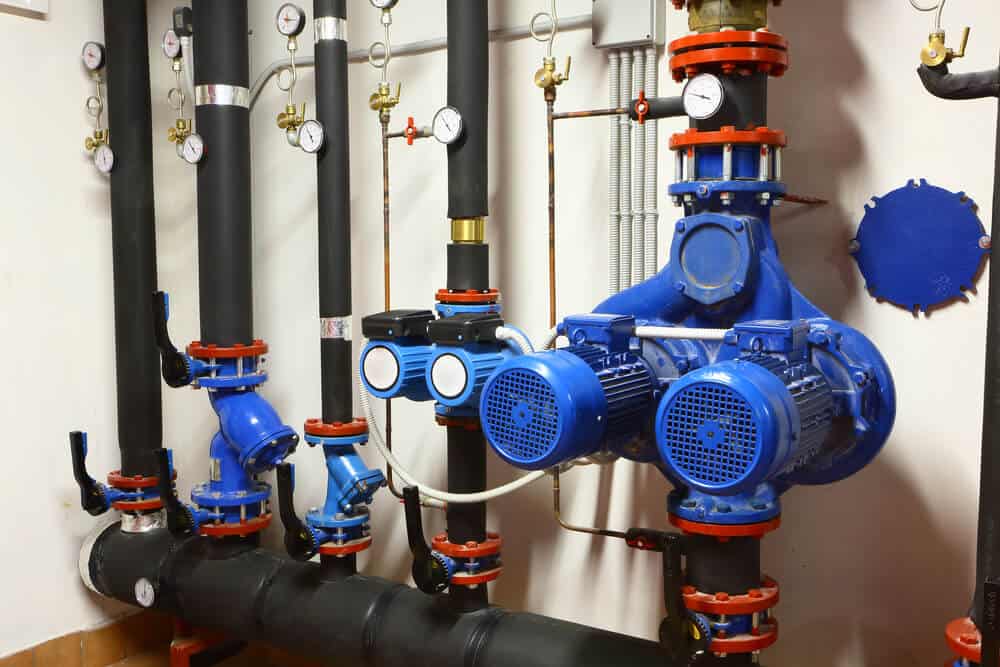
Measurement Equipment and Safety Valves: Safety and Control in Heating Systems
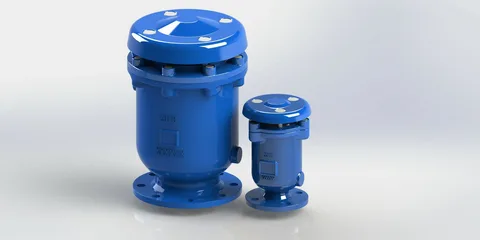
The Role and Importance of Expansion Tanks in Heating Systems
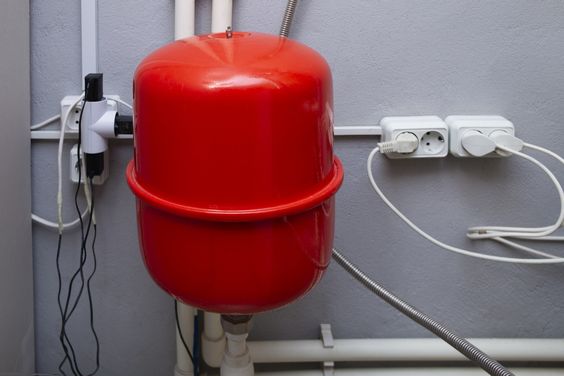
6 signs your building needs better ventilation

How to choose the right ductwork?
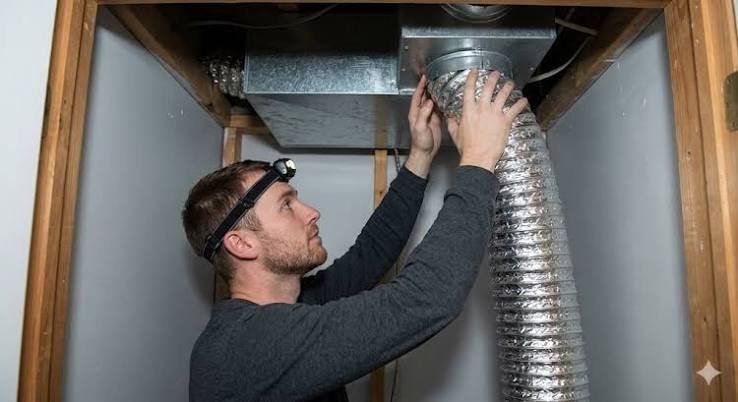
Types of Bolts: Components, Sizes, and Applications
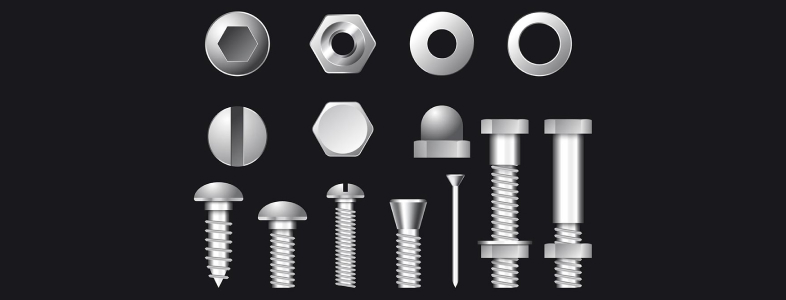
Threaded Rod: Types, Applications, and Selection Guide
The importance of material selection in mechanical engineering: Ensuring optimal performance and longevity
Insulated vs Non-Insulated flexible ducting | Buyer's guide
10 Key Factors to Consider When Choosing a Good Industrial Steam Boiler
10 Smart Ways to Improve Home Energy Efficiency Without Replacing Your Boiler
The importance of proper mechanical process installations

What are VRF systems and which buildings are they suitable for?
Advantages of insulated air ducts and why they are important
Energy-efficient heating systems: Which solutions are the most effective?
What are MEP systems and why are they important in construction projects?
The role of ventilation systems in creating a healthy and comfortable environment

Thermal Insulation: What Is It and How Is It Used?
What are accumulation tanks and why are they worth using?
Ofislərdə düzgün soyutma sistemi məhsuldarlığa necə təsir edir?

HVAC sistemlərinin ağıllı ev sistemləri ilə inteqrasiyası
Breathing made easy: the undeniable benefits of a home ventilation system.
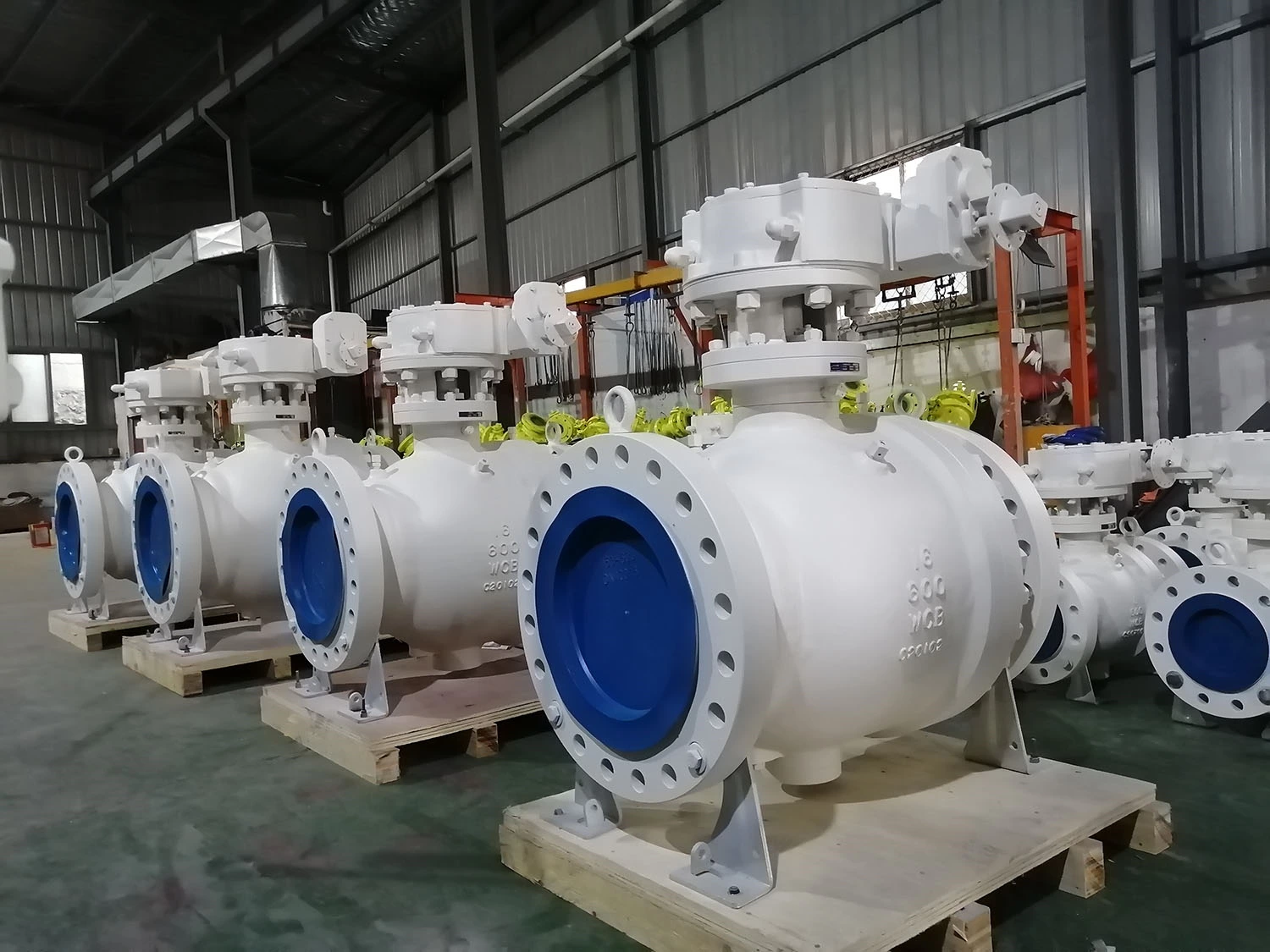
What are ball valves and how do they work?
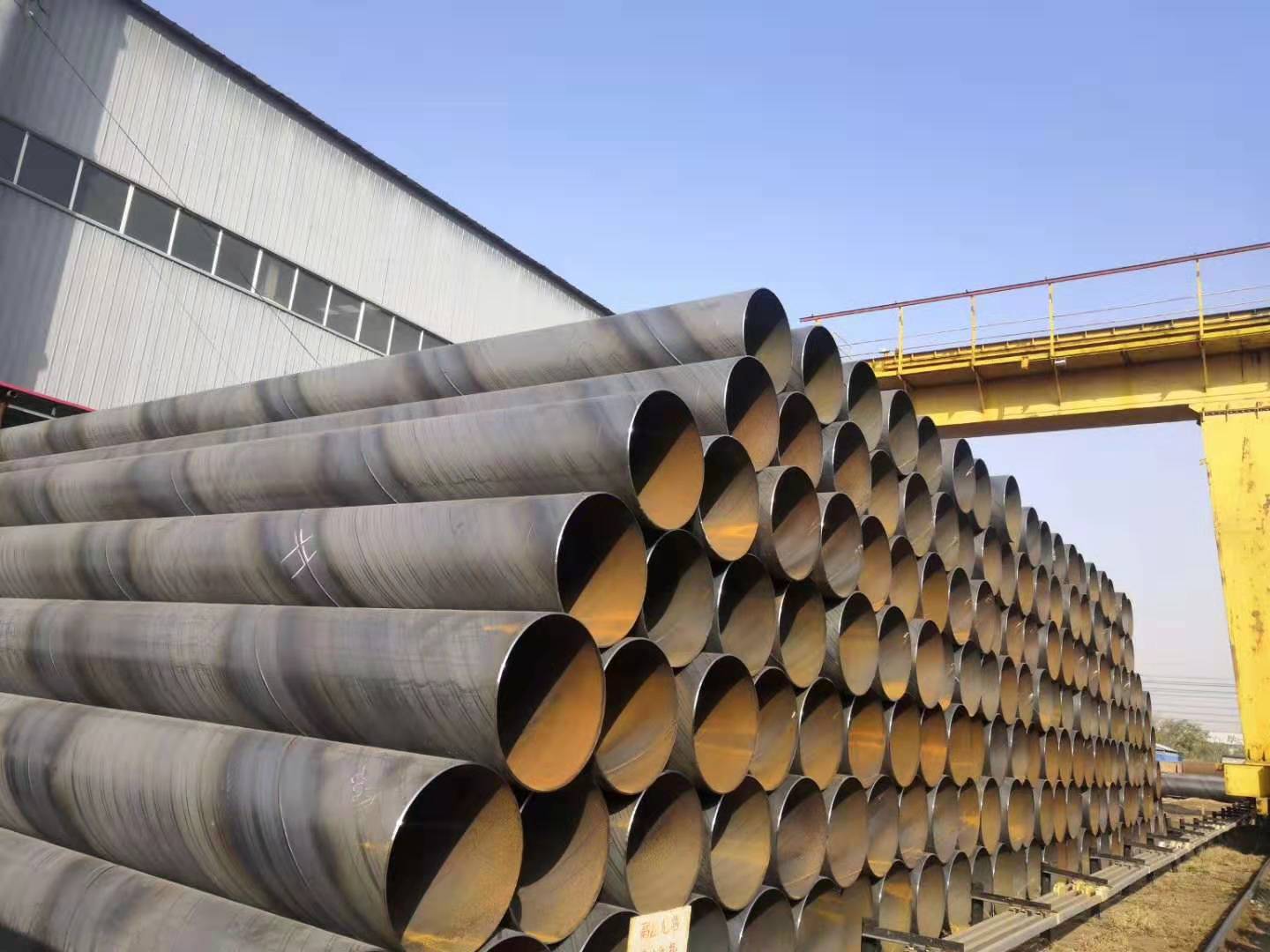
Comparison of threaded pipe and welded pipe: which is better for your project?
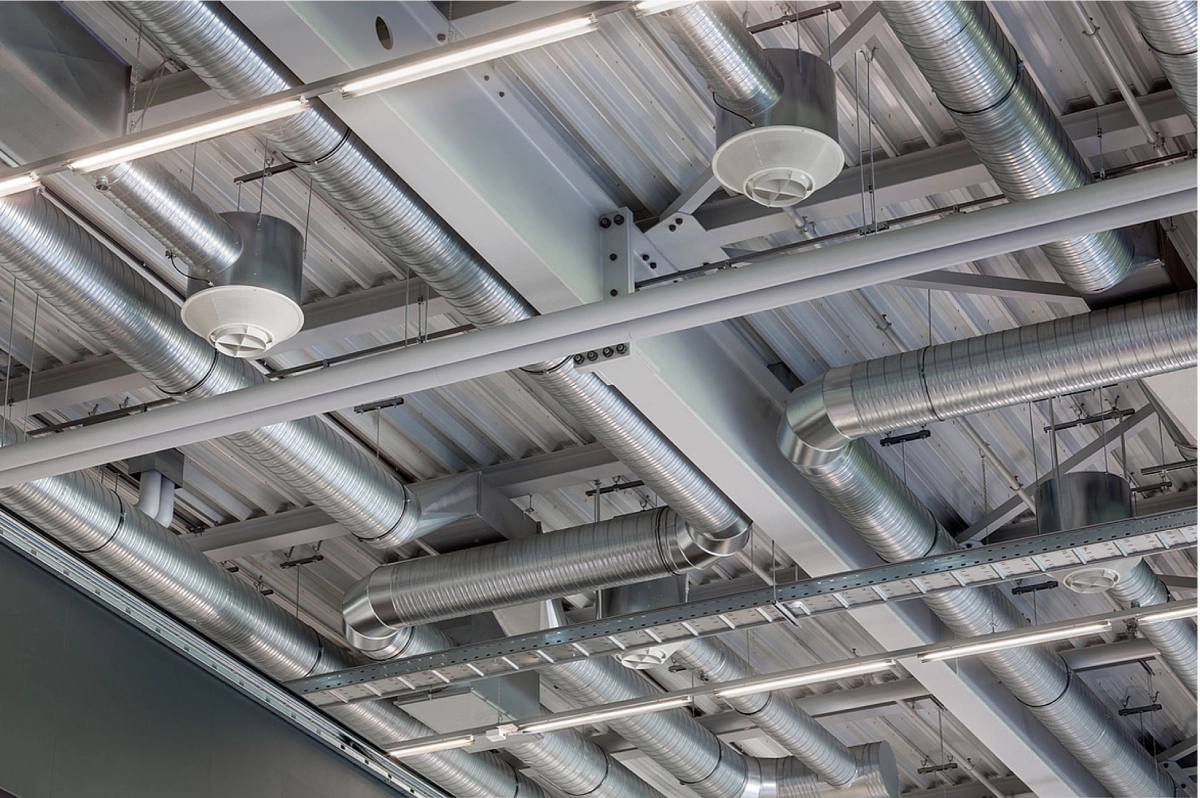
The role of ventilation in ensuring fire safety and smoke control.
How good air circulation improves your shopping experience?
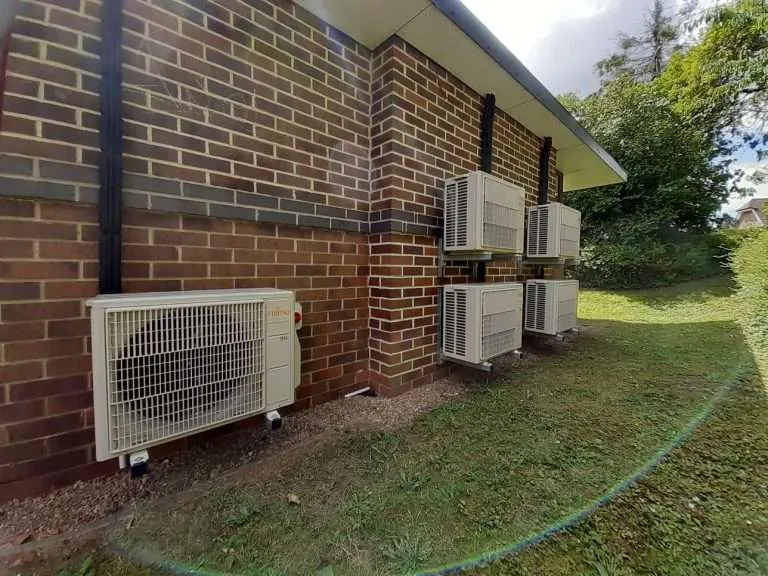
Duct fans: comprehensive applications and points to consider
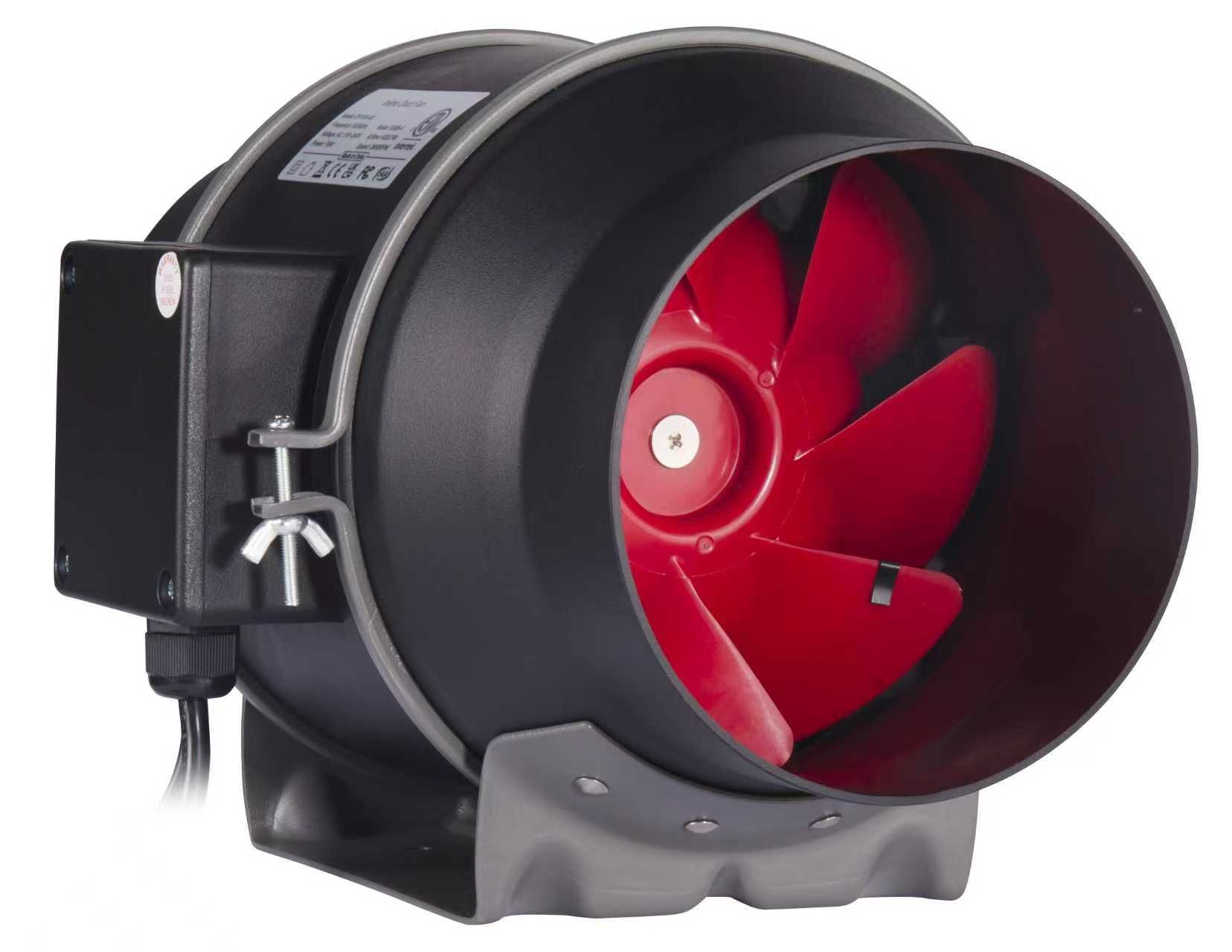
Ventilation in hospitals and healthcare facilities
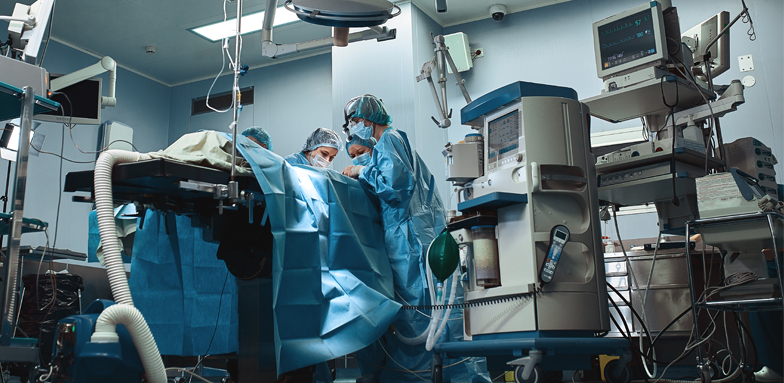
Boiler or stove: how to decide?
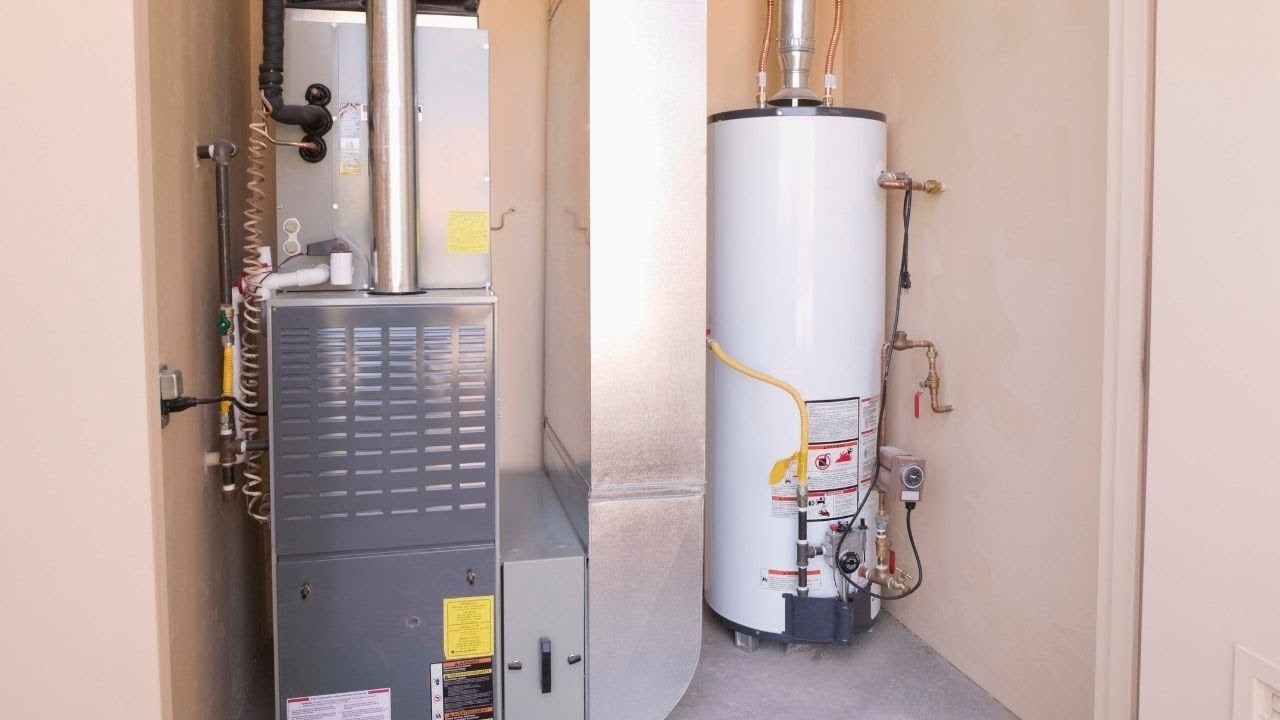
What type of heating is best for an old house?
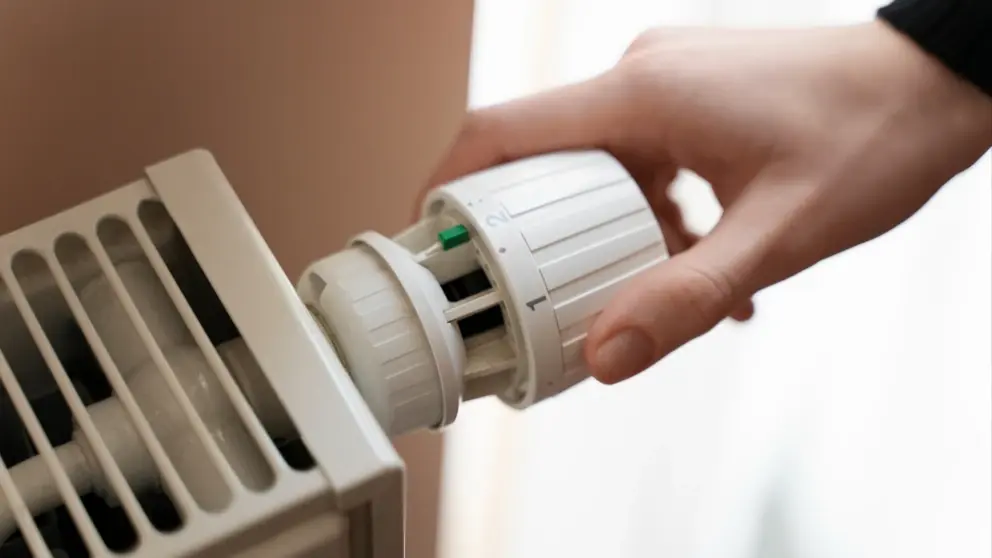
How to calculate the required boiler capacity?

Boiler pressure keeps dropping — what is the reason?
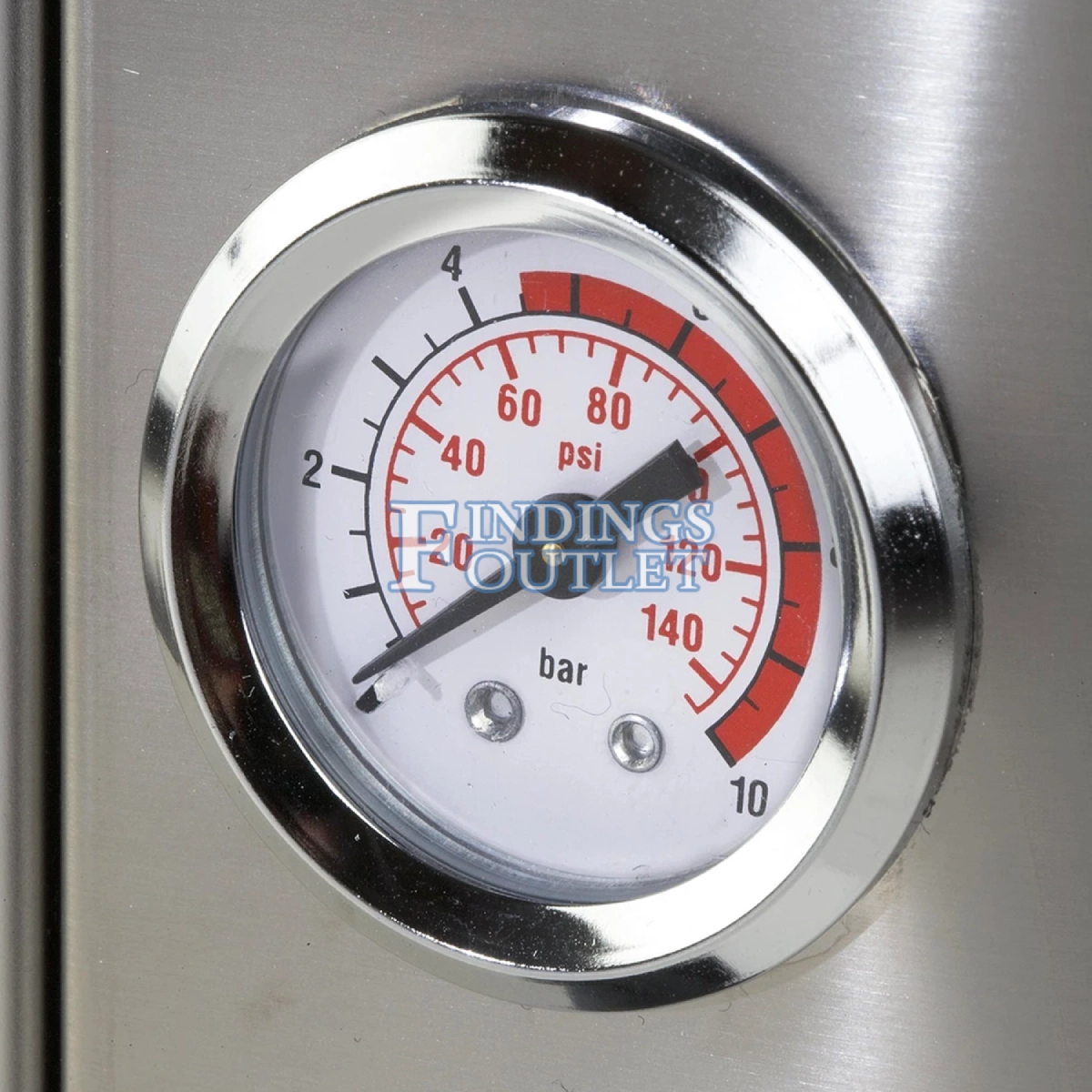
Why Does My Boiler Keep Turning Off?
Boiler Size; This Really Matters
Choosing the Right Boiler Size for Your Home

Should I Keep The Boiler Running Continuously?
Noisy Boiler: Possible Causes And Solutions
The Importance of the Expansion Tank
How to Keep Your Pipes Warm in Winter: Tips to Prevent Freezing
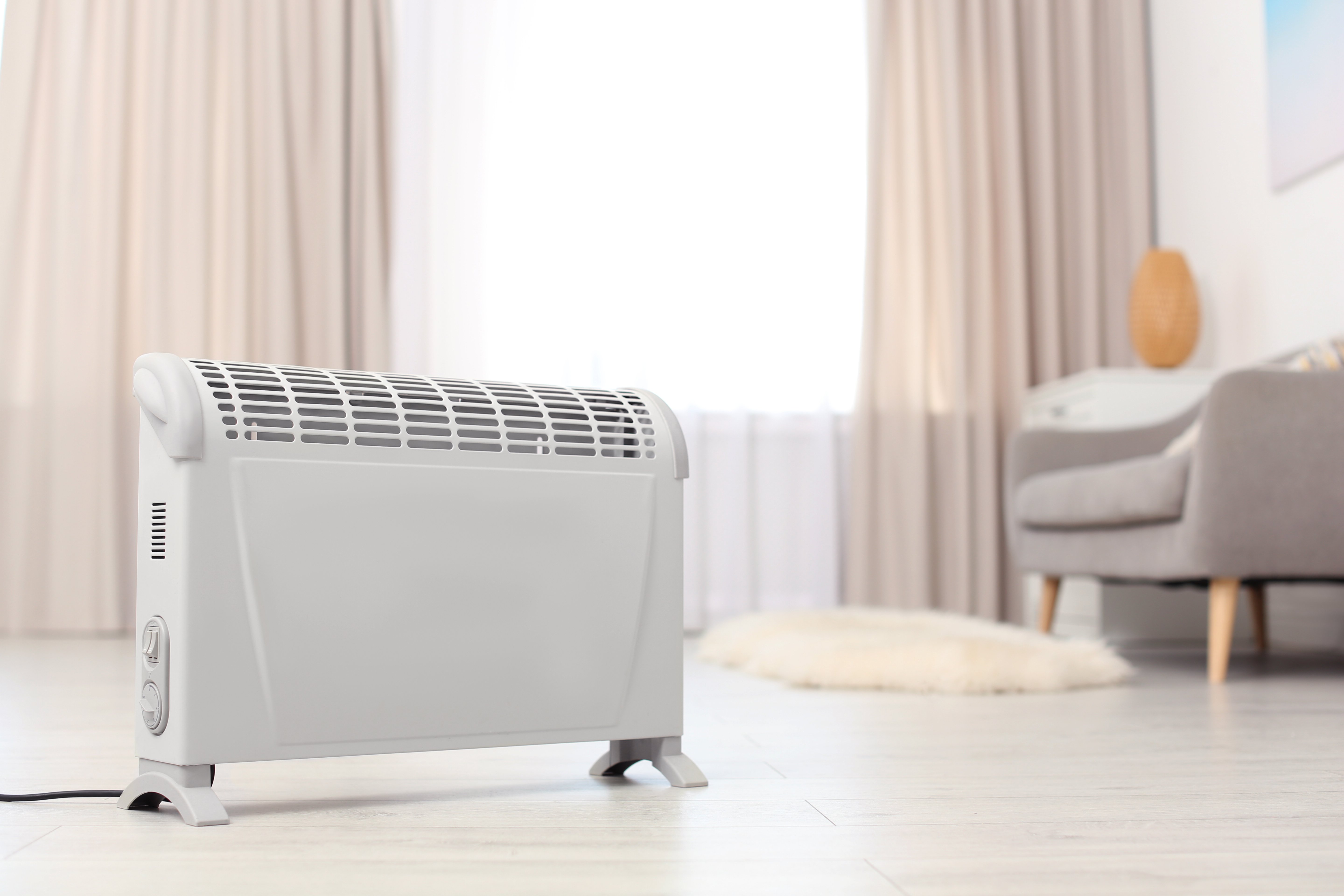
Types of Electric Heaters
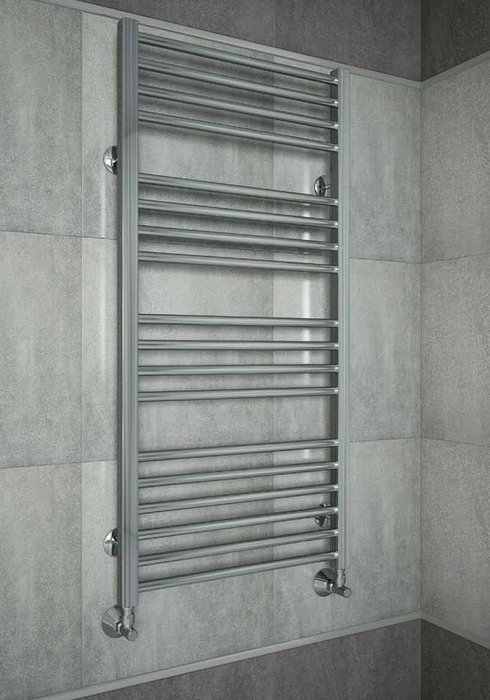
Can you dry clothes on bathroom towel radiators?
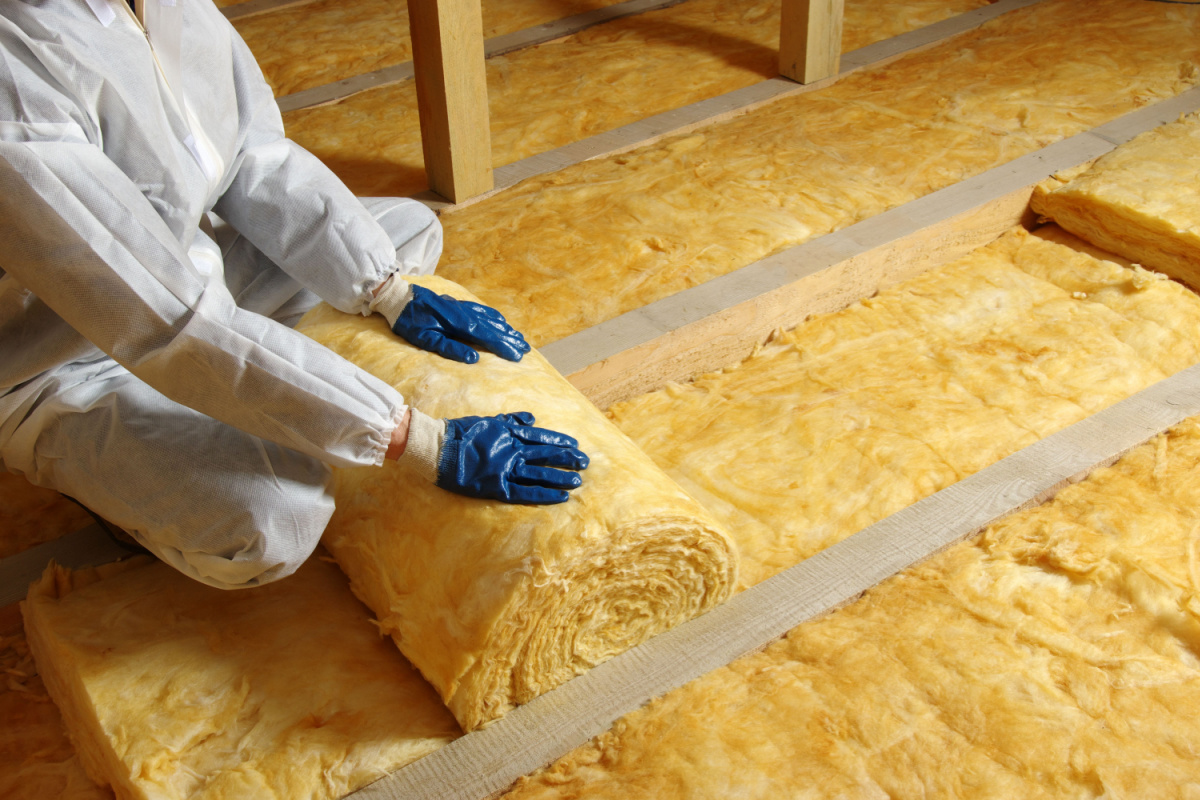
Common Insulation Problems
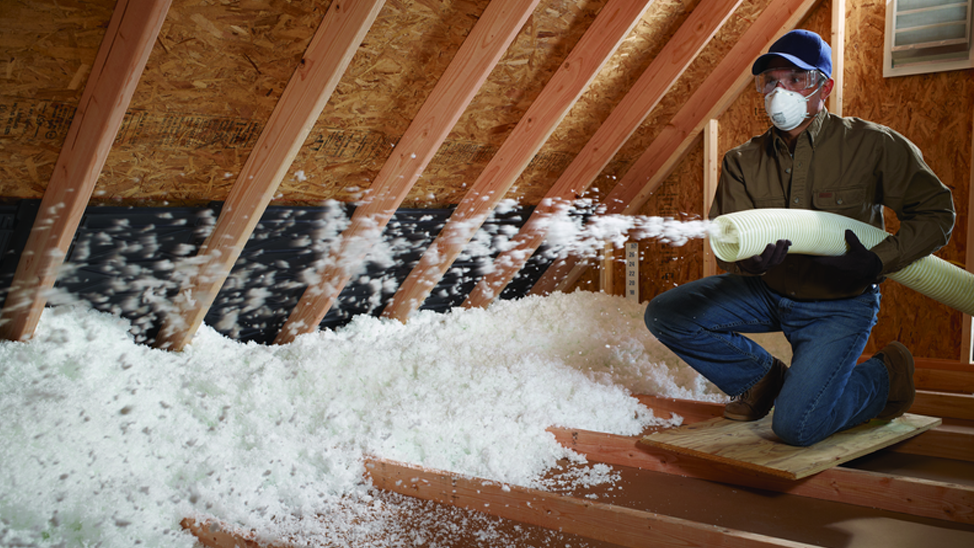
The Importance of Proper Insulation in Home Heating
Combi Boiler vs System Boiler: Which Is Best for Your Home?
How to Prepare Your Home for HVAC Installation: 9 Essential Tips
HVAC for New Construction: What You Need to Know
How to choose the best boilers for schools in 2026?
How to clean a gas boiler?
What is mechanical ventilation?
How to improve air quality during allergy season

The truth behind common myths about air purifiers

Choosing Clamps for Professionals: Structure, Types and Applications

The Role and Importance of Measurement Equipment in Industry
Safety Gloves: A Small Tool, Big Protection

Your Home’s “Thermos” Effect: The Secret to Staying Warm in Winter and Cool in Summer
Practical Guide: Maintenance, Efficiency, and Safety of Boiler Room Systems

The Hidden Heroes of Our Home: Radiators

How Radiators Work: The Heat Distributors of Your Home

Boiler Rooms Explained: The Core of Home Heating

Energy-Efficient Home Heating Options: A Complete Guide

Why Is Regular Maintenance of HVAC Systems Important?

Control and Safety Devices in the Boiler Room: Essential Components for Your System

What is HVAC? Fundamentals of Heating and Cooling Systems
The ventilation systems in large buildings

Radiators vs Underfloor Heating: Which Works Better with Heat Pumps?

Radiators and Heating Systems: Comfortable and Energy-Efficient Solutions for Your Home

HVAC Pipe Insulation – Energy Saving and Stable Temperature Maintenance

What Don’t We Know About Ventilation Systems?

The Importance of Insulation for Energy Efficiency

Şüşə Yunu ilə Boru İzolyasiyası Nədir və Niyə Vacibdir?

Hansı radiator daha yaxşıdır?

What are heating systems for?

Havalandırma avadanlıqları nə üçündür?

Ventilation Systems

Heating systems - Models and prices

Heating systems

Havalandırma sistemləri (Havalandirma sistemleri)

Boru armaturları və fittinqləri

Qazanxana nədir?

Mechanical and Natural Ventilation: Which Is More Effective?

Ways to Save Energy with Smart Heating Systems

Effective Cooling Solutions for Commercial Properties

Boiler, Air Conditioning, and Ventilation System: How Are They Controlled Simultaneously?

Alternative Energy Sources in Heating and Cooling: Technologies of the Future
