


The Importance of Proper Insulation in Home Heating
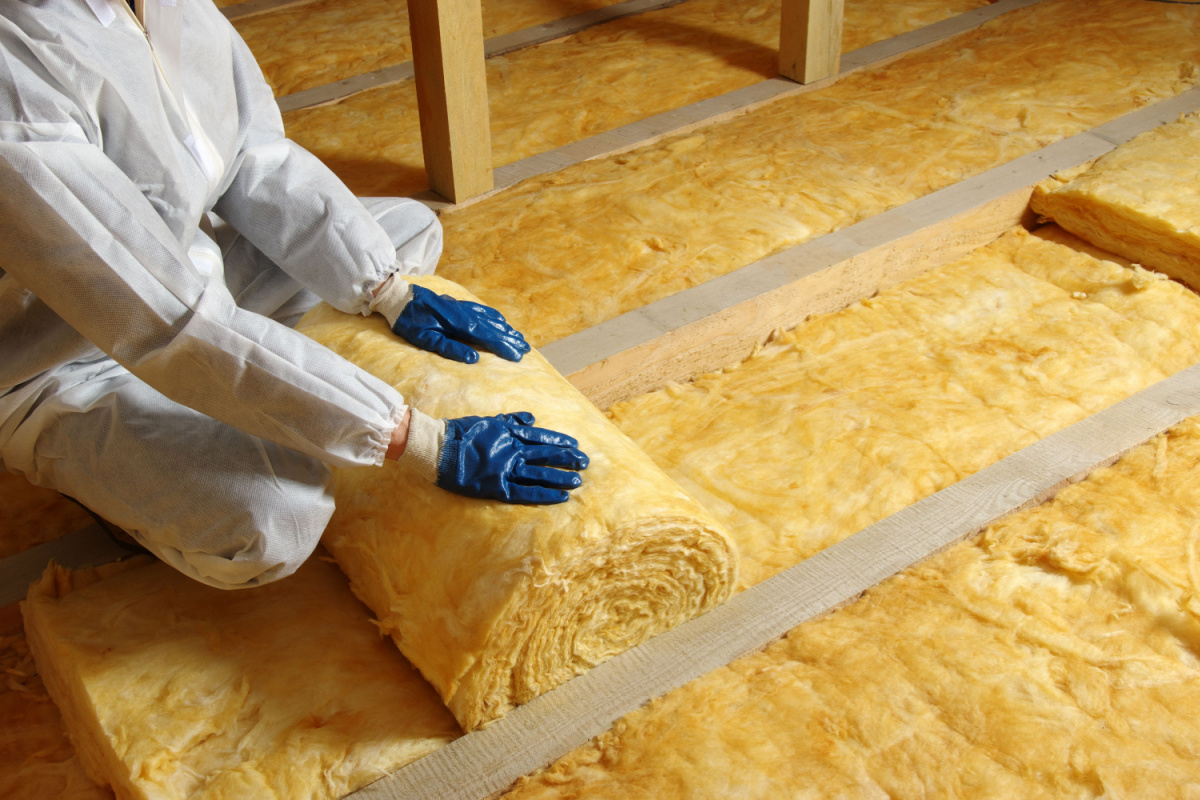
There is a direct connection between your home’s insulation and its ability to stay warm efficiently during the colder months.
Without proper insulation, heat escapes easily, forcing your heating system to work harder and increasing energy costs. By ensuring that walls, attics, and floors are well insulated, you can improve comfort and reduce expenses. Proper insulation also helps maintain a stable temperature, preventing drafts and cold spots. Whether you are building a new home or upgrading an existing one, investing in quality insulation results in long-term savings and better energy efficiency. Your home and your wallet will thank you.
Key Takeaways:
•Proper insulation reduces heat loss and keeps homes warm with less energy.
•Effective insulation lowers heating costs by improving energy efficiency.
•Well-insulated homes maintain a stable temperature and enhance comfort.
•Insulation helps reduce environmental impact by lowering energy consumption.
•Quality insulation extends the lifespan of heating systems by reducing strain.
Understanding Home Insulation
A well-insulated home is the foundation of efficient heating and helps maintain comfort while reducing energy costs. Insulation works by slowing heat transfer, keeping warm air inside during winter and preventing excess heat from entering during summer. Without proper insulation, your heating system must work harder, leading to higher costs and uneven temperatures throughout your home.
Types of Insulation Materials
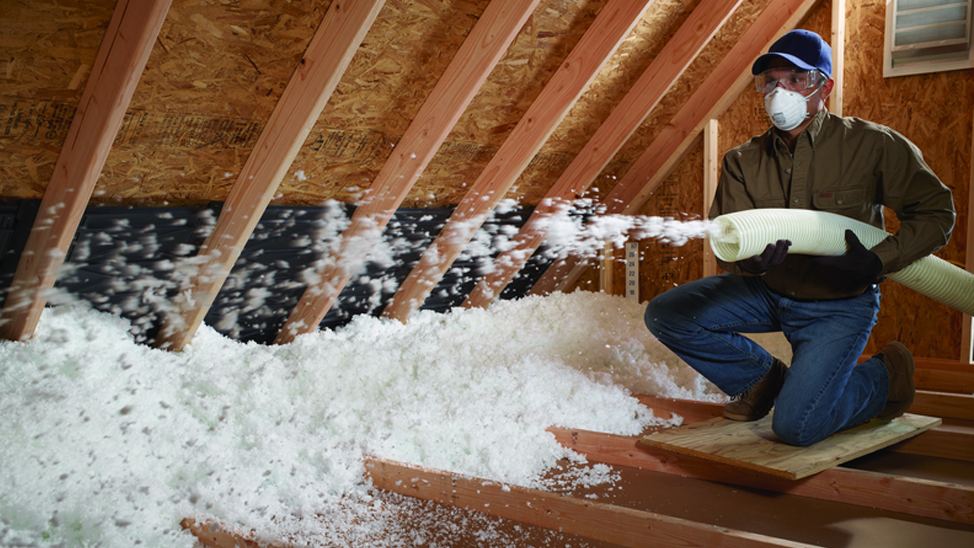
Before choosing insulation for your home, it is helpful to understand the different materials available. Each type has unique properties suited for specific areas of your home, from attics and walls to basements.
MaterialBest For
FiberglassAttics, walls, floors
CelluloseEnclosed spaces, retrofits
Spray FoamGaps, hard-to-reach areas
Mineral WoolFire-resistant applications
Reflective FoilRadiant heat barriers
•Fiberglass is affordable and easy to install.
•Cellulose is eco-friendly and provides good sound insulation.
•Spray foam offers superior air sealing.
Understanding the strengths of each material helps you make an informed decision for your home’s needs.
The Role of Insulation in Heating Efficiency
You may not realize it, but insulation is the unsung hero of your home’s heating system. Without proper insulation, heat escapes through walls, ceilings, and floors, forcing your furnace or boiler to work harder to maintain a comfortable temperature. This not only puts strain on your heating system but also increases energy consumption. By investing in quality insulation, you create a thermal barrier that keeps heat inside, reduces heat loss, and improves overall efficiency. The result? A more comfortable home and lower energy bills.
You will notice that different areas of your home require varying levels of insulation depending on factors such as climate and building materials. For example, attics and basements are often major sources of heat loss, so strengthening insulation in these areas can make a significant difference. Properly insulated homes maintain stable temperatures and reduce the need for constant thermostat adjustments. This means your heating system operates more efficiently while keeping energy costs under control and extending its lifespan.
The Impact of Insulation on Heating Costs
One of the most direct benefits of proper insulation is its impact on your heating costs. When your home lacks sufficient insulation, heat escapes quickly, forcing your heating system to run longer and more frequently. This increased workload leads to higher energy bills, especially during colder months. By sealing gaps and adding insulation, you minimize heat loss, allowing your system to operate more efficiently and reducing overall energy consumption.
You will also find that insulation pays for itself over time. While the initial cost may seem significant, the reduction in monthly energy bills can offset the investment within a few years. Additionally, a well-insulated home places less strain on your heating system, potentially lowering maintenance and repair costs. By prioritizing insulation, you are not only saving money but also making a smarter and more sustainable choice for your home.
Impact on Home Comfort and Air Quality
Quality insulation not only reduces costs but also enhances your home’s comfort and air quality. Without proper insulation, drafts and cold spots can create discomfort in certain rooms, even when your heating system is running. By maintaining a consistent indoor temperature, insulation eliminates these uneven conditions and ensures every corner of your home remains warm and inviting. This balance is especially important for households with young children, elderly members, or anyone sensitive to temperature fluctuations.
Quality insulation also plays a key role in improving indoor air quality. Gaps and poor insulation can allow outdoor pollutants, dust, and allergens to enter your home, which can worsen respiratory issues and reduce overall air cleanliness. Proper insulation acts as a barrier, preventing unwanted particles from entering while keeping clean, conditioned air inside. This creates a healthier living environment free from drafts and airborne irritants.
Ultimately, upgrading your insulation is not just about temperature control — it is about creating a safer and more comfortable living space for you and your family. A well-insulated home reduces the load on your HVAC system, leading to less humidity fluctuation and a lower risk of mold or mildew growth. The result is a home that feels consistently comfortable year-round and supports better respiratory health.
Other Manufacturing Sectors
Why your air conditioner Is running but not cooling the room

Why does condensation form on windows and how can you prevent it?

How to Reduce Energy Losses in Local Exhaust Ventilation Systems
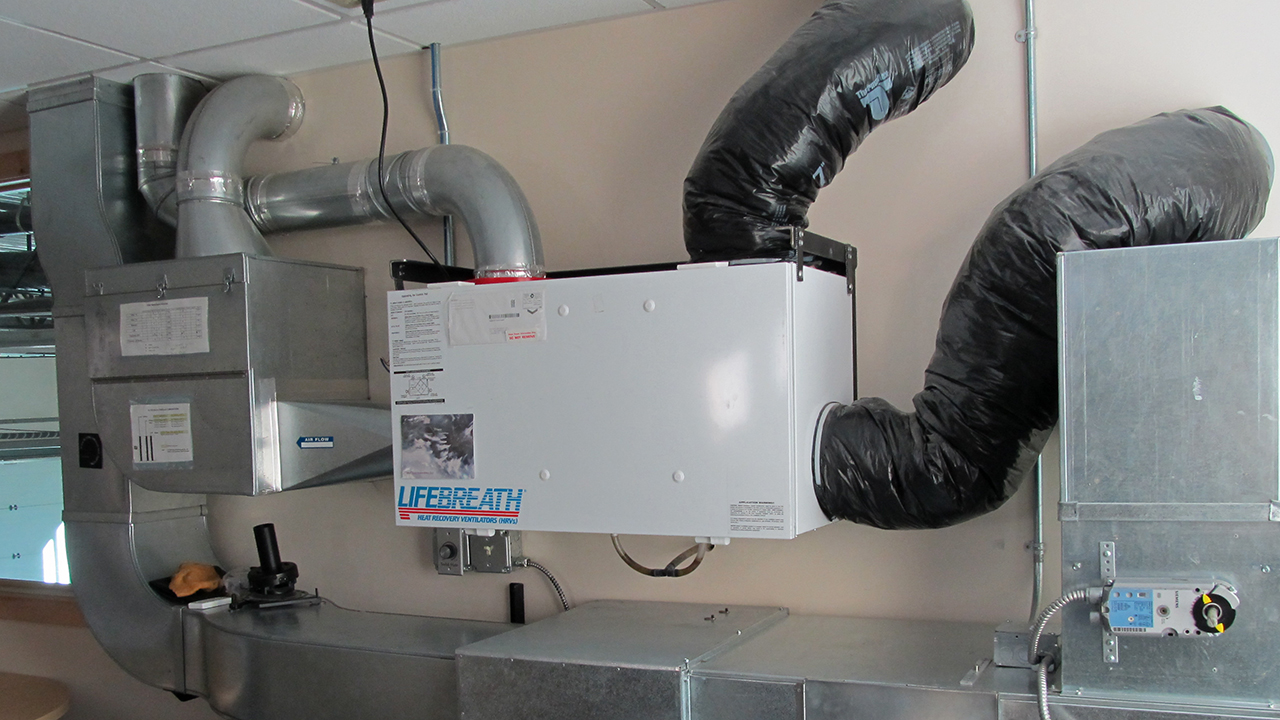
How to Choose the Right Material for HVAC Pipes
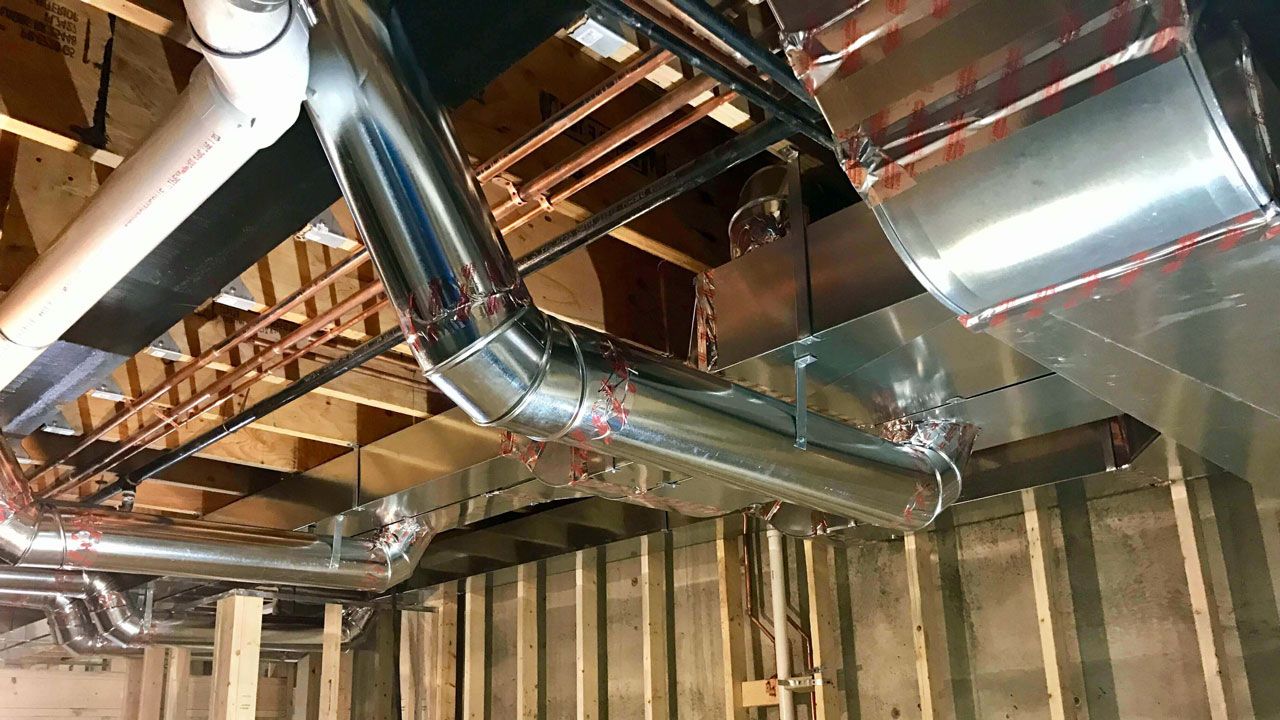
Enhancing workplace efficiency: The strategic importance of selecting quality flexible air ducts
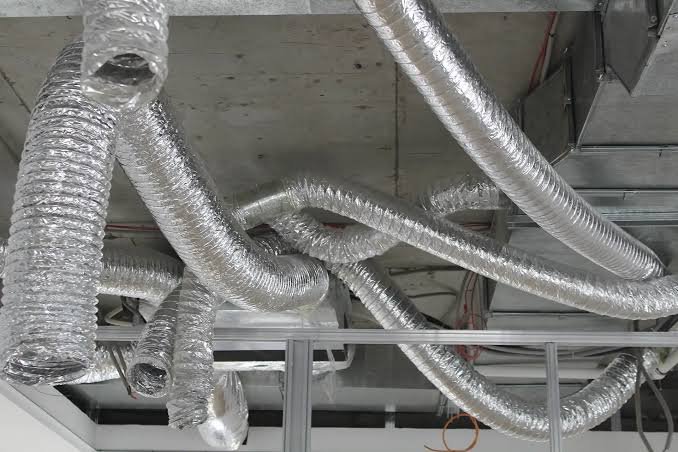
What is a boiler room system and how do you choose the right equipment for your project?
Measurement Equipment and Safety Valves: Safety and Control in Heating Systems
The Role and Importance of Expansion Tanks in Heating Systems
6 signs your building needs better ventilation

How to choose the right ductwork?
Types of Bolts: Components, Sizes, and Applications
Threaded Rod: Types, Applications, and Selection Guide
The importance of material selection in mechanical engineering: Ensuring optimal performance and longevity
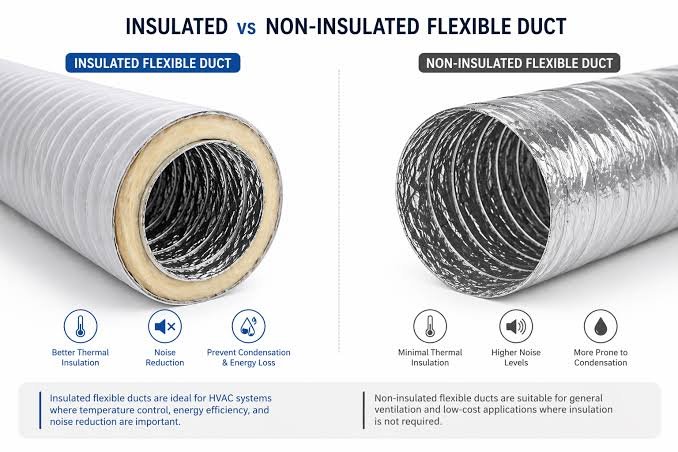
Insulated vs Non-Insulated flexible ducting | Buyer's guide
10 Key Factors to Consider When Choosing a Good Industrial Steam Boiler
10 Smart Ways to Improve Home Energy Efficiency Without Replacing Your Boiler
The importance of proper mechanical process installations

What are VRF systems and which buildings are they suitable for?
Advantages of insulated air ducts and why they are important
Energy-efficient heating systems: Which solutions are the most effective?
What are MEP systems and why are they important in construction projects?
The role of ventilation systems in creating a healthy and comfortable environment

Thermal Insulation: What Is It and How Is It Used?
What are accumulation tanks and why are they worth using?
Ofislərdə düzgün soyutma sistemi məhsuldarlığa necə təsir edir?

HVAC sistemlərinin ağıllı ev sistemləri ilə inteqrasiyası
Breathing made easy: the undeniable benefits of a home ventilation system.
What are ball valves and how do they work?
Comparison of threaded pipe and welded pipe: which is better for your project?
The role of ventilation in ensuring fire safety and smoke control.
How good air circulation improves your shopping experience?
Duct fans: comprehensive applications and points to consider
Ventilation in hospitals and healthcare facilities

Boiler or stove: how to decide?
What type of heating is best for an old house?
How to calculate the required boiler capacity?

Boiler pressure keeps dropping — what is the reason?
Why Does My Boiler Keep Turning Off?
Boiler Size; This Really Matters
Choosing the Right Boiler Size for Your Home

Should I Keep The Boiler Running Continuously?
Noisy Boiler: Possible Causes And Solutions
The Importance of the Expansion Tank
How to Keep Your Pipes Warm in Winter: Tips to Prevent Freezing
Types of Electric Heaters
Can you dry clothes on bathroom towel radiators?
Common Insulation Problems
The Importance of Proper Insulation in Home Heating
Combi Boiler vs System Boiler: Which Is Best for Your Home?
How to Prepare Your Home for HVAC Installation: 9 Essential Tips
HVAC for New Construction: What You Need to Know
How to choose the best boilers for schools in 2026?
How to clean a gas boiler?
What is mechanical ventilation?
How to improve air quality during allergy season

The truth behind common myths about air purifiers

Choosing Clamps for Professionals: Structure, Types and Applications

The Role and Importance of Measurement Equipment in Industry
Safety Gloves: A Small Tool, Big Protection
Your Home’s “Thermos” Effect: The Secret to Staying Warm in Winter and Cool in Summer
Practical Guide: Maintenance, Efficiency, and Safety of Boiler Room Systems

The Hidden Heroes of Our Home: Radiators

How Radiators Work: The Heat Distributors of Your Home

Boiler Rooms Explained: The Core of Home Heating

Energy-Efficient Home Heating Options: A Complete Guide

Why Is Regular Maintenance of HVAC Systems Important?

Control and Safety Devices in the Boiler Room: Essential Components for Your System

What is HVAC? Fundamentals of Heating and Cooling Systems

The ventilation systems in large buildings

Radiators vs Underfloor Heating: Which Works Better with Heat Pumps?

Radiators and Heating Systems: Comfortable and Energy-Efficient Solutions for Your Home

HVAC Pipe Insulation – Energy Saving and Stable Temperature Maintenance

What Don’t We Know About Ventilation Systems?

The Importance of Insulation for Energy Efficiency

Şüşə Yunu ilə Boru İzolyasiyası Nədir və Niyə Vacibdir?

Hansı radiator daha yaxşıdır?

What are heating systems for?

Havalandırma avadanlıqları nə üçündür?

Ventilation Systems

Heating systems - Models and prices

Heating systems

Havalandırma sistemləri (Havalandirma sistemleri)

Boru armaturları və fittinqləri

Qazanxana nədir?

Mechanical and Natural Ventilation: Which Is More Effective?

Ways to Save Energy with Smart Heating Systems

Effective Cooling Solutions for Commercial Properties

Boiler, Air Conditioning, and Ventilation System: How Are They Controlled Simultaneously?

Alternative Energy Sources in Heating and Cooling: Technologies of the Future
