


Why Pressure Loss Matters in Ventilation Ductwork Design
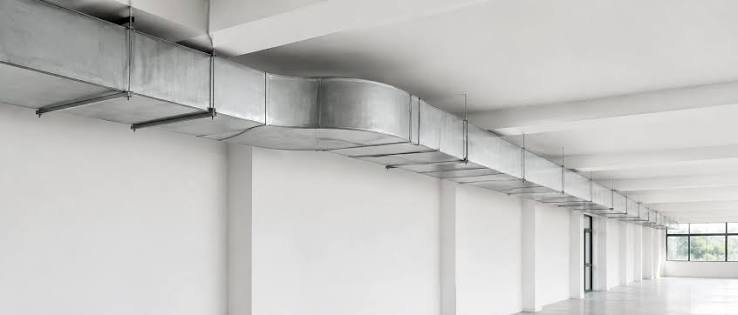
Pressure loss is one of the main reasons a ventilation system can look correct on paper yet struggle during day-to-day operation. If air cannot move efficiently through the ductwork, rooms may feel stuffy, extract points may underperform, and fans may work harder than necessary.
For commercial and industrial buyers, understanding pressure loss helps them make better decisions about duct routing, sizing, fittings, and installation quality. It is not just a technical detail. It directly affects how well a ducted ventilation system performs once it is in service.
What Pressure Loss Means in a Ducted Ventilation System
Pressure loss is the resistance air encounters as it travels through ventilation ductwork. Every metre of duct, bend, branch, damper, and grille adds some resistance. The fan must overcome this resistance to move the required volume of air through the system.
In a well-designed ventilation system, pressure loss is considered from the beginning. The designer evaluates the required airflow, duct shapes and sizes, the route through the building, and the types of fittings needed. The aim is to create an airflow path that operates predictably without forcing the fan to overcome unnecessary resistance.
When pressure loss is underestimated, the system may fail to deliver the intended airflow to the areas that need it. This can affect both supply and extract air. In practical terms, some areas may receive insufficient fresh air, extraction may be weak at critical points, and balancing the system may become more difficult.
Pressure loss does not mean that all resistance is undesirable. Every real ductwork system creates some resistance as air moves through it. The important issue is whether that resistance has been properly understood, calculated, and managed. Professional ventilation ductwork is designed with airflow performance in mind, not merely physical fit.
Why Duct Size, Shape, and Route Affect Airflow
Duct size directly affects air velocity and resistance. If ductwork is too small for the required airflow, air must travel faster through it. Higher air velocity can increase pressure loss, noise, and the load on the fan. Oversizing ductwork without a clear reason can also create design challenges and make installation within the available space more difficult.
Duct shape matters as well. Rectangular ductwork is often useful where ceiling voids, structural constraints, or plant layouts require a flatter profile. Spiral ductwork can provide efficient airflow characteristics and strong structural performance in many exposed or open installations. The appropriate choice depends on the building, airflow requirements, and available routing options.
Routing is often where good duct design makes the greatest difference. A relatively straight route with gradual changes in direction will generally perform better than one with tight bends, sudden transitions, and unnecessary detours. In real buildings, ductwork must navigate structural elements, other services, and maintenance access requirements. The challenge is to find a practical route without compromising airflow more than necessary.
This is why early coordination is essential. When ventilation ductwork is considered too late in a project, the available route may require additional offsets or restrictive fittings. When it is planned properly, the HVAC duct design can support the required airflow while fitting into the wider building installation.
The Role of Fittings, Dampers, and Branches
Pressure loss is not caused by straight duct runs alone. Fittings can have a significant influence on system performance. Bends, reducers, tees, branches, take-offs, access panels, and terminal connections all affect how air moves. Some of these components are unavoidable, but their design and installation quality can make a noticeable difference.
A sharp change in direction can disturb airflow and create turbulence. A poorly selected transition can increase resistance where the duct changes size. A branch designed without considering the wider system may allow air to enter one duct more easily than another, causing uneven airflow distribution. These details are easy to overlook, but they can influence the performance of the entire system.
Volume control dampers are particularly important because they allow airflow to be adjusted during commissioning and balancing. They are not a substitute for good duct design, but they provide a practical way to fine-tune the system. Correct damper placement gives commissioning engineers better control over air distribution throughout the duct network.
Airflow balancing works best when the ductwork has already been designed and installed with sensible pressure loss in mind. Good initial design reduces the need for excessive adjustments during commissioning.
How Poor Installation Can Increase Pressure Loss
Even a well-designed ductwork system can be compromised by poor installation. Duct sections must be correctly aligned, properly supported, and securely connected. Poorly fitted joints, uneven internal edges, or components forced into position can disrupt airflow and increase resistance.
Air leakage is another common performance issue. When conditioned or extracted air escapes through poorly sealed joints, the fan still consumes energy moving that air, but less reaches the intended terminal points. Leakage can also make system balancing more difficult because measured airflow may not match the design expectations.
Proper sealing, maintenance access, and careful workmanship all contribute to long-term performance. Ductwork that is neatly installed, properly sealed, and accessible for inspection is easier to commission and maintain. As a result, the ventilation system is more likely to continue operating as intended.
For buyers comparing quotations, this is an important consideration. A lower-quality installation may look similar to a properly installed system, but hidden details affect airflow, pressure loss, and long-term reliability. Differences often come down to joint quality, component fit, support, coordination, and attention to the airflow path.
There is also a direct relationship between duct sealing and system efficiency. Airtight duct connections help prevent air leakage and preserve the airflow intended by the design.
Why Pressure Loss Matters in Kitchens, Workshops, and Commercial Buildings
Different environments place different demands on ventilation ductwork. A commercial kitchen extraction system, for example, requires reliable extraction at the canopy and a duct route capable of handling the design duty safely and consistently. If pressure loss is not properly managed, extraction performance may deteriorate, particularly during busy operating periods.
In workshops, production areas, and commercial interiors, ventilation may be needed to remove stale air, manage heat, improve comfort, or control airborne contaminants. A ducted ventilation system must serve the needs of occupied spaces rather than simply meet the requirements shown on a drawing. If airflow is weak where it is needed, the practical value of the system decreases.
Pressure loss also influences fan selection. A fan is selected to deliver a specified airflow against a particular system resistance. If the ductwork creates more resistance than expected, the fan may not achieve its intended operating point. With careful design, fan performance and ductwork resistance can be matched from the beginning.
This is where professional design and installation work together. The designer must correctly establish the airflow requirements, while the installer must deliver ductwork that reflects the design intent. Both stages are essential to achieving reliable ventilation performance.
What Buyers Should Ask Before Ductwork Is Installed
You do not need to be a mechanical engineer to ask useful questions about pressure loss. A good starting point is to find out whether the duct route has been planned with airflow performance in mind, as well as physical access. Ask how bends, branches, and transitions have been optimised and whether there is enough space for appropriately sized ducts.
It is also worth asking how the system will be balanced. If volume control dampers are required, they should be positioned where they can be accessed and adjusted. Access panels should also be considered wherever inspection and cleaning may be necessary, particularly in extraction systems.
Another important question is whether the ductwork will be coordinated with other building services before installation. Ventilation systems often share ceiling voids and plant areas with electrical, plumbing, sprinkler, and structural elements. Early coordination reduces the need for forced changes on site, helping preserve the intended pressure loss and airflow performance.
Finally, ask how installation quality will be monitored. Clean joints, suitable supports, effective sealing, and accurate fitting all help the finished system perform as designed.
Pressure loss is not just a calculation. It is a factor that must be considered throughout fabrication, installation, and commissioning to achieve a reliable and efficient ventilation system.
Other Manufacturing Sectors
Why Pressure Loss Matters in Ventilation Ductwork Design
Why is one room hotter than the rest of the house?

10 signs that your home’s air quality needs improvement

The Importance of Ventilation Filters
How to choose the right ventilation system for offices, warehouses and restaurants
Critical components of hospital ventilation systems that require regular testing
Top 5 Ways to Improve Energy Efficiency in Commercial Buildings

Why your air conditioner Is running but not cooling the room

Why does condensation form on windows and how can you prevent it?

How to Reduce Energy Losses in Local Exhaust Ventilation Systems
How to Choose the Right Material for HVAC Pipes
Enhancing workplace efficiency: The strategic importance of selecting quality flexible air ducts
What is a boiler room system and how do you choose the right equipment for your project?
Measurement Equipment and Safety Valves: Safety and Control in Heating Systems
The Role and Importance of Expansion Tanks in Heating Systems
6 signs your building needs better ventilation

How to choose the right ductwork?
Types of Bolts: Components, Sizes, and Applications
Threaded Rod: Types, Applications, and Selection Guide
The importance of material selection in mechanical engineering: Ensuring optimal performance and longevity
Insulated vs Non-Insulated flexible ducting | Buyer's guide
10 Key Factors to Consider When Choosing a Good Industrial Steam Boiler
10 Smart Ways to Improve Home Energy Efficiency Without Replacing Your Boiler
The importance of proper mechanical process installations

What are VRF systems and which buildings are they suitable for?
Advantages of insulated air ducts and why they are important
Energy-efficient heating systems: Which solutions are the most effective?
What are MEP systems and why are they important in construction projects?
The role of ventilation systems in creating a healthy and comfortable environment

Thermal Insulation: What Is It and How Is It Used?

What are accumulation tanks and why are they worth using?
Ofislərdə düzgün soyutma sistemi məhsuldarlığa necə təsir edir?

HVAC sistemlərinin ağıllı ev sistemləri ilə inteqrasiyası

Breathing made easy: the undeniable benefits of a home ventilation system.
What are ball valves and how do they work?
Comparison of threaded pipe and welded pipe: which is better for your project?
The role of ventilation in ensuring fire safety and smoke control.
How good air circulation improves your shopping experience?
Duct fans: comprehensive applications and points to consider
Ventilation in hospitals and healthcare facilities

Boiler or stove: how to decide?
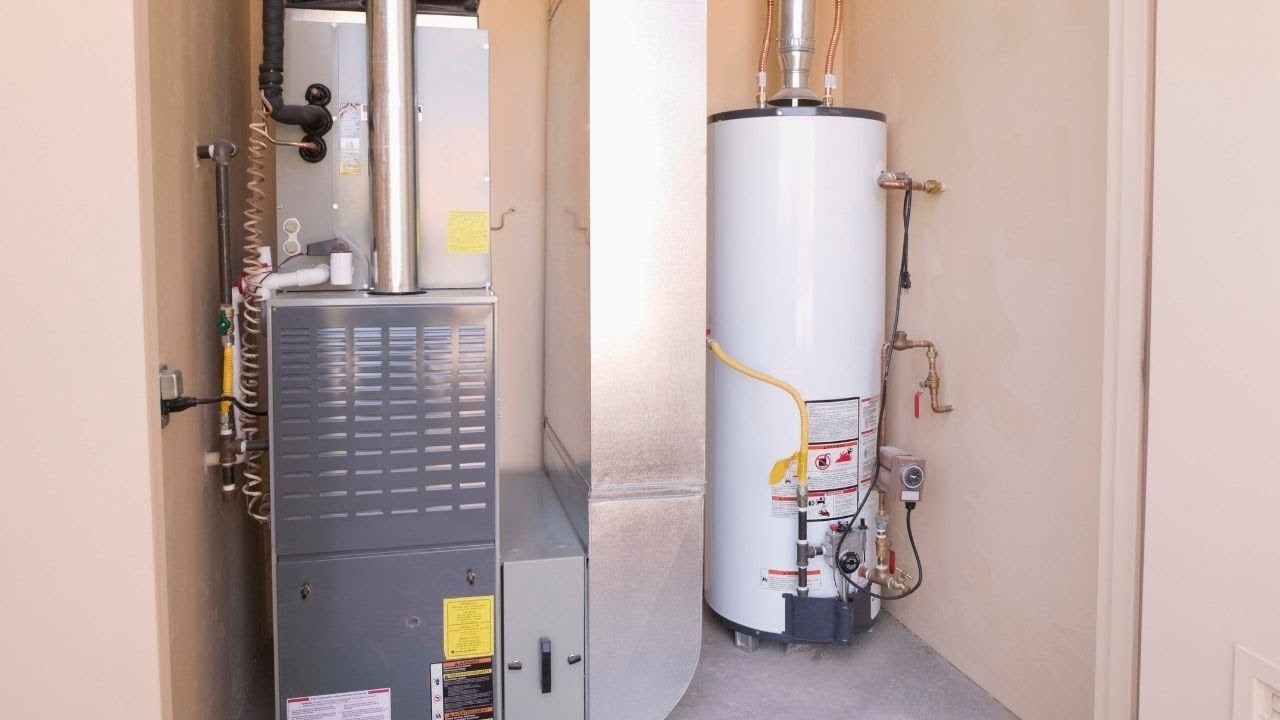
What type of heating is best for an old house?

How to calculate the required boiler capacity?

Boiler pressure keeps dropping — what is the reason?
Why Does My Boiler Keep Turning Off?

Boiler Size; This Really Matters

Choosing the Right Boiler Size for Your Home

Should I Keep The Boiler Running Continuously?

Noisy Boiler: Possible Causes And Solutions
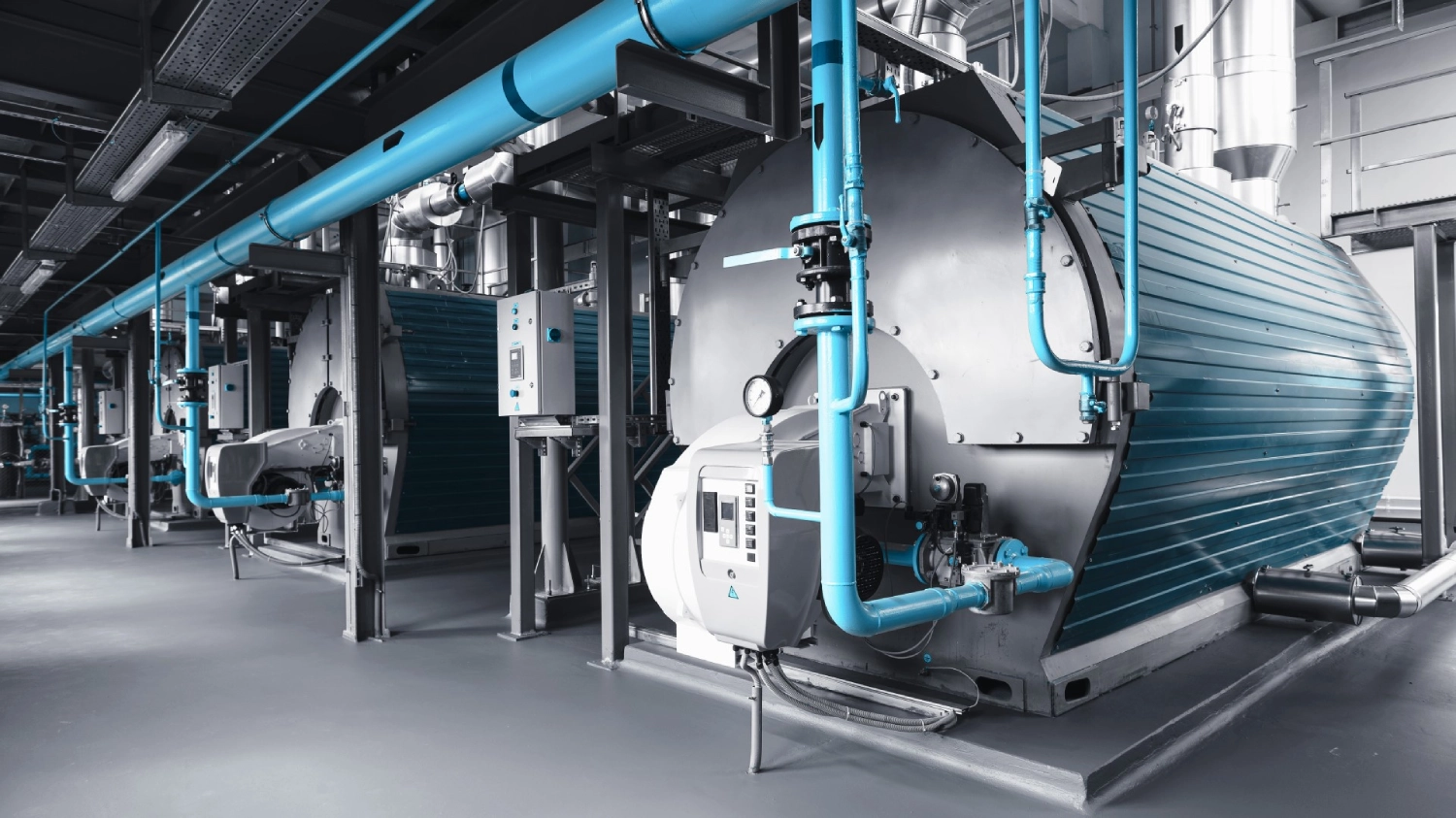
The Importance of the Expansion Tank
How to Keep Your Pipes Warm in Winter: Tips to Prevent Freezing

Types of Electric Heaters

Can you dry clothes on bathroom towel radiators?
Common Insulation Problems

The Importance of Proper Insulation in Home Heating

Combi Boiler vs System Boiler: Which Is Best for Your Home?
How to Prepare Your Home for HVAC Installation: 9 Essential Tips
HVAC for New Construction: What You Need to Know

How to choose the best boilers for schools in 2026?
How to clean a gas boiler?
What is mechanical ventilation?
How to improve air quality during allergy season

The truth behind common myths about air purifiers

Choosing Clamps for Professionals: Structure, Types and Applications

The Role and Importance of Measurement Equipment in Industry
Safety Gloves: A Small Tool, Big Protection

Your Home’s “Thermos” Effect: The Secret to Staying Warm in Winter and Cool in Summer
Practical Guide: Maintenance, Efficiency, and Safety of Boiler Room Systems

The Hidden Heroes of Our Home: Radiators

How Radiators Work: The Heat Distributors of Your Home

Boiler Rooms Explained: The Core of Home Heating

Energy-Efficient Home Heating Options: A Complete Guide

Why Is Regular Maintenance of HVAC Systems Important?

Control and Safety Devices in the Boiler Room: Essential Components for Your System

What is HVAC? Fundamentals of Heating and Cooling Systems

The ventilation systems in large buildings

Radiators vs Underfloor Heating: Which Works Better with Heat Pumps?

Radiators and Heating Systems: Comfortable and Energy-Efficient Solutions for Your Home

HVAC Pipe Insulation – Energy Saving and Stable Temperature Maintenance

What Don’t We Know About Ventilation Systems?

The Importance of Insulation for Energy Efficiency

Şüşə Yunu ilə Boru İzolyasiyası Nədir və Niyə Vacibdir?

Hansı radiator daha yaxşıdır?

What are heating systems for?

Havalandırma avadanlıqları nə üçündür?

Ventilation Systems

Heating systems - Models and prices

Heating systems

Havalandırma sistemləri (Havalandirma sistemleri)

Boru armaturları və fittinqləri

Qazanxana nədir?

Mechanical and Natural Ventilation: Which Is More Effective?

Ways to Save Energy with Smart Heating Systems

Effective Cooling Solutions for Commercial Properties

Boiler, Air Conditioning, and Ventilation System: How Are They Controlled Simultaneously?

Alternative Energy Sources in Heating and Cooling: Technologies of the Future
