Ways to Save Energy with Smart Heating Systems

Smart heating systems are technologies that offer both comfort and energy efficiency by incorporating modern innovations. Unlike traditional heating methods, these systems automatically regulate temperature, adapt to users' daily habits, and provide more flexible and efficient control. Thanks to these features, it is possible to save both electricity and gas consumption.
The first and most important method of saving energy is using timers. Smart heating systems allow temperature settings to be programmed according to different times of the day. For example, when you're not at home, the system automatically turns off and reactivates when you are about to return. This prevents unnecessary energy consumption.
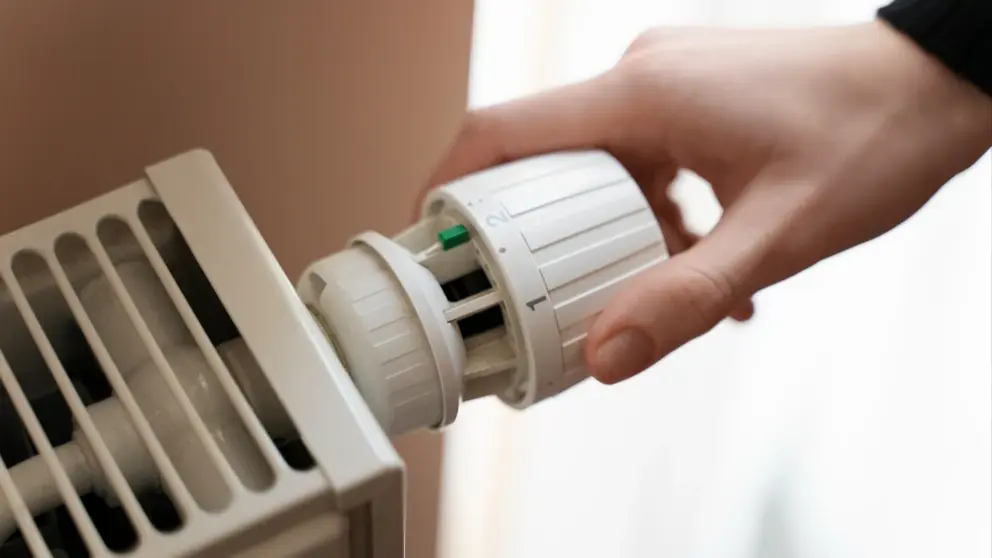
The second method is the use of smart thermostats. These devices automatically increase or decrease the heat level to keep room temperature constant. As a result, there is no overheating or underheating, which not only saves energy but also extends the lifespan of your devices.
The third method is room-by-room control, also known as zonal heating. In smart systems, each room's temperature can be individually adjusted. This means you can turn off the heating in unused rooms and only heat the areas you actively use.
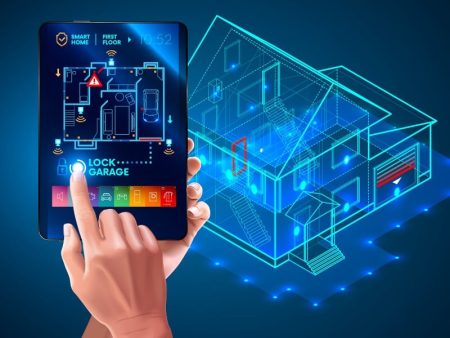
The fourth important method is remote control via mobile applications. Even when you're away from home, you can monitor and control the heating system using your phone and activate it if needed. This is especially convenient for preheating your home before you arrive.
The fifth method is using sensors and analytics features. Modern systems can detect if a window is open, whether someone is in the room, or even the level of movement, and they automatically adjust the heating power accordingly. This ensures that heat is used only when and where it's really needed.
Finally, monitoring your energy statistics is essential. Smart systems provide daily, weekly, and monthly reports on your energy usage. Based on this data, you can identify wasteful areas and develop more efficient strategies.
In conclusion, smart heating systems are one of the most effective solutions for energy savings, comfort, and reducing environmental impact. When used properly, these systems can significantly lower your monthly energy costs.
Other Manufacturing Sectors
Insulated vs Non-Insulated flexible ducting | Buyer's guide
10 Key Factors to Consider When Choosing a Good Industrial Steam Boiler
10 Smart Ways to Improve Home Energy Efficiency Without Replacing Your Boiler
The importance of proper mechanical process installations

What are VRF systems and which buildings are they suitable for?
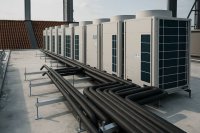
Advantages of insulated air ducts and why they are important

Energy-efficient heating systems: Which solutions are the most effective?
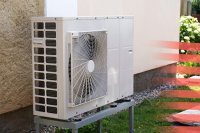
What are MEP systems and why are they important in construction projects?
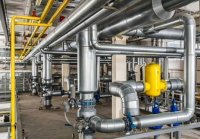
The role of ventilation systems in creating a healthy and comfortable environment

Thermal Insulation: What Is It and How Is It Used?

What are accumulation tanks and why are they worth using?
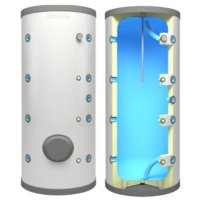
Ofislərdə düzgün soyutma sistemi məhsuldarlığa necə təsir edir?

HVAC sistemlərinin ağıllı ev sistemləri ilə inteqrasiyası
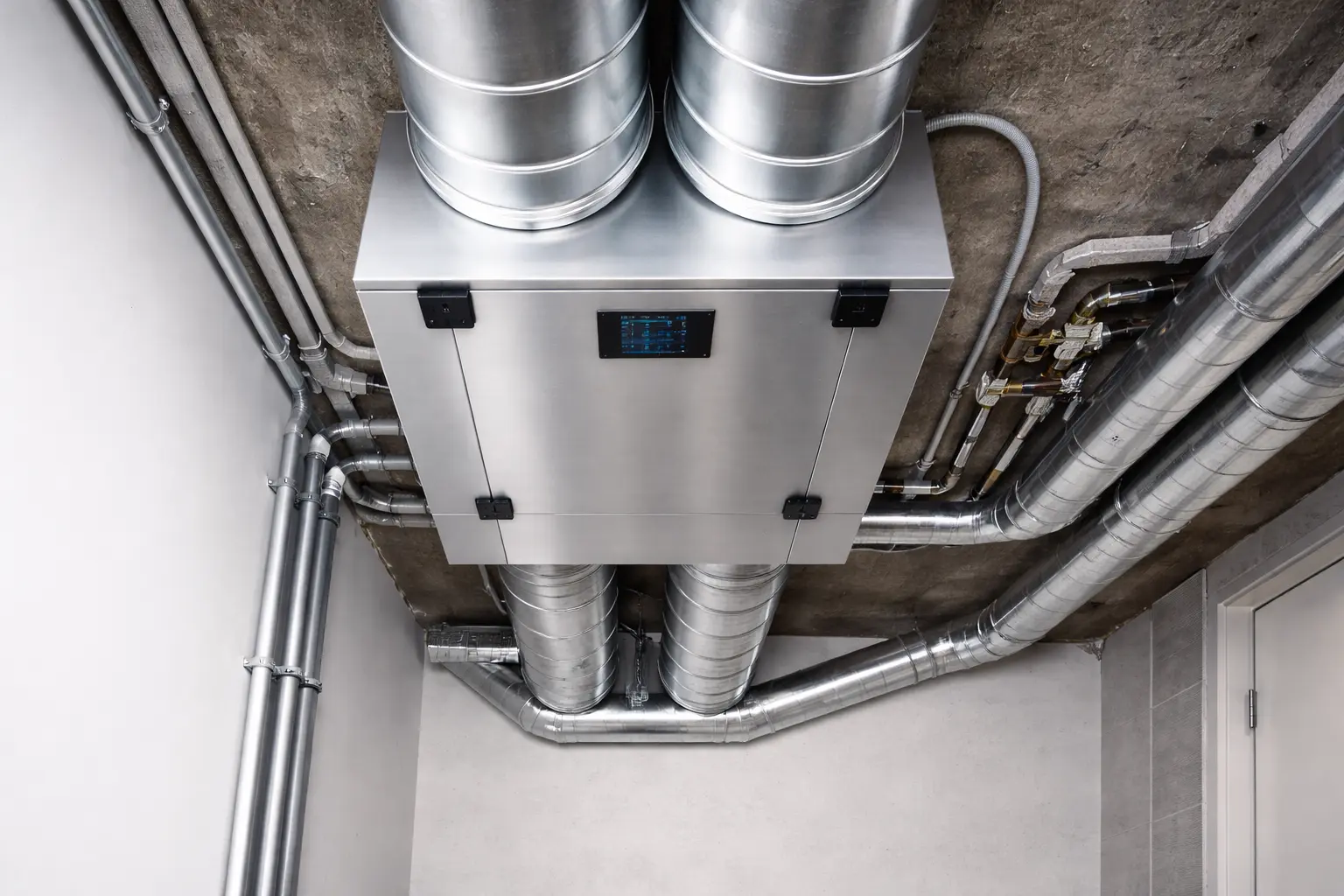
Breathing made easy: the undeniable benefits of a home ventilation system.
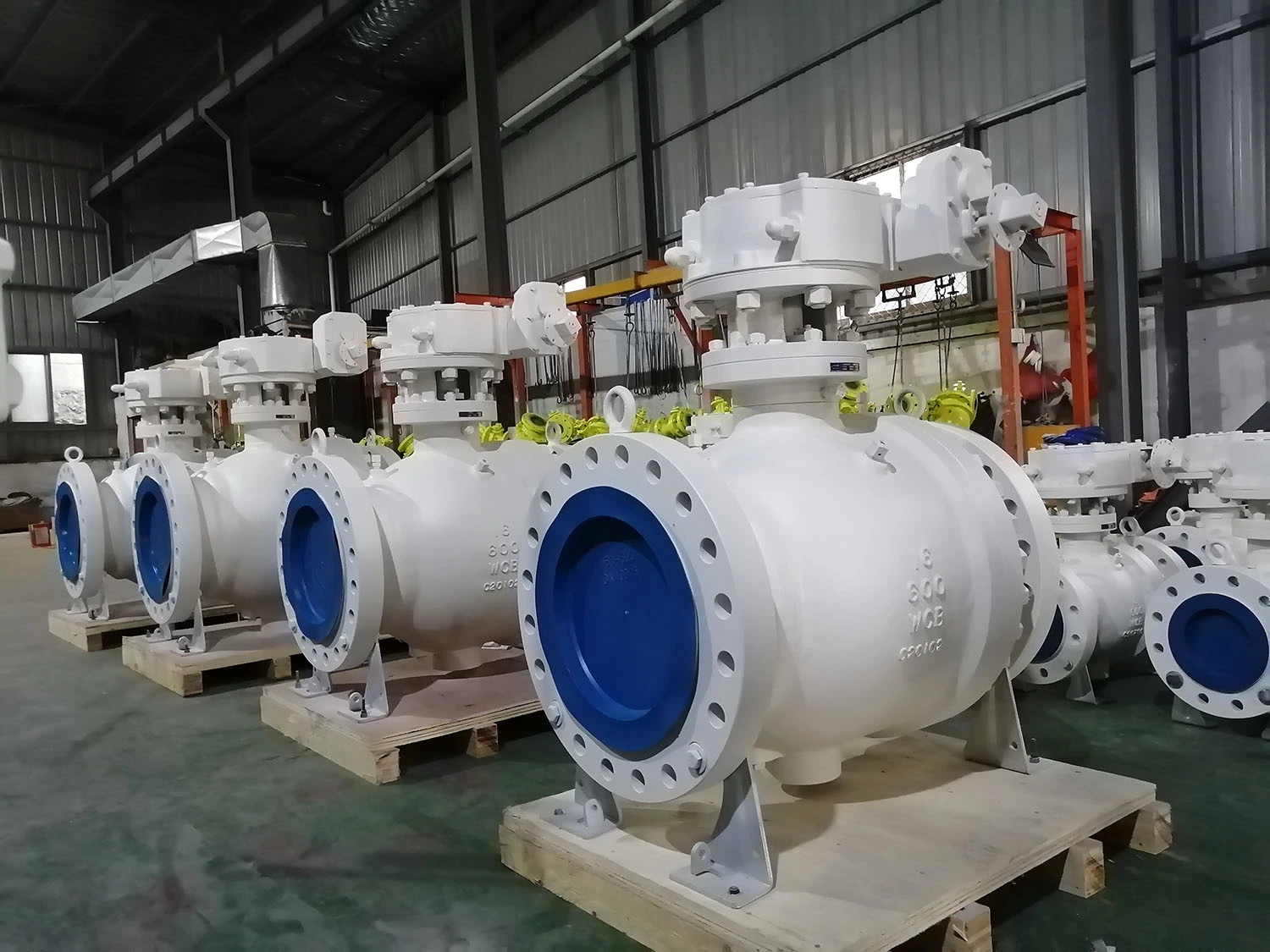
What are ball valves and how do they work?
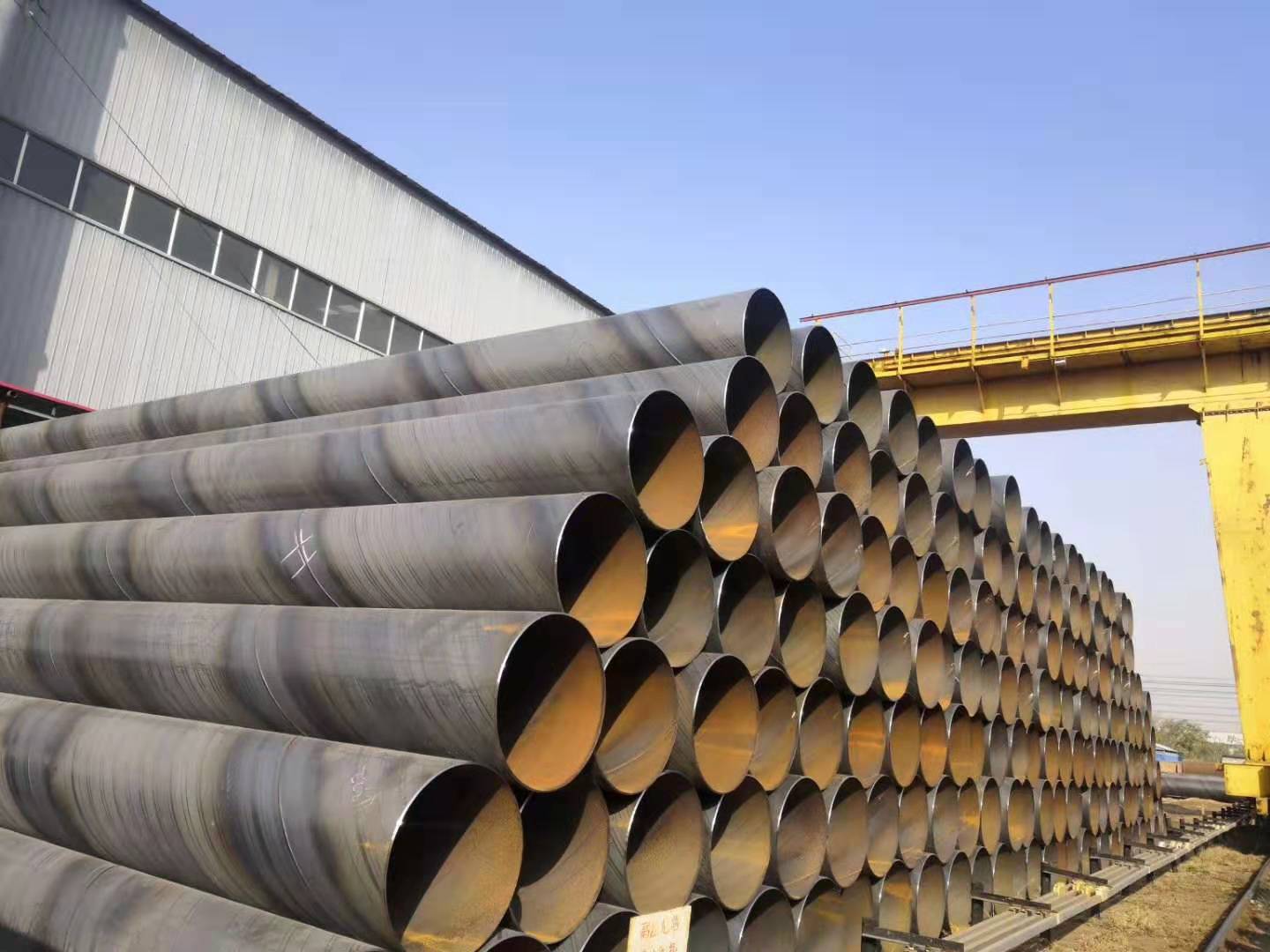
Comparison of threaded pipe and welded pipe: which is better for your project?
The role of ventilation in ensuring fire safety and smoke control.
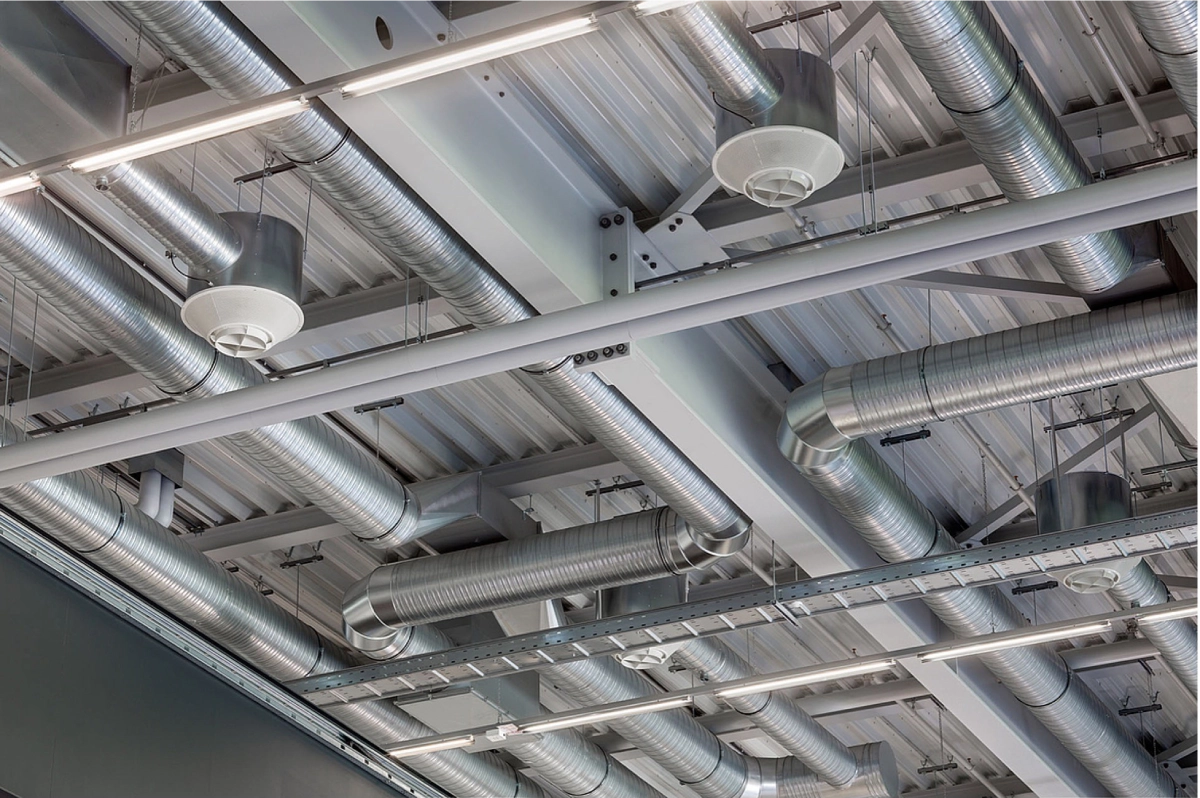
How good air circulation improves your shopping experience?
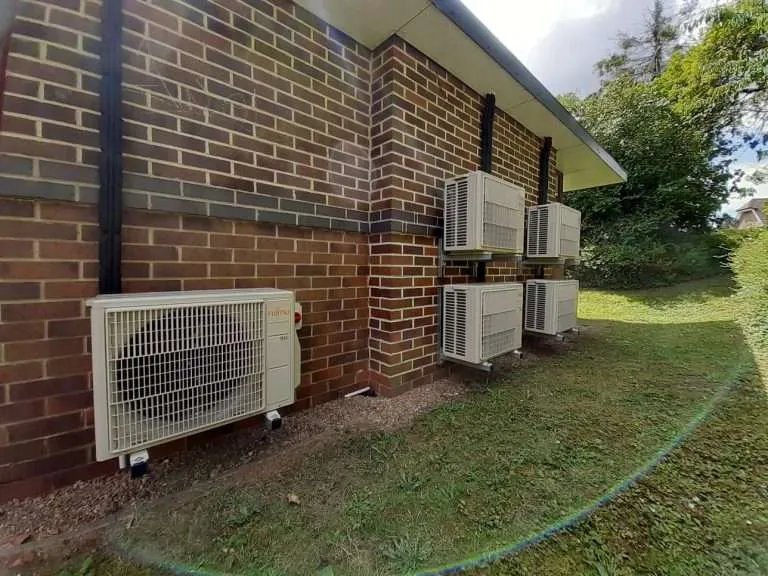
Duct fans: comprehensive applications and points to consider
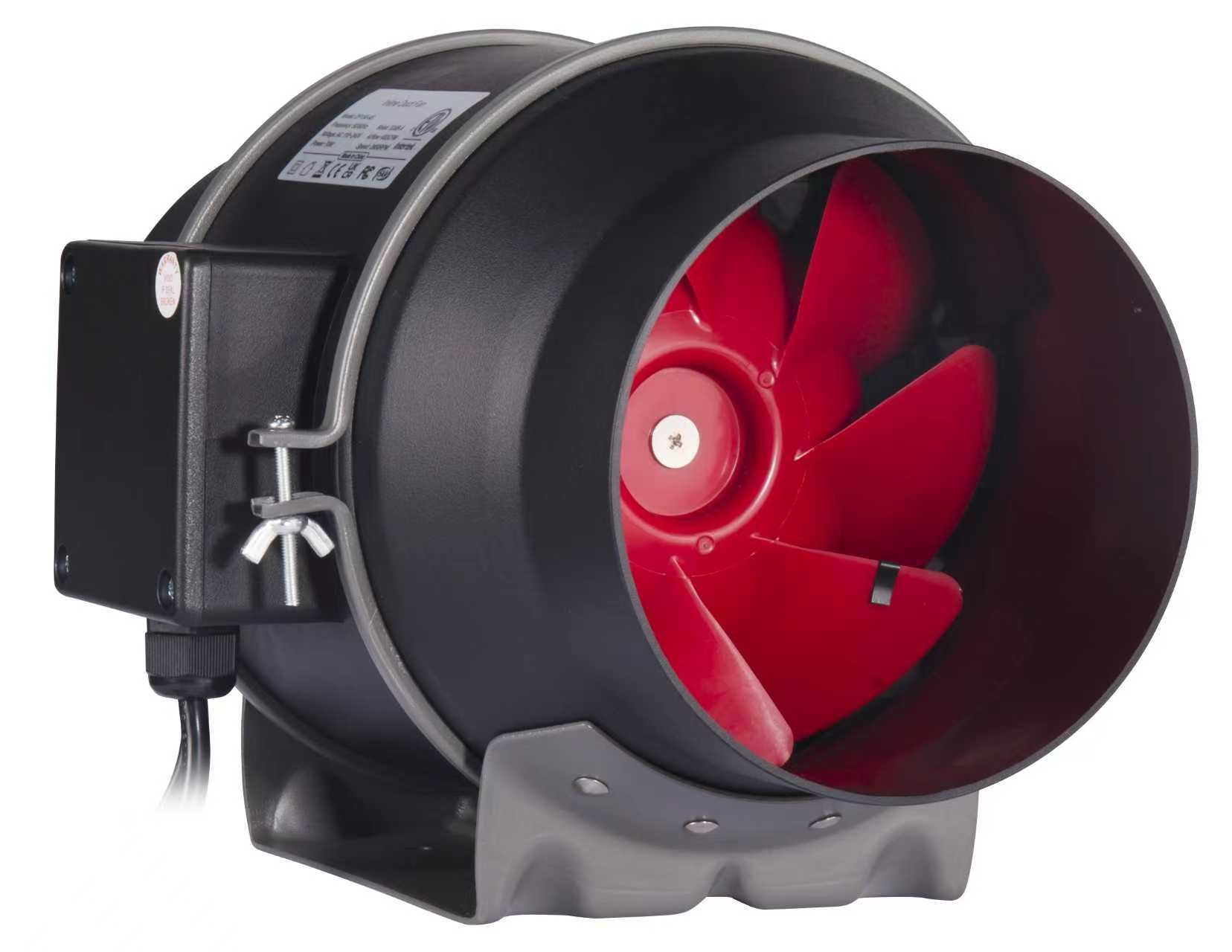
Ventilation in hospitals and healthcare facilities

Boiler or stove: how to decide?
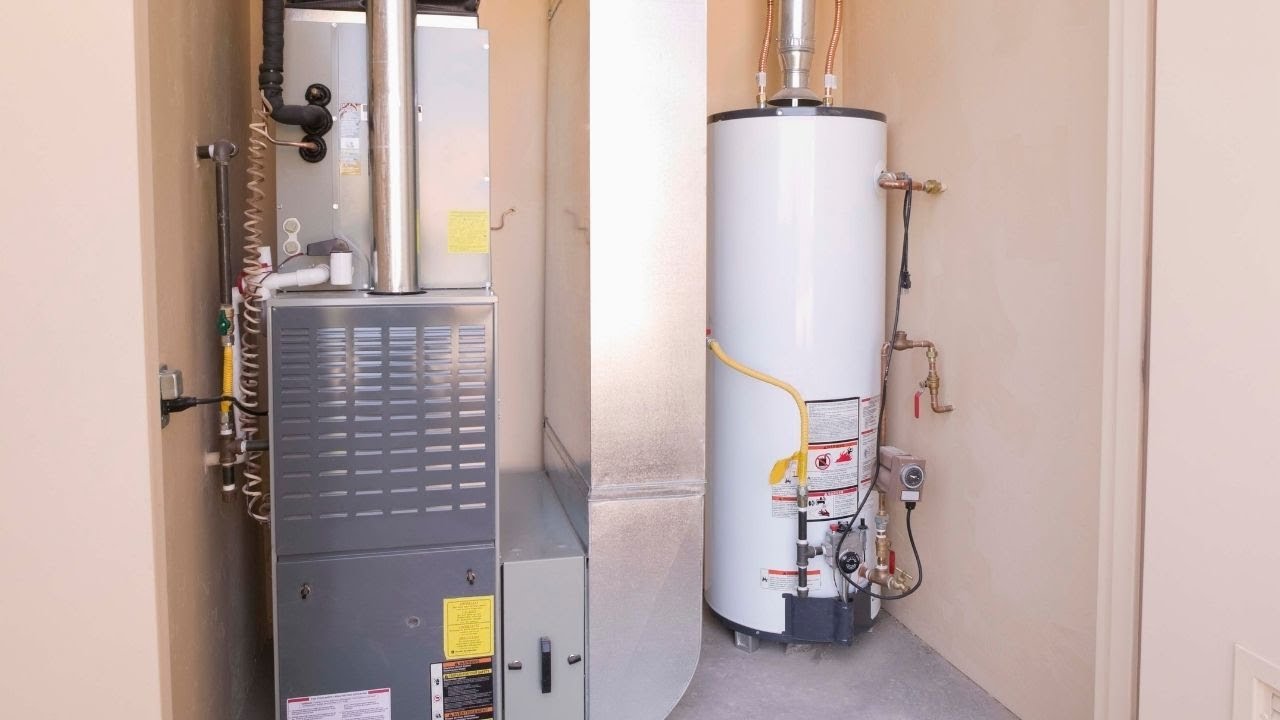
What type of heating is best for an old house?
How to calculate the required boiler capacity?

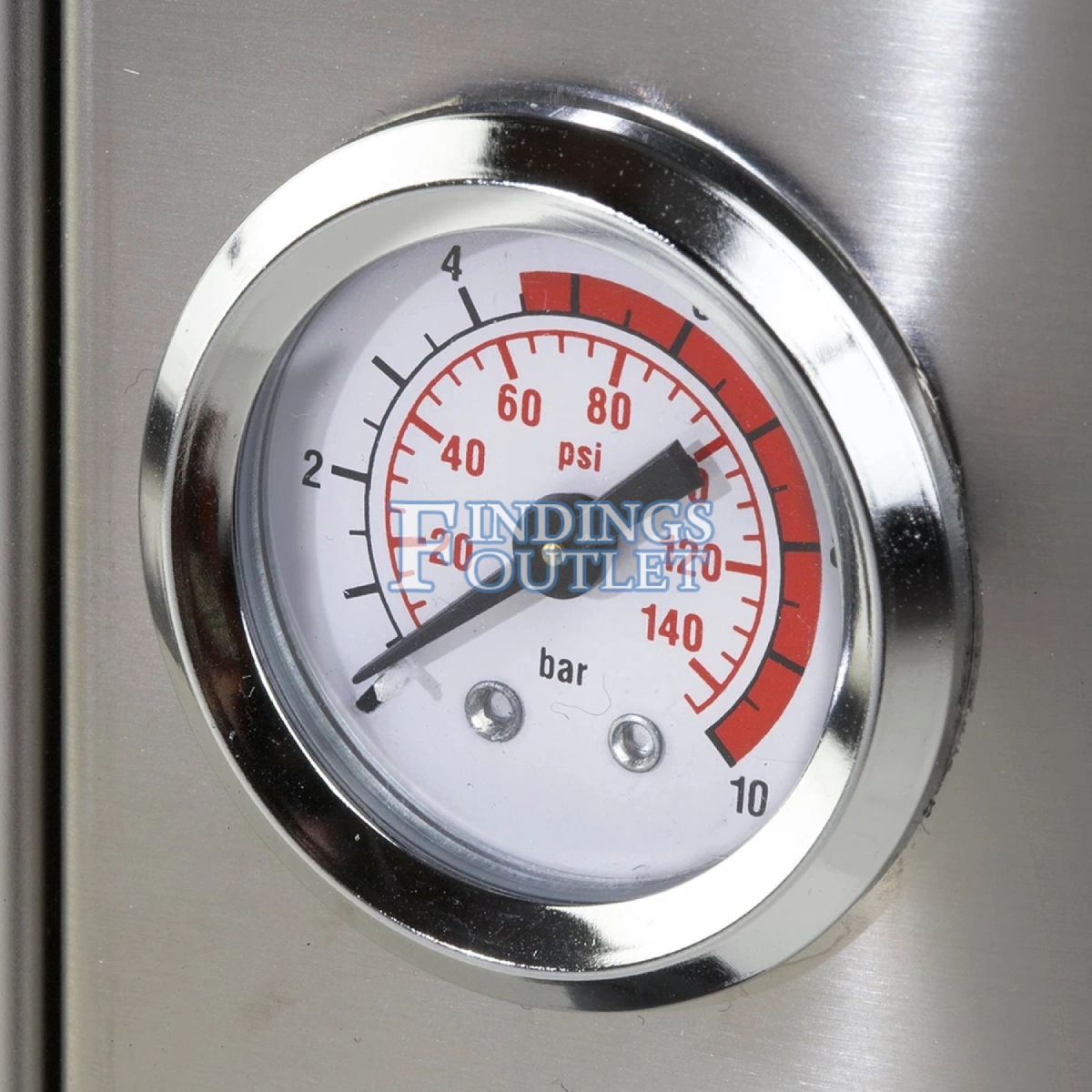
Boiler pressure keeps dropping — what is the reason?
Why Does My Boiler Keep Turning Off?
Boiler Size; This Really Matters
Choosing the Right Boiler Size for Your Home

Should I Keep The Boiler Running Continuously?
Noisy Boiler: Possible Causes And Solutions
The Importance of the Expansion Tank