Comparison of threaded pipe and welded pipe: which is better for your project?
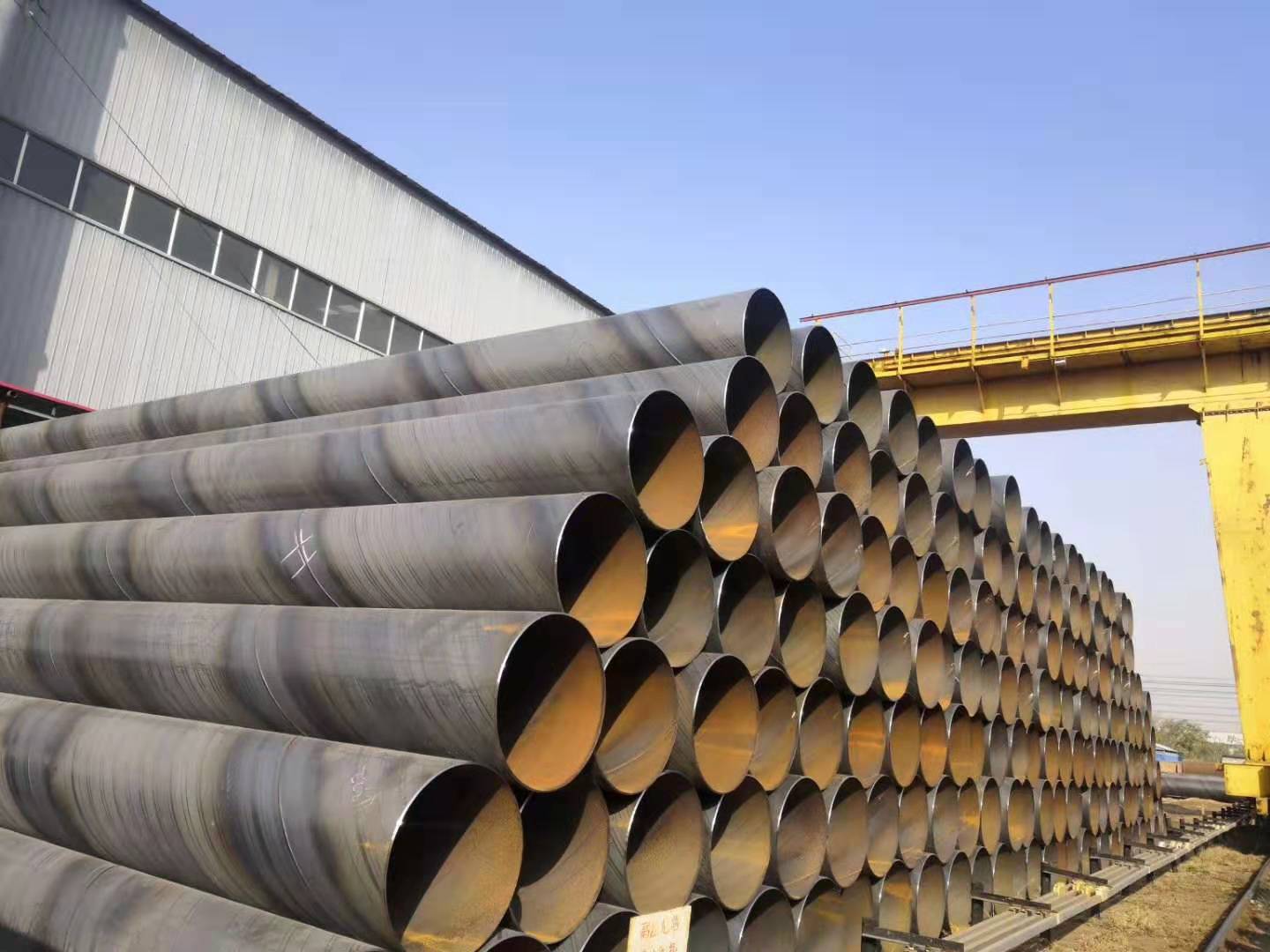
The main difference between threaded pipe and welded pipe is how they are connected.
Threaded pipes use threads to easily connect and disconnect, while welded pipes are permanently joined together by welding. This article will help you choose the right option for your project by reviewing these connection methods, their characteristics, uses, materials, installation, and costs.
Main Difference
Threaded connections are easy and quick to install, making them ideal for home water supply and low-pressure systems. However, they are not as strong and may develop leaks more easily compared to welded connections.
Welded connections are very strong, durable, and resistant to leakage, making them ideal for high-pressure and high-temperature applications in industries such as oil and gas and chemical processing.
When choosing between threaded and welded connections, installation cost, flexibility requirements, pressure, and temperature conditions of the project should be considered.
Connection Methods
Threaded connections use matching threads on pipes to join them, creating a tight seal when fully tightened. This method is often used in projects that require frequent changes or repairs because installation and disassembly are easy.
Threaded connections are widely used in homes and some industrial pressure systems because they are simple and effective.
Welded connections join pipe ends by melting them together. This method minimizes leakage risk and is ideal for high-pressure and high-temperature systems.
Types of welded connections include socket weld and butt weld. In socket weld, the pipe is inserted into a fitting and welded around it, while in butt weld, the pipe ends are directly welded together.
Threaded connections rely on mechanical fitting, while welded connections rely on fusion. Each method has its own advantages, and the choice depends on project requirements.
Strength and Durability
Welded connections are very strong and durable, creating a leak-proof joint for high-pressure and high-temperature environments.
Oil and gas and chemical processing industries prefer welded connections because they can withstand high pressure and temperature changes.
Threaded connections are also strong, but not as strong as welded ones. They are less durable under heavy loads and may leak if not installed correctly.
Welded pipes are more commonly used in high-pressure applications because the smooth joint reduces leakage risk.
High-quality welding is very important because poor welding can weaken the connection. However, when done properly, it prevents liquid and gas leakage and provides a reliable solution.
Applications
Welded connections are ideal for high-pressure and high-temperature applications.
Oil, gas, and chemical processing industries use welded fittings to prevent leaks and ensure strong connections.
Welded pipes have a smooth internal surface, which reduces flow resistance and turbulence.
Threaded fittings are used in homes and some industrial systems for easy assembly and disassembly.
They are also widely used with copper, brass, PVC, and various types of steel.
Threaded fittings are more suitable for systems that require flexibility and frequent changes.
Material Compatibility
Threaded fittings work well with materials such as copper, PVC, and steel, and are widely used in domestic water systems.
Welded fittings are mainly compatible with steel and carbon steel and are suitable for high-pressure and high-temperature environments.
However, welded pipes can be more prone to corrosion because they may lack anti-corrosion coatings in some cases and the manufacturing process may introduce contamination.
Understanding material compatibility is very important. Each fitting type is designed for specific materials, and temperature and chemical compatibility must be considered.
Proper material selection ensures system longevity and efficiency.
Installation Process
Threaded connections are popular because they are easy to install.
If not properly aligned, leaks may occur, but overall installation is faster and simpler.
Incorrect alignment can damage threads and cause maintenance issues.
Welded connections require more preparation, skilled workers, and time.
The welding process involves melting pipe ends together and requires safety precautions.
Although it takes longer, welded connections are more durable and leak-resistant.
One modern alternative is press-fit connections, where pipes are pressed together for fast installation.
Advantages of Threaded Pipe
Threaded pipes are easier and faster to install compared to welded pipes.
They do not require highly specialized skills and are especially suitable for domestic water systems.
They can be easily disassembled, making maintenance and modifications convenient.
Threaded pipes are ideal for low-pressure systems.
Disadvantages of Threaded Pipe
Threaded pipes may be more prone to leakage.
Over time, threads can become damaged, weakening the connection.
They are not as durable as welded systems in high-pressure environments.
Advantages of Welded Pipe
Welded connections are very strong and leak-proof.
They are ideal for high-pressure and high-temperature systems.
They are widely used in oil, gas, and chemical industries.
They provide high safety and reliability.
Disadvantages of Welded Pipe
Skilled workers are required for installation.
Modifications are difficult because the connection is permanent.
Installation takes more time.
Cost Factors
Welded pipes are initially more expensive because they require special equipment and skilled labor.
Threaded pipes are cheaper and more cost-effective.
However, in the long term, welded pipes may be more economical because they require less maintenance.
Choosing the Right Option for a Project
Technical requirements, pressure, temperature, and maintenance needs should be considered when making a choice.
Welded pipes are more suitable for high-pressure systems, while threaded pipes are better for flexible systems.
Summary
Both threaded and welded pipes have their own advantages and disadvantages.
Threaded pipes are suitable for flexible and easy-to-install systems.
Welded pipes are ideal for systems requiring high strength and reliability.
The final choice depends on project requirements and budget.
Other Manufacturing Sectors
Why does condensation form on windows and how can you prevent it?

How to Reduce Energy Losses in Local Exhaust Ventilation Systems
How to Choose the Right Material for HVAC Pipes
Enhancing workplace efficiency: The strategic importance of selecting quality flexible air ducts
What is a boiler room system and how do you choose the right equipment for your project?
Measurement Equipment and Safety Valves: Safety and Control in Heating Systems
The Role and Importance of Expansion Tanks in Heating Systems
6 signs your building needs better ventilation

How to choose the right ductwork?
Types of Bolts: Components, Sizes, and Applications
Threaded Rod: Types, Applications, and Selection Guide
The importance of material selection in mechanical engineering: Ensuring optimal performance and longevity
Insulated vs Non-Insulated flexible ducting | Buyer's guide
10 Key Factors to Consider When Choosing a Good Industrial Steam Boiler
10 Smart Ways to Improve Home Energy Efficiency Without Replacing Your Boiler
The importance of proper mechanical process installations

What are VRF systems and which buildings are they suitable for?
Advantages of insulated air ducts and why they are important
Energy-efficient heating systems: Which solutions are the most effective?

What are MEP systems and why are they important in construction projects?
The role of ventilation systems in creating a healthy and comfortable environment

Thermal Insulation: What Is It and How Is It Used?

What are accumulation tanks and why are they worth using?
Ofislərdə düzgün soyutma sistemi məhsuldarlığa necə təsir edir?

HVAC sistemlərinin ağıllı ev sistemləri ilə inteqrasiyası

Breathing made easy: the undeniable benefits of a home ventilation system.
What are ball valves and how do they work?
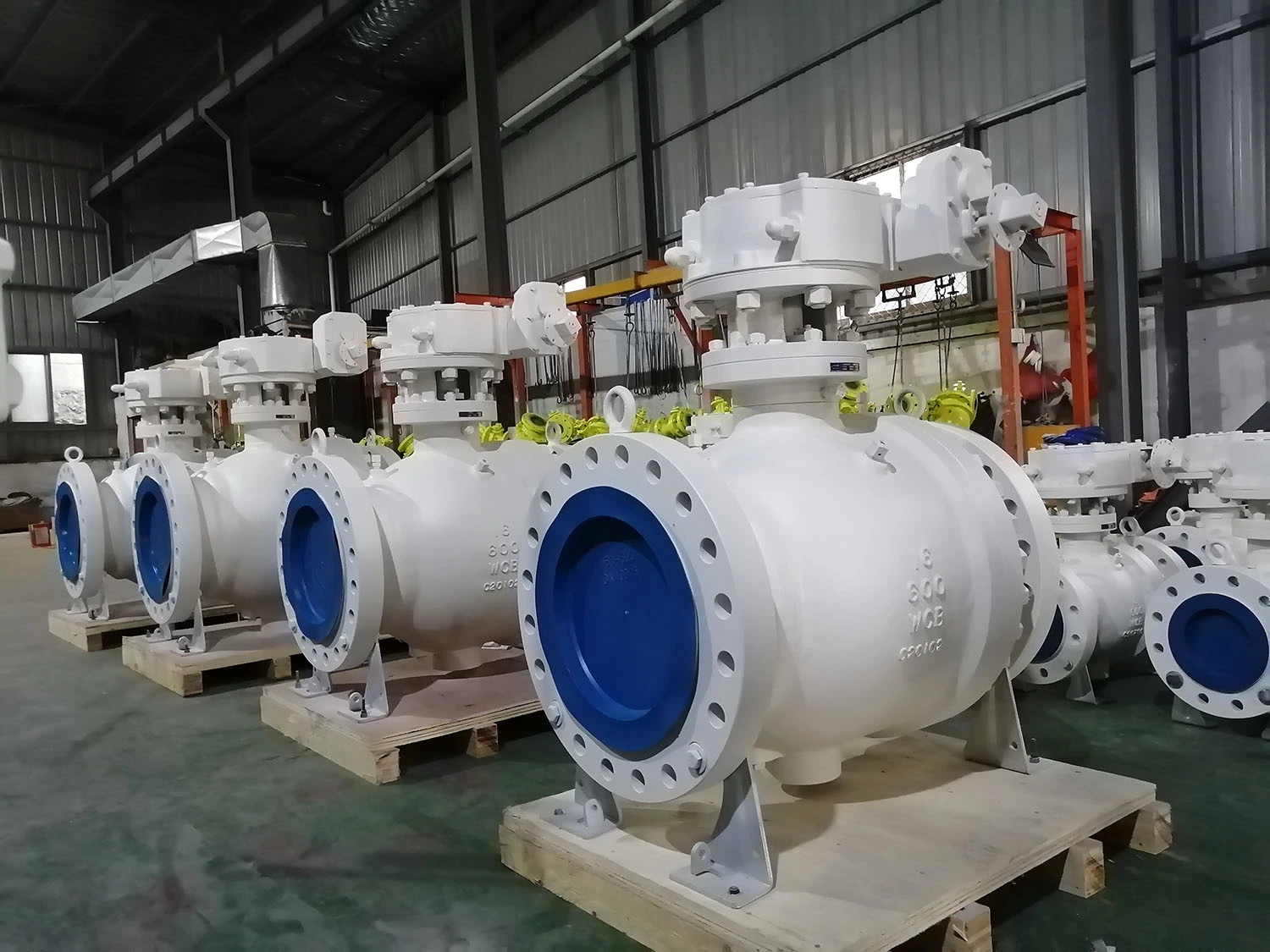
Comparison of threaded pipe and welded pipe: which is better for your project?
The role of ventilation in ensuring fire safety and smoke control.
How good air circulation improves your shopping experience?