10 Key Factors to Consider When Choosing a Good Industrial Steam Boiler
An industrial steam boiler is an essential piece of equipment for many industries and businesses. Choosing the right steam boiler is an important step towards optimising overall operations, improving energy efficiency and supporting reliable production processes.
For this reason, selecting a steam boiler that meets the specific requirements of a facility is extremely important. However, before choosing the right system, it is useful to understand what a steam boiler is and how it works.
What Is a Steam Boiler and How Does It Work?
A steam boiler is a pressurised system designed to generate steam for use as a source of heat and energy in industrial and commercial facilities.
A steam boiler generally consists of a vessel designed to convert water into steam using a heat source, together with various control and safety components.
Industrial boilers differ from domestic boilers. Industrial heating systems can operate at higher temperatures and pressures to meet the requirements of large commercial and manufacturing facilities.
There are several types of industrial steam boilers available. The two most widely used types are fire-tube boilers and water-tube boilers.
Fire-tube boilers are commonly used in low- and medium-pressure applications. They are known for their relatively simple construction, ease of operation and comparatively straightforward maintenance requirements.
Water-tube boilers, on the other hand, are used in applications requiring higher pressures and temperatures. They can provide high output and large steam production capacity.
Once the required boiler type and design have been determined, the following factors should be considered when selecting a suitable industrial steam boiler.
1. Safety
Safety is one of the most important factors to consider when choosing a steam boiler. Boilers operating under high pressure and temperature can present potential risks, so careful consideration is required during selection, installation and operation.
When selecting a steam boiler, it is therefore important to examine its safety systems, pressure relief valves, control systems and compliance with relevant standards.
Certain low-water-volume designs may help reduce risks in specific emergency scenarios. However, boiler selection should always be based on applicable technical and safety requirements.
2. Cost
It is important to calculate not only the initial purchase price of a boiler but also its long-term operating costs. Buying a cheap boiler and subsequently spending more on repairs, fuel and maintenance may not be the most economical decision.
Although price is an important factor, the total cost of ownership and operation should also be considered when selecting a steam boiler.
Rated capacity, operating pressure, temperature, fuel type, operating conditions and annual operating hours can all affect the overall efficiency and cost of a boiler.
Since cost and efficiency are closely related, particular attention should be paid to the boiler's technical specifications and performance characteristics.
3. Reliability
For a facility to operate continuously, the steam boiler must also operate reliably and consistently. The reliability and service life of the boiler system are therefore important factors to consider during the selection process.
The use of high-quality materials and an appropriate design can improve the durability of the boiler. The materials used for the pressure vessel, manufacturing quality and structural characteristics can all affect long-term performance.
For this reason, industrial facilities should consider reliable equipment with a long service life and accessible technical support.
4. Fuel Source
The type of fuel used to generate heat should be selected according to the resources available to the facility, energy prices and production requirements.
Steam boilers can use natural gas, coal, biomass and other energy sources to generate heat.
Fuel selection should not be based solely on price. Fuel availability, energy density, combustion efficiency, storage requirements and emissions should also be considered.
Coal-fired boilers can result in higher emissions and more complex fuel management. Biomass-fired boilers, meanwhile, can be an accessible alternative fuel source for certain applications.
5. Ease of Maintenance
The maintenance procedures and frequency required for efficient and long-term boiler operation should be considered in advance.
An efficient boiler system may include pressure equipment, water treatment systems, tanks, filtration equipment and other auxiliary components.
It is therefore advisable to choose a boiler with effective monitoring and control systems, accessible spare parts and a support plan for regular maintenance.
To ensure safe and reliable operation, maintenance and servicing should be carried out regularly in accordance with the manufacturer's recommendations and applicable technical requirements.
6. Size
The available installation space must be considered when selecting a boiler. A compact and properly sized boiler can allow a facility to make more efficient use of its available space.
Before purchasing an industrial steam boiler, facilities should accurately determine the dimensions of the installation area.
However, the space required for maintenance, inspection, repairs and safe access around the boiler should also be included in the overall planning process.
7. Steam Boiler Emissions
As environmental requirements become increasingly important, emissions released into the atmosphere have become a significant factor in boiler selection.
When choosing a steam boiler, preference should be given to equipment that can help reduce harmful emissions and comply with applicable environmental regulations and requirements.
In particular, NOx, CO and other emissions can be directly influenced by the selected fuel and combustion technology.
8. Combustion Technology
It is advisable to choose a system with a high turndown ratio while maintaining good combustion efficiency.
The thermal and combustion efficiency of a boiler is strongly influenced by burner performance. Industrial boilers use different combustion technologies for burning natural gas, oil, biomass and other fuels.
Low-NOx burner systems can help reduce emissions and improve environmental performance.
The turndown ratio indicates how far fuel input and air supply can be reduced while maintaining stable and efficient combustion.
A high turndown ratio can be particularly beneficial for facilities with variable steam demand because it allows the boiler to adjust its output more effectively.
9. Start-Up Time
Time is money!
Many industrial facilities may require steam within a relatively short period. For this reason, boiler start-up time is another factor that should be considered during the selection process.
Water-tube boilers can offer faster start-up characteristics in certain applications and may be able to convert water into steam relatively quickly.
The required start-up time should therefore be determined according to the facility's production process, and the selected boiler should be capable of meeting those operational requirements.
10. Low Heat Flux and High Heat Transfer Surface
A sufficiently large heat transfer surface can contribute to higher boiler efficiency, lower flue gas temperatures and reduced fuel consumption.
This allows more of the heat generated during combustion to be transferred efficiently to the water and converted into useful steam.
The design and size of the boiler's heat transfer surface play an important role in determining how effectively heat is transferred between the combustion gases and the water.
The heating surface in contact with water, also known as the heating surface, is another important factor when assessing the boiler's heat transfer capability.
For this reason, properly sized boilers with efficient heat transfer surfaces can provide more energy-efficient steam generation.
Conclusion
All of the factors discussed above should be considered together when selecting a suitable industrial steam boiler.
When making a decision about an industrial boiler, it is important not to rush. The facility's actual steam demand, operating conditions, fuel type, available installation space, safety requirements and long-term operating costs should all be carefully evaluated.
Maximum boiler efficiency can be achieved when the system is correctly sized, installed and operated under suitable conditions and for the intended application.
A properly selected industrial steam boiler with efficient technology can help businesses reduce energy consumption and operating costs, improve production efficiency and achieve a more reliable supply of heat and steam.
Other Manufacturing Sectors
Why does condensation form on windows and how can you prevent it?

How to Reduce Energy Losses in Local Exhaust Ventilation Systems
How to Choose the Right Material for HVAC Pipes
Enhancing workplace efficiency: The strategic importance of selecting quality flexible air ducts
What is a boiler room system and how do you choose the right equipment for your project?
Measurement Equipment and Safety Valves: Safety and Control in Heating Systems
The Role and Importance of Expansion Tanks in Heating Systems
6 signs your building needs better ventilation

How to choose the right ductwork?
Types of Bolts: Components, Sizes, and Applications
Threaded Rod: Types, Applications, and Selection Guide
The importance of material selection in mechanical engineering: Ensuring optimal performance and longevity
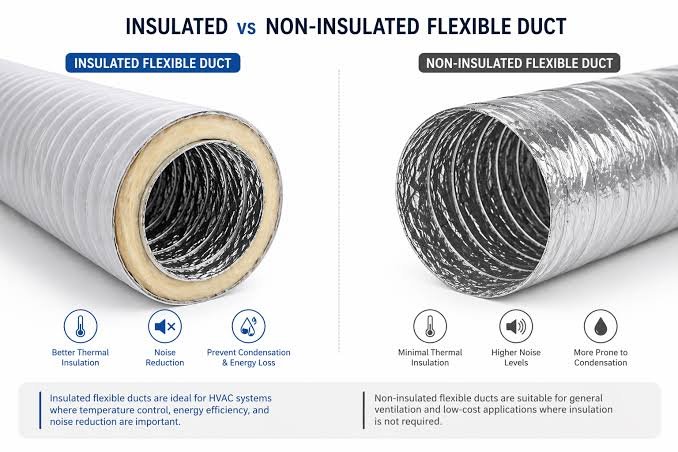
Insulated vs Non-Insulated flexible ducting | Buyer's guide
10 Key Factors to Consider When Choosing a Good Industrial Steam Boiler
10 Smart Ways to Improve Home Energy Efficiency Without Replacing Your Boiler
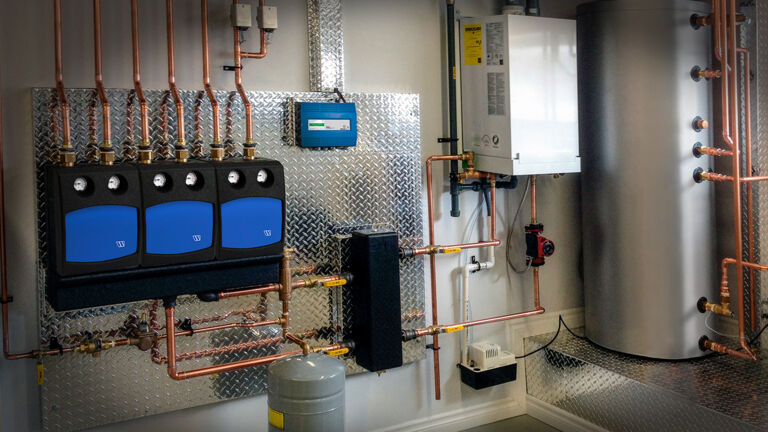
The importance of proper mechanical process installations

What are VRF systems and which buildings are they suitable for?
Advantages of insulated air ducts and why they are important
Energy-efficient heating systems: Which solutions are the most effective?
What are MEP systems and why are they important in construction projects?
The role of ventilation systems in creating a healthy and comfortable environment

Thermal Insulation: What Is It and How Is It Used?

What are accumulation tanks and why are they worth using?
Ofislərdə düzgün soyutma sistemi məhsuldarlığa necə təsir edir?

HVAC sistemlərinin ağıllı ev sistemləri ilə inteqrasiyası
Breathing made easy: the undeniable benefits of a home ventilation system.
What are ball valves and how do they work?
Comparison of threaded pipe and welded pipe: which is better for your project?
The role of ventilation in ensuring fire safety and smoke control.
How good air circulation improves your shopping experience?