


What is unbalanced airflow?
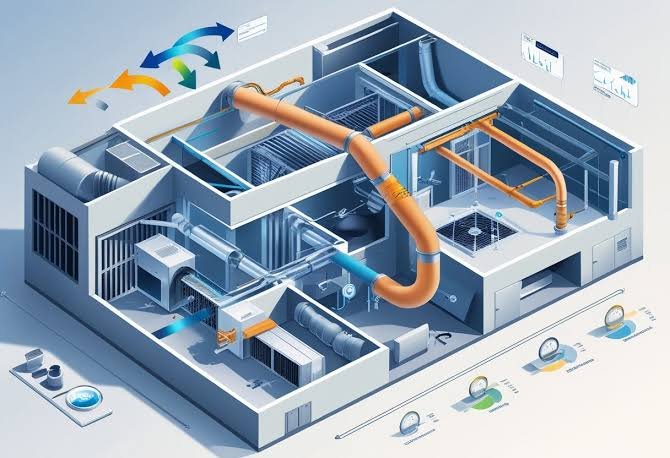
Unbalanced airflow occurs when air from an HVAC system is not distributed evenly throughout a home or business. Many people have experienced a house that feels drafty in winter or seems to have stale air all the time. When some rooms receive too much air while others do not get enough, adjusting the airflow balance can help create a more comfortable indoor environment.
The most obvious sign of unbalanced airflow is temperature differences between rooms. For example, your bedroom may stay warm while the living room feels extremely cold. Alternatively, the upstairs may always be hot while the ground floor remains cold. Even if you repeatedly adjust the thermostat, achieving a comfortable temperature can be difficult.
Energy bills can also indicate an airflow imbalance. The HVAC system has to work harder to heat or cool problem areas, consuming more electricity or gas than it would in a properly balanced environment.
In addition, HVAC equipment may operate for longer cycles or start up more frequently. This increases wear and tear, leading to higher maintenance and repair costs. Fans, motors, and compressors may fail years before reaching their expected service life.
Unbalanced airflow can also affect indoor air quality and health. The air filter in a central heating and cooling system plays an essential role in maintaining clean indoor air. Areas with poor circulation can accumulate dust, allergens, and other pollutants. Without proper air movement, these contaminants remain in your home or workplace instead of passing through the filtration system. They can contribute to allergies, respiratory problems, and other health concerns, particularly for people with asthma or chronic obstructive pulmonary disease (COPD).
Benefits of Balanced Airflow
When an HVAC system achieves proper airflow balance, the improvements can be noticeable almost immediately. A well-balanced system can help maintain temperature differences of approximately three degrees or less between rooms, reducing the need to constantly adjust the thermostat or use additional heating and cooling devices.
Balanced airflow can reduce energy consumption by 15–30% compared with unbalanced systems. This is because HVAC equipment no longer needs to overcompensate for areas with inadequate heating or cooling. Some estimates suggest that homeowners can save up to $350 per year on utility bills and maintenance by balancing their HVAC airflow. Actual savings depend on the system's condition and operating environment.
Balanced systems also help protect your investment in HVAC equipment. When air flows correctly, system components operate within their intended performance ranges, reducing mechanical stress and potentially extending equipment life.
Indoor air quality can improve significantly with balanced airflow. Proper circulation allows air to pass through filtration systems more effectively. Balanced airflow can also help reduce moisture accumulation, lowering the risk of mold growth.
Proper balancing reduces uncomfortable drafts near supply vents and return-air grilles, creating a more consistent and comfortable environment throughout a home or business.
Challenges
Many homes and businesses experience airflow imbalance because of fundamental design flaws in their HVAC systems. Ductwork may be undersized or contain too many bends, creating restrictions that limit airflow to certain areas. Leaky ducts can also contribute to the problem. Duct cleaning, repairs, and replacement may help resolve these issues and restore proper airflow.
Incorrect equipment sizing is another common cause of airflow imbalance. Oversized units cycle on and off too frequently, preventing them from running long enough to distribute air evenly. Undersized systems may operate continuously but still fail to deliver sufficient airflow to distant rooms.
Building modifications can create additional airflow challenges. Even a small extension or renovation can significantly change how air moves throughout a building. Depending on the situation, installing a new HVAC system or adding a ductless unit to areas that are difficult to reach may help resolve the problem.
Zoning and Balanced Airflow
In some cases, adding an HVAC zoning system is the most effective solution for unbalanced airflow. Zoning divides a home or business into separate areas, allowing each zone to be heated or cooled independently.
This approach addresses airflow and temperature differences by providing more customized control throughout the building. Zoned systems may offer additional energy savings beyond those achieved through airflow balancing alone.
Basic zoning can begin with manual adjustments to dampers installed in the ductwork. These mechanical devices regulate the amount of air delivered to different areas. Fan and blower settings can also be adjusted to improve airflow. However, manual adjustments do not automatically respond to changing conditions throughout the day.
Modern electronic zoning systems offer more advanced control. They use motorized dampers connected to a central control panel, which automatically adjusts airflow based on temperature readings in each zone. Some systems also feature variable-speed fans to improve comfort and reduce energy consumption. High-quality electronic zoning can maintain temperatures within approximately one degree of the setpoint across different areas of a building, depending on system design and conditions.
Smart technology takes zoning a step further by integrating occupancy sensors and learning thermostats. These systems can detect when rooms are unoccupied and reduce heating or cooling in those zones. When connected to smart home platforms, they can also adjust settings based on daily routines or detect when occupants return home. Many smart zoning systems offer programmable schedules and automated controls.
Zoning also allows different household members to personalize their comfort settings. For example, someone who prefers a cooler bedroom can adjust that zone without affecting family members who prefer warmer temperatures elsewhere. This flexibility can be particularly beneficial for people with specific health or comfort requirements.
Ensuring Proper Airflow Balancing
Airflow balancing begins with comprehensive pressure testing throughout the HVAC system. Technicians use specialized gauges to measure static pressure inside the ductwork and identify restrictions or leaks that interfere with proper air distribution.
The next step is measuring airflow. Technicians use suitable instruments to determine the volume of air passing through each vent. These measurements reveal which rooms receive more or less air than specified in the system design.
Based on the results, technicians make precise adjustments to dampers, fans, blowers, and other components to improve air distribution. They may also recommend maintenance and repairs, such as sealing leaking ducts or cleaning blocked vents, to restore proper airflow.
Other Manufacturing Sectors
What is unbalanced airflow?
Why Pressure Loss Matters in Ventilation Ductwork Design
Why is one room hotter than the rest of the house?
10 signs that your home’s air quality needs improvement
The Importance of Ventilation Filters
How to choose the right ventilation system for offices, warehouses and restaurants
Critical components of hospital ventilation systems that require regular testing
Top 5 Ways to Improve Energy Efficiency in Commercial Buildings
Why your air conditioner Is running but not cooling the room
Why does condensation form on windows and how can you prevent it?

How to Reduce Energy Losses in Local Exhaust Ventilation Systems
How to Choose the Right Material for HVAC Pipes
Enhancing workplace efficiency: The strategic importance of selecting quality flexible air ducts
What is a boiler room system and how do you choose the right equipment for your project?
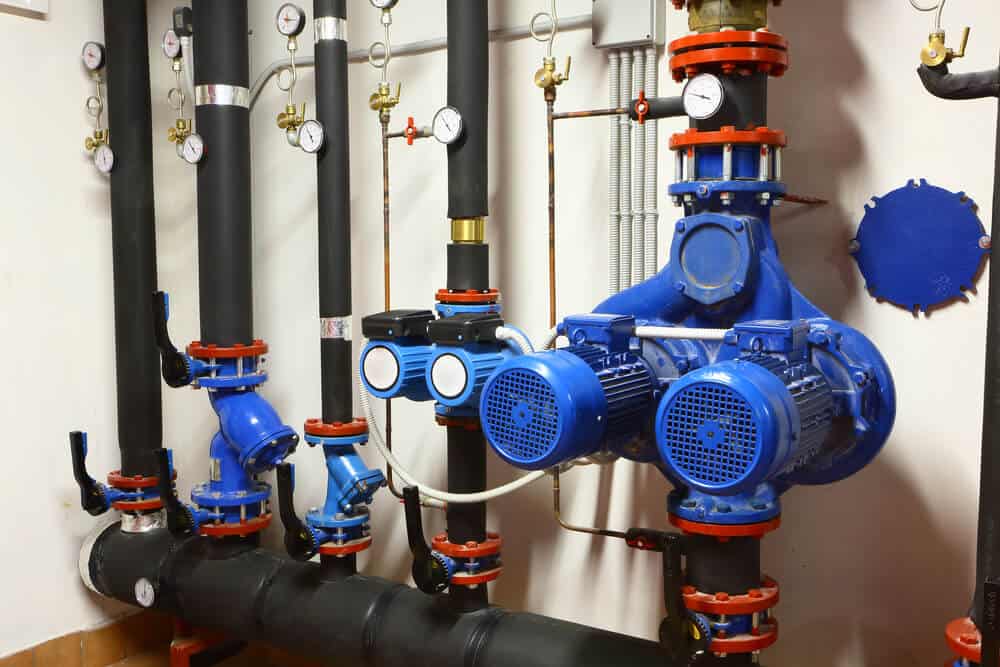
Measurement Equipment and Safety Valves: Safety and Control in Heating Systems
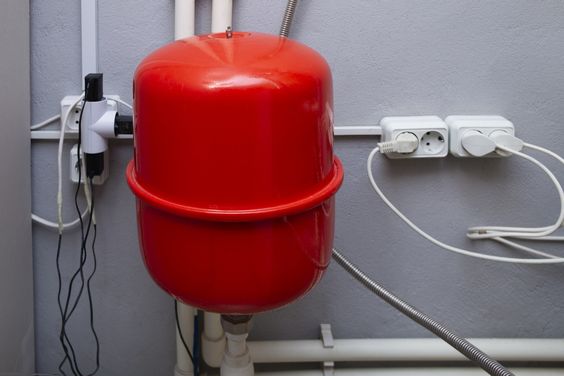
The Role and Importance of Expansion Tanks in Heating Systems
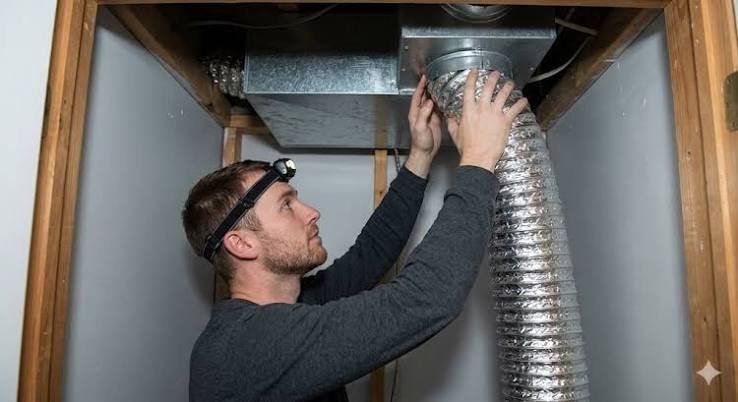
6 signs your building needs better ventilation

How to choose the right ductwork?
Types of Bolts: Components, Sizes, and Applications
Threaded Rod: Types, Applications, and Selection Guide
The importance of material selection in mechanical engineering: Ensuring optimal performance and longevity
Insulated vs Non-Insulated flexible ducting | Buyer's guide
10 Key Factors to Consider When Choosing a Good Industrial Steam Boiler
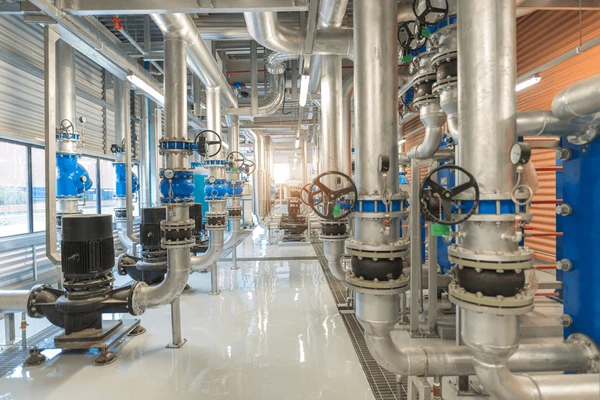
10 Smart Ways to Improve Home Energy Efficiency Without Replacing Your Boiler
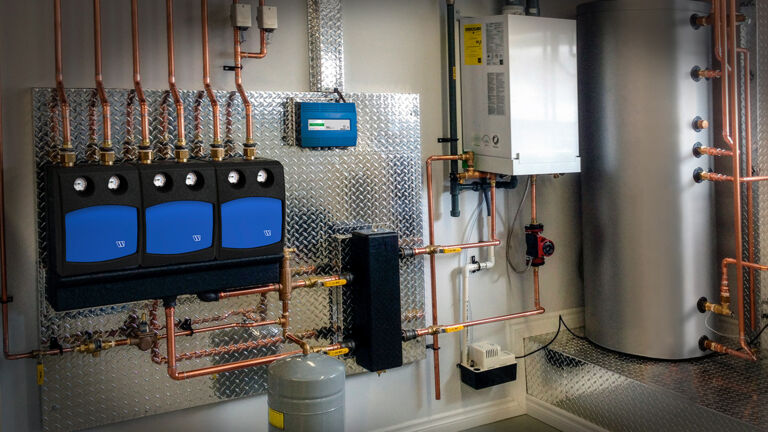
The importance of proper mechanical process installations

What are VRF systems and which buildings are they suitable for?
Advantages of insulated air ducts and why they are important
Energy-efficient heating systems: Which solutions are the most effective?
What are MEP systems and why are they important in construction projects?
The role of ventilation systems in creating a healthy and comfortable environment

Thermal Insulation: What Is It and How Is It Used?
What are accumulation tanks and why are they worth using?
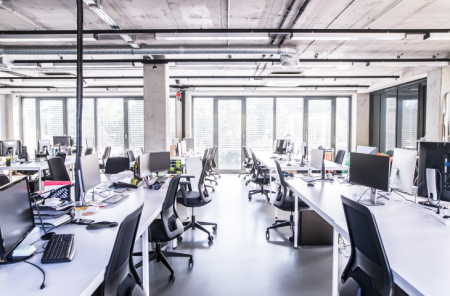
Ofislərdə düzgün soyutma sistemi məhsuldarlığa necə təsir edir?
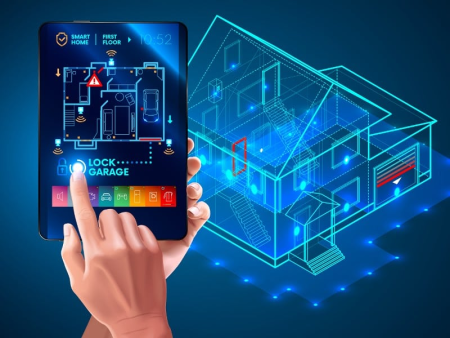
HVAC sistemlərinin ağıllı ev sistemləri ilə inteqrasiyası
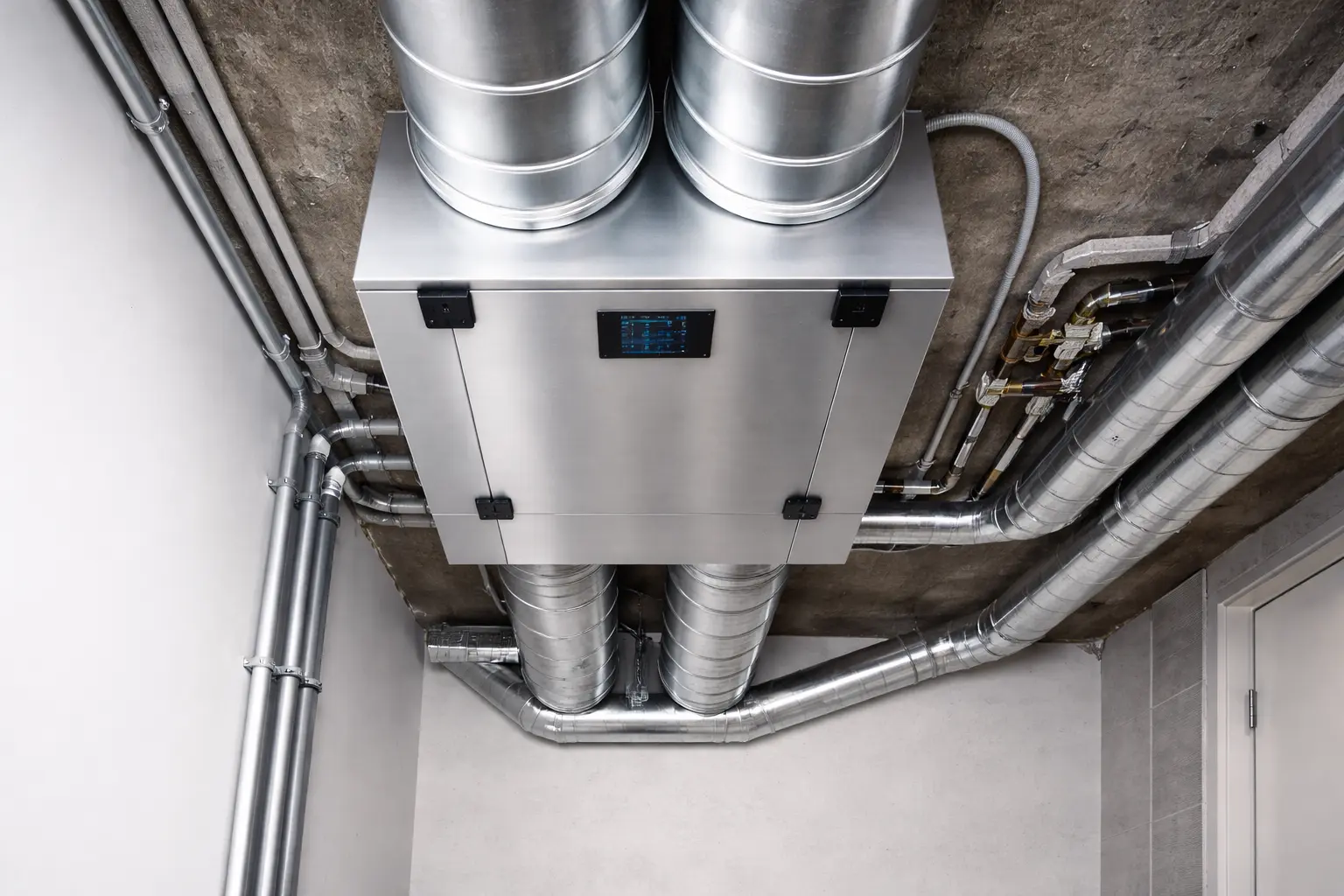
Breathing made easy: the undeniable benefits of a home ventilation system.
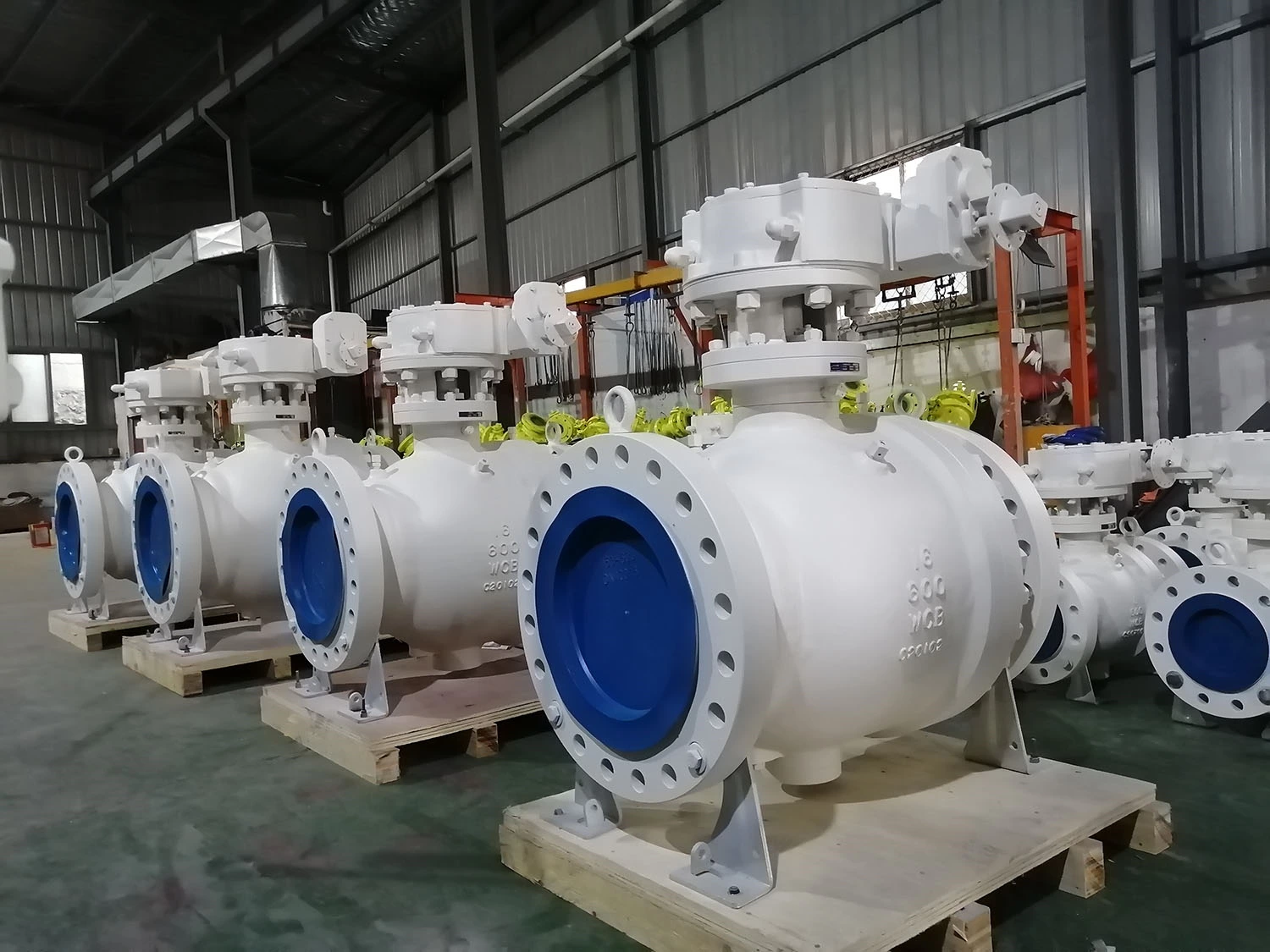
What are ball valves and how do they work?
Comparison of threaded pipe and welded pipe: which is better for your project?
The role of ventilation in ensuring fire safety and smoke control.
How good air circulation improves your shopping experience?
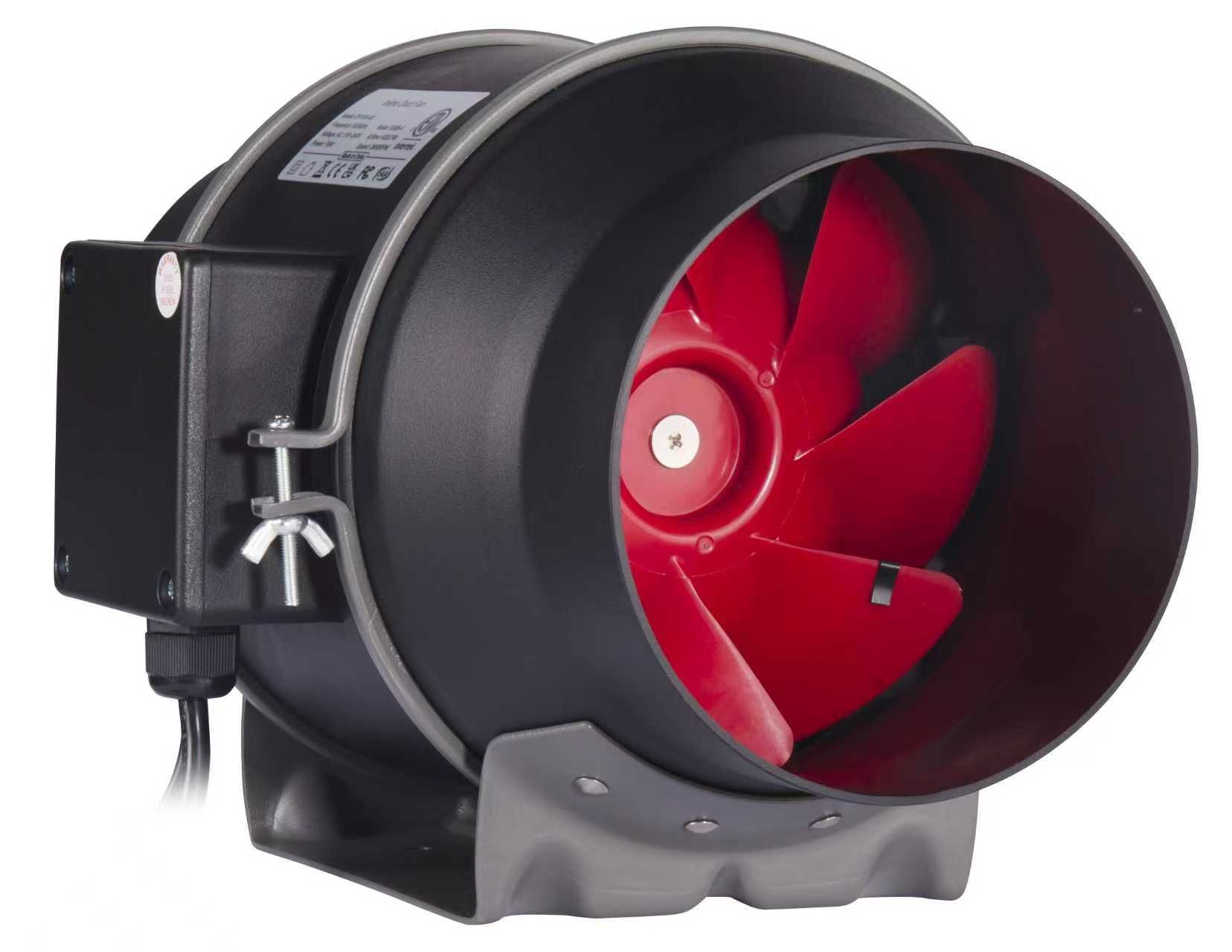
Duct fans: comprehensive applications and points to consider
Ventilation in hospitals and healthcare facilities
Boiler or stove: how to decide?
What type of heating is best for an old house?
How to calculate the required boiler capacity?

Boiler pressure keeps dropping — what is the reason?
Why Does My Boiler Keep Turning Off?
Boiler Size; This Really Matters
Choosing the Right Boiler Size for Your Home

Should I Keep The Boiler Running Continuously?
Noisy Boiler: Possible Causes And Solutions
The Importance of the Expansion Tank
How to Keep Your Pipes Warm in Winter: Tips to Prevent Freezing
Types of Electric Heaters
Can you dry clothes on bathroom towel radiators?
Common Insulation Problems
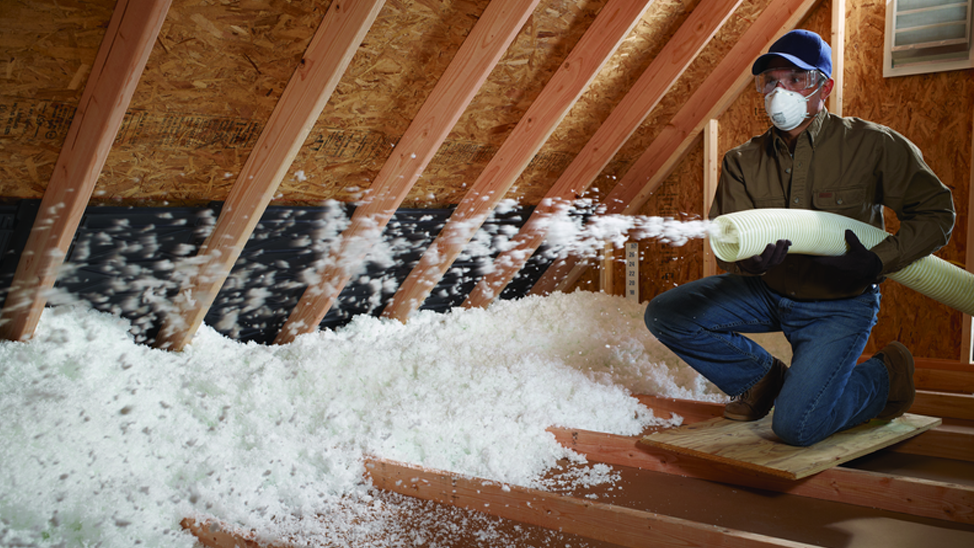
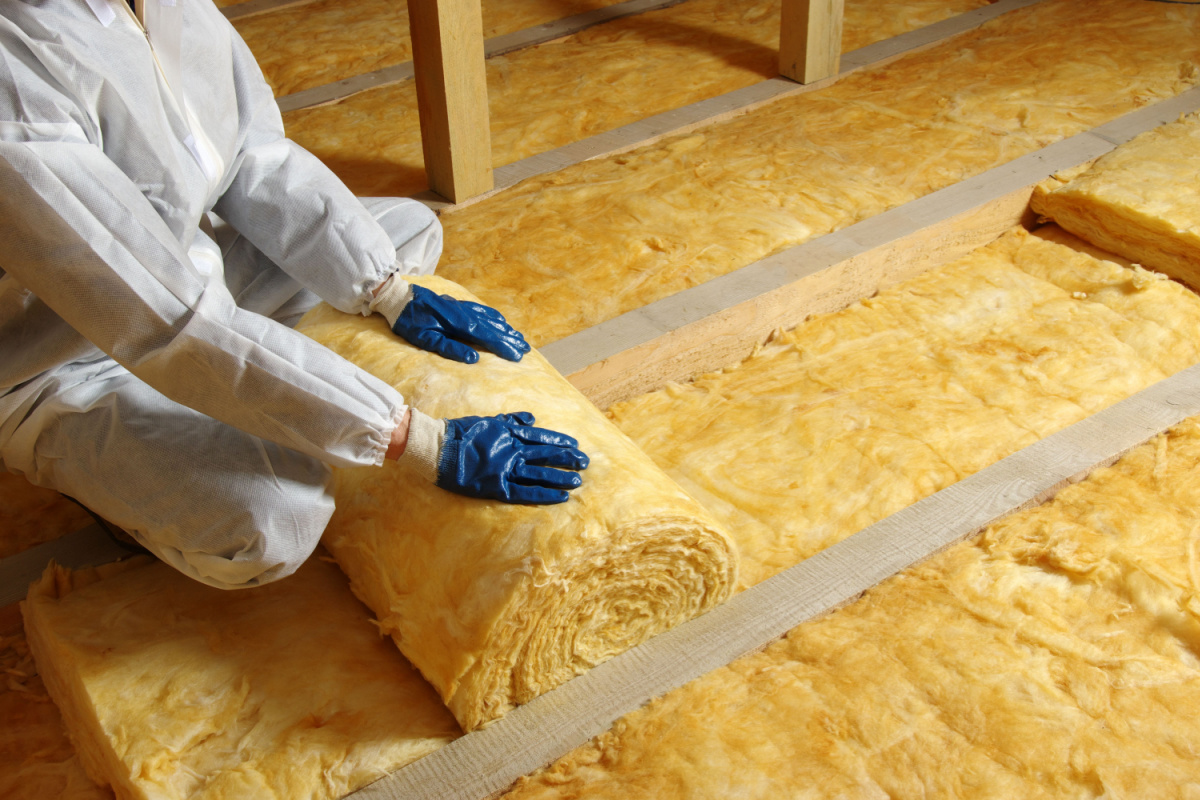
The Importance of Proper Insulation in Home Heating
Combi Boiler vs System Boiler: Which Is Best for Your Home?
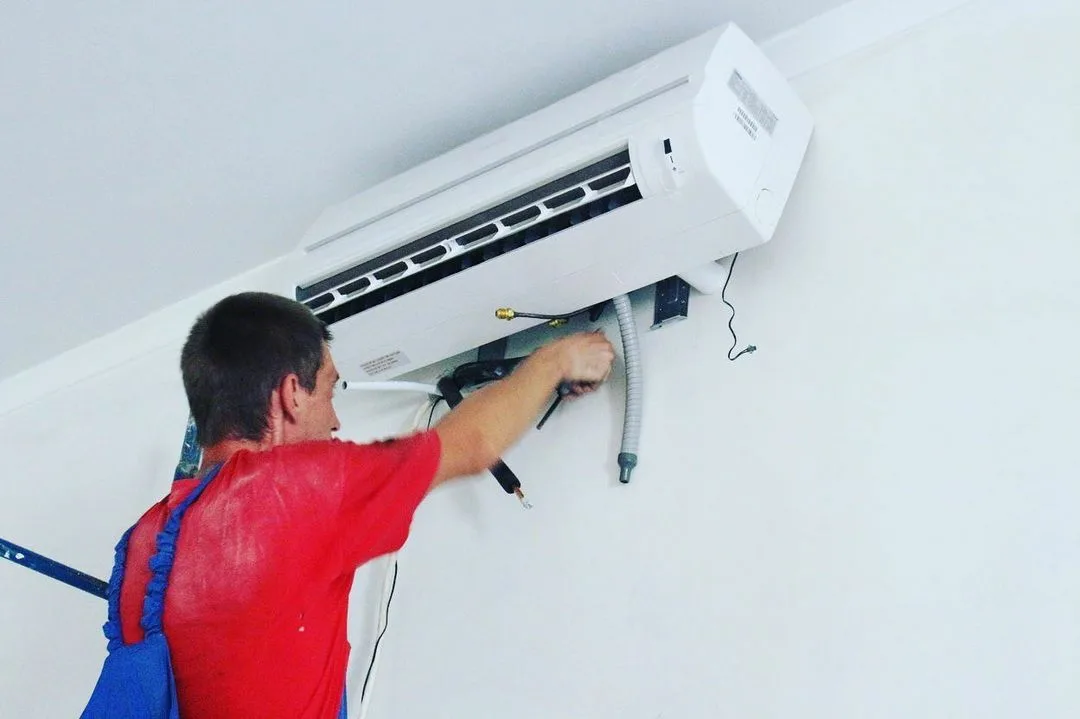
How to Prepare Your Home for HVAC Installation: 9 Essential Tips
HVAC for New Construction: What You Need to Know

How to choose the best boilers for schools in 2026?
How to clean a gas boiler?
What is mechanical ventilation?
How to improve air quality during allergy season

The truth behind common myths about air purifiers

Choosing Clamps for Professionals: Structure, Types and Applications

The Role and Importance of Measurement Equipment in Industry
Safety Gloves: A Small Tool, Big Protection

Your Home’s “Thermos” Effect: The Secret to Staying Warm in Winter and Cool in Summer
Practical Guide: Maintenance, Efficiency, and Safety of Boiler Room Systems

The Hidden Heroes of Our Home: Radiators

How Radiators Work: The Heat Distributors of Your Home

Boiler Rooms Explained: The Core of Home Heating

Energy-Efficient Home Heating Options: A Complete Guide

Why Is Regular Maintenance of HVAC Systems Important?

Control and Safety Devices in the Boiler Room: Essential Components for Your System

What is HVAC? Fundamentals of Heating and Cooling Systems

The ventilation systems in large buildings

Radiators vs Underfloor Heating: Which Works Better with Heat Pumps?

Radiators and Heating Systems: Comfortable and Energy-Efficient Solutions for Your Home

HVAC Pipe Insulation – Energy Saving and Stable Temperature Maintenance

What Don’t We Know About Ventilation Systems?

The Importance of Insulation for Energy Efficiency

Şüşə Yunu ilə Boru İzolyasiyası Nədir və Niyə Vacibdir?

Hansı radiator daha yaxşıdır?

What are heating systems for?

Havalandırma avadanlıqları nə üçündür?

Ventilation Systems

Heating systems - Models and prices

Heating systems

Havalandırma sistemləri (Havalandirma sistemleri)

Boru armaturları və fittinqləri

Qazanxana nədir?

Mechanical and Natural Ventilation: Which Is More Effective?

Ways to Save Energy with Smart Heating Systems

Effective Cooling Solutions for Commercial Properties

Boiler, Air Conditioning, and Ventilation System: How Are They Controlled Simultaneously?

Alternative Energy Sources in Heating and Cooling: Technologies of the Future
