


10 signs that your home’s air quality needs improvement

When we think about our health and well-being, we usually focus on nutrition, physical activity, and getting enough sleep. However, there is another factor that is just as important but often overlooked: the quality of the air we breathe inside our homes.
Although indoor air quality plays an important role in our health and overall well-being, many people do not pay enough attention to it. Considering that we spend a significant part of our day — approximately 90% — indoors, ensuring that we breathe clean and healthy air is extremely important. Fortunately, there are several simple measures that can significantly improve indoor air quality.
So, how can you determine whether the air quality in your home is satisfactory? You can consult an indoor air quality specialist who can conduct appropriate tests, identify the source of the problem, and recommend effective solutions.
However, if you want to make an initial assessment yourself, there are several signs that may indicate your indoor air quality needs improvement.
Signs to Look for in Your Home
1. Mould Growth
One of the most noticeable signs of poor indoor air quality (IAQ) is the presence of mould. Mould is not only unpleasant to look at, but it can also have a negative impact on the health of household members. Therefore, it should not be ignored.
Mould does not disappear on its own. If no action is taken, it can continue to spread. If you notice signs of mould in your home, this may indicate that the humidity level inside the space is too high.
2. Unpleasant Odours
If you notice unusual or unpleasant odours in your home, this may be a sign of poor indoor air quality. Musty or damp smells can indicate the presence of mould, while strong and unpleasant odours may suggest inadequate ventilation.
Simply put, if you consistently notice unpleasant smells indoors, it is important to identify and eliminate their source.
3. Temperature Differences Between Areas of the Home
If some rooms in your home are significantly warmer while others are noticeably colder, this may indicate that air circulation is not properly balanced.
Temperature differences are often associated with uneven air distribution. In some cases, they may also indicate a more serious issue with your air conditioning or ventilation system. In such situations, it is advisable to have the system inspected by a professional.
4. Excessive Dust
An increase in dust inside your home may be associated with higher levels of airborne particles and other contaminants.
These particles can enter the respiratory system through the air we breathe. The condition of air filters, the performance of the ventilation system, and regular cleaning are among the key factors that can affect the amount of dust indoors.
5. High Humidity Levels
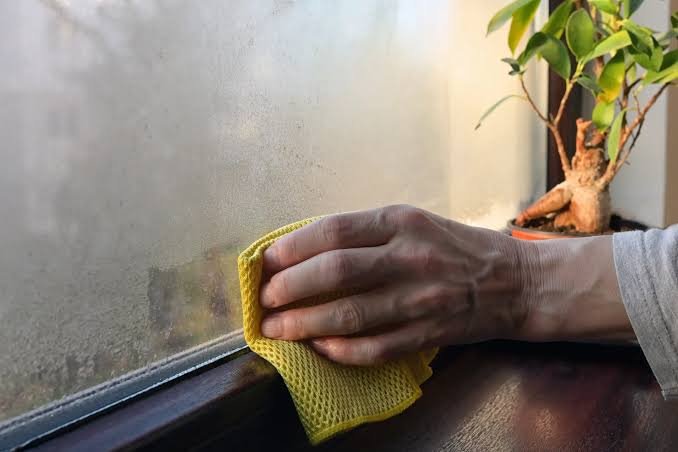
High humidity inside the home is another sign that indoor air quality may not be optimal. Excessive humidity can lead to moisture accumulation and create favourable conditions for mould growth. On the other hand, excessively dry air can contribute to dry skin.
If the humidity level in your home is too high, this may also be related to an air conditioning system that is not operating efficiently. In such cases, having the system professionally inspected and serviced can be beneficial.
Physical Signs to Pay Attention To
6. Coughing, Chest Congestion, and Respiratory Problems
One of the key factors affecting indoor air quality is the concentration of airborne particles. Dust, allergens, and other contaminants can enter the respiratory system and contribute to coughing, chest discomfort, and other respiratory problems.
These symptoms may be more noticeable in environments where indoor air quality is poor.
7. Allergic Reactions and Watery Eyes
If allergy symptoms continue outside the usual seasonal allergy period, the weather may not be the only possible cause.
Itching, sneezing, and irritation can also indicate that the body is reacting to contaminants present in the indoor environment. Creating a healthier home environment involves reducing exposure to potential triggers whenever possible.
8. Headaches
Persistent headaches without an obvious cause may sometimes be associated with indoor air quality.
Pesticides, cleaning products, and waste that has been left for too long can release various contaminants into the air. When these substances accumulate in enclosed spaces, they may negatively affect indoor air quality and overall comfort.
9. Fatigue and Dizziness
Persistent fatigue and dizziness may sometimes be associated with problems related to indoor air quality. In certain situations, these symptoms can be caused by exposure to harmful gases, including carbon monoxide.
Carbon monoxide (CO) is a colourless and odourless gas that can be life-threatening. If you suspect carbon monoxide exposure indoors, leave the area immediately, move to fresh air, contact emergency services if it is safe to do so, and do not re-enter the space until it has been determined to be safe.
10. Dry or Irritated Skin
Poor indoor air quality can also affect the skin, particularly in people with sensitive skin.
Dryness, rashes, peeling, flaking, and redness may be associated with excessively dry air or irritating substances present in the indoor environment.
In such cases, it can be helpful to check the room’s humidity level, ventilate the space regularly, and identify potential sources of indoor contaminants.
Conclusion
The quality of the air inside your home can have an important impact on your health, everyday comfort, and overall quality of life. Mould growth, unpleasant odours, high humidity, excessive dust, and temperature differences may all indicate that there are problems with the indoor environment.
To improve indoor air quality, it is important to ensure that ventilation systems are functioning properly, clean or replace air filters regularly, maintain appropriate humidity levels, and identify and eliminate sources of mould and other contaminants.
Other Manufacturing Sectors
10 signs that your home’s air quality needs improvement
The Importance of Ventilation Filters
How to choose the right ventilation system for offices, warehouses and restaurants
Critical components of hospital ventilation systems that require regular testing
Top 5 Ways to Improve Energy Efficiency in Commercial Buildings

Why your air conditioner Is running but not cooling the room
Why does condensation form on windows and how can you prevent it?
How to Reduce Energy Losses in Local Exhaust Ventilation Systems
How to Choose the Right Material for HVAC Pipes
Enhancing workplace efficiency: The strategic importance of selecting quality flexible air ducts
What is a boiler room system and how do you choose the right equipment for your project?
Measurement Equipment and Safety Valves: Safety and Control in Heating Systems
The Role and Importance of Expansion Tanks in Heating Systems
6 signs your building needs better ventilation

How to choose the right ductwork?
Types of Bolts: Components, Sizes, and Applications
Threaded Rod: Types, Applications, and Selection Guide
The importance of material selection in mechanical engineering: Ensuring optimal performance and longevity
Insulated vs Non-Insulated flexible ducting | Buyer's guide
10 Key Factors to Consider When Choosing a Good Industrial Steam Boiler
10 Smart Ways to Improve Home Energy Efficiency Without Replacing Your Boiler
The importance of proper mechanical process installations

What are VRF systems and which buildings are they suitable for?
Advantages of insulated air ducts and why they are important
Energy-efficient heating systems: Which solutions are the most effective?
What are MEP systems and why are they important in construction projects?
The role of ventilation systems in creating a healthy and comfortable environment

Thermal Insulation: What Is It and How Is It Used?
What are accumulation tanks and why are they worth using?
Ofislərdə düzgün soyutma sistemi məhsuldarlığa necə təsir edir?

HVAC sistemlərinin ağıllı ev sistemləri ilə inteqrasiyası
Breathing made easy: the undeniable benefits of a home ventilation system.
What are ball valves and how do they work?
Comparison of threaded pipe and welded pipe: which is better for your project?
The role of ventilation in ensuring fire safety and smoke control.
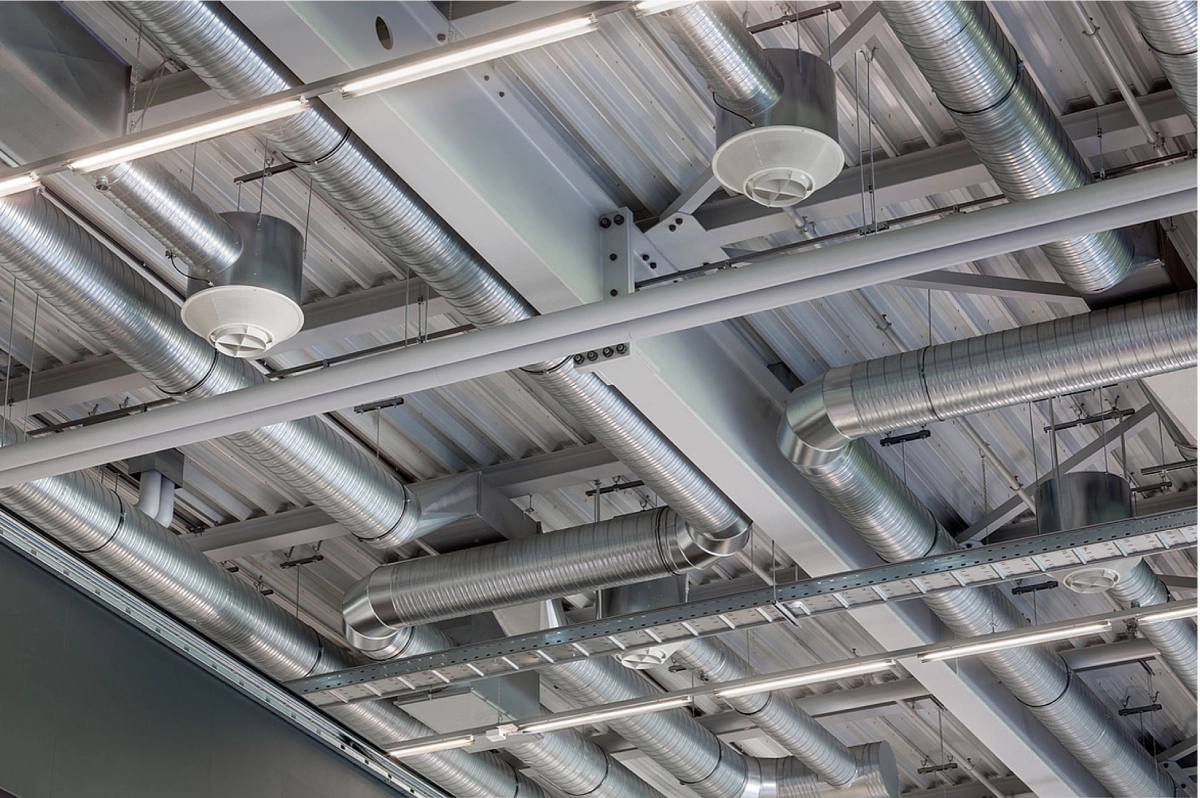
How good air circulation improves your shopping experience?
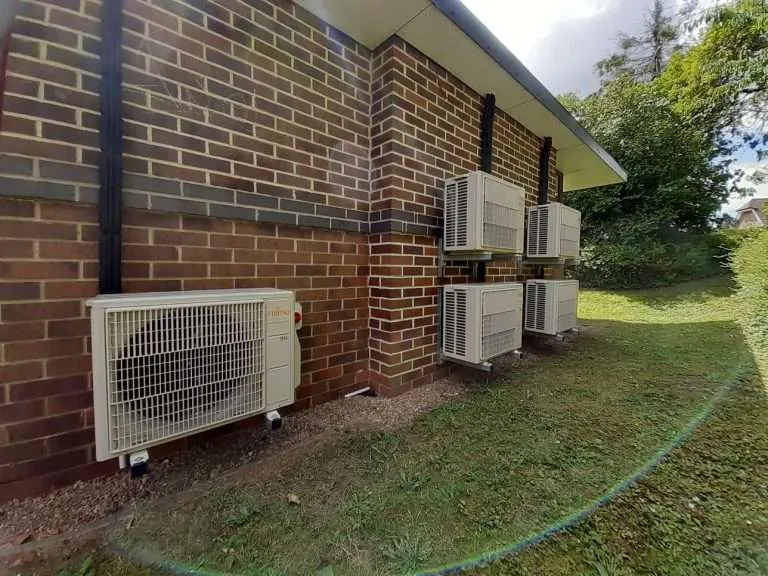
Duct fans: comprehensive applications and points to consider
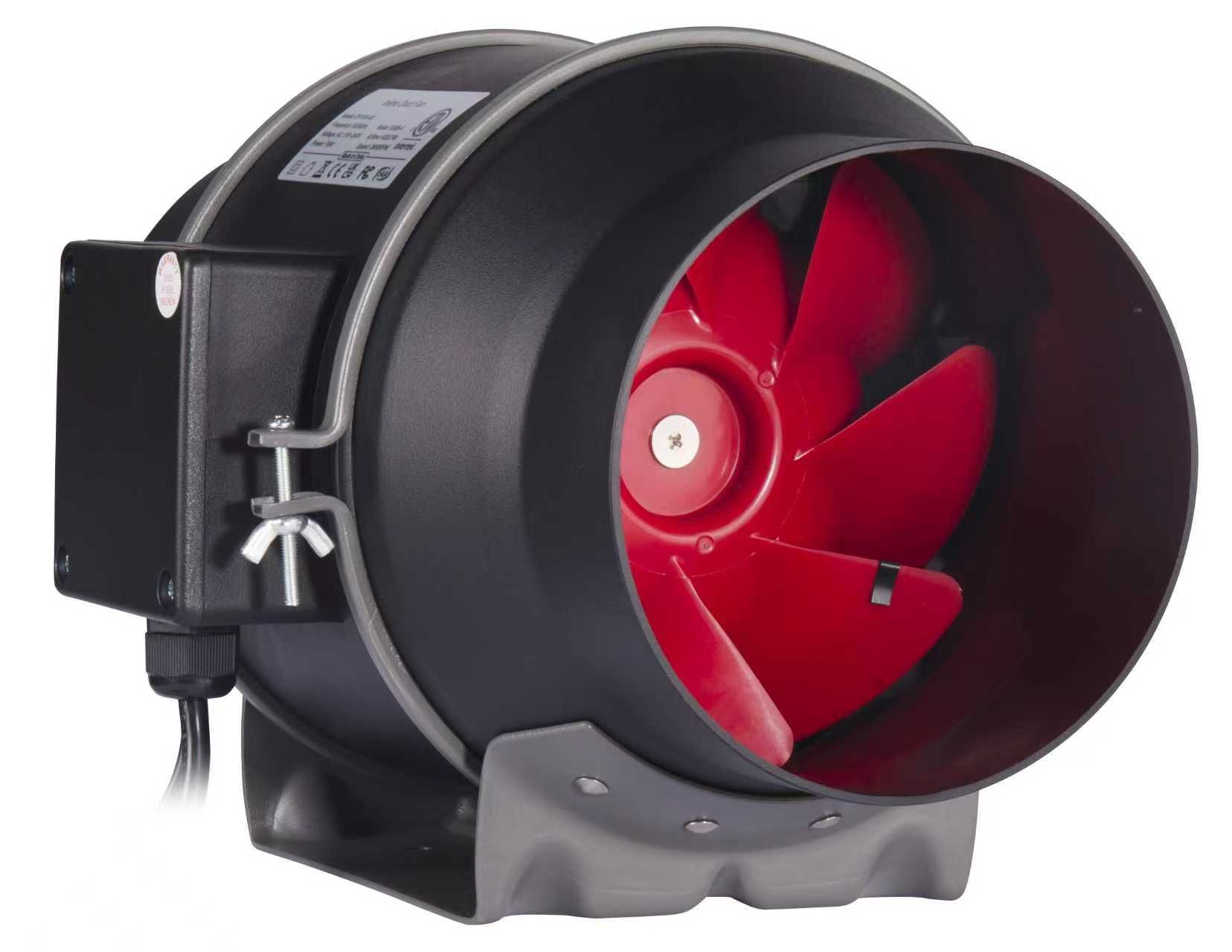
Ventilation in hospitals and healthcare facilities

Boiler or stove: how to decide?
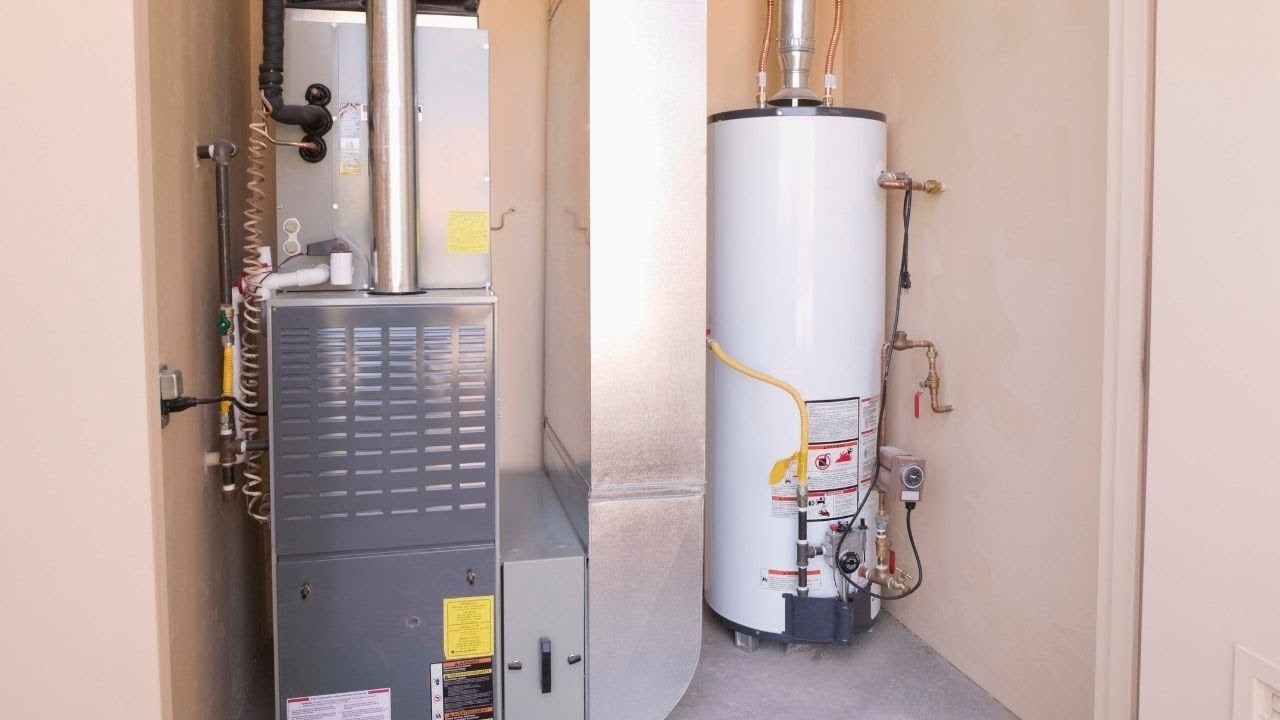
What type of heating is best for an old house?
How to calculate the required boiler capacity?

Boiler pressure keeps dropping — what is the reason?
Why Does My Boiler Keep Turning Off?
Boiler Size; This Really Matters
Choosing the Right Boiler Size for Your Home

Should I Keep The Boiler Running Continuously?
Noisy Boiler: Possible Causes And Solutions
The Importance of the Expansion Tank
How to Keep Your Pipes Warm in Winter: Tips to Prevent Freezing
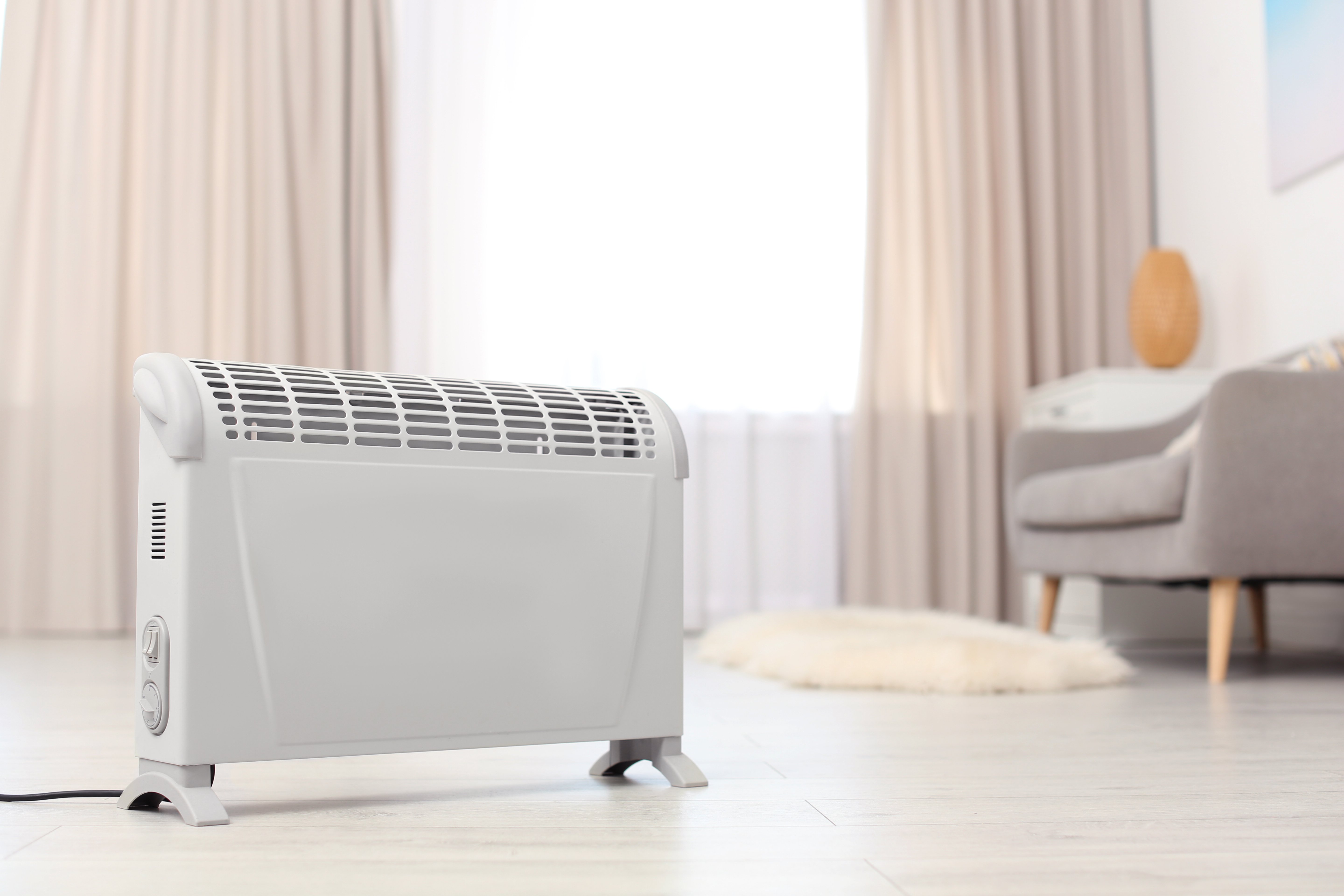
Types of Electric Heaters
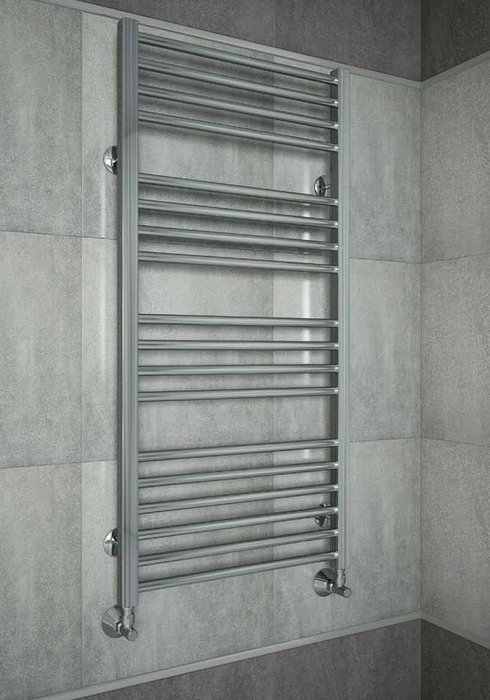
Can you dry clothes on bathroom towel radiators?
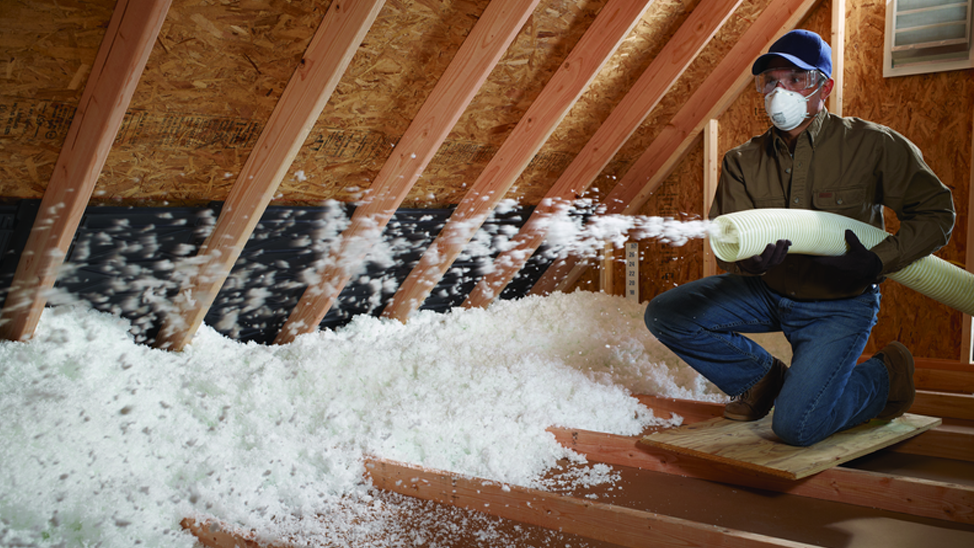
Common Insulation Problems
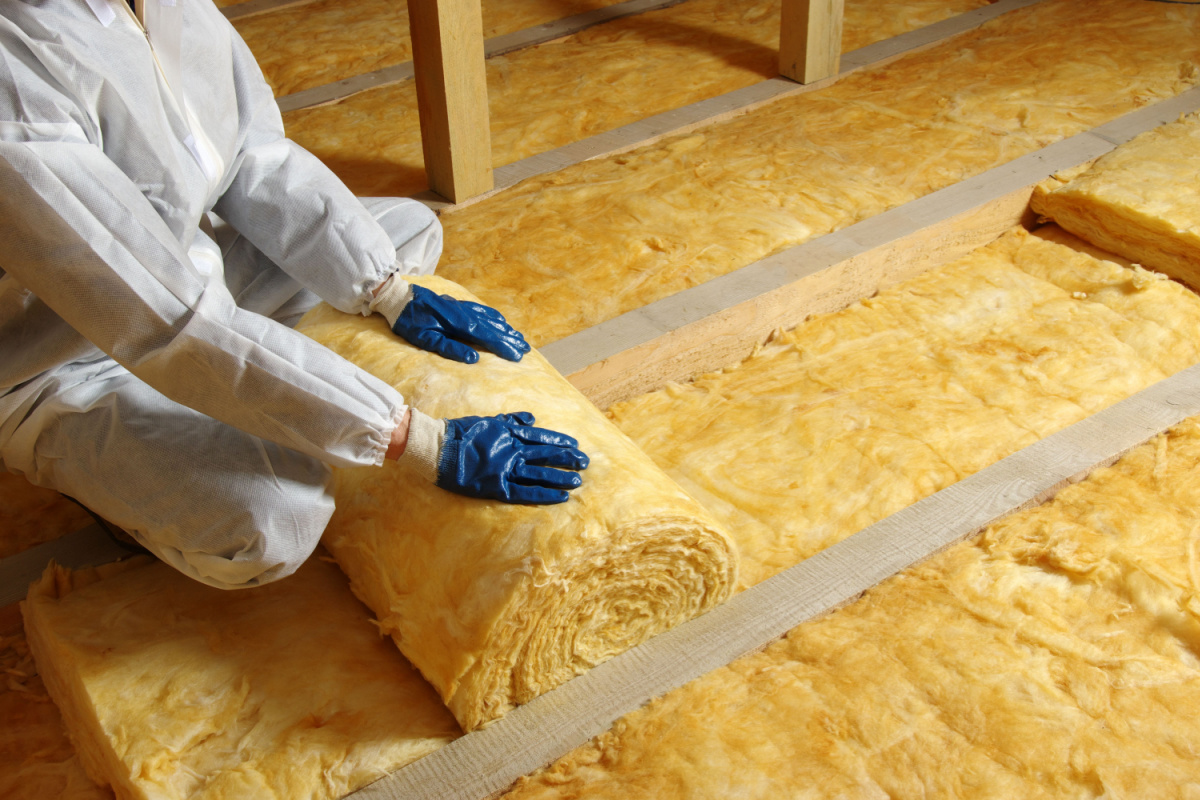
The Importance of Proper Insulation in Home Heating
Combi Boiler vs System Boiler: Which Is Best for Your Home?
How to Prepare Your Home for HVAC Installation: 9 Essential Tips
HVAC for New Construction: What You Need to Know

How to choose the best boilers for schools in 2026?
How to clean a gas boiler?
What is mechanical ventilation?
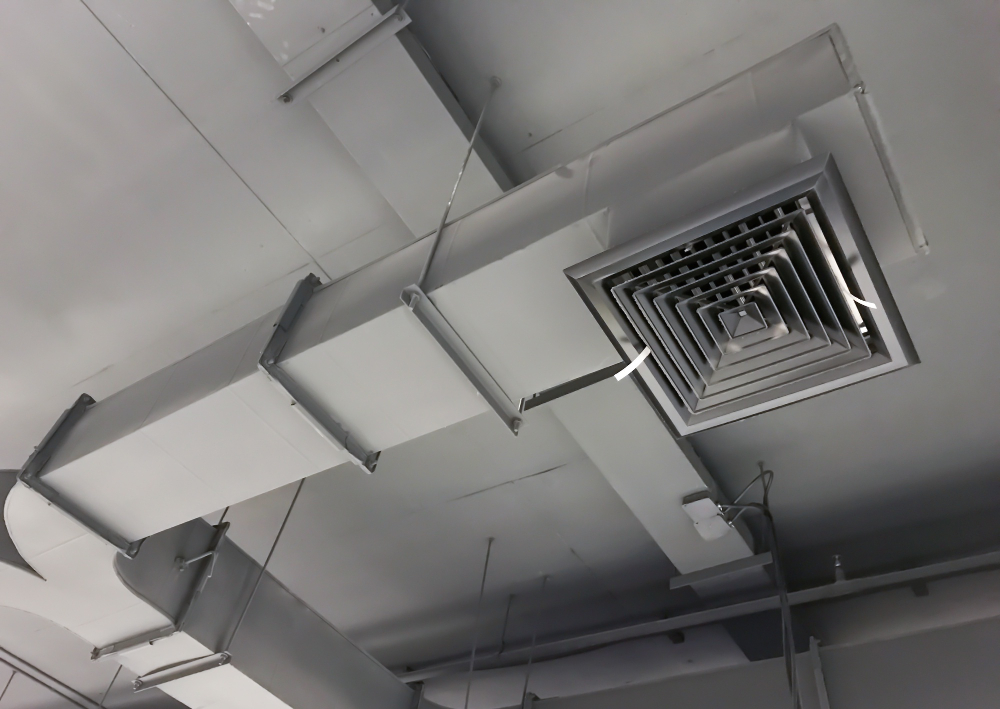
How to improve air quality during allergy season

The truth behind common myths about air purifiers

Choosing Clamps for Professionals: Structure, Types and Applications

The Role and Importance of Measurement Equipment in Industry
Safety Gloves: A Small Tool, Big Protection

Your Home’s “Thermos” Effect: The Secret to Staying Warm in Winter and Cool in Summer
Practical Guide: Maintenance, Efficiency, and Safety of Boiler Room Systems

The Hidden Heroes of Our Home: Radiators

How Radiators Work: The Heat Distributors of Your Home

Boiler Rooms Explained: The Core of Home Heating

Energy-Efficient Home Heating Options: A Complete Guide

Why Is Regular Maintenance of HVAC Systems Important?

Control and Safety Devices in the Boiler Room: Essential Components for Your System

What is HVAC? Fundamentals of Heating and Cooling Systems

The ventilation systems in large buildings

Radiators vs Underfloor Heating: Which Works Better with Heat Pumps?

Radiators and Heating Systems: Comfortable and Energy-Efficient Solutions for Your Home

HVAC Pipe Insulation – Energy Saving and Stable Temperature Maintenance

What Don’t We Know About Ventilation Systems?

The Importance of Insulation for Energy Efficiency

Şüşə Yunu ilə Boru İzolyasiyası Nədir və Niyə Vacibdir?

Hansı radiator daha yaxşıdır?

What are heating systems for?

Havalandırma avadanlıqları nə üçündür?

Ventilation Systems

Heating systems - Models and prices

Heating systems

Havalandırma sistemləri (Havalandirma sistemleri)

Boru armaturları və fittinqləri

Qazanxana nədir?

Mechanical and Natural Ventilation: Which Is More Effective?

Ways to Save Energy with Smart Heating Systems

Effective Cooling Solutions for Commercial Properties

Boiler, Air Conditioning, and Ventilation System: How Are They Controlled Simultaneously?

Alternative Energy Sources in Heating and Cooling: Technologies of the Future
