


Top 5 Ways to Improve Energy Efficiency in Commercial Buildings
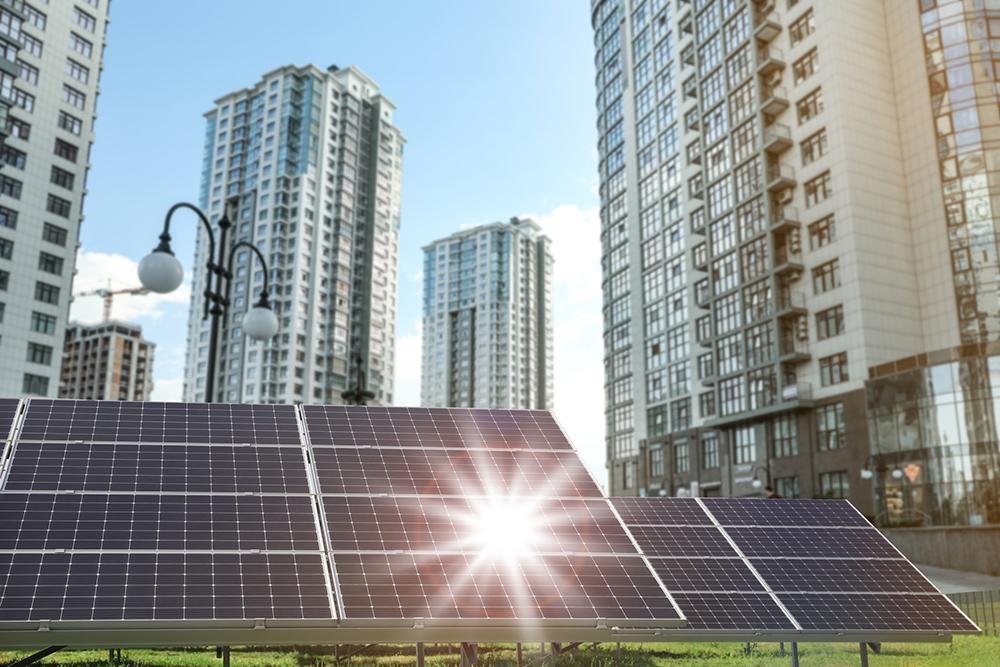
Energy efficiency in commercial buildings is essential not only for reducing operational costs but also for creating comfortable, sustainable, and environmentally responsible working environments. In regions with hot climates, cooling and HVAC systems often account for a significant share of a building's total energy consumption.
Following a comprehensive energy audit, building owners and facility managers can identify opportunities to reduce energy waste and improve overall building performance.
Here are five effective measures for improving energy efficiency in commercial buildings.
1. Optimize HVAC Systems
Heating, Ventilation, and Air Conditioning (HVAC) systems are among the largest energy consumers in commercial buildings. Optimizing their performance can lead to significant energy savings.
Regular Maintenance
Regular maintenance and tuning of HVAC equipment help ensure efficient operation. Cleaning coils, replacing filters, and checking refrigerant levels are important steps in maintaining system performance.
Upgrade to Energy-Efficient Equipment
Replacing outdated HVAC equipment with modern, high-efficiency models can significantly reduce energy consumption. Variable Refrigerant Flow (VRF) systems are particularly effective because they adjust refrigerant flow according to the actual cooling demand of the building.
Smart Thermostats
Smart thermostats provide better control over indoor temperatures and allow cooling or heating to operate only when and where it is needed. This helps minimize unnecessary energy use.
2. Improve Building Insulation
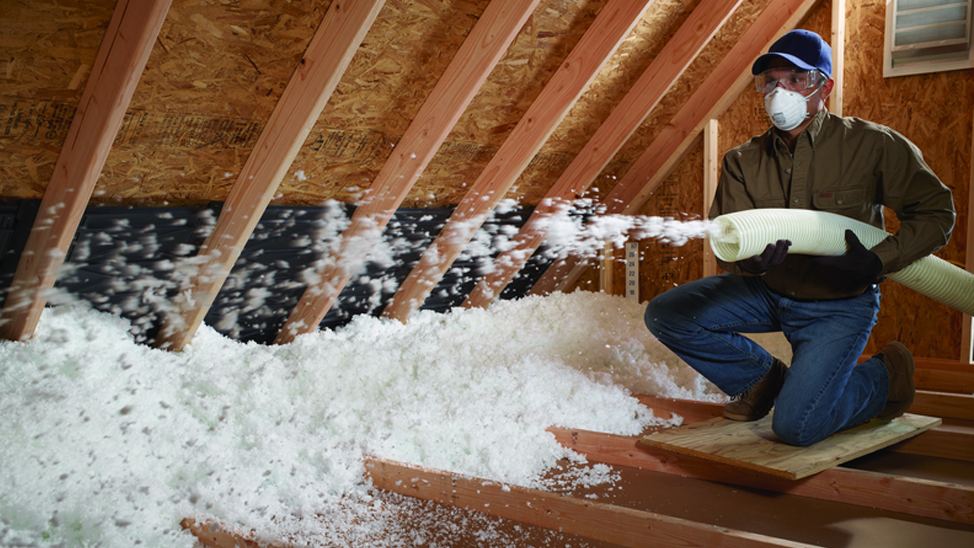
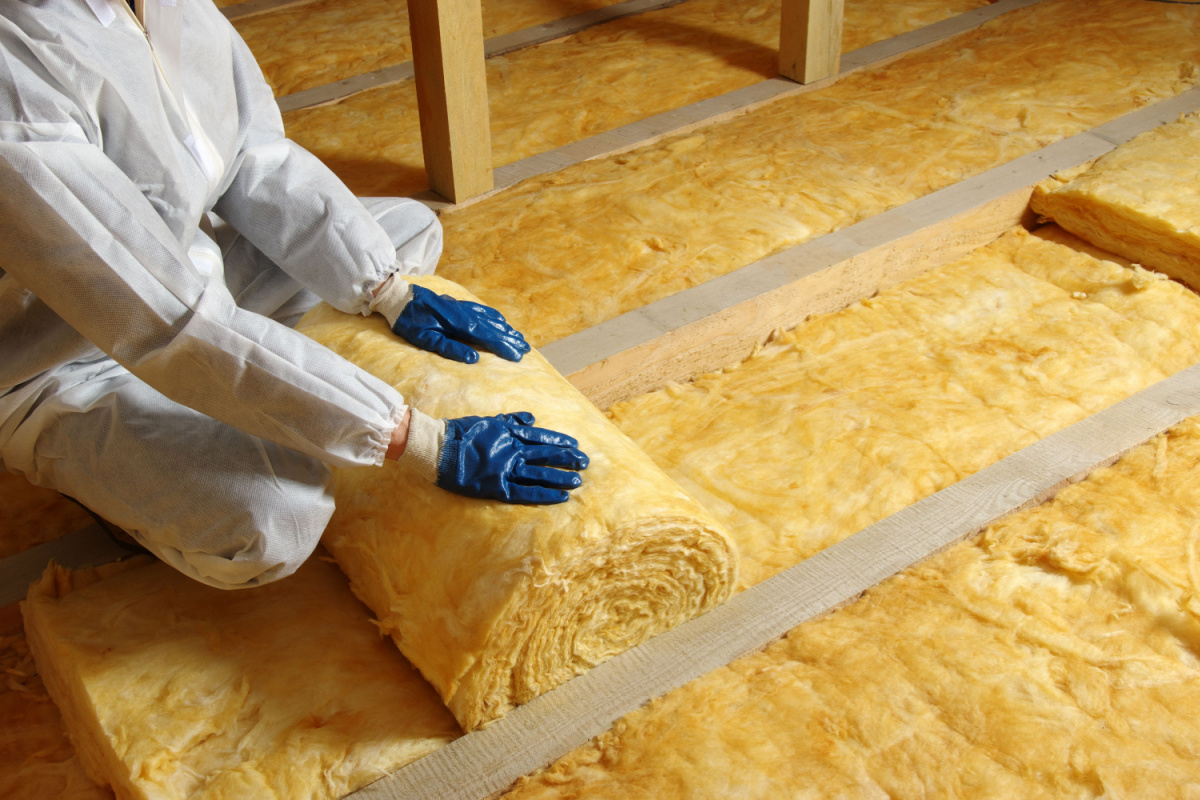
Proper insulation plays a critical role in reducing energy losses in commercial buildings. Poor insulation allows outdoor heat to enter the building, increasing the workload on HVAC systems.
Roof and Wall Insulation
Improving roof and exterior wall insulation reduces heat transfer and helps maintain stable indoor temperatures. This lowers cooling requirements during hot weather and reduces heating demand during colder periods.
High-Performance Windows
Double-glazed and low-emissivity (Low-E) windows help reduce solar heat gain and improve overall building efficiency. They also contribute to better indoor temperature control and lower cooling costs.
3. Implement Building Automation Systems
Building Automation Systems (BAS) help monitor, control, and automate various building services and energy-consuming equipment.
Centralized Control
A BAS provides centralized control over HVAC, lighting, and other building systems. Scheduling equipment operation ensures that systems run only when necessary.
Energy Monitoring
Real-time energy monitoring helps identify inefficient equipment and unnecessary energy consumption. The collected data can be used to make informed decisions and optimize building performance.
Demand-Based Energy Management
Building automation systems can adjust energy usage according to actual demand. This reduces unnecessary consumption and improves the overall efficiency of building operations.
4. Upgrade Lighting Systems
Lighting is another significant source of energy consumption in commercial buildings. Modern lighting technologies can provide substantial energy savings.
LED Lighting
Replacing traditional incandescent and fluorescent lighting with LED technology can significantly reduce electricity consumption. LEDs also generate less heat, which helps reduce the cooling load on HVAC systems.
Smart Lighting Controls
Motion sensors, daylight sensors, and dimming systems ensure that lights are used only when needed. These technologies help reduce energy consumption while maintaining comfortable lighting conditions.
5. Improve Water Heating Efficiency
Although HVAC systems often account for the largest share of energy consumption, water heating can also represent a significant energy expense in commercial buildings.
Solar Water Heaters
Solar water heating systems use renewable energy to heat water and can significantly reduce dependence on traditional electricity or gas-based systems.
Heat Pump Water Heaters
Heat pump water heaters use heat from the surrounding environment to heat water. They are generally more energy-efficient than conventional electric or gas water heaters and can provide long-term energy savings.
Conclusion
Improving energy efficiency in commercial buildings is essential for reducing operational costs, improving comfort, and supporting environmental sustainability.
Optimizing HVAC systems, improving insulation, implementing building automation, upgrading to LED lighting, and improving water heating efficiency are among the most effective ways to reduce energy consumption.
A comprehensive energy audit combined with proper engineering solutions can help commercial building owners achieve better performance, lower operating costs, and long-term sustainability.
Other Manufacturing Sectors
Top 5 Ways to Improve Energy Efficiency in Commercial Buildings
Why your air conditioner Is running but not cooling the room
Why does condensation form on windows and how can you prevent it?
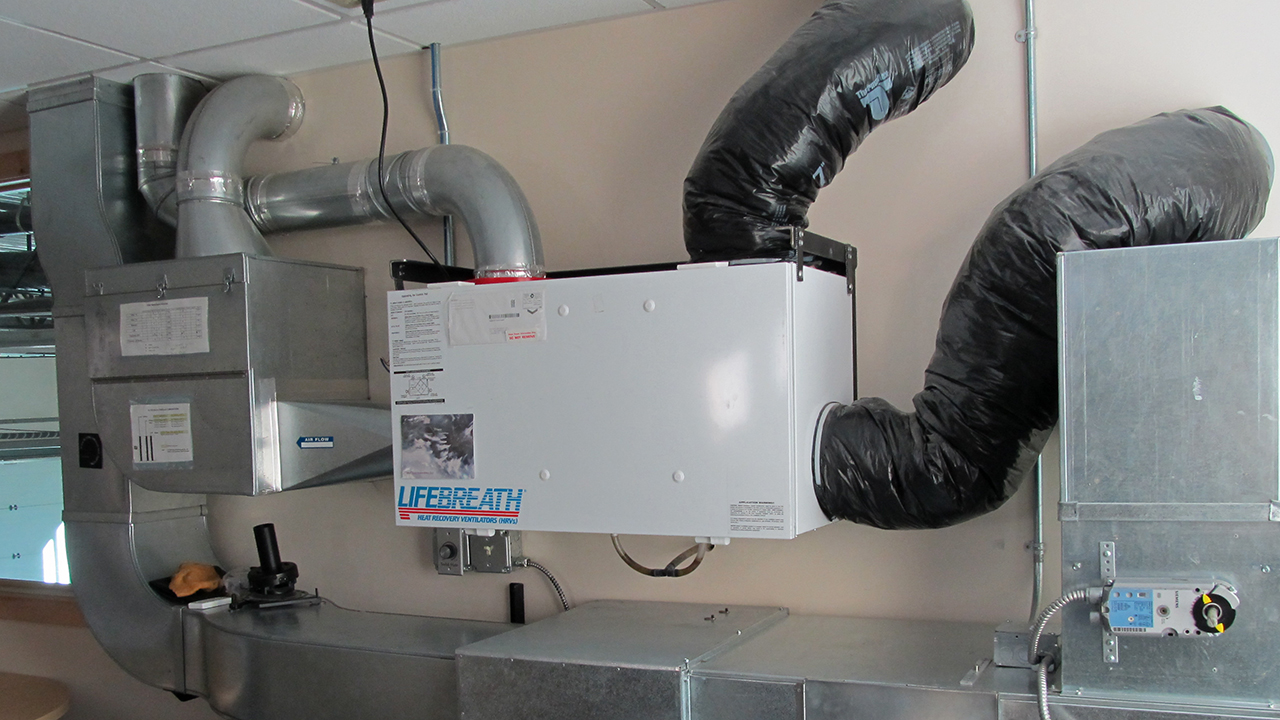
How to Reduce Energy Losses in Local Exhaust Ventilation Systems
How to Choose the Right Material for HVAC Pipes
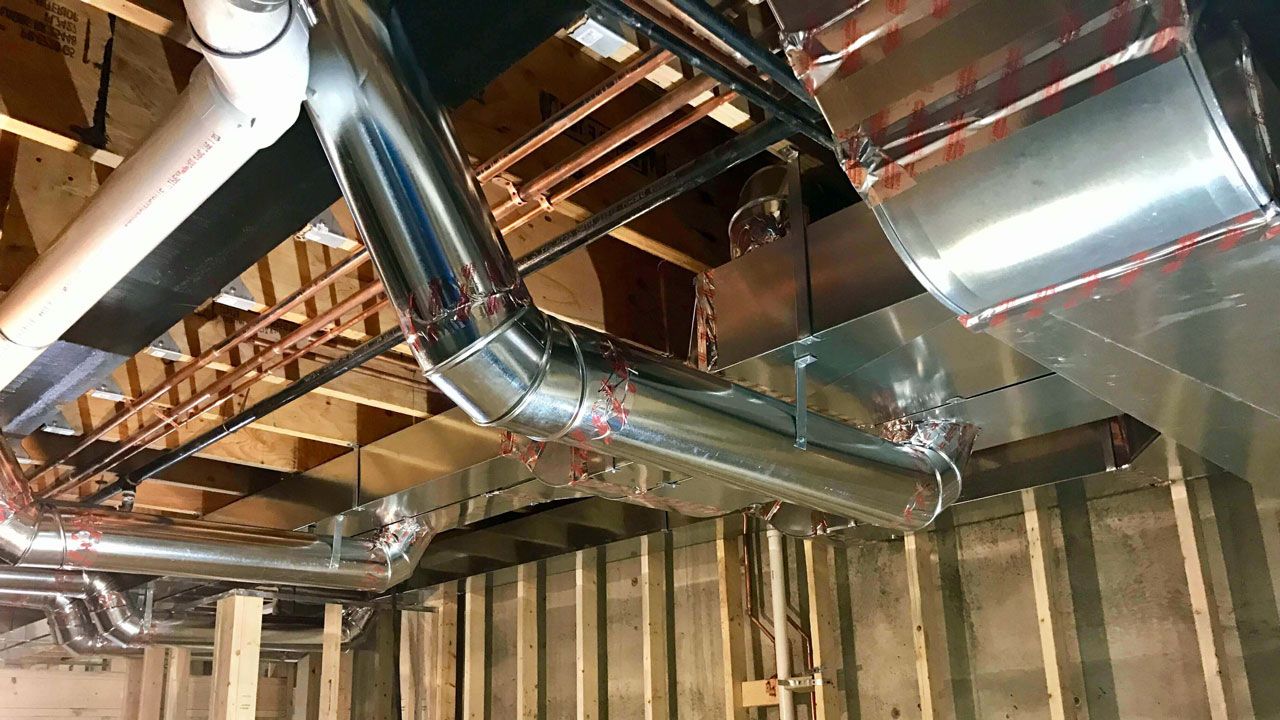
Enhancing workplace efficiency: The strategic importance of selecting quality flexible air ducts
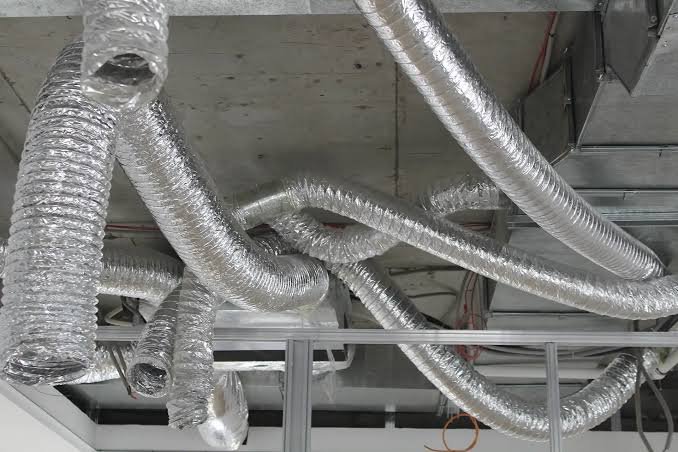
What is a boiler room system and how do you choose the right equipment for your project?
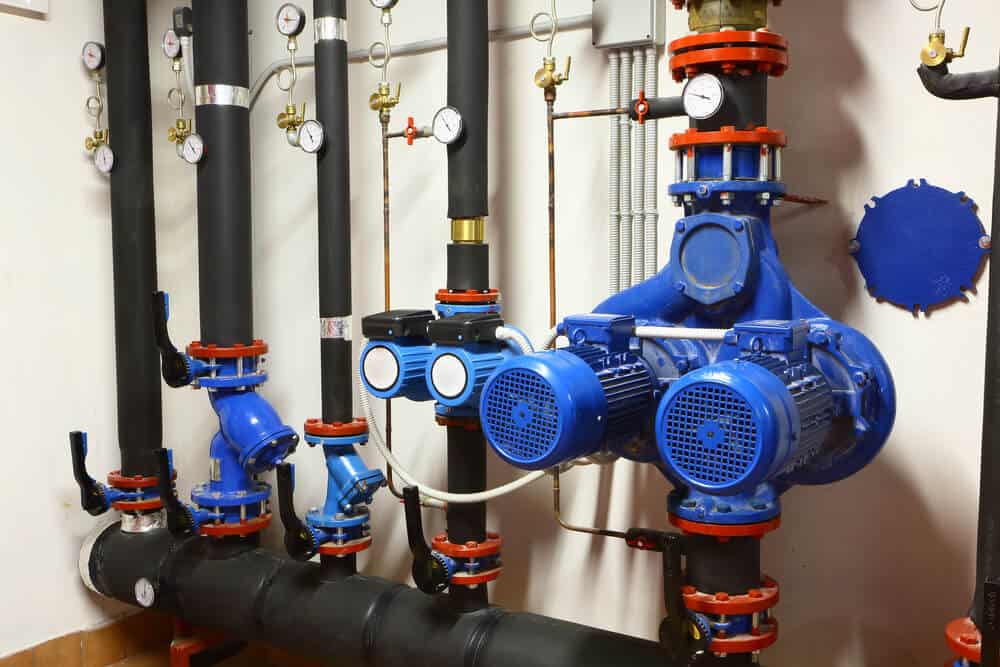
Measurement Equipment and Safety Valves: Safety and Control in Heating Systems
The Role and Importance of Expansion Tanks in Heating Systems
6 signs your building needs better ventilation

How to choose the right ductwork?
Types of Bolts: Components, Sizes, and Applications
Threaded Rod: Types, Applications, and Selection Guide
The importance of material selection in mechanical engineering: Ensuring optimal performance and longevity
Insulated vs Non-Insulated flexible ducting | Buyer's guide
10 Key Factors to Consider When Choosing a Good Industrial Steam Boiler
10 Smart Ways to Improve Home Energy Efficiency Without Replacing Your Boiler
The importance of proper mechanical process installations
What are VRF systems and which buildings are they suitable for?
Advantages of insulated air ducts and why they are important
Energy-efficient heating systems: Which solutions are the most effective?
What are MEP systems and why are they important in construction projects?
The role of ventilation systems in creating a healthy and comfortable environment
Thermal Insulation: What Is It and How Is It Used?
What are accumulation tanks and why are they worth using?
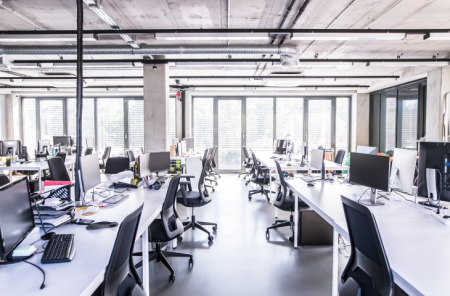
Ofislərdə düzgün soyutma sistemi məhsuldarlığa necə təsir edir?
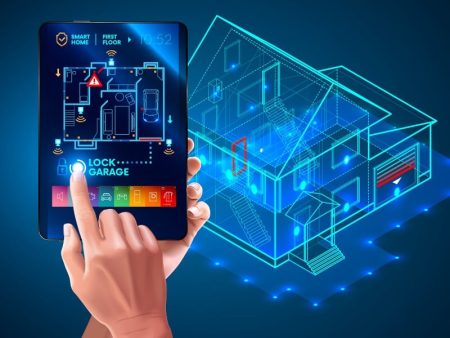
HVAC sistemlərinin ağıllı ev sistemləri ilə inteqrasiyası
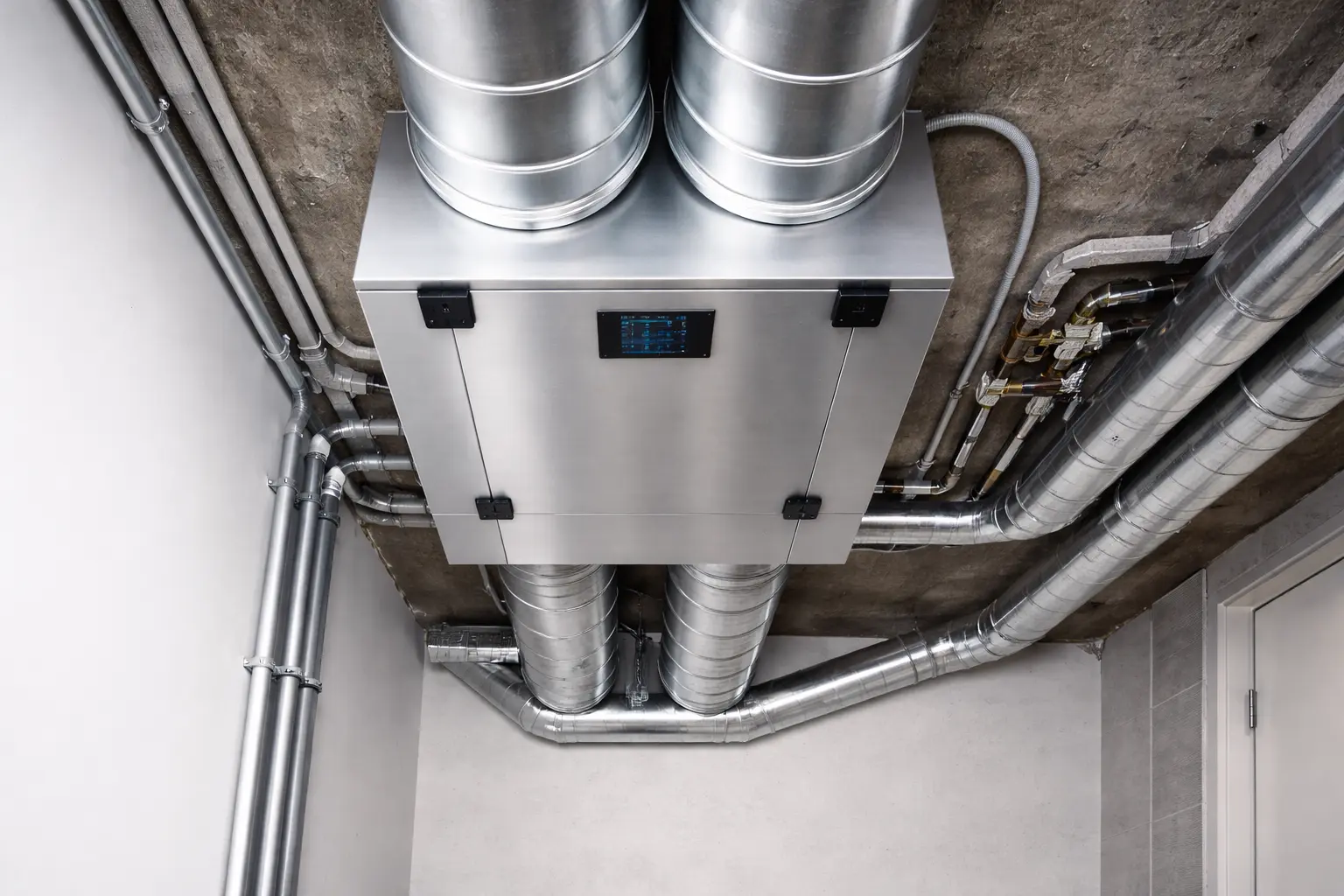
Breathing made easy: the undeniable benefits of a home ventilation system.
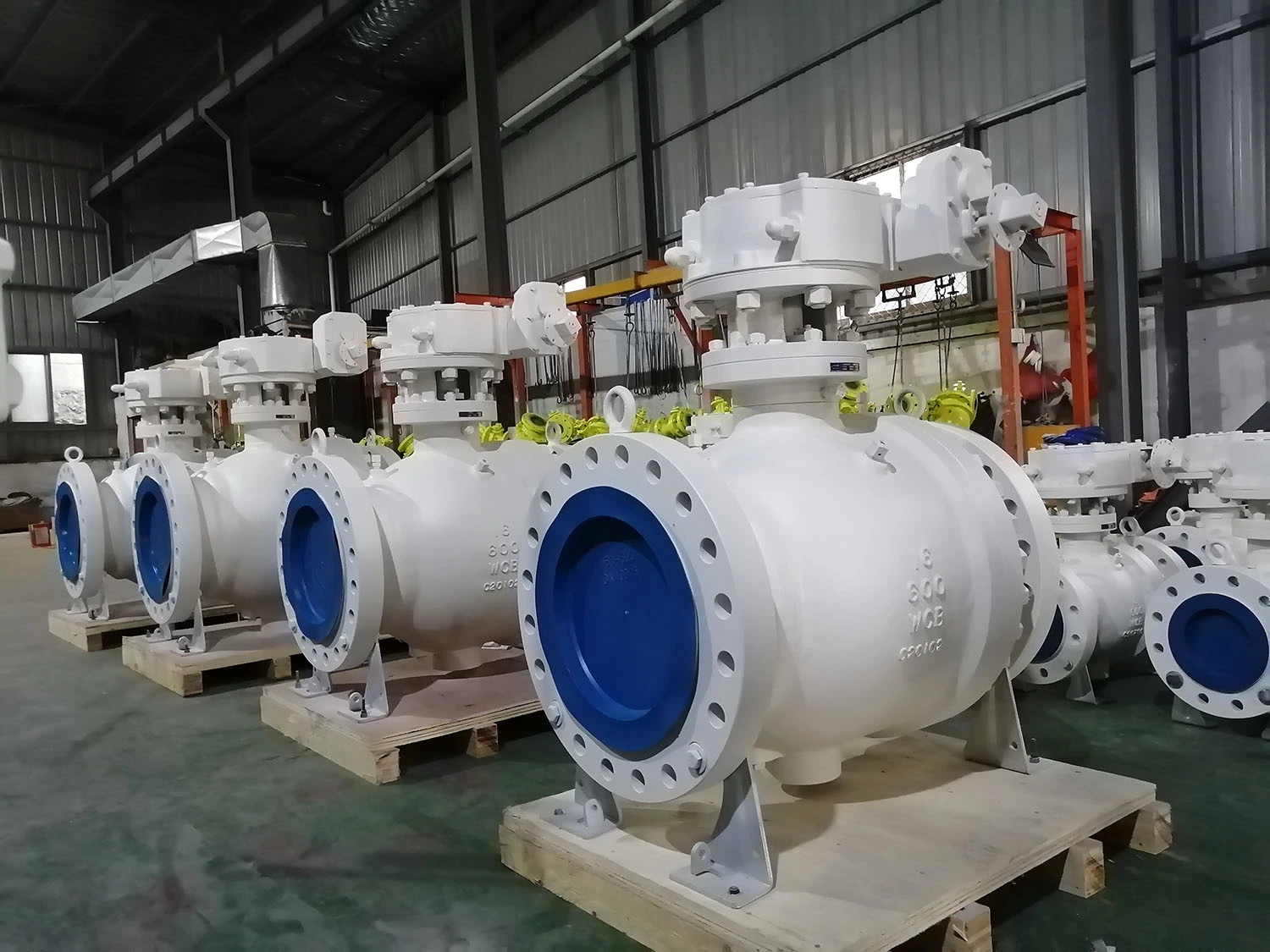
What are ball valves and how do they work?
Comparison of threaded pipe and welded pipe: which is better for your project?
The role of ventilation in ensuring fire safety and smoke control.
How good air circulation improves your shopping experience?
Duct fans: comprehensive applications and points to consider
Ventilation in hospitals and healthcare facilities
Boiler or stove: how to decide?
What type of heating is best for an old house?
How to calculate the required boiler capacity?

Boiler pressure keeps dropping — what is the reason?
Why Does My Boiler Keep Turning Off?
Boiler Size; This Really Matters
Choosing the Right Boiler Size for Your Home

Should I Keep The Boiler Running Continuously?
Noisy Boiler: Possible Causes And Solutions
The Importance of the Expansion Tank
How to Keep Your Pipes Warm in Winter: Tips to Prevent Freezing
Types of Electric Heaters
Can you dry clothes on bathroom towel radiators?
Common Insulation Problems
The Importance of Proper Insulation in Home Heating
Combi Boiler vs System Boiler: Which Is Best for Your Home?
How to Prepare Your Home for HVAC Installation: 9 Essential Tips
HVAC for New Construction: What You Need to Know
How to choose the best boilers for schools in 2026?
How to clean a gas boiler?
What is mechanical ventilation?
How to improve air quality during allergy season

The truth behind common myths about air purifiers
Choosing Clamps for Professionals: Structure, Types and Applications

The Role and Importance of Measurement Equipment in Industry
Safety Gloves: A Small Tool, Big Protection
Your Home’s “Thermos” Effect: The Secret to Staying Warm in Winter and Cool in Summer
Practical Guide: Maintenance, Efficiency, and Safety of Boiler Room Systems

The Hidden Heroes of Our Home: Radiators

How Radiators Work: The Heat Distributors of Your Home

Boiler Rooms Explained: The Core of Home Heating

Energy-Efficient Home Heating Options: A Complete Guide

Why Is Regular Maintenance of HVAC Systems Important?

Control and Safety Devices in the Boiler Room: Essential Components for Your System

What is HVAC? Fundamentals of Heating and Cooling Systems

The ventilation systems in large buildings

Radiators vs Underfloor Heating: Which Works Better with Heat Pumps?

Radiators and Heating Systems: Comfortable and Energy-Efficient Solutions for Your Home

HVAC Pipe Insulation – Energy Saving and Stable Temperature Maintenance

What Don’t We Know About Ventilation Systems?

The Importance of Insulation for Energy Efficiency

Şüşə Yunu ilə Boru İzolyasiyası Nədir və Niyə Vacibdir?

Hansı radiator daha yaxşıdır?

What are heating systems for?

Havalandırma avadanlıqları nə üçündür?

Ventilation Systems

Heating systems - Models and prices

Heating systems

Havalandırma sistemləri (Havalandirma sistemleri)

Boru armaturları və fittinqləri

Qazanxana nədir?

Mechanical and Natural Ventilation: Which Is More Effective?

Ways to Save Energy with Smart Heating Systems

Effective Cooling Solutions for Commercial Properties

Boiler, Air Conditioning, and Ventilation System: How Are They Controlled Simultaneously?

Alternative Energy Sources in Heating and Cooling: Technologies of the Future
