


How to choose the right ductwork?
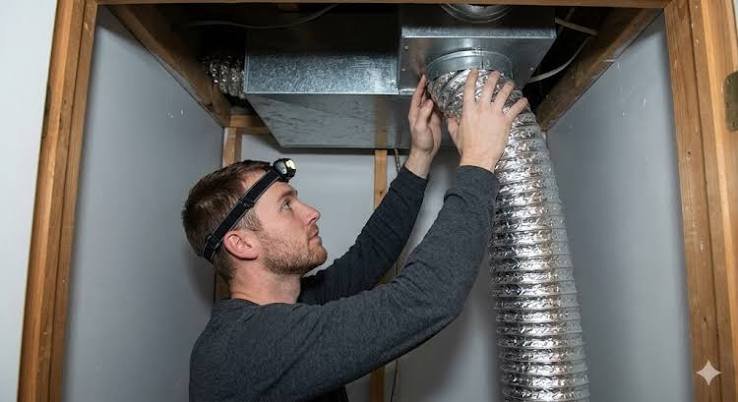
There are various methods for heating, cooling, and ventilating a building. However, one of the most widely used methods is a forced-air system. A central heating system, air-conditioning unit, or heat pump is connected to different parts of the building through a ventilation network.
Air ducts are mainly used for three purposes:
Delivering conditioned air to different areas of the building;
Returning used air back to the HVAC unit;
Removing air containing smoke, gases, moisture, or other unwanted substances from the building.
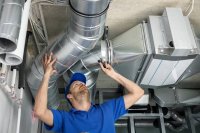
Heating and cooling ductwork can be round, oval, or rectangular in shape. They are generally connected to large plenums that are directly connected to the HVAC unit. Ductwork can be manufactured from sheet metal or formed by using the spaces between joists and studs.
A blower forces conditioned air from the HVAC system into the supply plenum. Return air is collected through return air ducts and, usually after passing through a filter, is transferred to the return plenum and back to the HVAC unit.
Ductwork Materials
Ductwork can be manufactured from various materials and can have either a flexible or rigid construction.
Flexible Ductwork
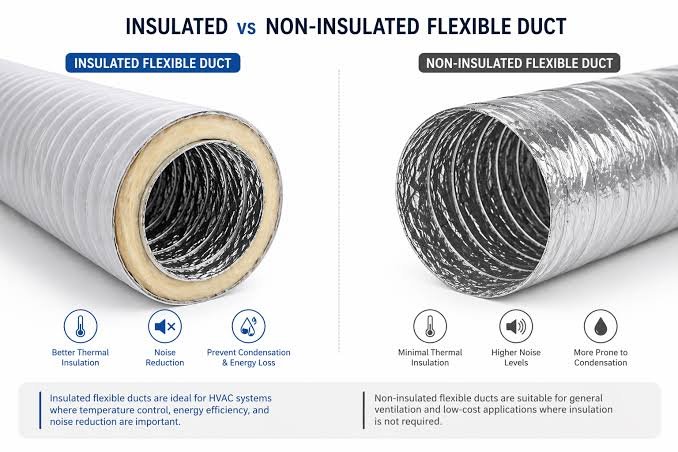
Flexible ductwork, also known as flex duct, is made from round, reinforced plastic tubing and is often covered with thermal insulation and a protective coating.
Its main advantage is that it is easy to install. However, it is not suitable for tight or sharp bends because these can restrict airflow and reduce the efficiency of the system.
Metal Ductwork
Metal ductwork is usually made from galvanized metal to prevent corrosion. It can be manufactured in either round or rectangular shapes.
Metal ducts are strong and durable. They can also be easily cut and fabricated into different shapes, making them suitable for installations that require tight bends.
Ductboard Ductwork
Ductboard systems are made from fiberglass panels that can be easily cut and shaped.
Compared with some other types of ductwork, ductboard can provide better energy efficiency and may transmit less noise.
Combining Different Types of Ductwork
In many systems, both flexible and rigid ductwork are used. For example, large main ducts may be made from metal, while flexible ducts can be used to connect individual outlets.
Existing metal ductwork can also be insulated to improve energy efficiency. Insulation helps reduce heat loss or gain and can also help prevent condensation.
Condensation can lead to the growth of mold and mildew. If these contaminants circulate throughout a building, they may create potential health concerns.
One of the most common methods of insulating metal ducts is wrapping them with fiberglass insulation. Spray foam insulation can also be used.
Proper Ductwork System Design
The size of a duct directly affects the amount and velocity of airflow. Therefore, selecting the correct duct dimensions is essential for the efficient operation of an HVAC system.
Rectangular ducts are available in various sizes, ranging from approximately 3 × 7 inches to 35 × 40 inches. Round ducts can range from approximately 4 inches to 41 inches in diameter.
Air registers and return grilles are also available in different sizes depending on the opening. They can be made from metal, wood, or plastic.
Determining the optimal duct size requires several calculations. Various calculation tools, tables, and software can be used to help determine the appropriate dimensions.
What Should Be Considered When Selecting Duct Size?
In general, duct size depends on several key factors:
The distance between the air outlet and the HVAC unit;
The capacity and airflow output of the HVAC unit;
The size of the area that needs to be heated or cooled;
The required airflow volume;
The design and material of the ductwork.
Failure to properly calculate these factors can result in reduced airflow, increased energy consumption, and lower HVAC system efficiency.
Exhaust Air Ductwork
Ducts used for exhaust air are generally round in shape.
The optimal duct diameter is determined based on the airflow capacity of the fan connected to the duct.
For example, kitchen range hoods with a fan capacity of less than 400 CFM may use a minimum duct diameter of 4 inches. Systems requiring higher airflow may require ducts with diameters of up to 12 inches.
For clothes dryers, specialized flexible metal ductwork should be used. This helps reduce the risk of fire caused by the accumulation of lint and other debris inside the duct.
Choosing the right ductwork is an important factor in ensuring the efficient, safe, and long-term operation of an HVAC system. The material, size, shape, and insulation of the ductwork should be selected according to the specific requirements of the project.
Especially in large buildings, ductwork selection and design should be based on professional engineering calculations. A properly designed ductwork system can help reduce energy consumption, improve air circulation, and increase indoor comfort.
Other Manufacturing Sectors
The Importance of Ventilation Filters
How to choose the right ventilation system for offices, warehouses and restaurants
Critical components of hospital ventilation systems that require regular testing
Top 5 Ways to Improve Energy Efficiency in Commercial Buildings

Why your air conditioner Is running but not cooling the room

Why does condensation form on windows and how can you prevent it?

How to Reduce Energy Losses in Local Exhaust Ventilation Systems
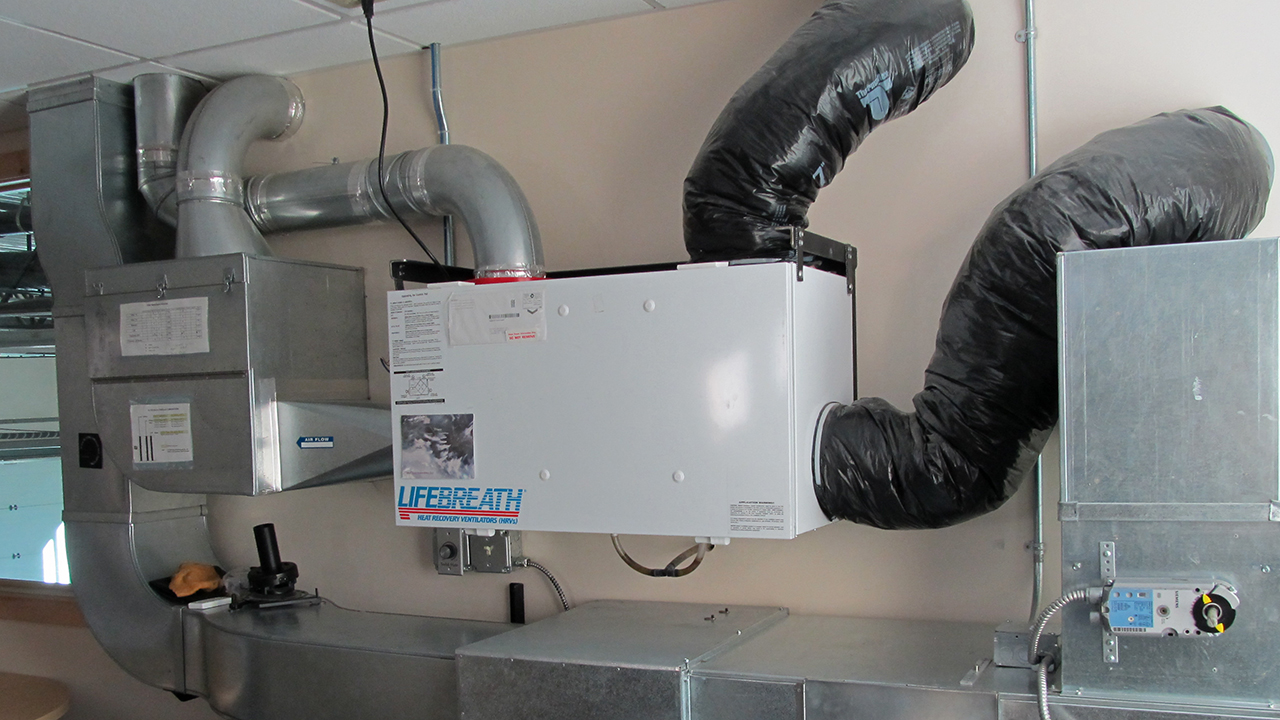
How to Choose the Right Material for HVAC Pipes
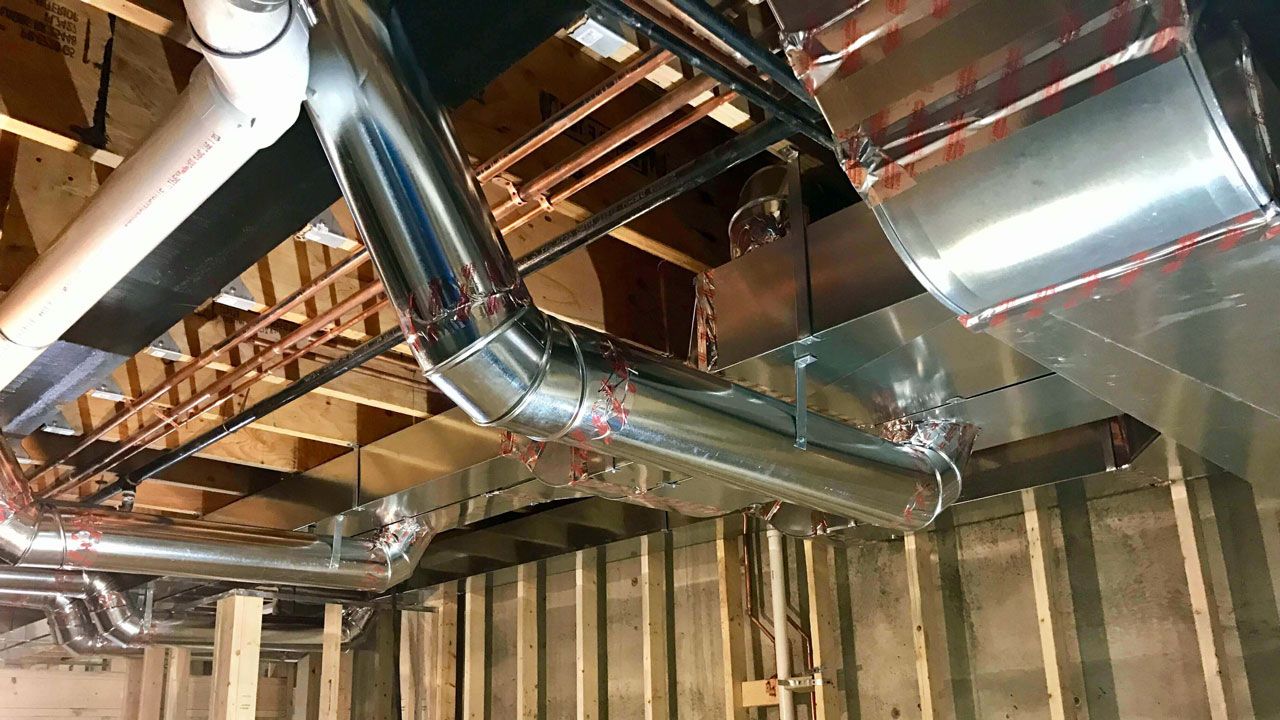
Enhancing workplace efficiency: The strategic importance of selecting quality flexible air ducts
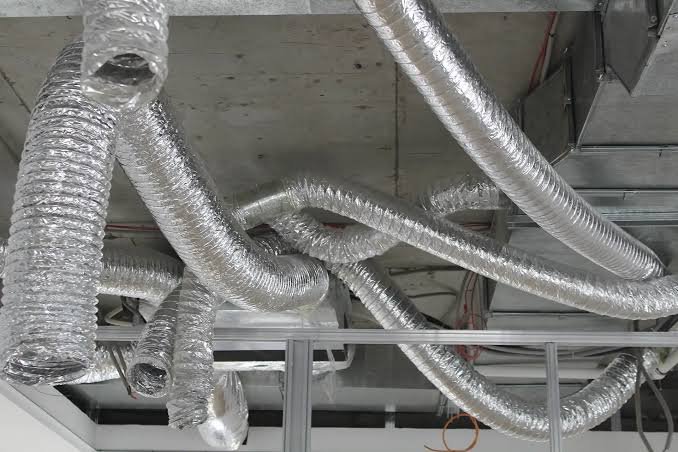
What is a boiler room system and how do you choose the right equipment for your project?
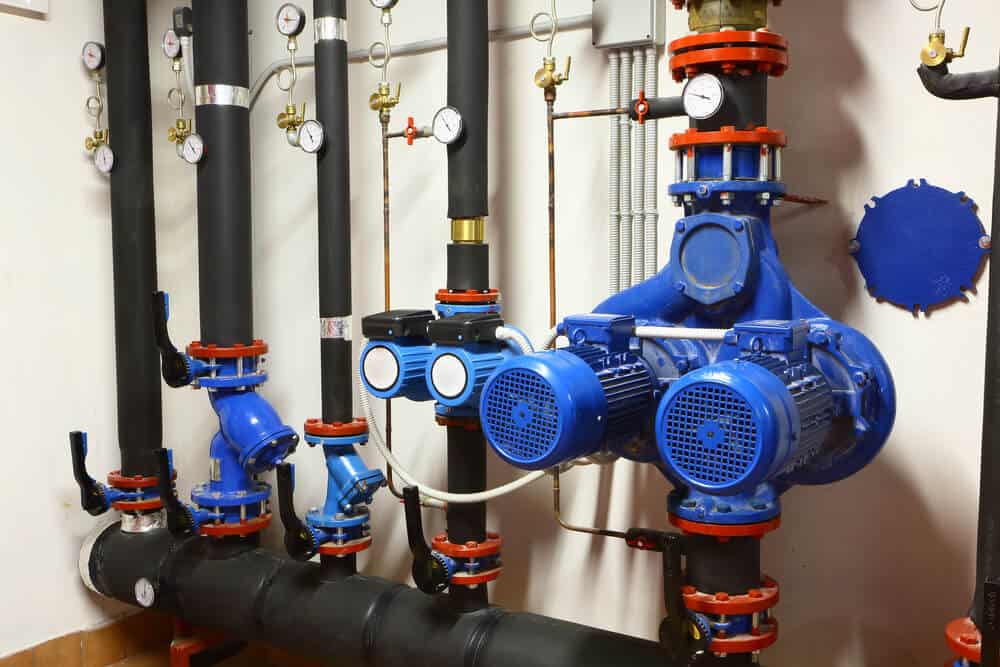
Measurement Equipment and Safety Valves: Safety and Control in Heating Systems
The Role and Importance of Expansion Tanks in Heating Systems
6 signs your building needs better ventilation

How to choose the right ductwork?
Types of Bolts: Components, Sizes, and Applications
Threaded Rod: Types, Applications, and Selection Guide
The importance of material selection in mechanical engineering: Ensuring optimal performance and longevity

Insulated vs Non-Insulated flexible ducting | Buyer's guide
10 Key Factors to Consider When Choosing a Good Industrial Steam Boiler
10 Smart Ways to Improve Home Energy Efficiency Without Replacing Your Boiler
The importance of proper mechanical process installations

What are VRF systems and which buildings are they suitable for?
Advantages of insulated air ducts and why they are important
Energy-efficient heating systems: Which solutions are the most effective?
What are MEP systems and why are they important in construction projects?
The role of ventilation systems in creating a healthy and comfortable environment

Thermal Insulation: What Is It and How Is It Used?

What are accumulation tanks and why are they worth using?
Ofislərdə düzgün soyutma sistemi məhsuldarlığa necə təsir edir?

HVAC sistemlərinin ağıllı ev sistemləri ilə inteqrasiyası

Breathing made easy: the undeniable benefits of a home ventilation system.
What are ball valves and how do they work?
Comparison of threaded pipe and welded pipe: which is better for your project?
The role of ventilation in ensuring fire safety and smoke control.
How good air circulation improves your shopping experience?
Duct fans: comprehensive applications and points to consider
Ventilation in hospitals and healthcare facilities

Boiler or stove: how to decide?
What type of heating is best for an old house?

How to calculate the required boiler capacity?

Boiler pressure keeps dropping — what is the reason?
Why Does My Boiler Keep Turning Off?

Boiler Size; This Really Matters
Choosing the Right Boiler Size for Your Home

Should I Keep The Boiler Running Continuously?
Noisy Boiler: Possible Causes And Solutions
The Importance of the Expansion Tank
How to Keep Your Pipes Warm in Winter: Tips to Prevent Freezing

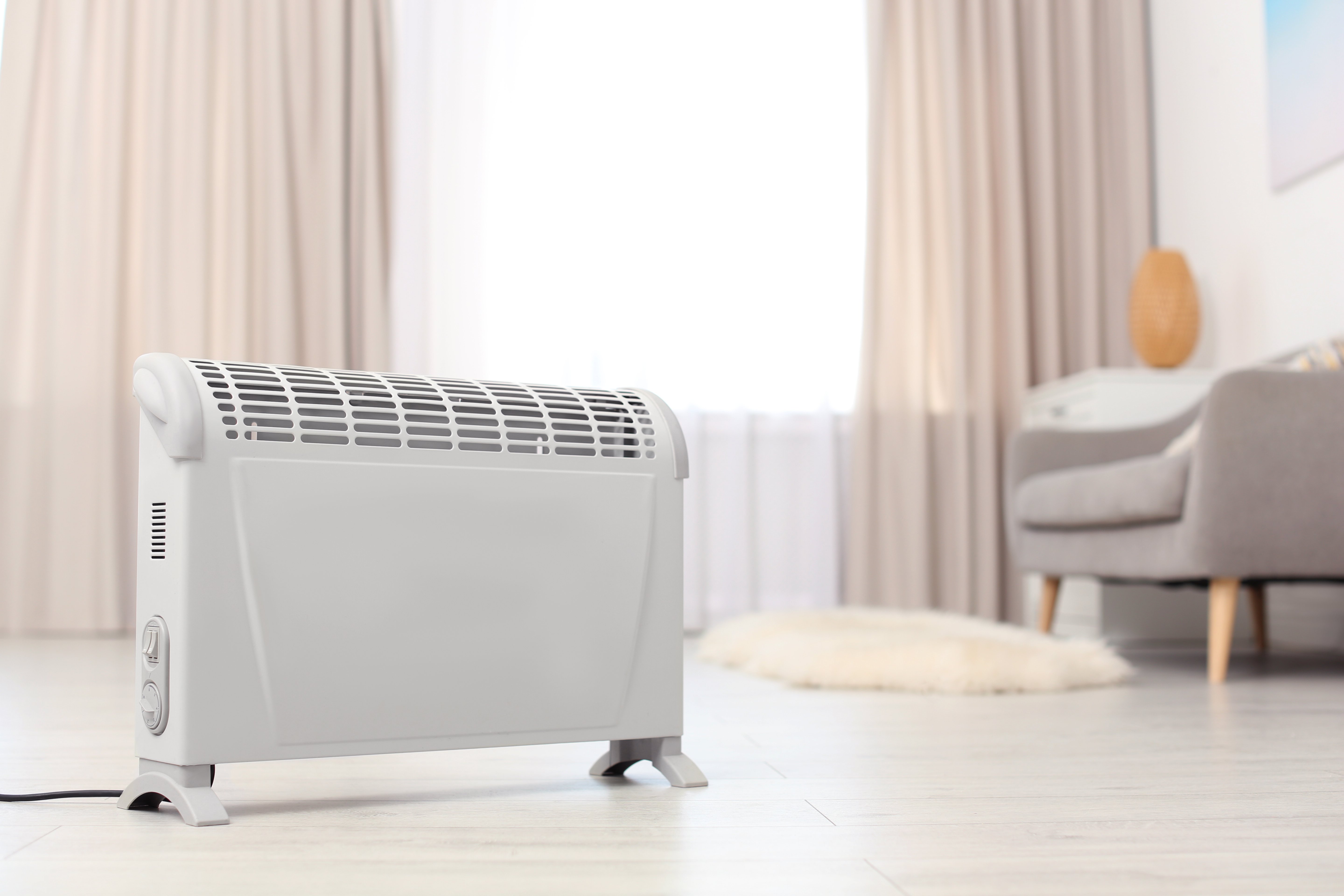
Types of Electric Heaters
Can you dry clothes on bathroom towel radiators?
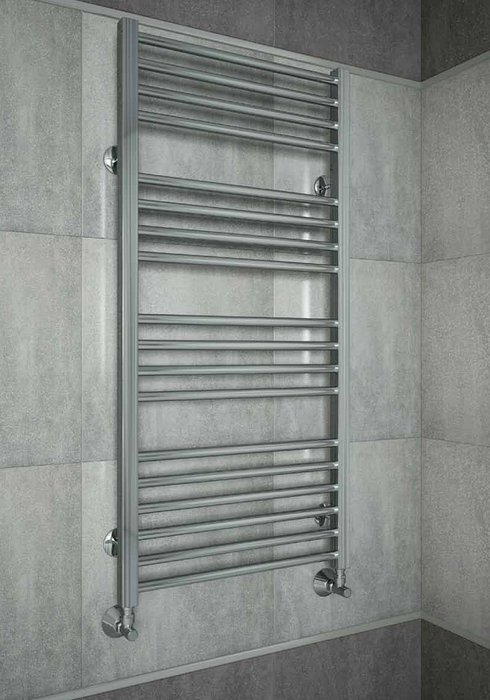
Common Insulation Problems

The Importance of Proper Insulation in Home Heating
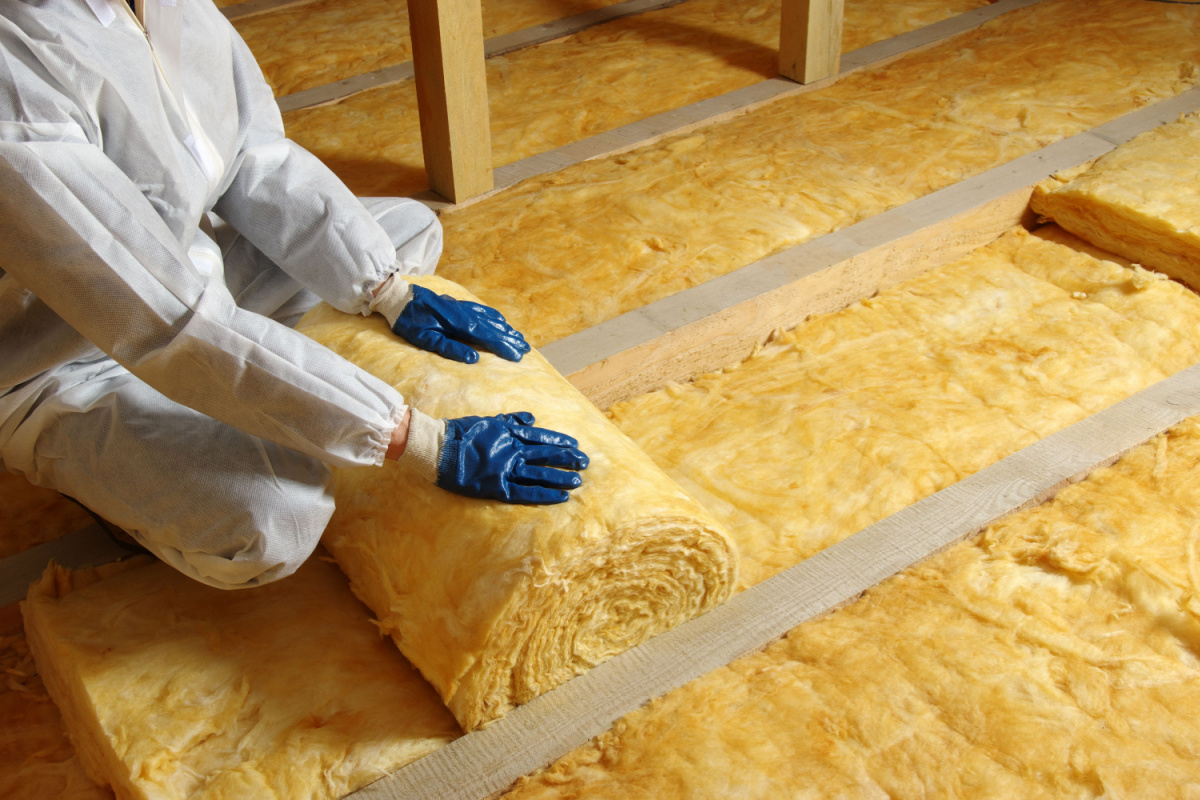
Combi Boiler vs System Boiler: Which Is Best for Your Home?
How to Prepare Your Home for HVAC Installation: 9 Essential Tips
HVAC for New Construction: What You Need to Know

How to choose the best boilers for schools in 2026?
How to clean a gas boiler?
What is mechanical ventilation?
How to improve air quality during allergy season

The truth behind common myths about air purifiers

Choosing Clamps for Professionals: Structure, Types and Applications

The Role and Importance of Measurement Equipment in Industry
Safety Gloves: A Small Tool, Big Protection
Your Home’s “Thermos” Effect: The Secret to Staying Warm in Winter and Cool in Summer
Practical Guide: Maintenance, Efficiency, and Safety of Boiler Room Systems

The Hidden Heroes of Our Home: Radiators

How Radiators Work: The Heat Distributors of Your Home

Boiler Rooms Explained: The Core of Home Heating

Energy-Efficient Home Heating Options: A Complete Guide

Why Is Regular Maintenance of HVAC Systems Important?

Control and Safety Devices in the Boiler Room: Essential Components for Your System

What is HVAC? Fundamentals of Heating and Cooling Systems

The ventilation systems in large buildings

Radiators vs Underfloor Heating: Which Works Better with Heat Pumps?

Radiators and Heating Systems: Comfortable and Energy-Efficient Solutions for Your Home

HVAC Pipe Insulation – Energy Saving and Stable Temperature Maintenance

What Don’t We Know About Ventilation Systems?

The Importance of Insulation for Energy Efficiency

Şüşə Yunu ilə Boru İzolyasiyası Nədir və Niyə Vacibdir?

Hansı radiator daha yaxşıdır?

What are heating systems for?

Havalandırma avadanlıqları nə üçündür?

Ventilation Systems

Heating systems - Models and prices

Heating systems

Havalandırma sistemləri (Havalandirma sistemleri)

Boru armaturları və fittinqləri

Qazanxana nədir?

Mechanical and Natural Ventilation: Which Is More Effective?

Ways to Save Energy with Smart Heating Systems

Effective Cooling Solutions for Commercial Properties

Boiler, Air Conditioning, and Ventilation System: How Are They Controlled Simultaneously?

Alternative Energy Sources in Heating and Cooling: Technologies of the Future
