Mechanical and Natural Ventilation: Which Is More Effective?

Ventilation is essential for maintaining a healthy and comfortable environment in every residential or workplace. The main goal is to replace the used air in the room with fresh air, removing moisture, odors, and harmful substances. This process is carried out in two main ways: natural and mechanical ventilation.
Natural ventilation is ventilation performed through windows, doors, or ventilation openings driven by wind and temperature differences. This method is simple, energy-free, and environmentally friendly. However, this type of ventilation cannot be fully controlled and can be unstable depending on weather conditions. For example, it may be insufficient on windless days or in high humidity. Also, in some spaces—such as windowless or closed rooms—natural ventilation is not possible.
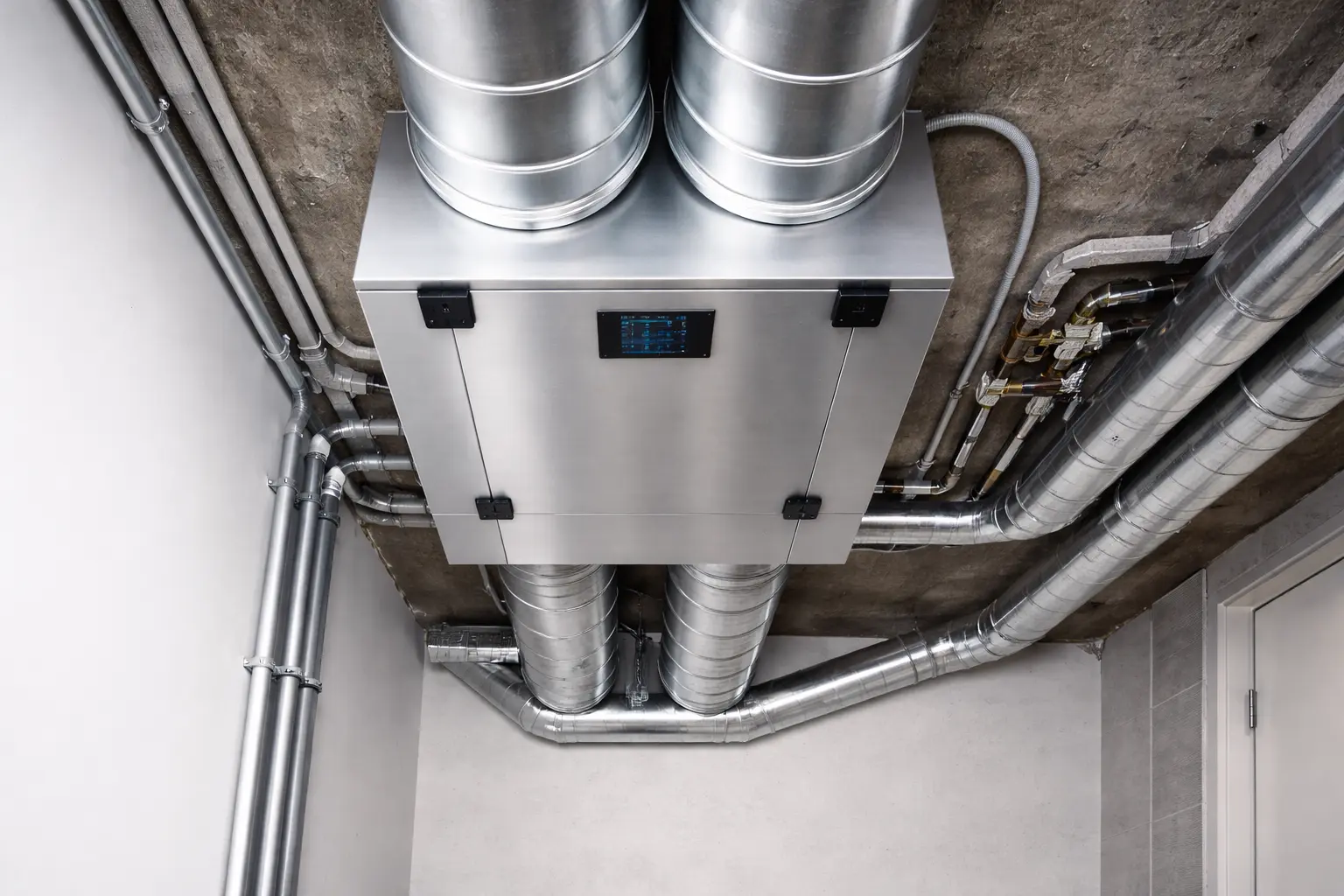
Mechanical ventilation, on the other hand, is carried out using fans, air ducts, and filtration systems. This method changes the air in a controlled way and provides high efficiency. It is independent of weather conditions and works steadily at all times. Additionally, thanks to the filtration system, dust, allergens, smoke, and harmful substances in the air can be cleaned. Mechanical ventilation is especially suitable for large buildings, basements, shopping centers, and airtight closed spaces. However, these systems require electrical energy, making them more costly in terms of energy consumption and maintenance.
In conclusion, if you are looking for a simple and energy-saving solution and your space is suitable for natural ventilation, natural ventilation may suffice. But if a more stable, strong, and high-quality airflow is needed, especially in humid and airtight areas, mechanical ventilation is more effective.
Other Manufacturing Sectors
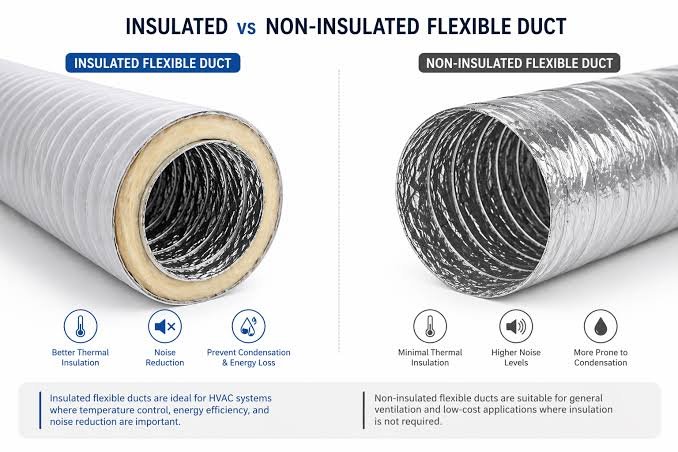
Insulated vs Non-Insulated flexible ducting | Buyer's guide
10 Key Factors to Consider When Choosing a Good Industrial Steam Boiler
10 Smart Ways to Improve Home Energy Efficiency Without Replacing Your Boiler
The importance of proper mechanical process installations

What are VRF systems and which buildings are they suitable for?
Advantages of insulated air ducts and why they are important
Energy-efficient heating systems: Which solutions are the most effective?
What are MEP systems and why are they important in construction projects?
The role of ventilation systems in creating a healthy and comfortable environment

Thermal Insulation: What Is It and How Is It Used?
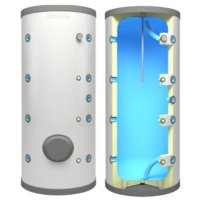
What are accumulation tanks and why are they worth using?
Ofislərdə düzgün soyutma sistemi məhsuldarlığa necə təsir edir?

HVAC sistemlərinin ağıllı ev sistemləri ilə inteqrasiyası

Breathing made easy: the undeniable benefits of a home ventilation system.
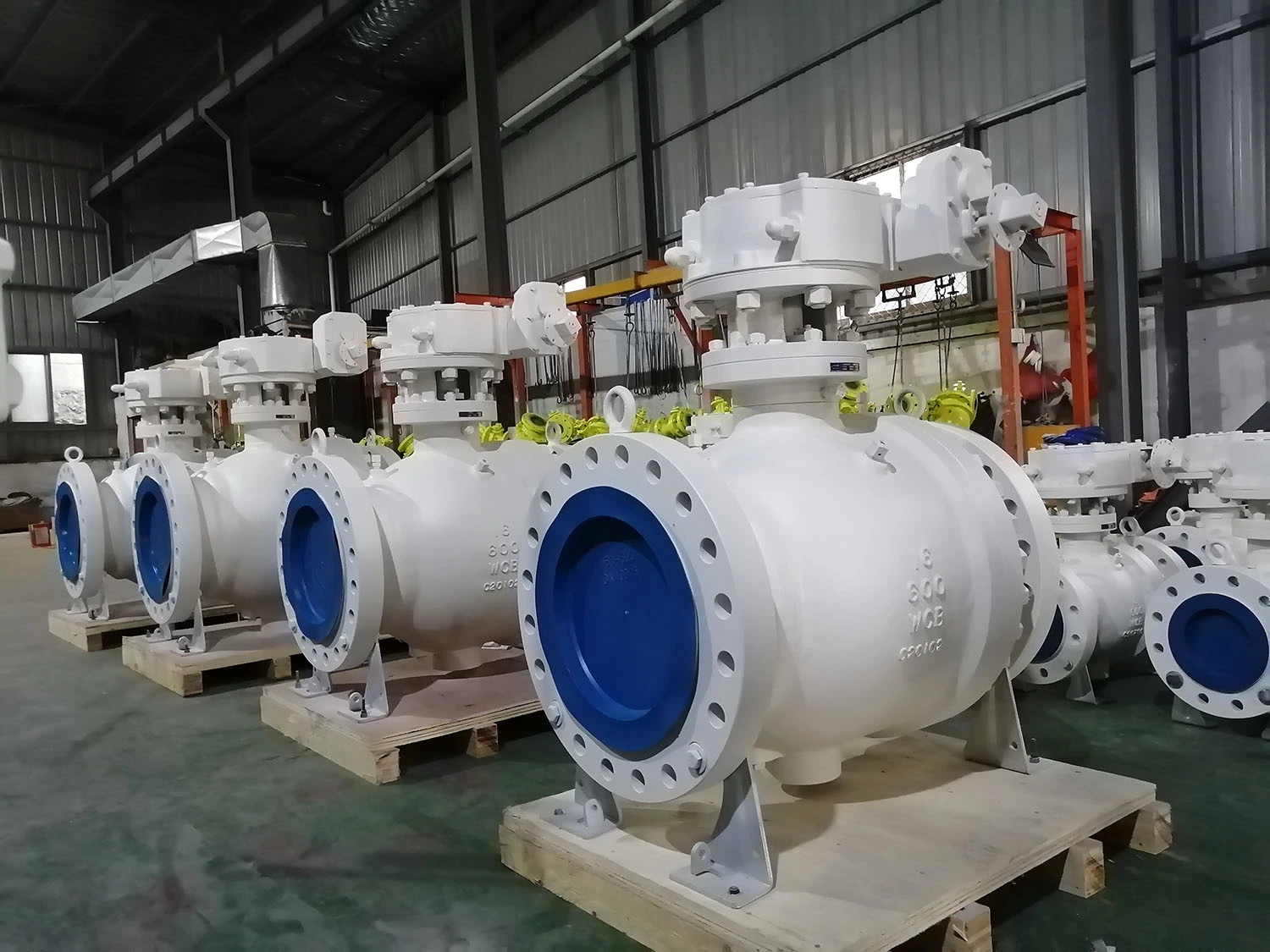
What are ball valves and how do they work?
Comparison of threaded pipe and welded pipe: which is better for your project?
The role of ventilation in ensuring fire safety and smoke control.
How good air circulation improves your shopping experience?
Duct fans: comprehensive applications and points to consider
Ventilation in hospitals and healthcare facilities

Boiler or stove: how to decide?
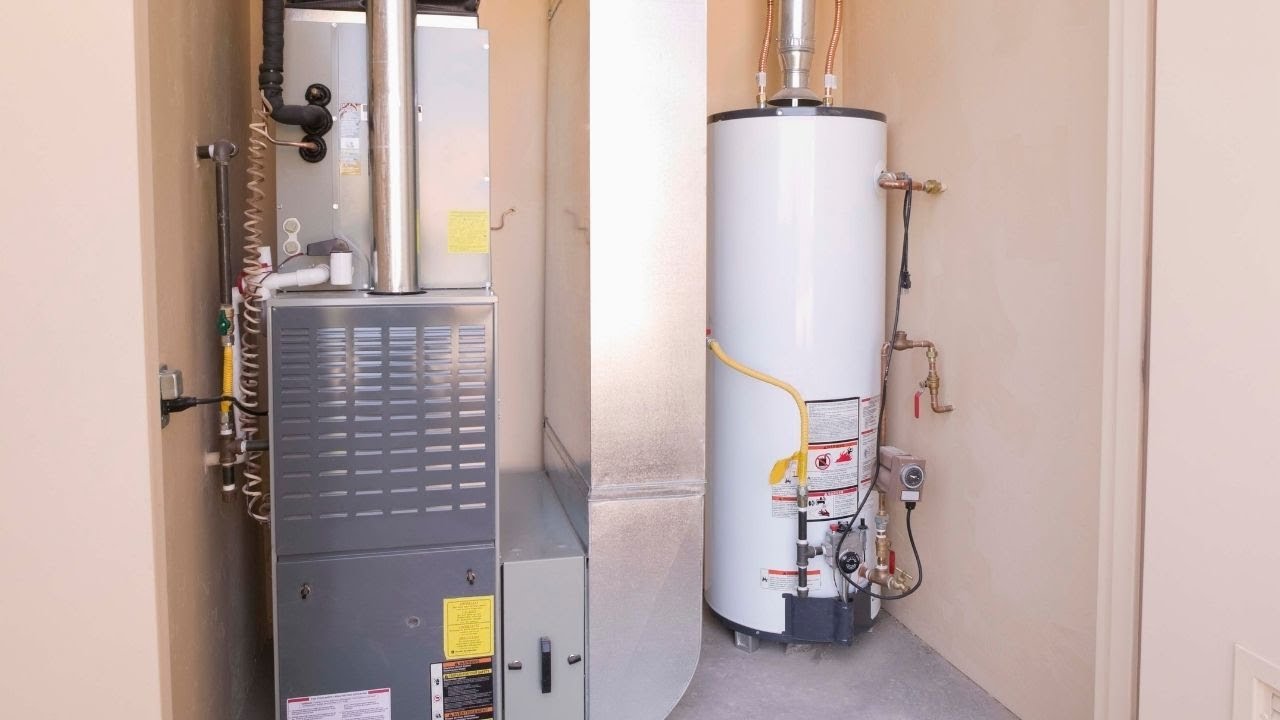
What type of heating is best for an old house?
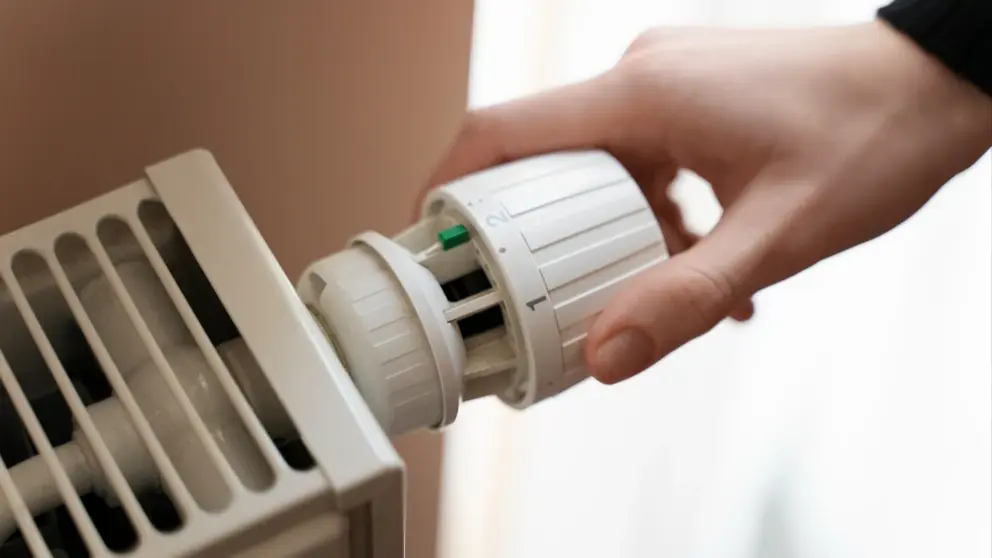
How to calculate the required boiler capacity?

Boiler pressure keeps dropping — what is the reason?
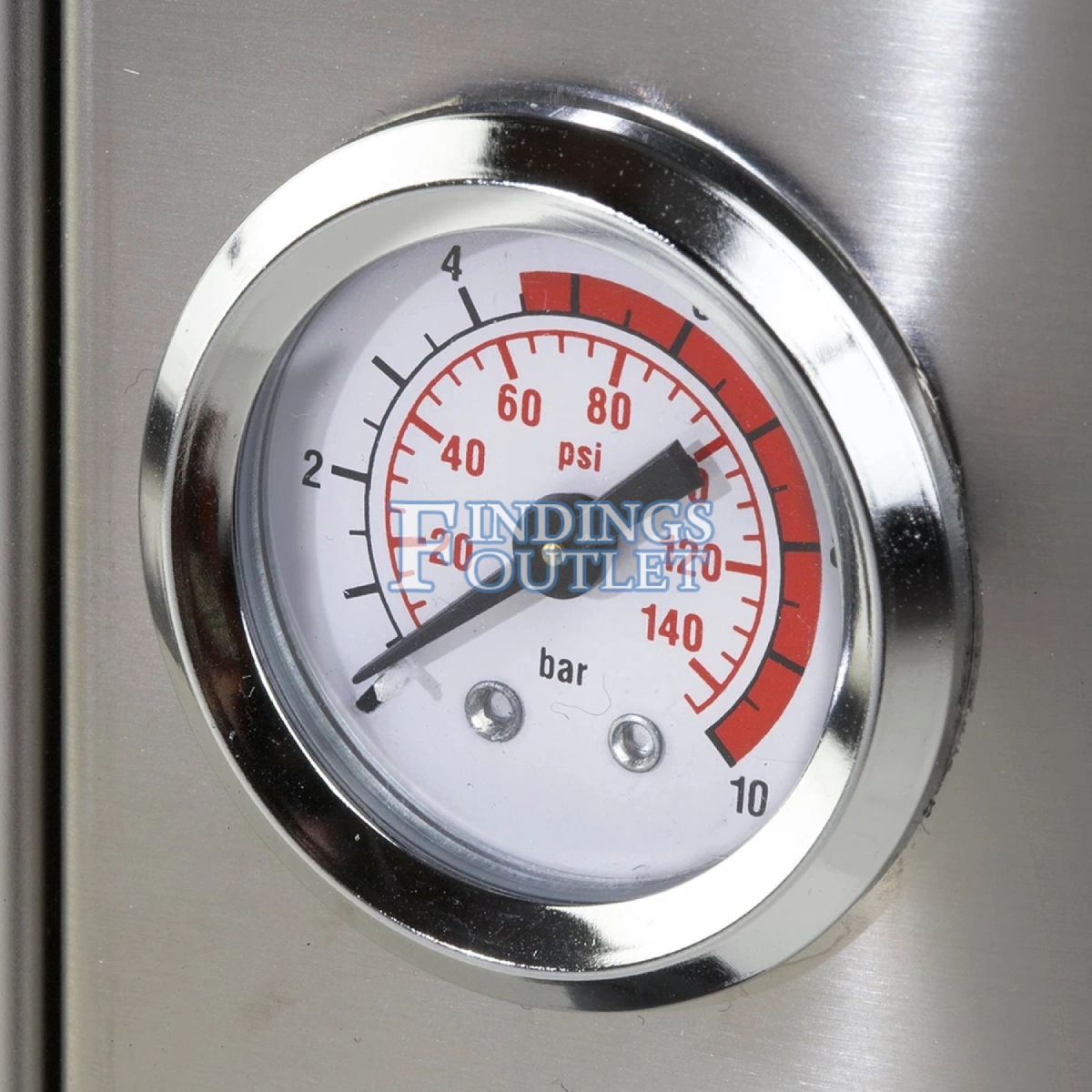
Why Does My Boiler Keep Turning Off?

Boiler Size; This Really Matters
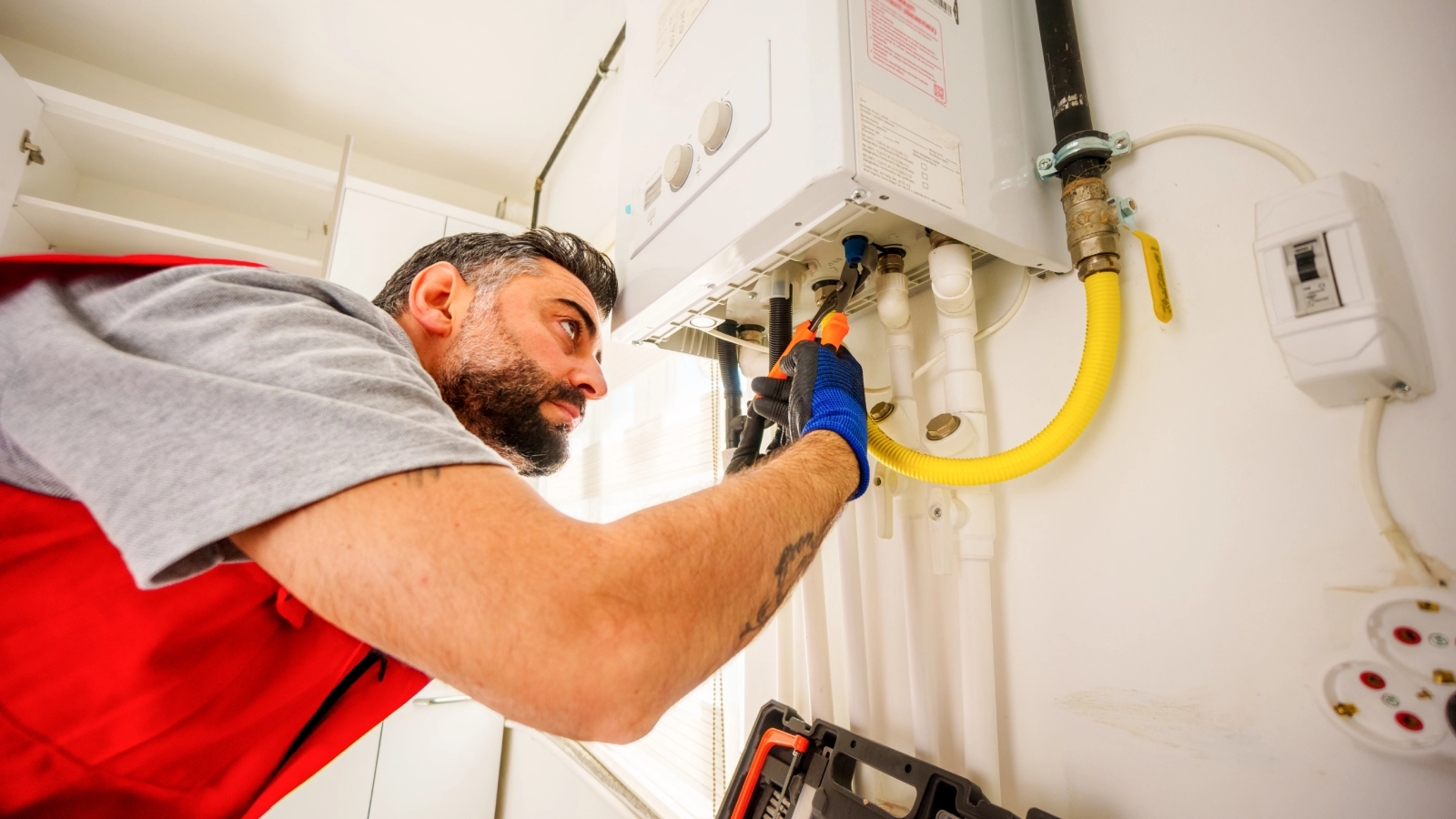
Choosing the Right Boiler Size for Your Home

Should I Keep The Boiler Running Continuously?
Noisy Boiler: Possible Causes And Solutions
The Importance of the Expansion Tank