Advantages of insulated air ducts and why they are important
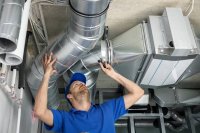
Ductwork insulation is important for many reasons because uninsulated air ducts can cause various problems in residential and commercial buildings.
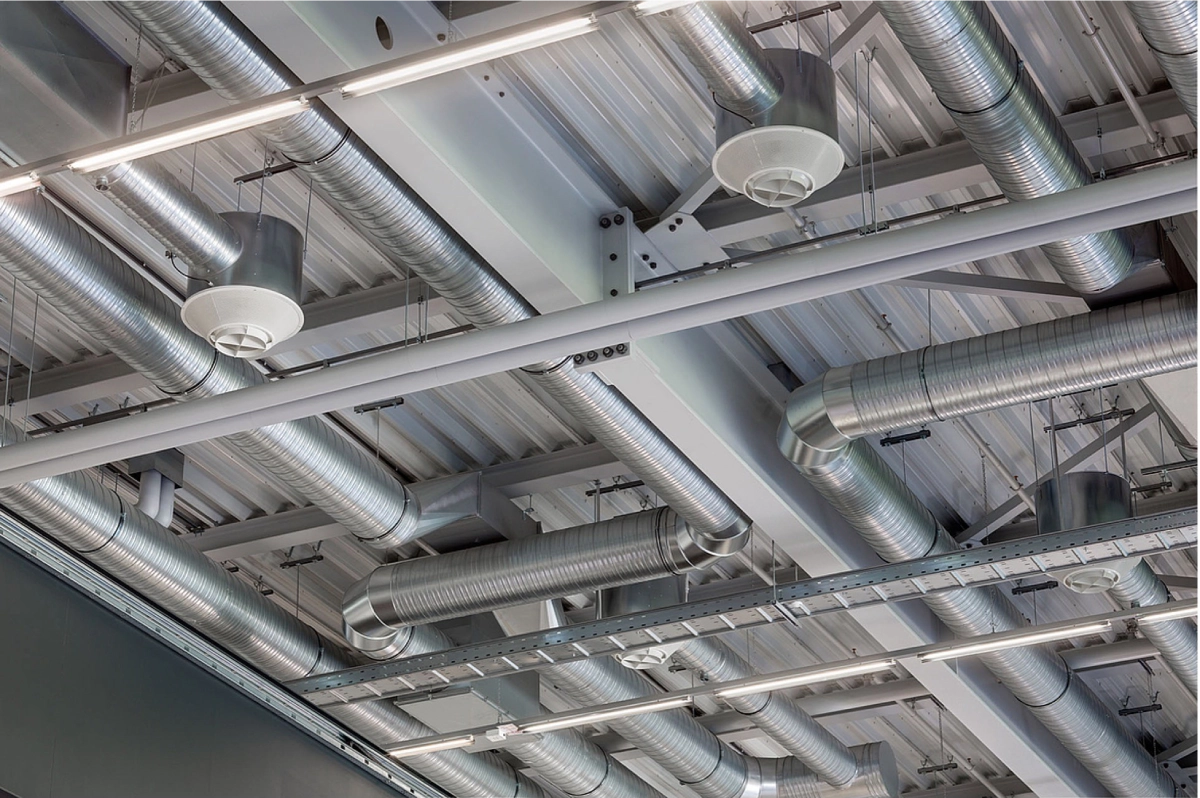
In a central HVAC system, air ducts distribute cooled or heated air produced by air conditioning or heating equipment throughout the building.
However, problems such as unwanted heat transfer and air leakage can:
Reduce indoor comfort;
Increase energy consumption;
Put additional strain on heating and cooling equipment.
These issues can be reduced by installing duct insulation. Along with other indoor air quality (IAQ) solutions, insulated ductwork helps improve HVAC system efficiency and overall performance.
Main Benefits of Insulating Air Ducts
Lower energy costs;
Reduced HVAC system wear;
Minimized air leakage;
A quieter indoor environment;
Improved comfort;
Reduced condensation;
Lower risk of mold growth;
Environmental protection.
1. Lower Energy Costs
Adding insulation to air ducts reduces or prevents heat transfer, which helps minimize energy loss.
The larger the temperature difference between the inside and outside of the duct, the greater the potential energy waste.
Air ducts located in unconditioned areas are especially vulnerable, including:
Garages;
Attics;
Unheated technical spaces.
Insulated ductwork helps:
Keep cold air colder;
Maintain warm air temperatures;
Improve year-round energy efficiency.
For example, cooled air from an air conditioner can absorb external heat when passing through uninsulated ducts. Similarly, heated air from a furnace can lose heat before reaching the rooms.
Proper duct insulation provides significant energy savings throughout the year.
2. Reduced Wear on Your HVAC System
Duct insulation reduces the workload on heating and cooling equipment.
As a result:
Air conditioners operate less frequently;
Heating systems run for shorter periods;
Important components experience less stress.
Components that benefit include:
Compressors;
Fans;
Coils;
Heat exchangers.
Considering the cost of HVAC repairs and increased energy efficiency, duct insulation can pay for itself over time.
3. Minimized Air Leakage
Air leakage is one of the most common problems in HVAC systems.
Many buildings have air leaks that are difficult to notice.
Insulation helps:
Protect ductwork;
Seal small gaps;
Reduce leakage around joints and connections.
The more conditioned air escapes from ducts, the harder your HVAC system must work to maintain indoor temperatures.
Air leakage can lead to:
Higher energy bills;
Uneven temperatures;
Reduced system performance;
Increased equipment damage.
4. A Quieter Indoor Environment
Air ducts are designed to move air, but they can also transfer sound throughout a building.
Uninsulated ducts may carry:
Conversations;
Television sounds;
Music;
Air movement noises
from one room to another.
If sounds from other rooms are easily heard, poorly insulated or sealed ductwork may be the reason.
High-quality duct insulation can reduce:
Popping sounds;
Whistling noises;
Vibrations;
Metal expansion noises.
5. Improved Comfort
Properly insulated ducts maintain the temperature of transported air more effectively.
This means:
Less heat loss between the HVAC unit and room vents;
More stable indoor temperatures;
Improved comfort levels.
Insulated ducts help prevent:
Temperature fluctuations;
Uneven heating or cooling between rooms.
With properly insulated ductwork, you can maintain a comfortable indoor environment without constantly adjusting the thermostat.
6. Reduced Condensation
Temperature differences between the inside and outside of air ducts can create moisture and condensation.
Duct insulation helps prevent:
Moisture accumulation;
Water damage;
Mold and mildew growth;
Damage to nearby building materials.
Over time, excessive moisture can weaken wooden structures and other building components.
Proper insulation helps protect the entire HVAC system.
7. Reduced Risk of Mold Growth
Wherever moisture, condensation, or water leaks exist, mold spores can develop.
Mold can:
Increase allergy symptoms;
Release harmful substances;
Create health concerns;
Increase cleaning and repair costs.
By reducing condensation around ducts, insulation helps:
Prevent mold growth;
Reduce bacteria development;
Improve indoor air quality.
8. Protecting the Environment
Insulated ductwork reduces the amount of energy required by HVAC systems.
Lower energy consumption means:
Reduced fuel demand;
Lower greenhouse gas emissions;
Less air pollution;
Better conservation of natural resources.
Energy-efficient duct systems contribute to a healthier indoor and outdoor environment.
How to Insulate HVAC Air Ducts
It is possible to apply insulation directly to air ducts. However, not all parts of a duct system are easily accessible.
Professional installation may be required, especially for:
Hidden duct sections;
Hard-to-reach areas;
High-risk leakage points.
When choosing insulation materials, several factors should be considered:
Thermal resistance value (R-value);
Duct location;
Existing air leakage problems.
The higher the R-value, the better the material prevents heat transfer.
An HVAC professional can:
Identify air leaks;
Recommend suitable insulation materials;
Select the correct installation method.
Best Materials for Air Duct Insulation
1. Fiberglass Insulation
Fiberglass is one of the most commonly used duct insulation materials.
Advantages:
Easy installation;
Good sound absorption;
Easy replacement.
However, fiberglass can absorb moisture, so regular inspection is necessary.
2. Fiberglass with Perforated Aluminum Foil
This type of insulation provides:
Improved sound absorption;
Better energy efficiency;
Additional protection.
3. Cross-Linked Polyethylene (PE) Foam
PE foam insulation is a durable and weather-resistant material.
Advantages:
Suitable for exposed ductwork;
Resistant to environmental conditions;
Can also be used for walls, floors, and roofs.
4. Duct Wrap
Duct wrap is a lightweight and effective insulation solution.
Features:
Suitable for round and rectangular ducts;
Moisture resistant;
Reduces heat loss.
5. Duct Liner
Duct liner is commonly installed during new HVAC system construction.
It is usually made from:
Fiberglass;
Mineral wool.
It improves:
Thermal performance;
Sound control.
6. Spray Foam Insulation
Spray foam expands when applied and seals:
Gaps;
Cracks;
Small cavities.
Advantages:
Long-lasting;
Durable;
Maintains its shape over time.
7. Duct Board
Duct board insulation is usually made from:
Fiberglass;
Mineral wool.
Its aluminum outer layer provides:
Air sealing;
Moisture protection.
Is Ductwork Insulation Required?
Air ducts located inside conditioned spaces may not always require insulation.
However, insulation is highly beneficial for:
Ducts located in unconditioned areas;
Unventilated attics;
Exterior duct systems;
Ducts with air leakage problems;
Supply ducts connected to return air plenums.
Insulated air ducts are an essential part of an efficient HVAC system.
High-quality duct insulation provides long-term energy savings and creates a healthier, more comfortable indoor environment for both residential and commercial buildings.
Other Manufacturing Sectors
Measurement Equipment and Safety Valves: Safety and Control in Heating Systems
The Role and Importance of Expansion Tanks in Heating Systems
6 signs your building needs better ventilation

How to choose the right ductwork?
Types of Bolts: Components, Sizes, and Applications
Threaded Rod: Types, Applications, and Selection Guide
The importance of material selection in mechanical engineering: Ensuring optimal performance and longevity
Insulated vs Non-Insulated flexible ducting | Buyer's guide
10 Key Factors to Consider When Choosing a Good Industrial Steam Boiler
10 Smart Ways to Improve Home Energy Efficiency Without Replacing Your Boiler
The importance of proper mechanical process installations

What are VRF systems and which buildings are they suitable for?
Advantages of insulated air ducts and why they are important
Energy-efficient heating systems: Which solutions are the most effective?
What are MEP systems and why are they important in construction projects?
The role of ventilation systems in creating a healthy and comfortable environment

Thermal Insulation: What Is It and How Is It Used?
What are accumulation tanks and why are they worth using?
Ofislərdə düzgün soyutma sistemi məhsuldarlığa necə təsir edir?

HVAC sistemlərinin ağıllı ev sistemləri ilə inteqrasiyası

Breathing made easy: the undeniable benefits of a home ventilation system.
What are ball valves and how do they work?
Comparison of threaded pipe and welded pipe: which is better for your project?
The role of ventilation in ensuring fire safety and smoke control.
How good air circulation improves your shopping experience?
Duct fans: comprehensive applications and points to consider
Ventilation in hospitals and healthcare facilities

Boiler or stove: how to decide?
What type of heating is best for an old house?
How to calculate the required boiler capacity?