Why Is Regular Maintenance of HVAC Systems Important?

Imagine coming home after a long day at work only to discover that your house is unbearably hot in the summer or freezing cold in the winter. Such situations are quite common and are often the result of neglected HVAC systems. Regular HVAC maintenance can prevent these inconveniences and many other problems. Continue reading to learn why HVAC maintenance is so important for homeowners and to gain practical tips for keeping your system operating efficiently.
What Is HVAC Maintenance?
HVAC maintenance includes regular inspections and tune-ups of your heating, ventilation, and air conditioning systems. These check-ups help ensure that the system is operating correctly. Whether it involves residential or commercial HVAC maintenance, paying attention to your system extends its lifespan and helps you avoid costly repairs.
Benefits of HVAC Maintenance
Regular HVAC maintenance provides various advantages for both homeowners and businesses. Here are a few important aspects to consider:
Improved Energy Efficiency
One of the primary benefits of regular HVAC maintenance is improved energy efficiency. A well-maintained system consumes less energy to heat and cool your home. This reduces your carbon footprint and lowers your electricity bills.
Extended System Lifespan
Regular maintenance extends the lifespan of your HVAC system. Scheduled inspections help identify and resolve issues before they become serious, allowing the system to operate longer.
Improved Air Quality
A clean and well-maintained HVAC system improves indoor air quality. Dirty filters and air ducts can circulate dust, allergens, and other pollutants throughout your home. Regular maintenance eliminates these risks and ensures clean and healthy air for breathing.
Reduced Repair Costs
Preventative maintenance can lead to significant savings in the long run. Early detection of minor issues helps avoid more serious and costly repairs. Think of preventative maintenance as an investment in preventing unexpected breakdowns.
6 Steps to Effective HVAC Maintenance
Proper HVAC maintenance helps your system operate smoothly and as efficiently as possible throughout the year. Homeowners should understand which tasks they can handle themselves and which should be left to professionals. By understanding the roles of both homeowner and technician, you can keep your system in excellent condition and avoid unnecessary inconveniences.
Replacing Air Filters: Homeowners should regularly replace air filters—typically every 1–3 months depending on usage and filter type. Clean filters improve air quality and ensure efficient airflow.
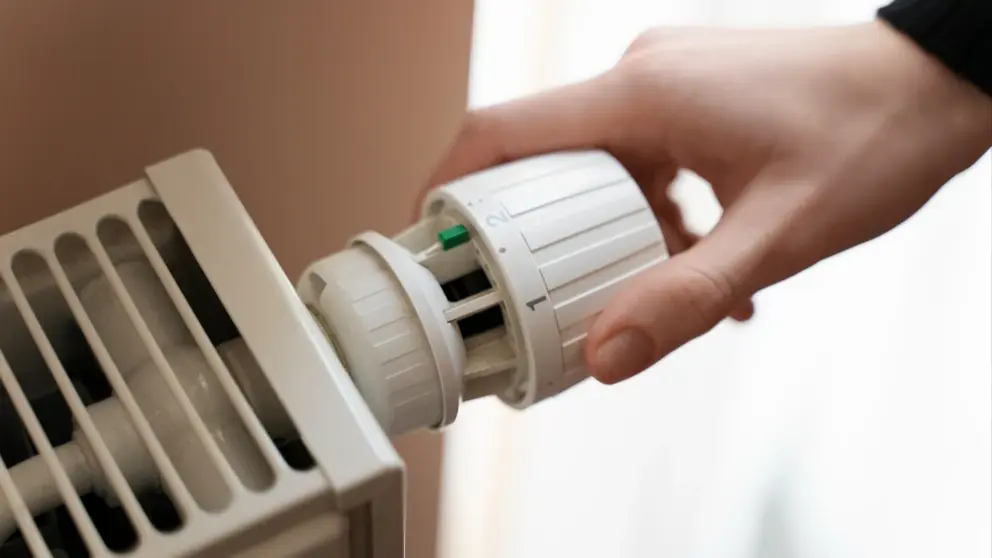
Inspecting the Thermostat: Checking thermostat settings is another task homeowners can handle. Make sure it is functioning properly and set for optimal energy use.
Cleaning Vents and Registers: To prevent dust buildup and maintain unobstructed airflow, ventilation openings should be cleaned and vacuumed regularly.
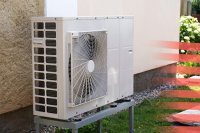
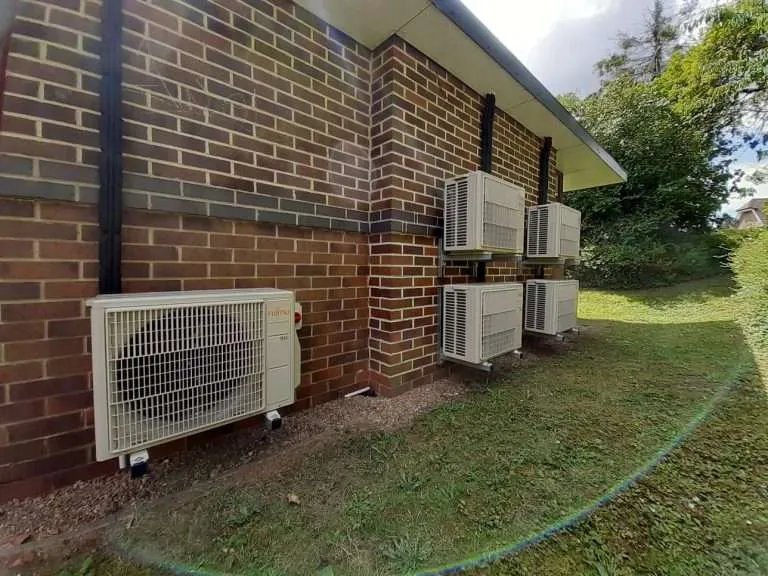
Clearing Debris Around the Outdoor Unit: Ensure the area around your outdoor HVAC unit is free from leaves, grass, and debris. This improves system efficiency and is a simple task to perform regularly.
Professional Inspection and Cleaning: At least once a year, invite a specialist to conduct a comprehensive inspection of your HVAC system. This includes checking belts, motors, and condensate drains. Professionals have the experience and tools to perform these tasks safely and effectively.
Checking Refrigerant Levels: Refrigerant inspection and handling should be left to professionals, as it requires specialized knowledge and equipment to ensure safe and proper operation of the air conditioning system.
By balancing DIY care with professional maintenance, you can improve the performance and extend the lifespan of your HVAC system, ensuring comfort in your home throughout every season.
Advantages of an HVAC Maintenance Plan
An HVAC maintenance plan is a prearranged agreement with a professional service provider for regular inspections and tune-ups of your system. This proactive approach offers several advantages:
Ensures consistent and efficient system performance year-round, reducing energy consumption and costs.
Allows early detection of potential problems and helps prevent costly repairs.
Many plans include priority service, providing faster repairs and extending the system’s lifespan.
Maximizing HVAC Efficiency in Various Climate Conditions
Residents of Wisconsin are well acquainted with the wide range of weather conditions throughout the year. In addition to the tips mentioned above, here are a few more ideas to improve your HVAC system:
Invest in a Programmable Thermostat: Set heating and cooling schedules according to your daily routine to save energy and reduce utility costs.
Add Insulation for Winter: Prevent heat loss to keep your home warm while using less energy during cold months.
Use Fans in Summer: Circulate cooled air to reduce the load on your HVAC system and enhance cooling efficiency.
Monitor Weather Forecasts: Make proactive adjustments to system settings to prepare for sudden temperature changes.
Implementing these strategies will help maintain comfort and maximize energy efficiency throughout the year.
Other Manufacturing Sectors
Insulated vs Non-Insulated flexible ducting | Buyer's guide
10 Key Factors to Consider When Choosing a Good Industrial Steam Boiler
10 Smart Ways to Improve Home Energy Efficiency Without Replacing Your Boiler
The importance of proper mechanical process installations

What are VRF systems and which buildings are they suitable for?
Advantages of insulated air ducts and why they are important
Energy-efficient heating systems: Which solutions are the most effective?
What are MEP systems and why are they important in construction projects?
The role of ventilation systems in creating a healthy and comfortable environment

Thermal Insulation: What Is It and How Is It Used?
What are accumulation tanks and why are they worth using?
Ofislərdə düzgün soyutma sistemi məhsuldarlığa necə təsir edir?

HVAC sistemlərinin ağıllı ev sistemləri ilə inteqrasiyası
Breathing made easy: the undeniable benefits of a home ventilation system.
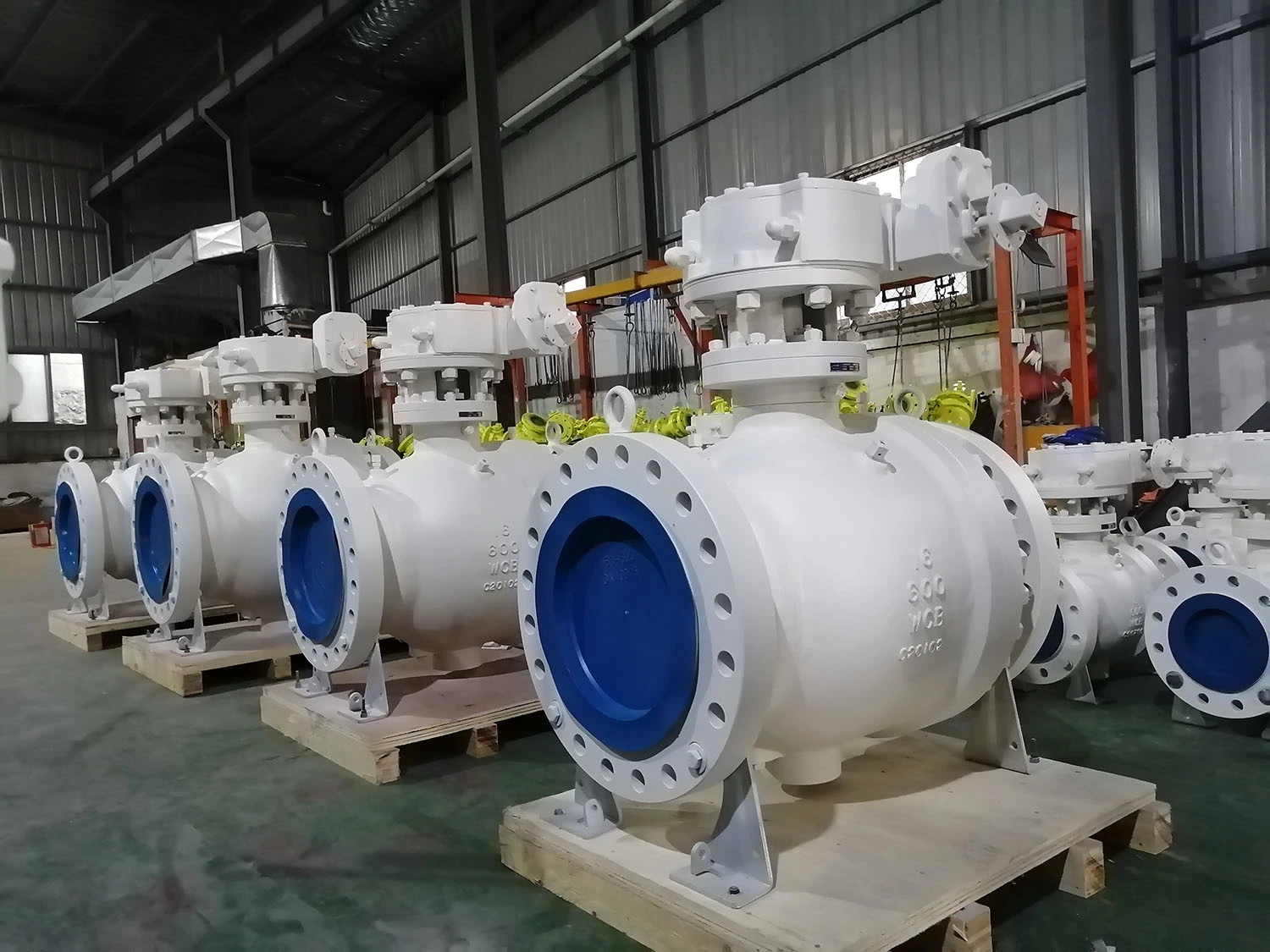
What are ball valves and how do they work?
Comparison of threaded pipe and welded pipe: which is better for your project?
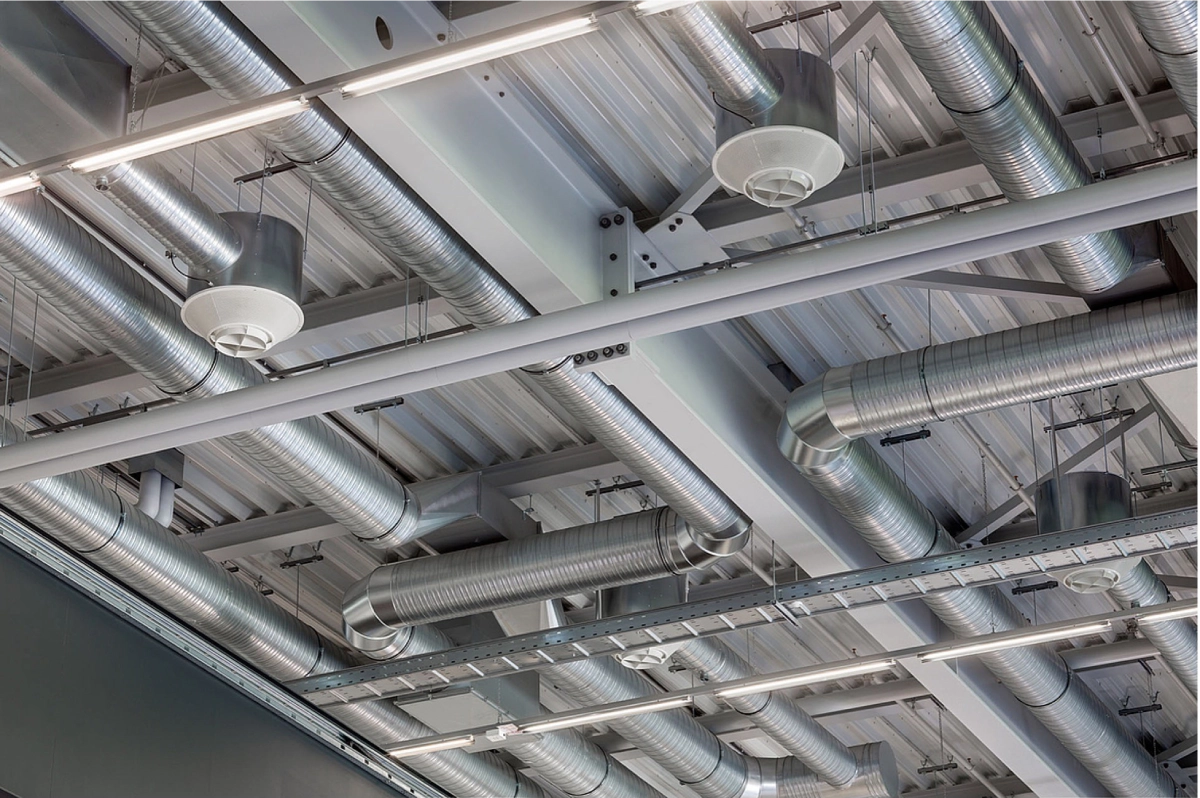
The role of ventilation in ensuring fire safety and smoke control.
How good air circulation improves your shopping experience?
Duct fans: comprehensive applications and points to consider
Ventilation in hospitals and healthcare facilities

Boiler or stove: how to decide?
What type of heating is best for an old house?
How to calculate the required boiler capacity?

Boiler pressure keeps dropping — what is the reason?
Why Does My Boiler Keep Turning Off?
Boiler Size; This Really Matters
Choosing the Right Boiler Size for Your Home

Should I Keep The Boiler Running Continuously?
Noisy Boiler: Possible Causes And Solutions
The Importance of the Expansion Tank