Choosing the Right Boiler Size for Your Home

The boiler you choose for your home is very important. It is not just about picking a brand you like. You need to find the correct boiler size for your home heating system. If you choose the wrong boiler size, you may face high bills, cold rooms, and hot water problems. If you choose correctly, your home will be warm and comfortable, and your boiler will work efficiently for a long time. Let us help you make the right choice.
We have seen the mistakes people make when trying to determine the boiler size they need. That is why we created this guide — to help you avoid those mistakes.
What Does Boiler Size Actually Mean?
First, let us explain what the term “boiler size” means. It is not about the physical size of the boiler. It is about its power — how much heat it can produce to warm your home and water.
Think of it like a car engine. A 1.0L engine and a 2.0L engine are different in power, not just size.
What is kW?
Kilowatt (kW) is a unit of power. For boilers, it shows how much heat they can generate per second. A 30 kW boiler can produce 30 kilojoules of energy per second. The higher the kW, the more heat is supplied to radiators and hot water systems.
How Boiler Power Relates to Heating and Hot Water
A boiler has two main jobs: heating radiators and providing hot water. The total required kW is the sum of the energy needed for these two demands at peak times.
If your home needs 15 kW for heating and 10 kW for a powerful shower, you should choose at least a 25 kW boiler.
Why the Wrong Boiler Size Causes Problems
The key point is this: bigger is not always better.
If the boiler is too large:
The boiler will turn on and off frequently, causing faster wear
Energy and money will be wasted due to lower efficiency at each start-up
The temperature in the home will be unstable, reducing comfort
If the boiler is too small:
The boiler will struggle to heat the home and will run continuously
Hot water flow will be weak, requiring more time for baths and showers
The boiler will be overloaded and may fail quickly
What Determines the Correct Boiler Size?
To find the “right” boiler, you need to consider the following:
How many bedrooms you have — indicates home size and number of users
How many bathrooms you have — shows how much hot water is needed at the same time
How many radiators there are — each one requires heat
How good the insulation is — poor insulation increases heat loss
Type of home — some homes lose more heat than others
Water usage — large families use more hot water
Boiler Size by Type
The chosen boiler type affects how kW power is used.
Combi boilers
They heat mains water directly and must provide both heating and hot water at the same time.
24–27 kW — 1–2 bedroom flats and 1 bathroom
28–34 kW — 3–4 bedroom houses and 1–2 bathrooms
35–42 kW — large houses and high hot water demand showers
System boilers
They work with a hot water cylinder, and boiler power is mainly used for heating radiators and refilling the tank.
12–18 kW — homes with few radiators
18–24 kW — medium-sized homes
24–30+ kW — large homes
Conventional (Conventional) boilers
They are similar to system boilers and are often used in older homes with loft tanks.
12–18 kW — traditional homes
18–30+ kW — large homes
Quick Boiler Size Guide
1–2 bedroom flats: combi 24–27 kW, system/conventional 12–15 kW
3–4 bedroom average homes: combi 28–34 kW, system/conventional 15–24 kW
4–6 bedroom large homes: combi 35–42 kW, system 24–35 kW
3+ bathroom large homes: usually a large-cylinder system or conventional boiler is more suitable
How Radiators Affect Boiler Size
Each radiator requires heat, so you must add them together to calculate total demand.
Simple rule: multiply the number of radiators by 1.5 kW.
For example, if there are 10 radiators, you need at least 15 kW for heating alone.
Insulation and Heat Loss
Good insulation significantly reduces the load on the boiler.
Factors that increase heat loss:
Single-glazed windows
Poor loft insulation
Uninsulated walls
Open or north-facing homes
Hot Water Flow and kW Relationship
The higher the kW, the stronger the hot water flow.
A good shower requires 9–12 liters/minute.
24–27 kW combi boiler — 9–11 liters/minute
35+ kW combi boiler — 14–15+ liters/minute
If multiple bathrooms are used at the same time, higher kW is required.
How to Calculate Boiler Size
Count radiators and multiply by 1.5 kW
Consider bathrooms and adjust for simultaneous use
Check insulation — if poor, add 3–5 kW
Choose boiler type — combi, system, or conventional
Add a safety margin and round up slightly
Signs Your Boiler Is the Wrong Size
The boiler turns on and off frequently
Hot water pressure is weak
It is difficult to heat the house in winter
Gas bills are high
Radiators do not heat evenly
Example Scenarios
2 bedroom flat (5 radiators, 1 bathroom): 24–27 kW combi
3 bedroom house (10 radiators, 1 bathroom): 28–30 kW combi or 18 kW system
4 bedroom house (12 radiators, 2 bathrooms): 35–40 kW combi or 24 kW system
5 bedroom house (15 radiators, 3 bathrooms): 30+ kW cylinder system
When Is a Heat Loss Report Needed?
For most homes, these rules are sufficient. However, in very large, non-standard homes, extensions, or complex systems such as underfloor heating, a professional heat loss calculation is essential.
A qualified engineer can accurately calculate the required kW for each room in the house.
Other Manufacturing Sectors
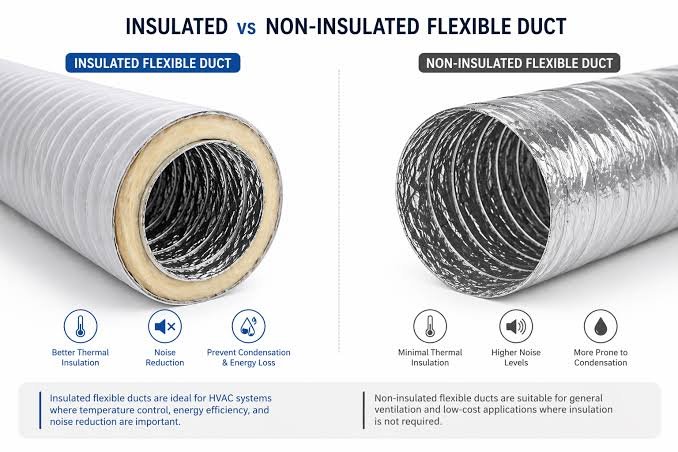
Insulated vs Non-Insulated flexible ducting | Buyer's guide
10 Key Factors to Consider When Choosing a Good Industrial Steam Boiler
10 Smart Ways to Improve Home Energy Efficiency Without Replacing Your Boiler
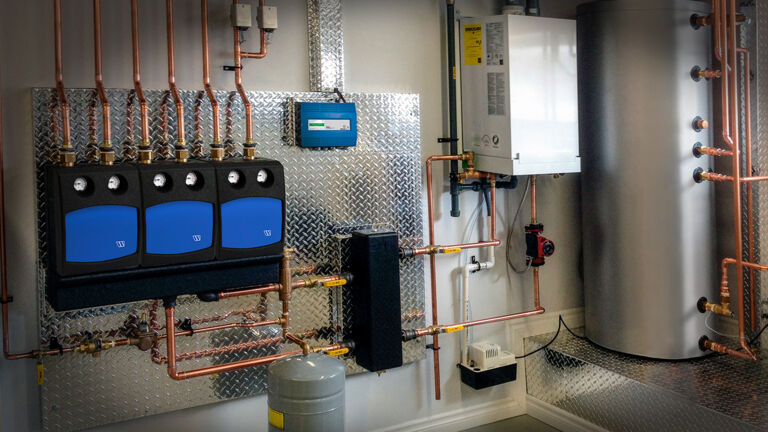
The importance of proper mechanical process installations

What are VRF systems and which buildings are they suitable for?
Advantages of insulated air ducts and why they are important

Energy-efficient heating systems: Which solutions are the most effective?
What are MEP systems and why are they important in construction projects?
The role of ventilation systems in creating a healthy and comfortable environment

Thermal Insulation: What Is It and How Is It Used?
What are accumulation tanks and why are they worth using?
Ofislərdə düzgün soyutma sistemi məhsuldarlığa necə təsir edir?

HVAC sistemlərinin ağıllı ev sistemləri ilə inteqrasiyası

Breathing made easy: the undeniable benefits of a home ventilation system.
What are ball valves and how do they work?
Comparison of threaded pipe and welded pipe: which is better for your project?
The role of ventilation in ensuring fire safety and smoke control.
How good air circulation improves your shopping experience?
Duct fans: comprehensive applications and points to consider
Ventilation in hospitals and healthcare facilities

Boiler or stove: how to decide?
What type of heating is best for an old house?
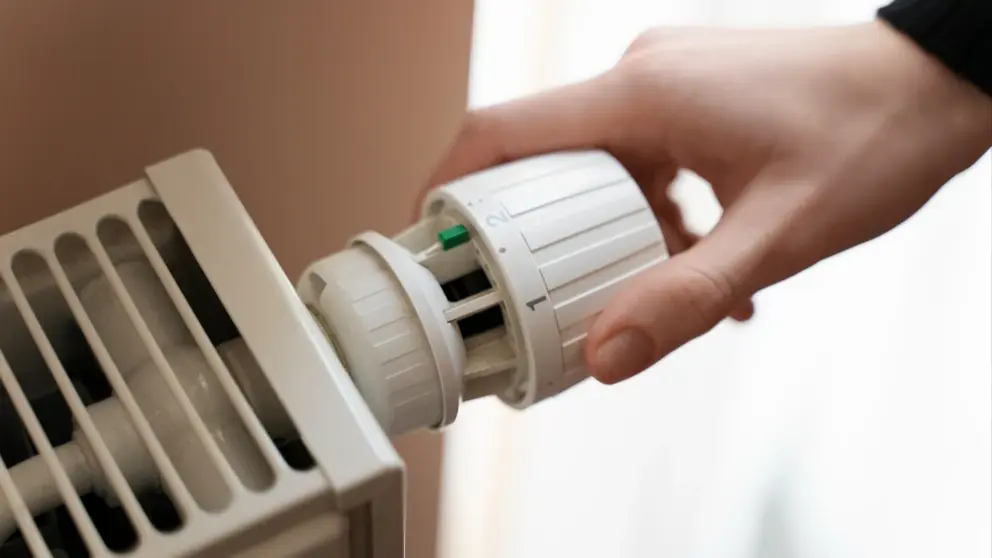
How to calculate the required boiler capacity?

Boiler pressure keeps dropping — what is the reason?
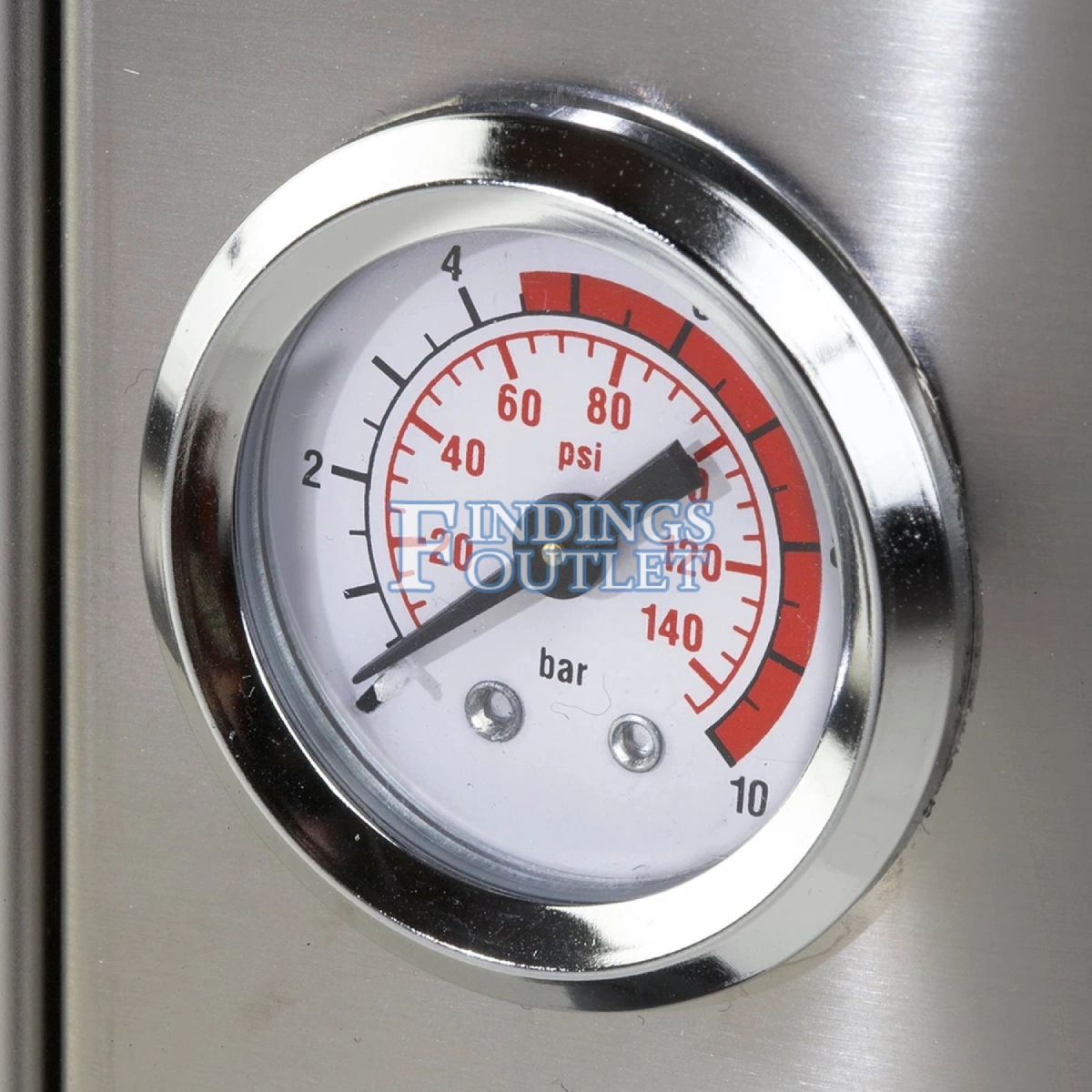
Why Does My Boiler Keep Turning Off?

Boiler Size; This Really Matters
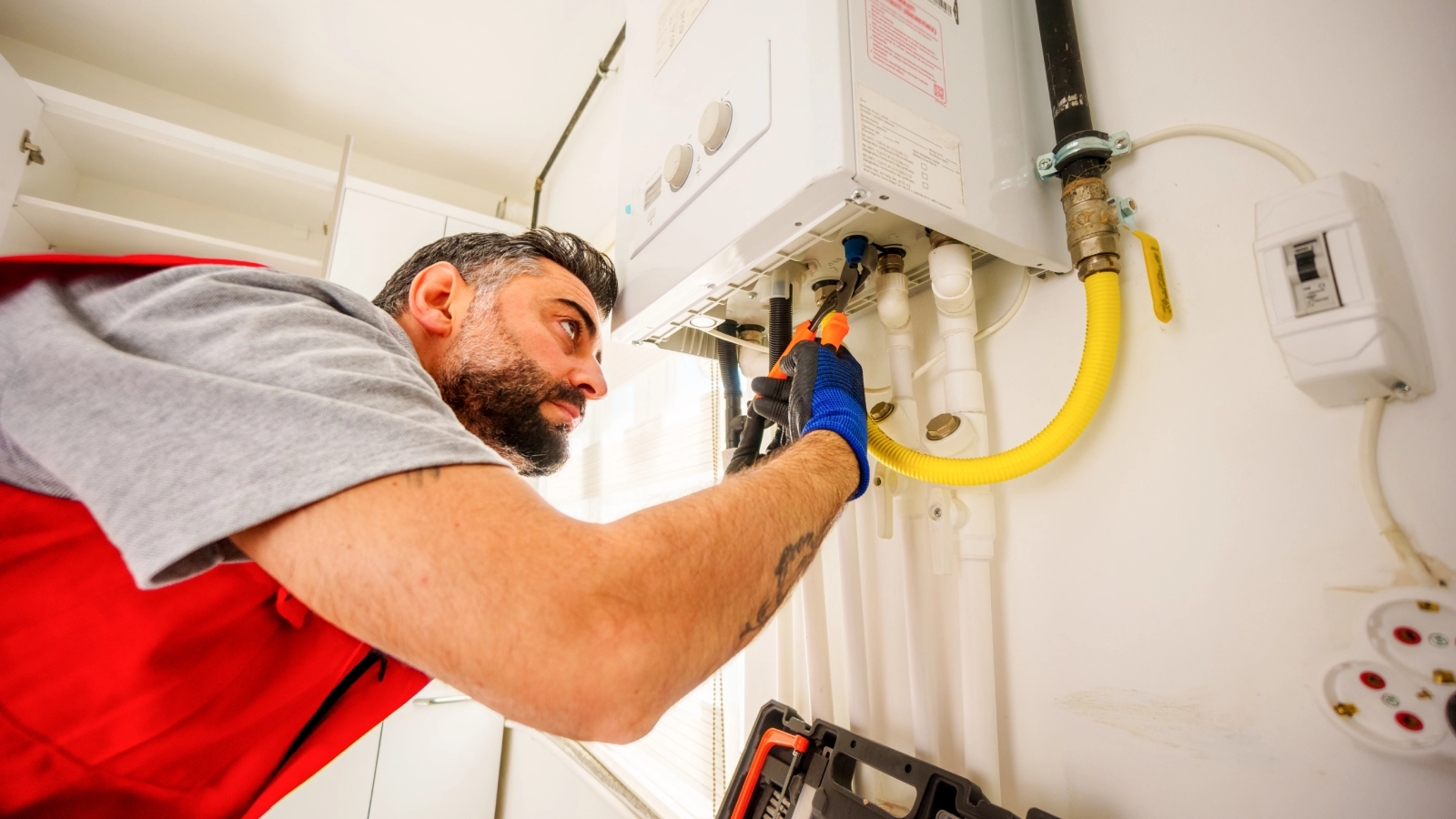
Choosing the Right Boiler Size for Your Home
Should I Keep The Boiler Running Continuously?
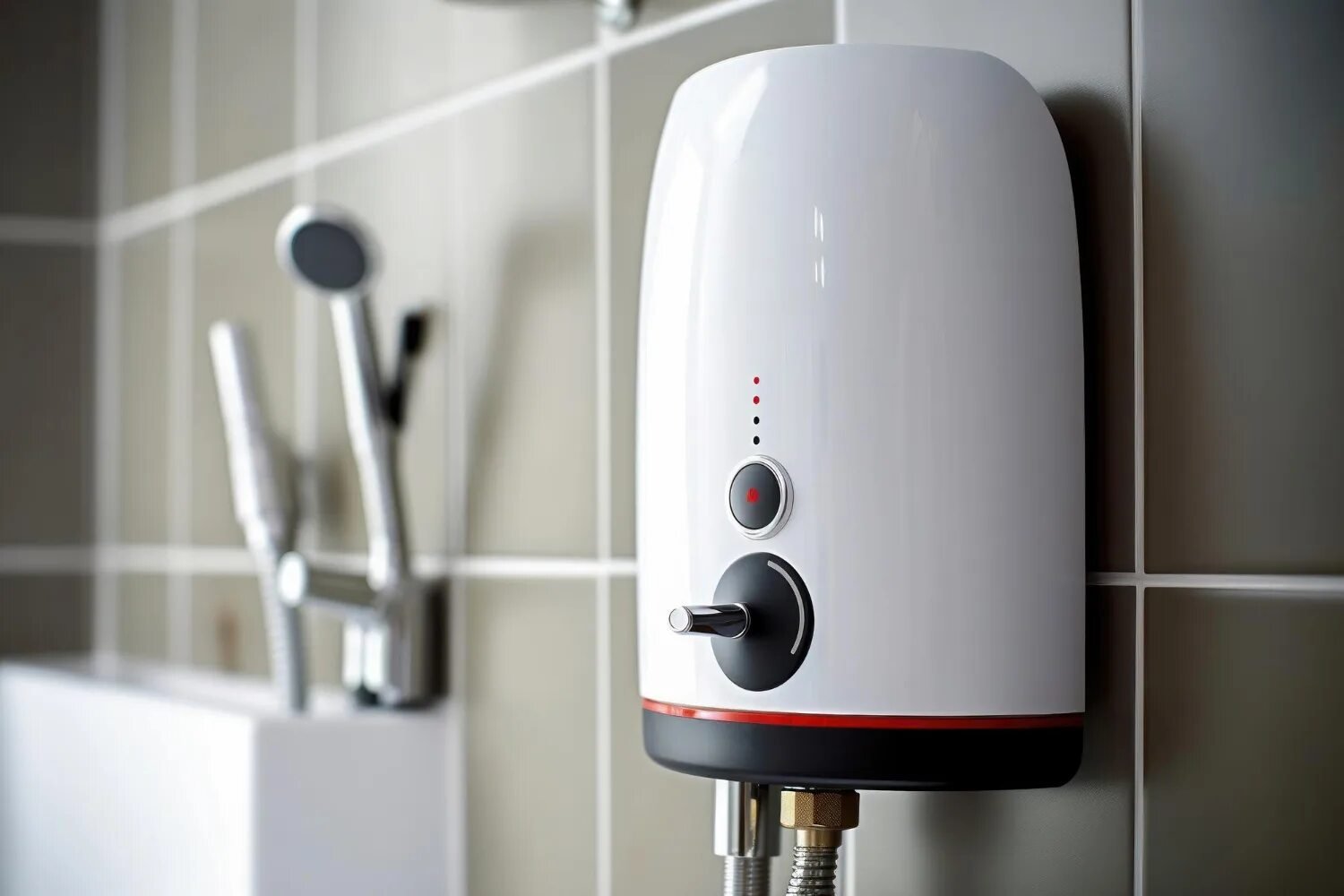
Noisy Boiler: Possible Causes And Solutions
The Importance of the Expansion Tank