Safety Gloves: A Small Tool, Big Protection
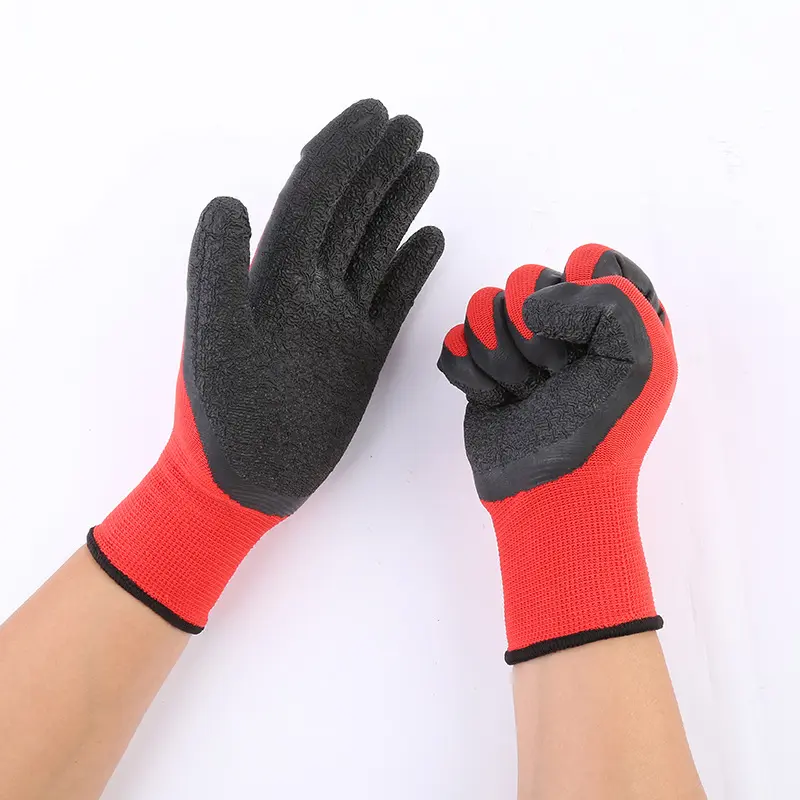
Safety Gloves and Their Importance
Safety gloves are an essential part of personal protective equipment (PPE) and serve as the first line of defense against a wide range of occupational hazards. From construction sites to laboratories, the proper use of safety gloves can significantly reduce the risk of hand injuries. This article explores the absolute necessity of safety gloves, presents compelling statistics on hand injuries, describes different types of safety gloves and their specific applications, highlights common mistakes workers make when using gloves, and concludes with best practices for achieving maximum hand protection.
Why are safety gloves important at work?
Hands are indispensable tools in almost every profession, yet they are also among the most vulnerable to injuries. Safety gloves are designed to protect workers from a variety of hazards, including:
- Cuts and lacerations: Working with sharp tools or materials can cause serious injuries. Cut-resistant gloves help prevent such damage.
- Burns: Exposure to high temperatures or chemicals can result in burns. Heat-resistant gloves protect hands from excessive heat, while chemical-resistant gloves prevent chemical burns.
- Chemical exposure: In industries dealing with hazardous substances, gloves act as a protective barrier, preventing harmful chemicals from being absorbed through the skin.
- Punctures and abrasions: Tasks involving rough or sharp objects can lead to puncture wounds or abrasions. In such cases, puncture-resistant gloves are essential.
By reducing these risks, safety gloves not only protect individual workers but also improve overall workplace safety and productivity.
Statistics on Hand Injuries and Glove Use
The importance of safety gloves is highlighted by alarming statistics on hand injuries:
- At Northwestern University in 2023, hand injuries accounted for 32% of all injuries. Over ten years, 370 hand-related injuries resulted in more than 1,000 lost workdays and approximately 3,000 restricted workdays.
- According to the U.S. Bureau of Labor Statistics, 186,830 non-fatal occupational injuries to hands and wrists resulted in days away from work.
- A report published by Industrial Safety and Hygiene News (ISHN) found that 70% of workers who suffered hand injuries were not wearing gloves at the time.
- The financial impact is significant: lacerations cost approximately $40,023, punctures $47,703, fractures $101,833, and crushing injuries $118,769 per incident.
These figures emphasize the critical need for proper glove use to prevent injuries and associated costs.
Common mistakes workers make when using gloves
- Not wearing gloves: As mentioned earlier, a significant portion of hand injuries occurs because workers neglect to wear gloves.
- Using the wrong type of gloves: Gloves that are not suited to the specific hazard can lead to injuries. For example, using latex gloves when handling chemicals may not provide adequate protection.
- Poor fit: Gloves that are too tight can restrict movement, while loose gloves can reduce dexterity and increase the risk of accidents.
- Neglecting maintenance: Failing to check gloves for wear and tear or not replacing damaged gloves can render them ineffective.
- Improper removal: Incorrect removal of gloves, especially in environments with hazardous substances, can lead to contamination.
Conclusion
Safety gloves are an indispensable element of workplace safety, providing protection against numerous hazards. Statistics on hand injuries highlight the importance of their proper use. By understanding the specific risks associated with different tasks and selecting the appropriate gloves, workers can significantly reduce the likelihood of injuries. Additionally, fostering a culture of safety through training and adherence to best practices not only ensures individual well-being but also enhances overall productivity and reduces financial losses caused by workplace injuries.
Other Manufacturing Sectors
Insulated vs Non-Insulated flexible ducting | Buyer's guide
10 Key Factors to Consider When Choosing a Good Industrial Steam Boiler
10 Smart Ways to Improve Home Energy Efficiency Without Replacing Your Boiler

The importance of proper mechanical process installations

What are VRF systems and which buildings are they suitable for?

Advantages of insulated air ducts and why they are important

Energy-efficient heating systems: Which solutions are the most effective?

What are MEP systems and why are they important in construction projects?

The role of ventilation systems in creating a healthy and comfortable environment

Thermal Insulation: What Is It and How Is It Used?

What are accumulation tanks and why are they worth using?

Ofislərdə düzgün soyutma sistemi məhsuldarlığa necə təsir edir?

HVAC sistemlərinin ağıllı ev sistemləri ilə inteqrasiyası

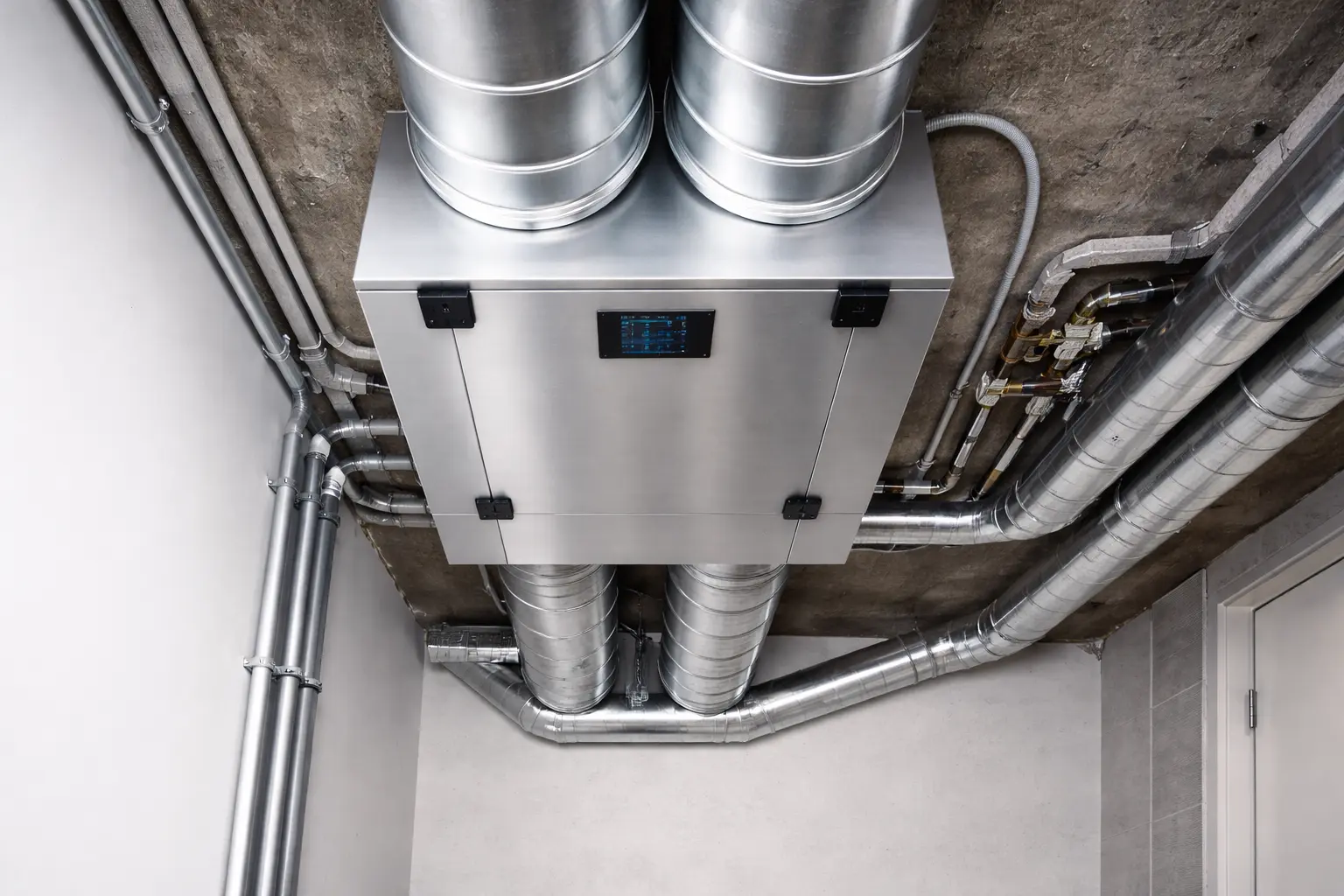
Breathing made easy: the undeniable benefits of a home ventilation system.
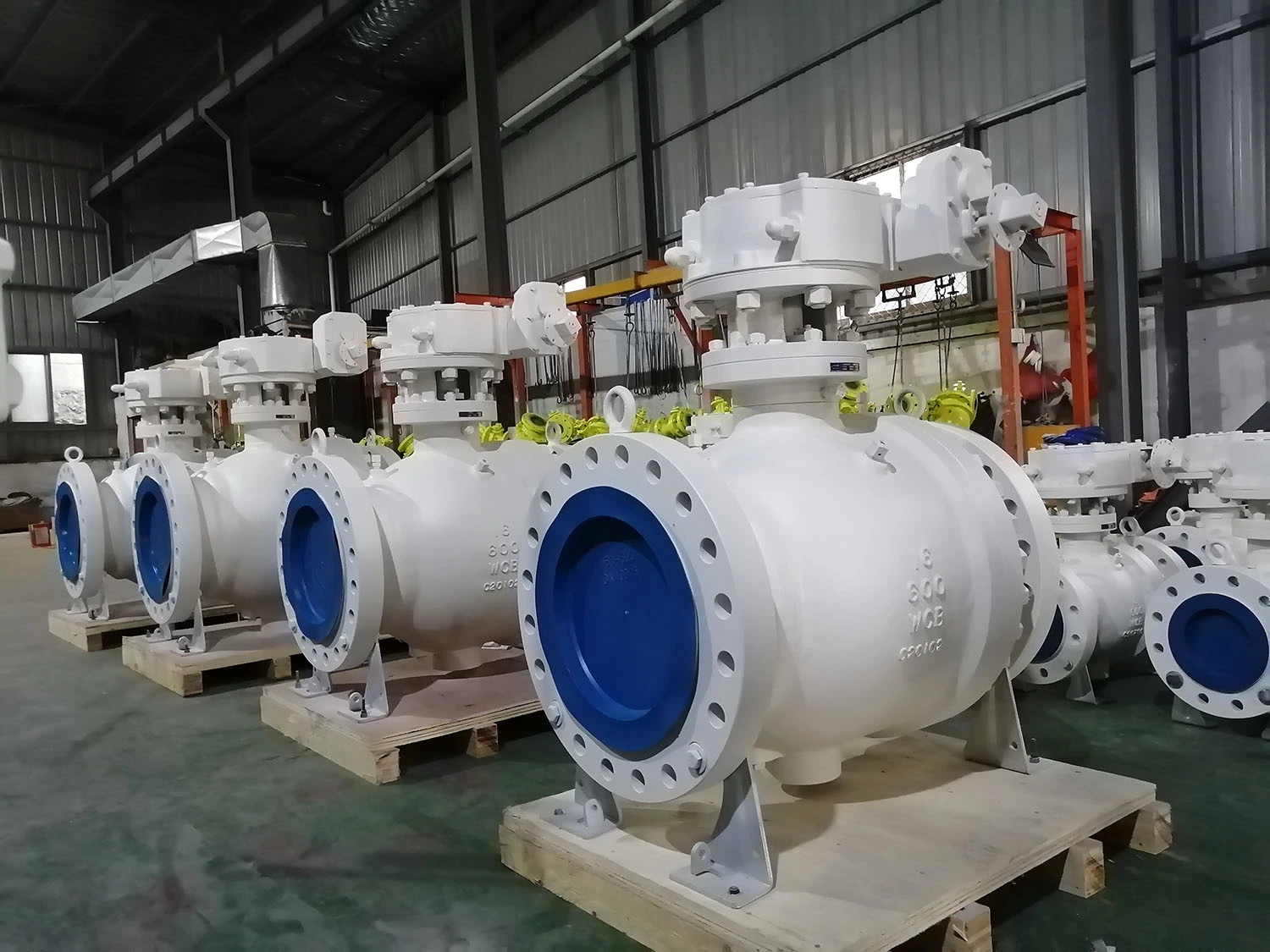
What are ball valves and how do they work?
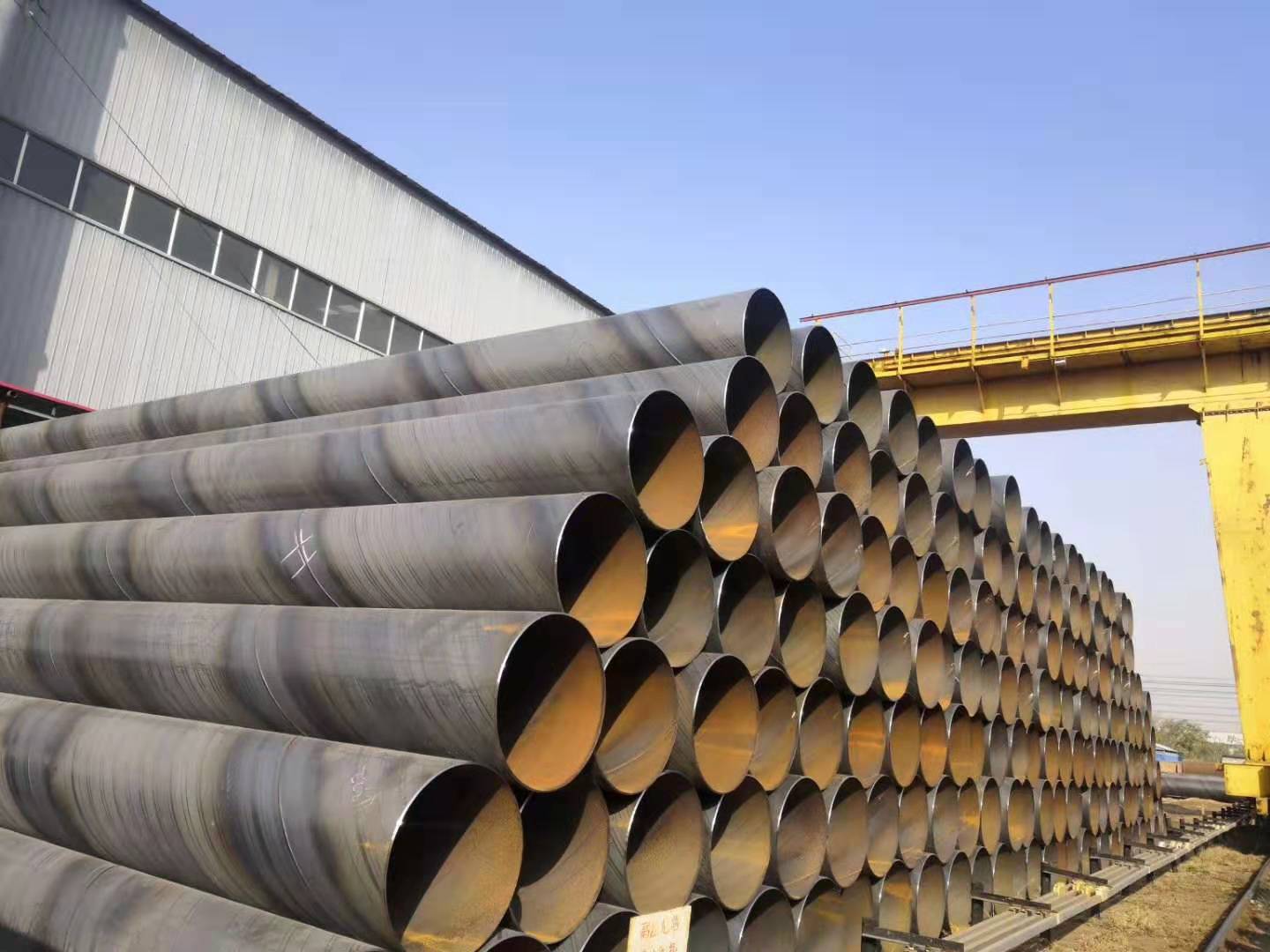
Comparison of threaded pipe and welded pipe: which is better for your project?
The role of ventilation in ensuring fire safety and smoke control.
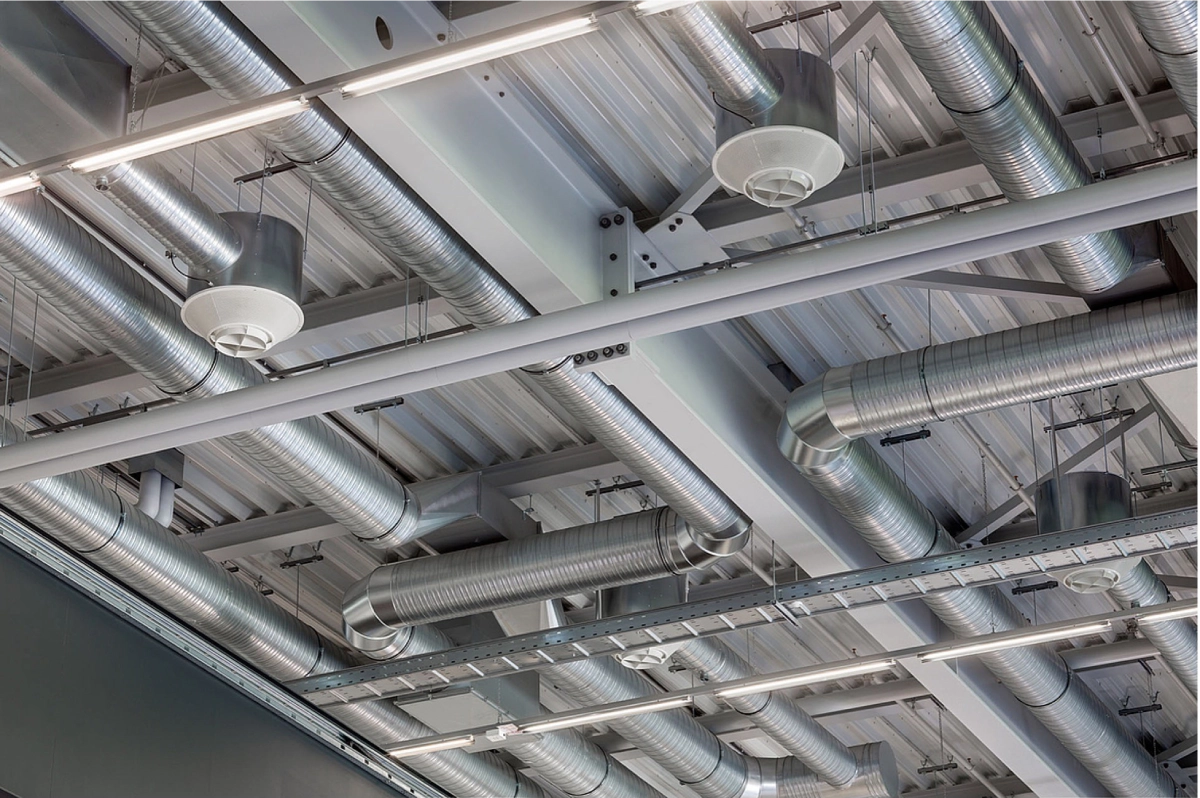
How good air circulation improves your shopping experience?
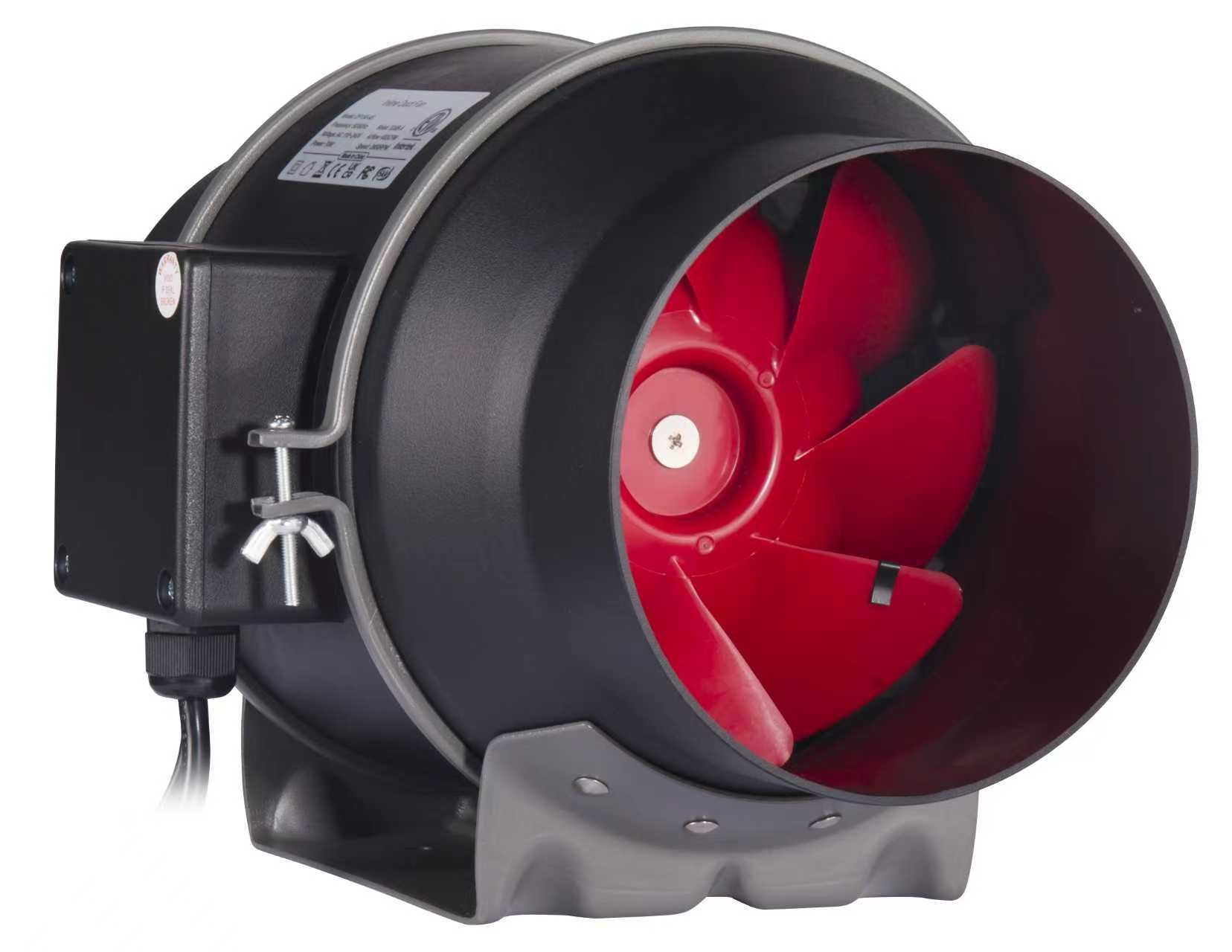
Duct fans: comprehensive applications and points to consider
Ventilation in hospitals and healthcare facilities

Boiler or stove: how to decide?
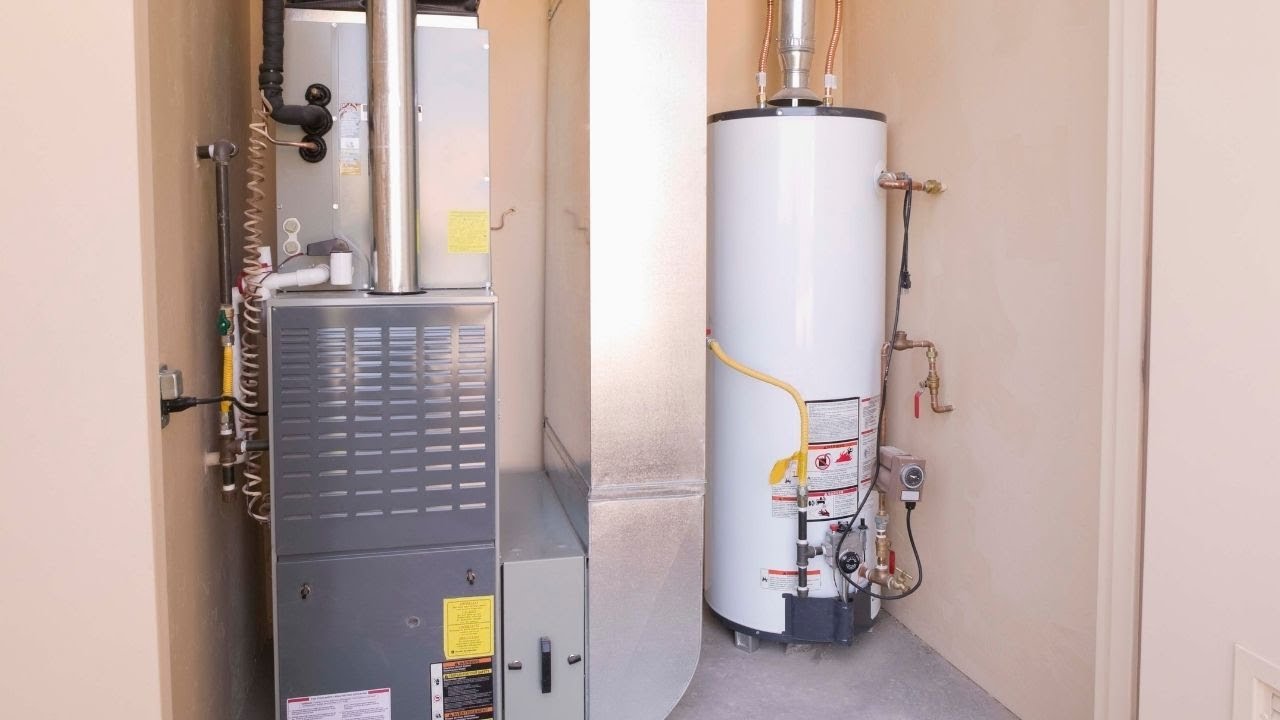
What type of heating is best for an old house?
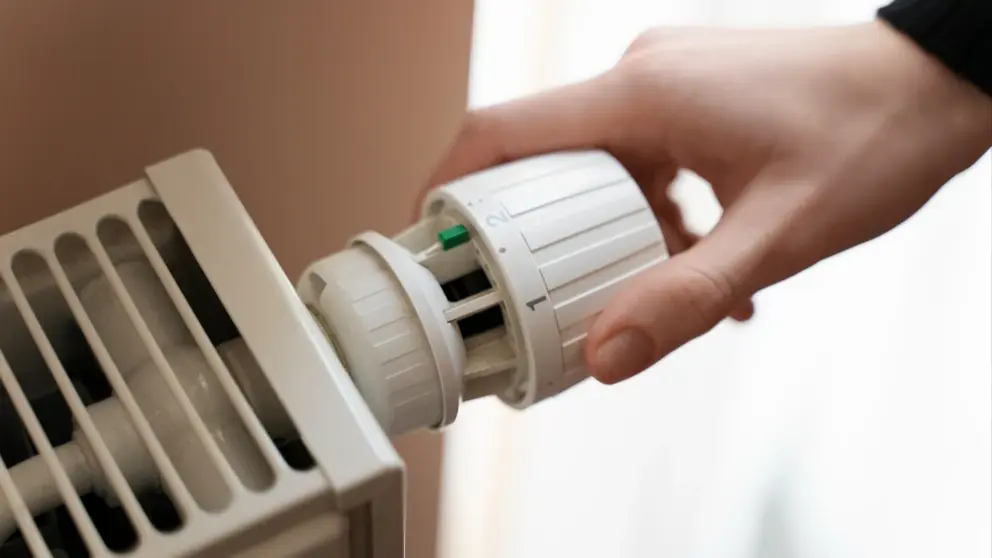
How to calculate the required boiler capacity?

Boiler pressure keeps dropping — what is the reason?
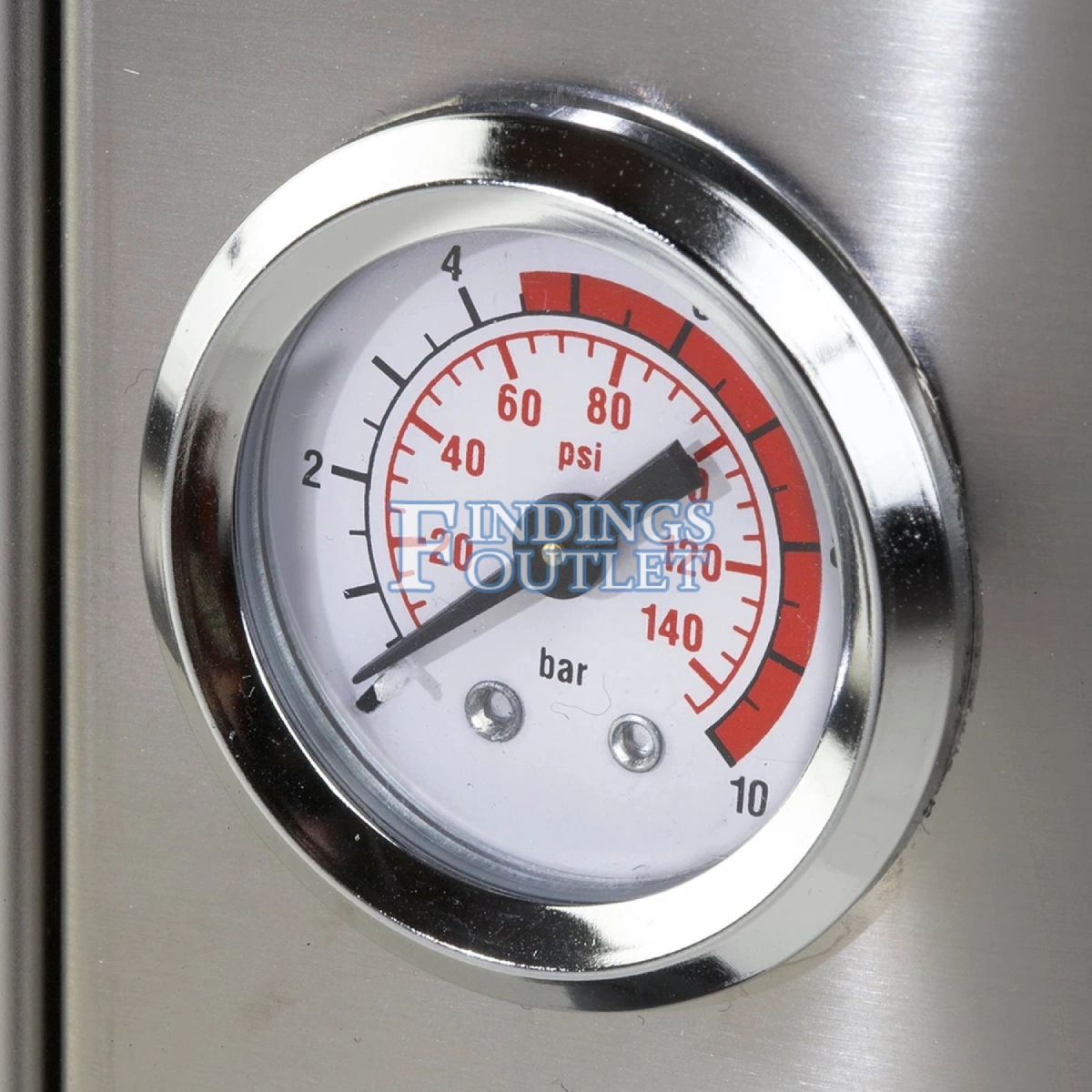
Why Does My Boiler Keep Turning Off?
Boiler Size; This Really Matters
Choosing the Right Boiler Size for Your Home

Should I Keep The Boiler Running Continuously?

Noisy Boiler: Possible Causes And Solutions
The Importance of the Expansion Tank