Measurement Equipment and Safety Valves: Safety and Control in Heating Systems
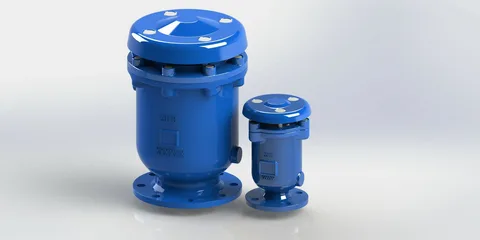
Safety and accurate monitoring are essential in heating and boiler room systems. Measurement equipment and safety valves help monitor key parameters such as pressure and temperature while protecting equipment from potentially dangerous pressure increases.
What Is a Safety Valve?
A safety valve is a protective device that automatically opens when system pressure exceeds a predetermined limit. It releases excess pressure and helps protect boilers, pipelines, and other equipment from damage.
Once the pressure returns to a safe level, the valve closes and the system can continue operating normally.
Main Types of Safety Valves
Different safety valve technologies are used depending on system requirements:
- Spring-loaded safety valves – respond quickly to sudden pressure increases and are widely used in boiler systems.
- Pilot-operated safety valves – provide precise pressure control and are suitable for high-pressure applications.
- Balanced bellows valves – designed to maintain reliable operation when backpressure conditions vary.
- Thermal relief valves – protect systems from pressure increases caused by thermal expansion.
The Role of Measurement Equipment
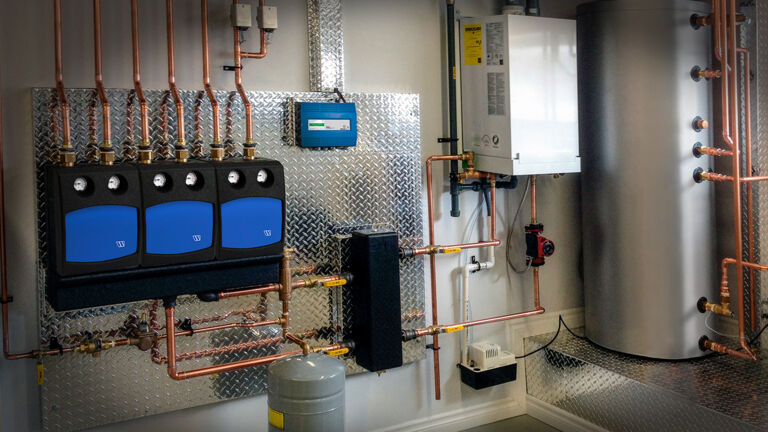
Pressure gauges, thermometers, and other measuring instruments allow operators to monitor important system parameters. Regular monitoring of pressure and temperature helps identify potential problems early and supports safe equipment operation.
Why Proper Selection Matters
When selecting safety valves and measurement equipment, factors such as operating pressure, temperature, process fluid, flow rate, and system requirements should be considered. Incorrect sizing or unsuitable equipment can affect system reliability, efficiency, and safety.
Conclusion
Measurement equipment and safety valves play an important role in ensuring the safe, stable, and controlled operation of heating and boiler room systems. Proper selection and professional installation can improve system reliability and reduce operational risks.
Other Manufacturing Sectors
Measurement Equipment and Safety Valves: Safety and Control in Heating Systems
The Role and Importance of Expansion Tanks in Heating Systems
6 signs your building needs better ventilation

How to choose the right ductwork?
Types of Bolts: Components, Sizes, and Applications
Threaded Rod: Types, Applications, and Selection Guide
The importance of material selection in mechanical engineering: Ensuring optimal performance and longevity
Insulated vs Non-Insulated flexible ducting | Buyer's guide
10 Key Factors to Consider When Choosing a Good Industrial Steam Boiler
10 Smart Ways to Improve Home Energy Efficiency Without Replacing Your Boiler
The importance of proper mechanical process installations

What are VRF systems and which buildings are they suitable for?
Advantages of insulated air ducts and why they are important
Energy-efficient heating systems: Which solutions are the most effective?
What are MEP systems and why are they important in construction projects?
The role of ventilation systems in creating a healthy and comfortable environment

Thermal Insulation: What Is It and How Is It Used?

What are accumulation tanks and why are they worth using?
Ofislərdə düzgün soyutma sistemi məhsuldarlığa necə təsir edir?

HVAC sistemlərinin ağıllı ev sistemləri ilə inteqrasiyası
Breathing made easy: the undeniable benefits of a home ventilation system.
What are ball valves and how do they work?
Comparison of threaded pipe and welded pipe: which is better for your project?
The role of ventilation in ensuring fire safety and smoke control.
How good air circulation improves your shopping experience?
Duct fans: comprehensive applications and points to consider
Ventilation in hospitals and healthcare facilities
Boiler or stove: how to decide?
What type of heating is best for an old house?
How to calculate the required boiler capacity?