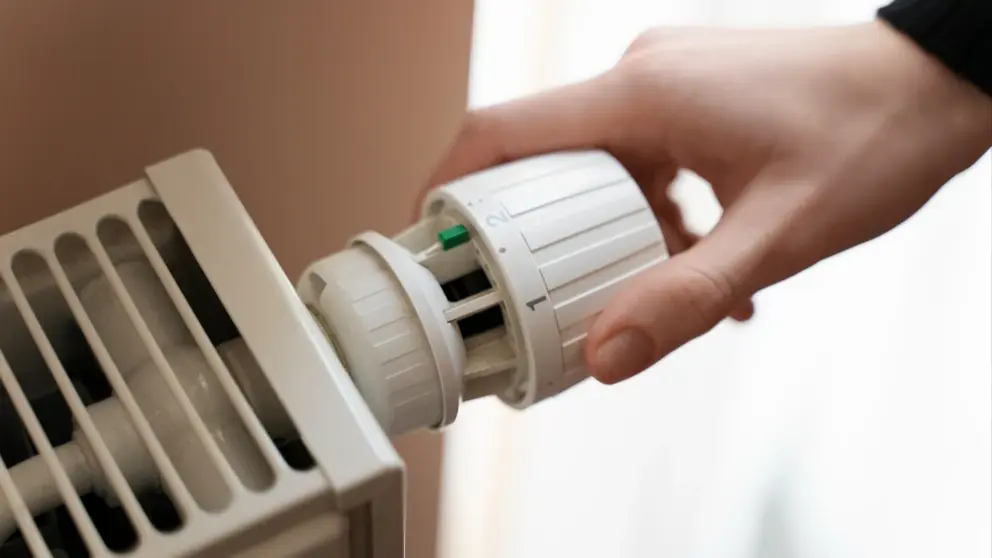
What is a boiler room system and how do you choose the right equipment for your project?
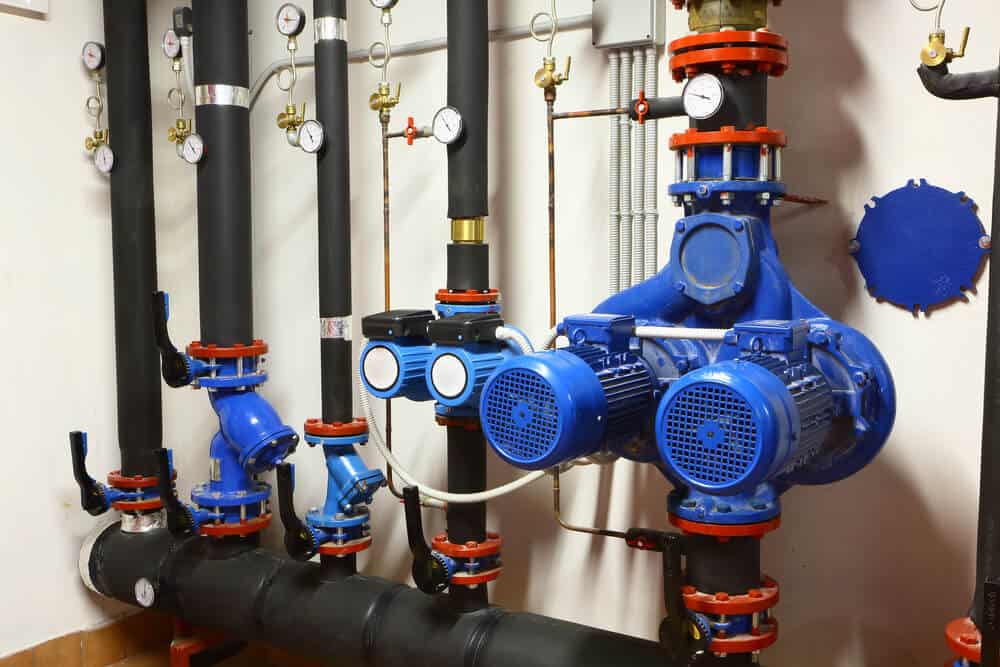
When managing or owning commercial real estate, the boiler room concept frequently comes up because it plays a critical role in maintaining a building's comfort, safety, and operational efficiency.
Let's take a closer look at what boiler rooms are and why they are important for building management. We'll also explore practical strategies for optimizing boiler room operations, reducing utility costs, and improving tenant satisfaction.
Understanding the Boiler Room
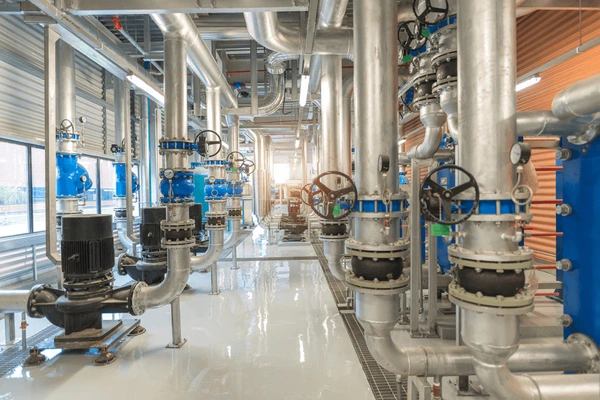
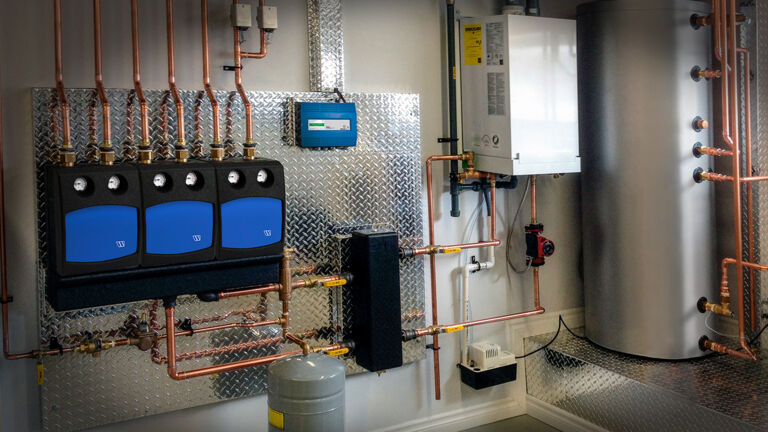
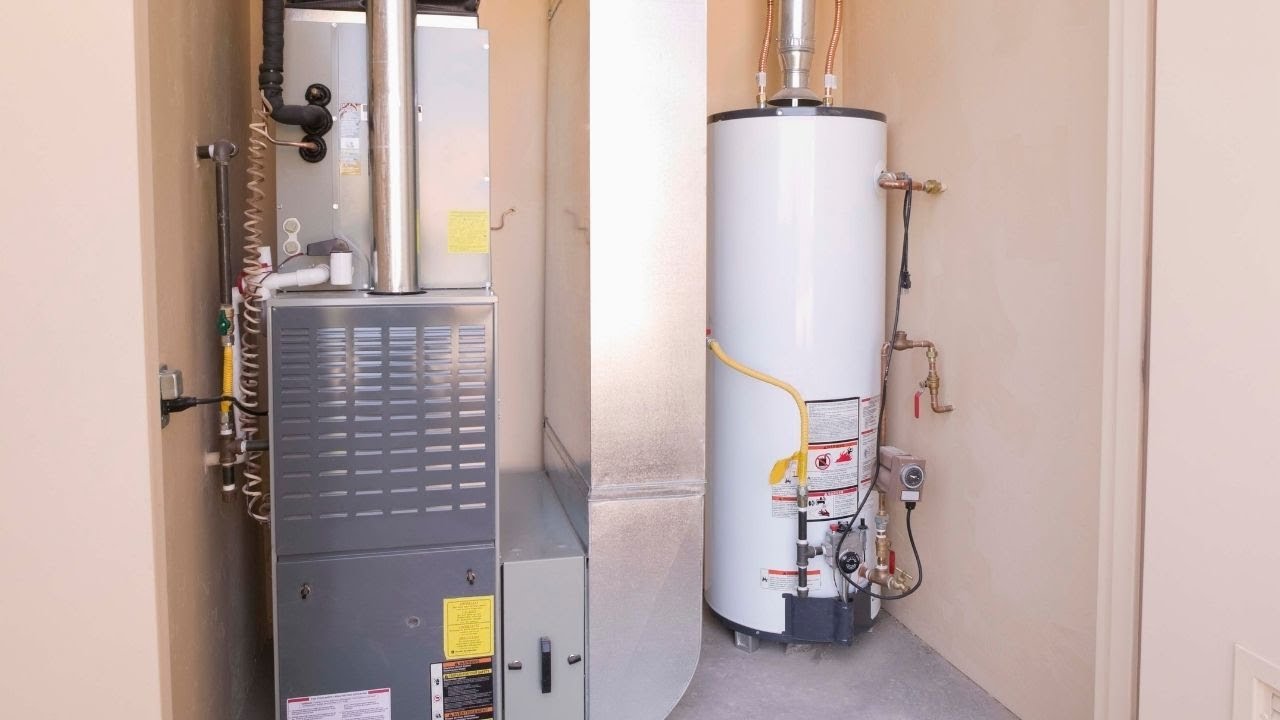
A boiler room houses the boilers and associated equipment needed to generate steam or hot water for heating buildings and supplying hot water throughout the facility.
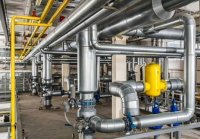
This space typically includes boilers, pumps, valves, feedwater tanks, exhaust stacks, and various control systems. All of these components work together to ensure safe and efficient heat production.
The size and complexity of a boiler room can vary significantly depending on the building's heating requirements. These requirements are influenced by the available space, energy-efficiency goals, and the specific needs of the facility.
The primary role of a boiler room extends beyond simply providing consistent heating and hot water. It also has a direct impact on a building's energy consumption and operating costs.
A properly managed and efficient boiler room can significantly reduce energy waste, lower utility bills, and contribute to environmental sustainability.
Safety and regulatory compliance are also critical aspects of boiler room management. Regular inspections and maintenance are essential for preventing accidents, extending equipment life, and complying with local regulations. These measures help protect both your investment and the well-being of building occupants.
Optimizing Boiler Room Operations
Optimizing boiler room operations requires routine maintenance, technology upgrades, and proper staff training.
Scheduled maintenance inspections are essential for identifying and addressing potential problems early, ensuring that the boiler operates at peak efficiency.
Modern technologies, particularly smart boiler control systems, play an important role in improving boiler room efficiency.
Advanced control systems and automation can significantly optimize energy consumption and improve equipment performance.
At the same time, ensuring that staff have the proper knowledge to operate and maintain boiler room equipment is essential for reducing risks and improving operational efficiency.
Building managers often face challenges such as aging equipment, fluctuating energy costs, and adapting to changing regulations. These factors can affect both the efficiency and safety of a boiler room.
However, technological advancements provide new solutions to these challenges. Energy management systems, for example, provide real-time data that can be used to optimize boiler performance.
Retrofitting older boilers with modern control systems can also significantly extend their operational life.
Analyzing successful boiler room projects can provide valuable insights into the benefits of energy-efficient boilers, predictive maintenance strategies, and ongoing staff training.
Making the Boiler Room Work for Your Building
When looking to improve your building's efficiency, it is important to consider how much energy it consumes and how much carbon it emits.
A significant amount of energy used in buildings can be wasted because of inefficient management systems and outdated equipment. One of the key sources of this waste is the boiler room, particularly outdated control systems that have not been upgraded for decades.
Smart boiler controls are changing the way buildings manage energy. These advanced systems use sensors and intelligent control platforms to reduce energy waste and make buildings safer, more reliable, and more comfortable.
Modern wireless heating controls can often be installed faster and at a lower cost than traditional systems. Because of the energy savings they provide, these systems can often pay for themselves within a relatively short period of time.
Historically, particularly following the 1918 Spanish flu pandemic, buildings were intentionally kept warmer. The idea was to encourage people to open windows and bring fresh air indoors to help reduce the spread of disease.
However, when the oil crisis hit in the 1970s and energy costs increased, building owners began looking for ways to reduce heating expenses. This led to the development and adoption of outdoor reset controls, which adjust heating based on outdoor temperatures.
Despite these improvements, many buildings today still rely on outdated control systems. As a result, energy is wasted and some rooms may become too hot while others remain too cold.
Smart boiler controls take this technology a step further by using sensors inside the building and weather forecast data to adjust heating more precisely.
These systems can help reduce fuel and energy costs while improving comfort in living and working spaces. They can also continuously monitor the heating system, helping identify hidden leaks and other problems early to reduce energy waste and prevent potential damage.
By switching to smart boiler controls, building managers gain a much clearer view of how their heating systems are performing.
They can make real-time adjustments based on the latest information, reduce energy consumption, improve compliance with safety requirements, and prevent major problems. Ultimately, this creates a more comfortable environment for building occupants and tenants.
Want to learn more about how smart heating controls can reduce your energy costs? Contact a professional heating systems specialist to learn more about your options.
Other Manufacturing Sectors
What is a boiler room system and how do you choose the right equipment for your project?
Measurement Equipment and Safety Valves: Safety and Control in Heating Systems
The Role and Importance of Expansion Tanks in Heating Systems
6 signs your building needs better ventilation

How to choose the right ductwork?
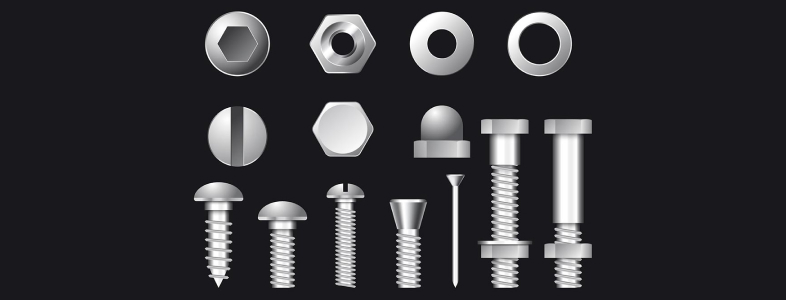
Types of Bolts: Components, Sizes, and Applications
Threaded Rod: Types, Applications, and Selection Guide
The importance of material selection in mechanical engineering: Ensuring optimal performance and longevity
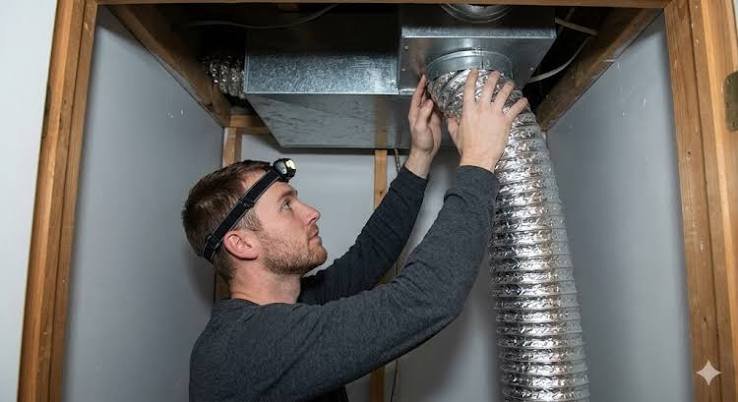
Insulated vs Non-Insulated flexible ducting | Buyer's guide
10 Key Factors to Consider When Choosing a Good Industrial Steam Boiler
10 Smart Ways to Improve Home Energy Efficiency Without Replacing Your Boiler
The importance of proper mechanical process installations
What are VRF systems and which buildings are they suitable for?
Advantages of insulated air ducts and why they are important
Energy-efficient heating systems: Which solutions are the most effective?
What are MEP systems and why are they important in construction projects?
The role of ventilation systems in creating a healthy and comfortable environment

Thermal Insulation: What Is It and How Is It Used?

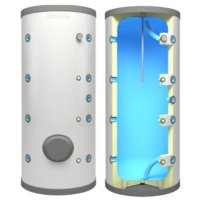
What are accumulation tanks and why are they worth using?
Ofislərdə düzgün soyutma sistemi məhsuldarlığa necə təsir edir?

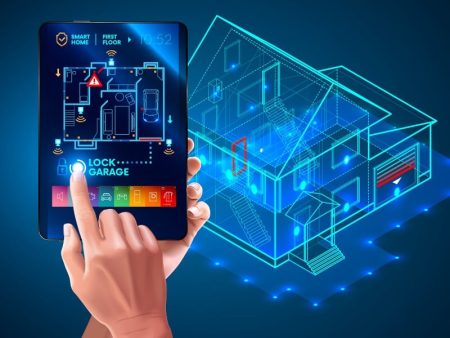
HVAC sistemlərinin ağıllı ev sistemləri ilə inteqrasiyası
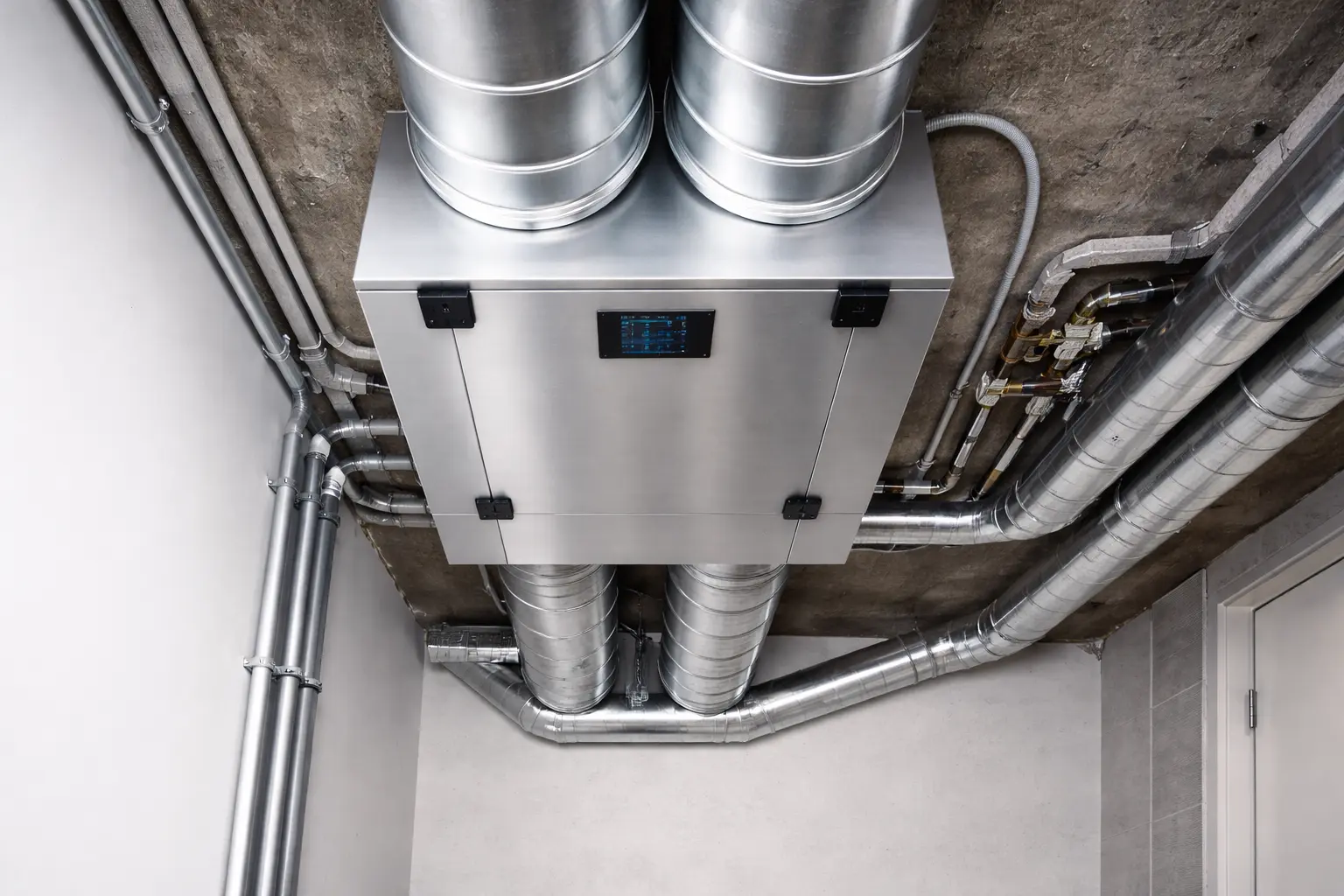
Breathing made easy: the undeniable benefits of a home ventilation system.
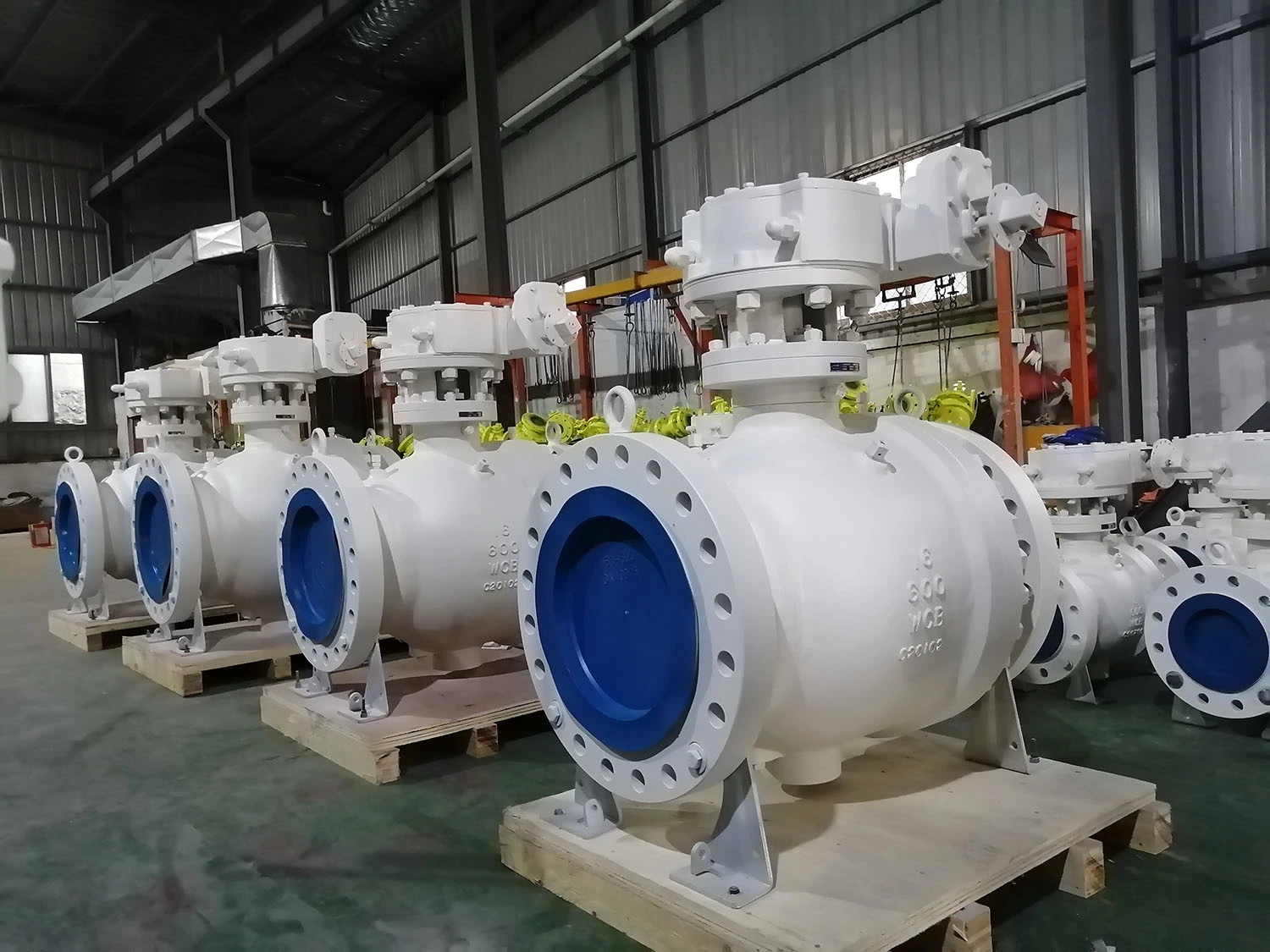
What are ball valves and how do they work?
Comparison of threaded pipe and welded pipe: which is better for your project?
The role of ventilation in ensuring fire safety and smoke control.
How good air circulation improves your shopping experience?
Duct fans: comprehensive applications and points to consider
Ventilation in hospitals and healthcare facilities
Boiler or stove: how to decide?
What type of heating is best for an old house?