The importance of material selection in mechanical engineering: Ensuring optimal performance and longevity

The Importance of Material Selection in Mechanical Engineering: Ensuring Optimal Performance and Longevity
In mechanical engineering, the choice of materials can determine the success or failure of a project. Every material used in a design—from the smallest component in a machine to the structural elements of a massive bridge—affects how well the final product performs, how long it lasts, and how efficiently it operates. In this article, we will take a closer look at why material selection is so important in mechanical engineering, the key factors to consider, and the potential risks of making the wrong choice.
Why Material Selection Matters
Choosing the right material is one of the most critical steps in the design process. The properties of a material directly affect how well a product functions, how durable it is, and how safe it remains throughout its service life. A well-selected material can improve product performance, reduce costs, and help ensure safety. In contrast, choosing the wrong material can lead to premature failure, expensive repairs, or even serious accidents. Take a high-performance engine as an example. The materials selected for its components must withstand extreme temperatures, pressures, and mechanical stresses. If the material is not sufficiently heat-resistant or strong enough, the engine may fail prematurely, potentially resulting in dangerous situations and costly downtime. On the other hand, selecting materials capable of withstanding these demanding conditions ensures that the engine can operate reliably throughout its expected service life.
Key Factors to Consider in Material Selection
Selecting the most suitable material for a project requires careful evaluation of whether its properties meet the specific requirements of the application. Some of the most important factors include:
Mechanical Properties
Mechanical properties such as tensile strength, hardness, ductility, and toughness help determine whether a material is suitable for a particular application. These properties determine how the material responds to different types of stress, including bending, compression, and impact. For example, components that need to withstand heavy loads may benefit from materials such as steel or titanium alloys because of their high tensile strength. For applications requiring flexibility, such as certain types of hinges, materials with greater ductility, including aluminum alloys, may be more appropriate.
Thermal Properties
Thermal properties such as thermal conductivity, thermal expansion, and heat resistance are particularly important for projects involving high temperatures. For example, copper and aluminum are widely used in cooling systems and heat exchangers because of their high thermal conductivity. In contrast, ceramics and certain plastics with low thermal conductivity can serve as effective insulating materials. For high-temperature applications, materials such as nickel-based superalloys are essential because of their ability to resist thermal degradation.
Corrosion Resistance
Corrosion can have a significant impact on the lifespan and safety of materials. In environments exposed to moisture or chemicals, selecting corrosion-resistant materials such as stainless steel, aluminum, and certain plastics helps ensure that products remain functional and safe over an extended period.
Weight Considerations
Weight is a critical consideration, particularly in industries such as aerospace and automotive manufacturing, where reducing weight can improve performance and fuel efficiency.
Engineers must carefully balance strength and weight. Lightweight materials such as aluminum and composite materials can often provide an effective combination of strength and low weight.
Cost and Availability
Budget and material availability also play an important role in material selection. Although high-performance materials may offer superior properties, they can significantly increase the overall cost of a project. Engineers therefore often need to find a balance between performance and budget, ensuring that materials meet both the technical requirements of the project and its financial constraints.
Environmental Impact
Sustainability is becoming increasingly important in modern engineering. Today, engineers are often required to select materials that minimize environmental impact. This may include choosing recyclable materials or materials with a lower carbon footprint. Using environmentally friendly materials can also improve a company's reputation and help it comply with evolving environmental regulations.
Consequences of Poor Material Selection
Choosing the wrong material can lead to several negative outcomes:
Premature Failure: Materials that cannot withstand mechanical or environmental stresses may fail early, resulting in expensive repairs and potential safety risks.
Increased Costs: Poor material choices can result in frequent component replacements, higher maintenance costs, and potential legal liabilities in the event of accidents.
Performance Issues: Inadequate materials can cause products to perform below expectations. For example, using a material with poor heat resistance in an electronic device can cause overheating and premature failure.
Environmental Harm: Materials with a high environmental impact can damage a company's reputation and create regulatory challenges, particularly when they are difficult to recycle or contribute significantly to pollution.
Case Study: Material Selection in Aerospace
Aerospace engineering provides an excellent example of the importance of proper material selection. Aircraft components must withstand high speeds, temperature fluctuations, and significant mechanical stresses. Materials must be strong while remaining lightweight, resistant to corrosion, and durable enough to maintain their properties over long periods of operation.
Carbon-fiber-reinforced polymers (CFRP) have revolutionized aerospace design. Thanks to their high strength-to-weight ratio and excellent fatigue resistance, CFRP materials are now widely used in aircraft fuselages and wings. However, careful consideration of manufacturing processes and long-term durability was essential for the successful integration of these materials into the aerospace industry.
Informed and well-planned material selection is essential for ensuring the success, performance, and sustainability of any mechanical engineering project. By carefully evaluating mechanical properties, thermal resistance, weight, corrosion resistance, cost, and environmental impact, engineers can create designs that last longer and perform more efficiently. Ultimately, choosing the right material is not simply a technical decision—it is an important factor that affects product quality, operational reliability, safety, maintenance costs, and long-term performance.
Other Manufacturing Sectors
The importance of material selection in mechanical engineering: Ensuring optimal performance and longevity
Insulated vs Non-Insulated flexible ducting | Buyer's guide
10 Key Factors to Consider When Choosing a Good Industrial Steam Boiler
10 Smart Ways to Improve Home Energy Efficiency Without Replacing Your Boiler

The importance of proper mechanical process installations

What are VRF systems and which buildings are they suitable for?

Advantages of insulated air ducts and why they are important

Energy-efficient heating systems: Which solutions are the most effective?

What are MEP systems and why are they important in construction projects?

The role of ventilation systems in creating a healthy and comfortable environment

Thermal Insulation: What Is It and How Is It Used?

What are accumulation tanks and why are they worth using?
Ofislərdə düzgün soyutma sistemi məhsuldarlığa necə təsir edir?

HVAC sistemlərinin ağıllı ev sistemləri ilə inteqrasiyası

Breathing made easy: the undeniable benefits of a home ventilation system.
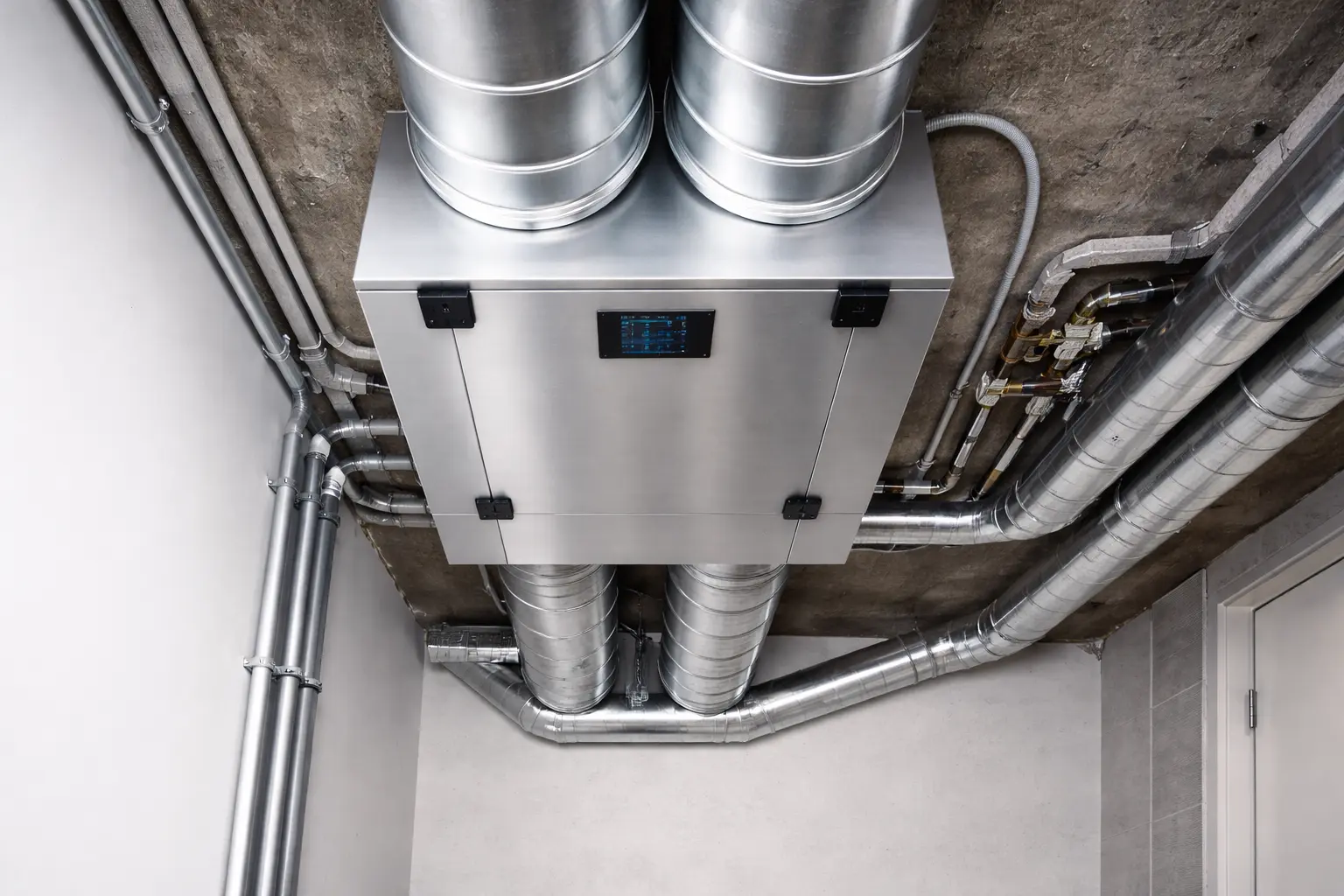
What are ball valves and how do they work?
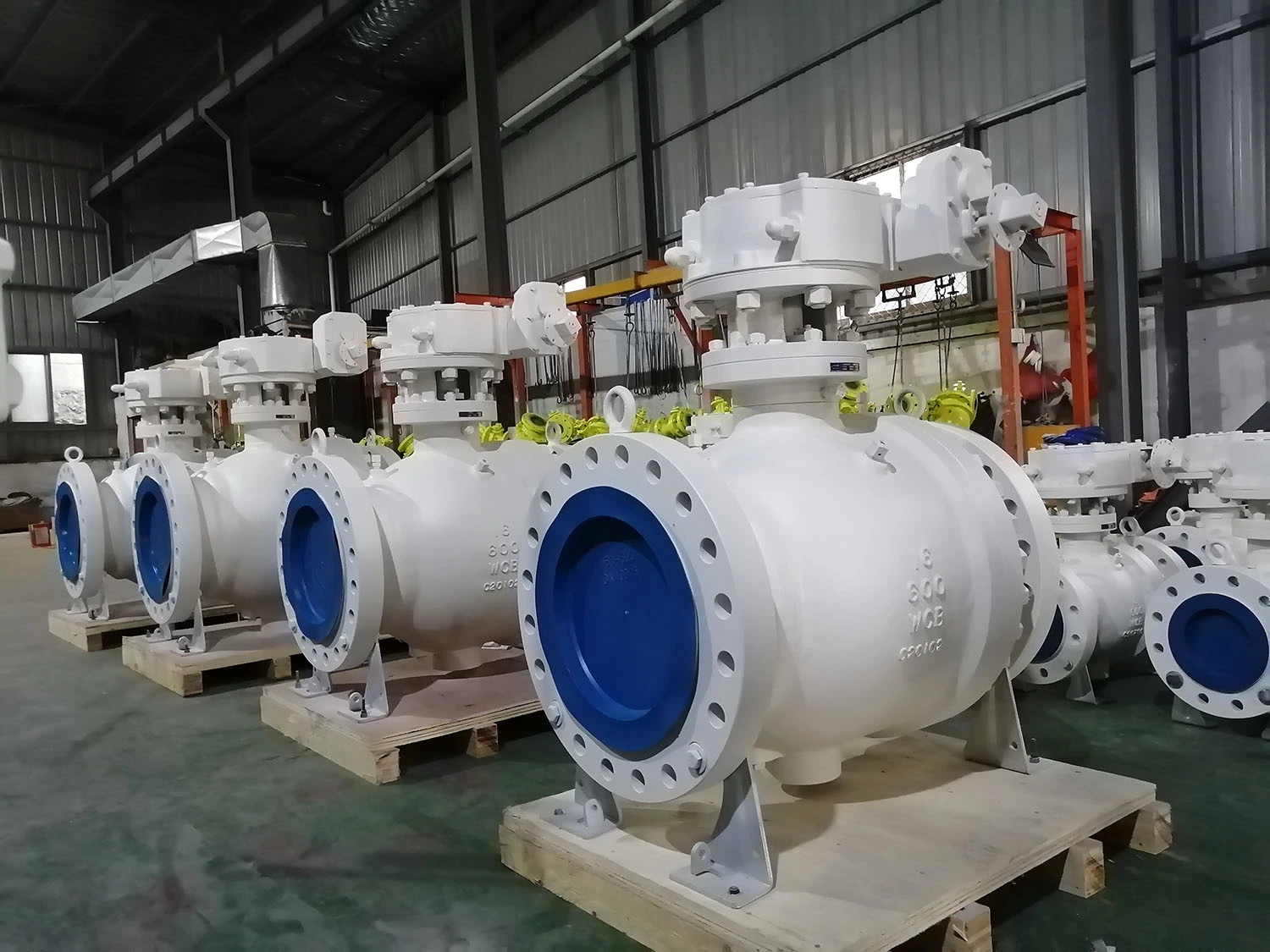
Comparison of threaded pipe and welded pipe: which is better for your project?
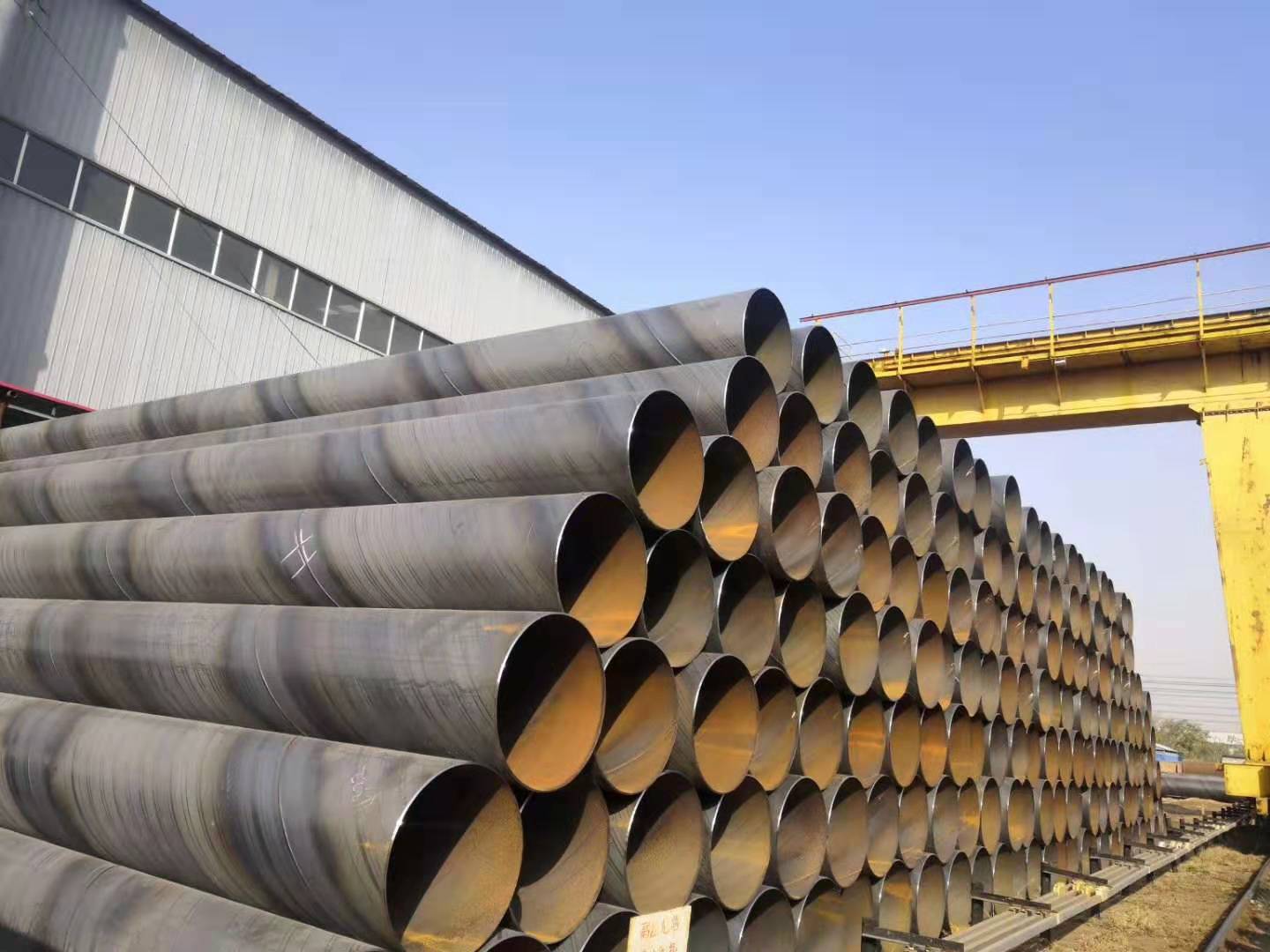
The role of ventilation in ensuring fire safety and smoke control.
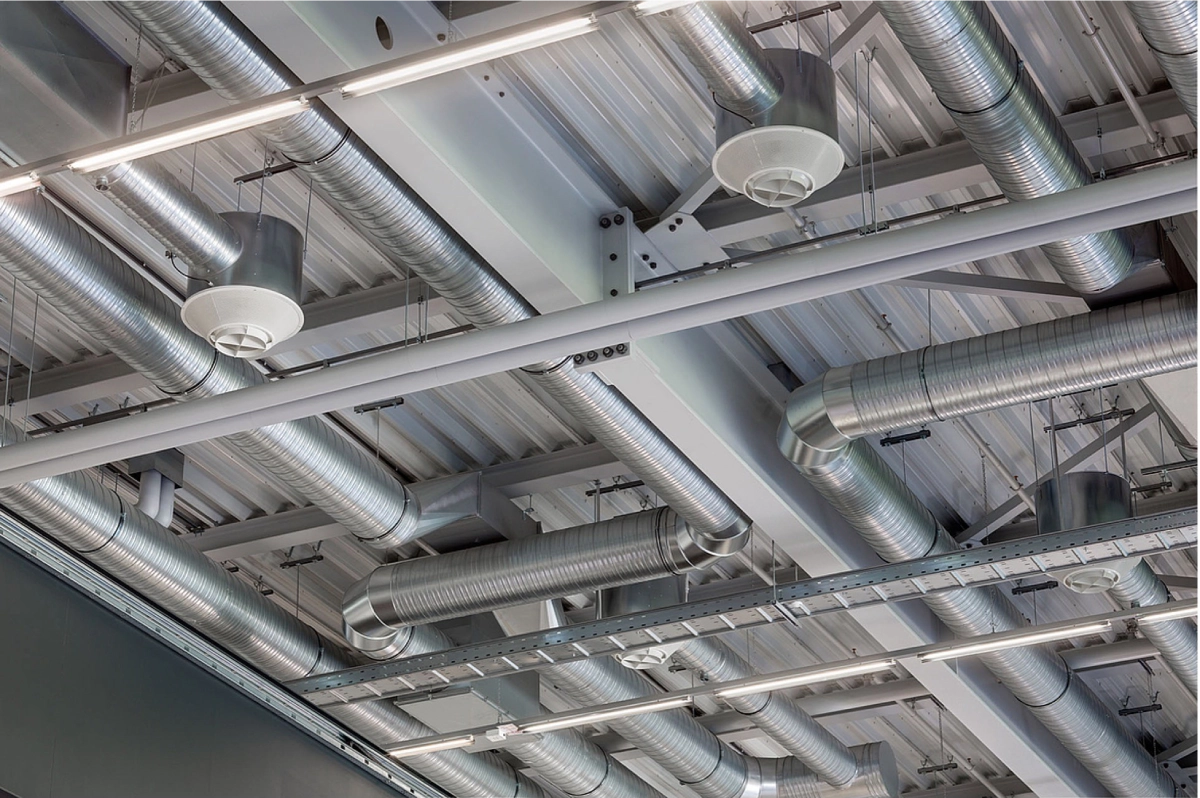
How good air circulation improves your shopping experience?
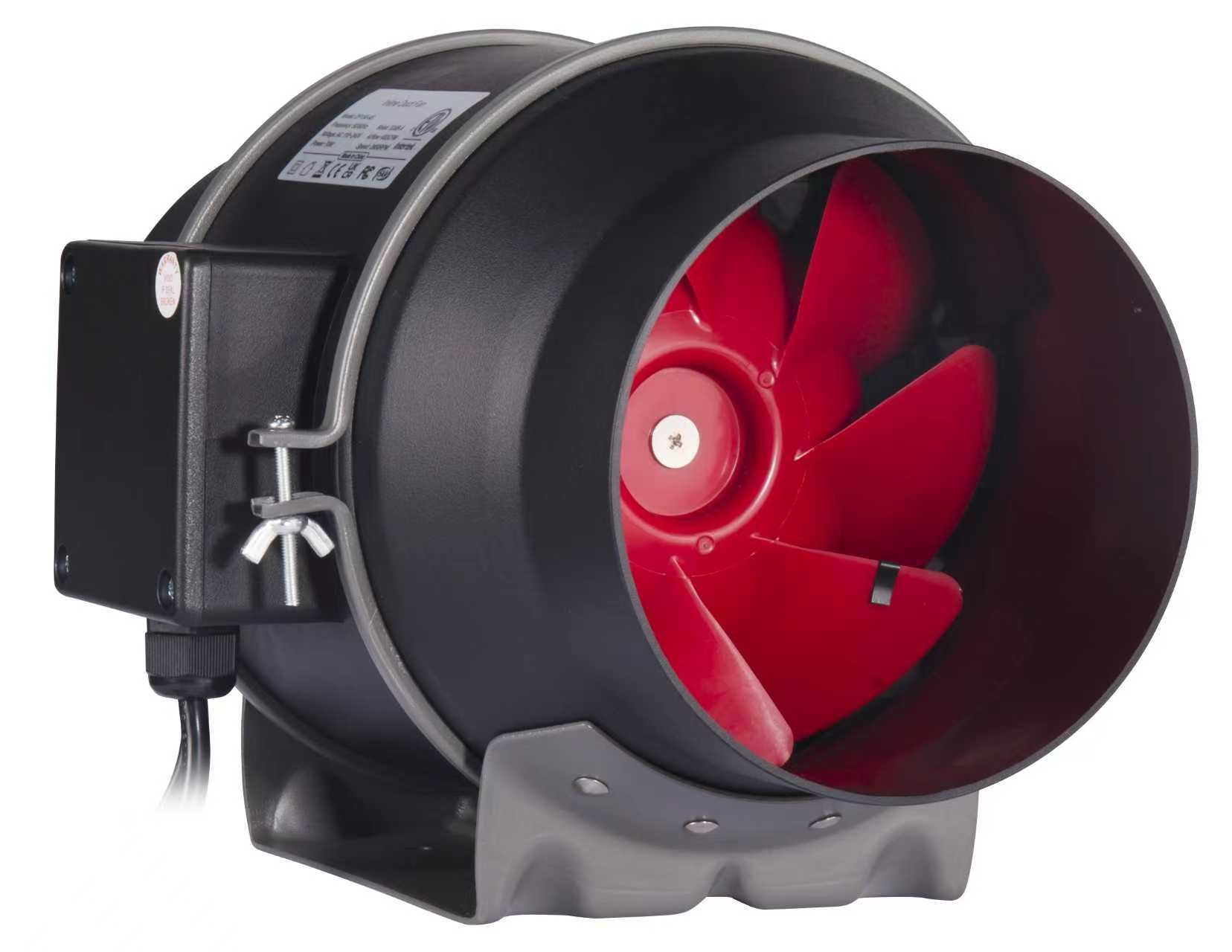
Duct fans: comprehensive applications and points to consider
Ventilation in hospitals and healthcare facilities

Boiler or stove: how to decide?

What type of heating is best for an old house?

How to calculate the required boiler capacity?

Boiler pressure keeps dropping — what is the reason?
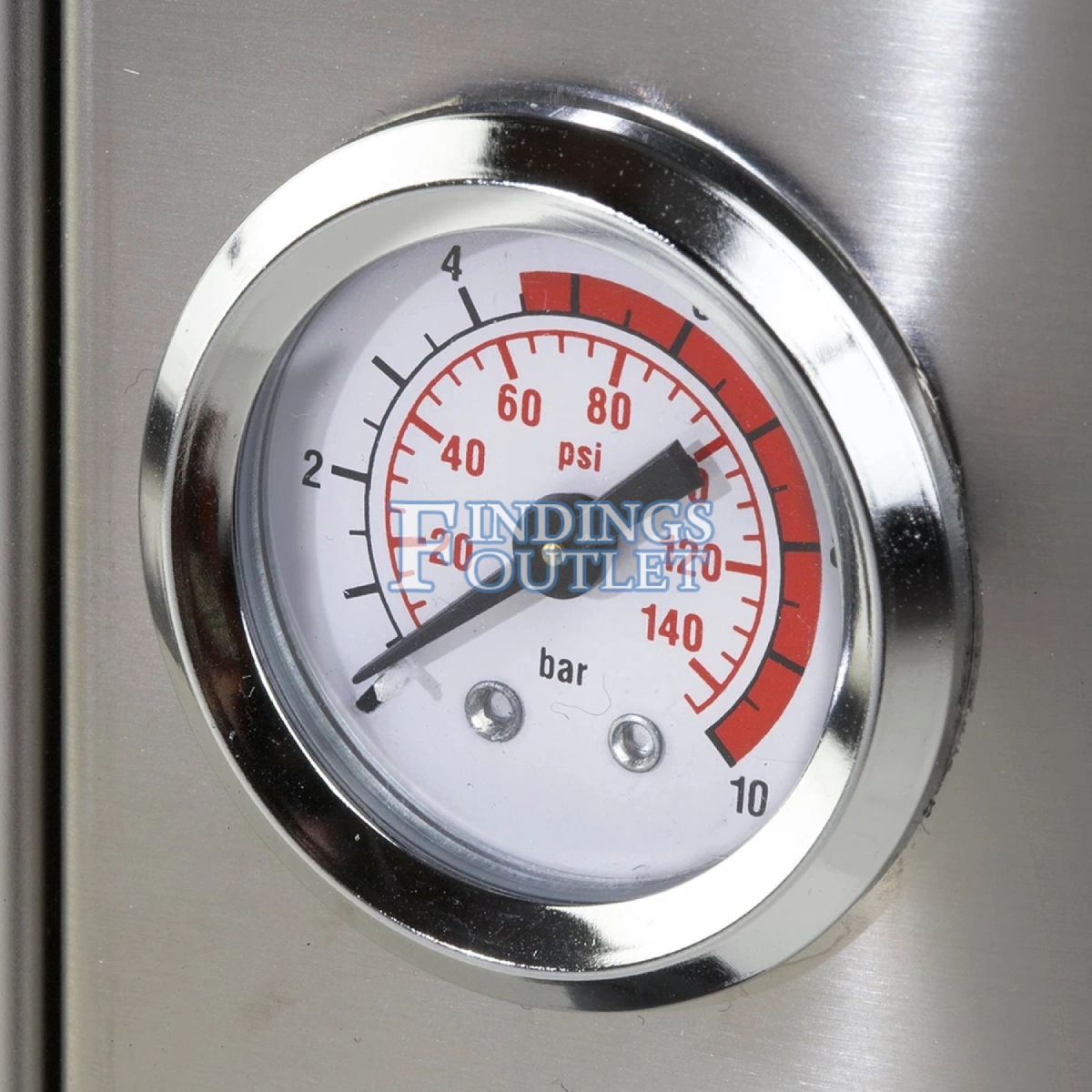
Why Does My Boiler Keep Turning Off?

Boiler Size; This Really Matters

Choosing the Right Boiler Size for Your Home

Should I Keep The Boiler Running Continuously?

Noisy Boiler: Possible Causes And Solutions