


Radiators and Heating Systems: Comfortable and Energy-Efficient Solutions for Your Home

A detailed guide to the operating principle of radiators, their types, material differences, and criteria for making the right choice
Heating radiators: a traditional and modern solution for warmth and comfort
To keep your home warm and comfortable during cold winter days, it is very important to choose the right heating system. Heating radiators are one of the most widely used heating solutions, providing warmth through efficient energy use. By learning more about how they work, their types, and proper installation, you can choose the most suitable radiator for your home.
How heating radiators work
Radiators operate by circulating heated water or a heat-transfer fluid within the home’s heating system, especially when connected to a boiler. As the heat carrier passes through the radiator, its metal surfaces emit heat, warming the room. Radiators integrated with a boiler system increase energy efficiency and provide comfortable heating. Proper placement of radiators improves heat circulation and ensures even heating throughout all areas of the room.
Types of radiators and materials
Heating radiators are manufactured from various materials and come in different designs, each offering its own advantages.
Cast iron radiators:
These radiators are known for their traditional style and high durability. Cast iron retains heat for a long time, making such radiators ideal for large rooms and spacious homes. However, their heavy weight and slow heating are sometimes considered disadvantages. Cast iron radiators continue to release heat even after the system is turned off, which further increases energy efficiency when used with a boiler.
Aluminum radiators:
Lightweight and offering high heat output, aluminum radiators are distinguished by their energy efficiency. They heat rooms quickly, making them an ideal solution for boiler systems. However, since they do not retain heat as long as cast iron, they cool down faster. Aluminum radiators are also more resistant to corrosion and have a long service life.
Steel radiators:
Steel radiators, featuring a modern and minimalist design, represent a balanced choice in terms of both aesthetics and heating performance. They are reliable and efficient when used with a boiler system, although their price may be higher compared to some other materials. A wide range of colors and shapes makes steel radiators suitable as decorative interior elements.
Other Manufacturing Sectors
Choosing Clamps for Professionals: Structure, Types and Applications

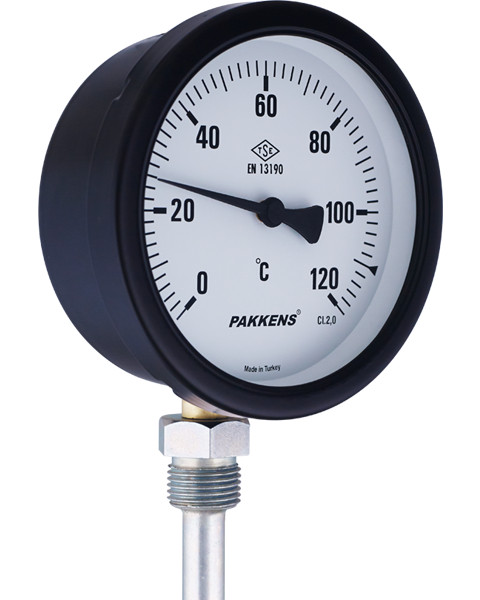
The Role and Importance of Measurement Equipment in Industry
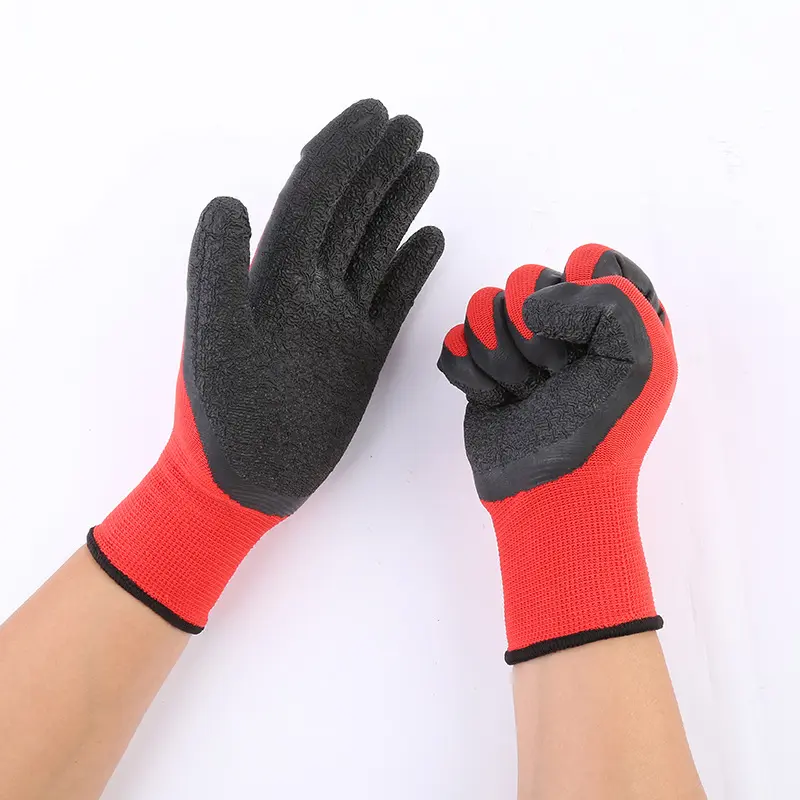
Safety Gloves: A Small Tool, Big Protection
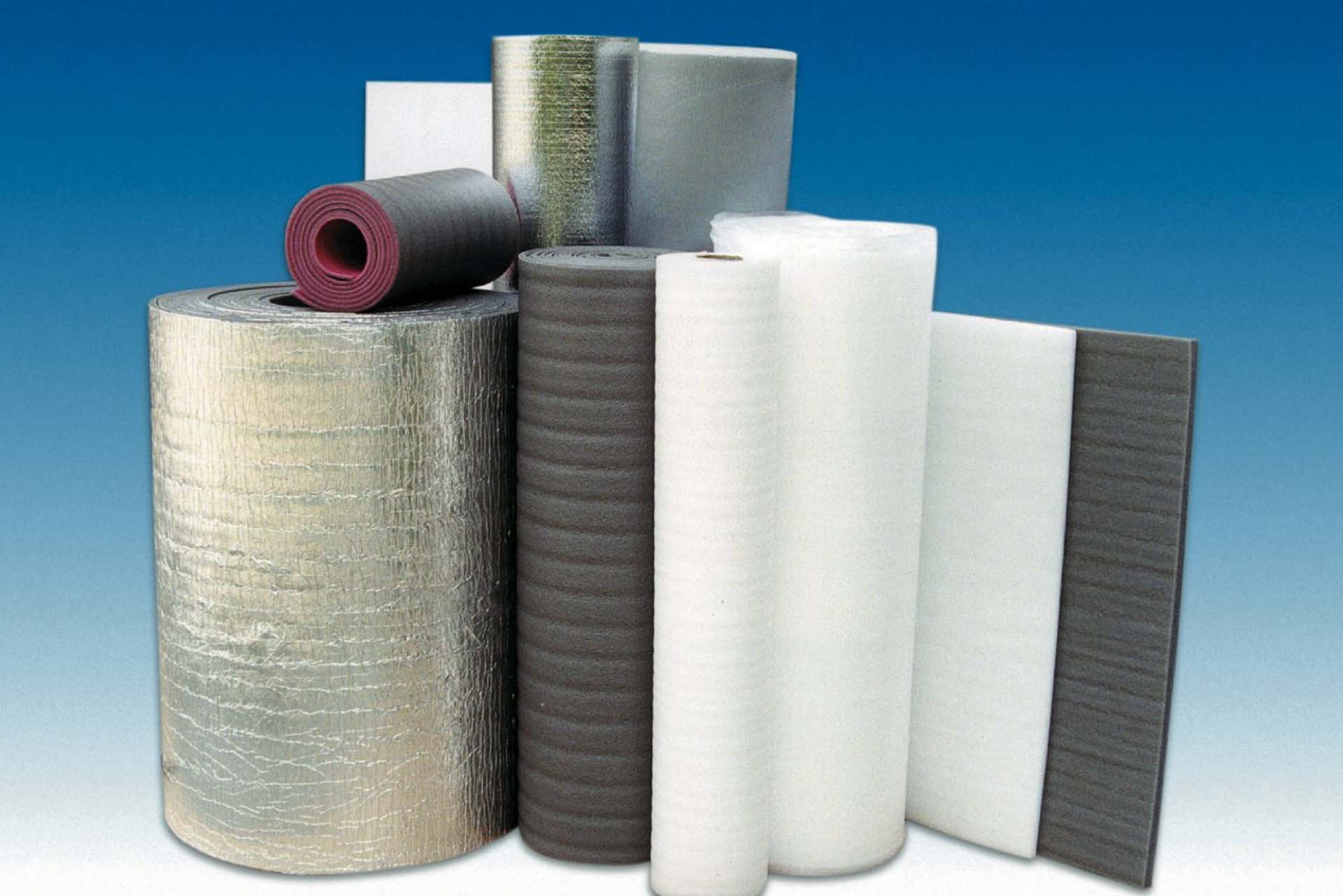
Your Home’s “Thermos” Effect: The Secret to Staying Warm in Winter and Cool in Summer
Practical Guide: Maintenance, Efficiency, and Safety of Boiler Room Systems

The Hidden Heroes of Our Home: Radiators

How Radiators Work: The Heat Distributors of Your Home

Boiler Rooms Explained: The Core of Home Heating

Energy-Efficient Home Heating Options: A Complete Guide

Why Is Regular Maintenance of HVAC Systems Important?

Control and Safety Devices in the Boiler Room: Essential Components for Your System

What is HVAC? Fundamentals of Heating and Cooling Systems

The ventilation systems in large buildings

Radiators vs Underfloor Heating: Which Works Better with Heat Pumps?

Radiators and Heating Systems: Comfortable and Energy-Efficient Solutions for Your Home
HVAC Pipe Insulation – Energy Saving and Stable Temperature Maintenance

What Don’t We Know About Ventilation Systems?

The Importance of Insulation for Energy Efficiency

Şüşə Yunu ilə Boru İzolyasiyası Nədir və Niyə Vacibdir?

Hansı radiator daha yaxşıdır?

What are heating systems for?

Havalandırma avadanlıqları nə üçündür?

Ventilation Systems

Heating systems - Models and prices

Heating systems

Havalandırma sistemləri (Havalandirma sistemleri)

Boru armaturları və fittinqləri

Qazanxana nədir?

Mechanical and Natural Ventilation: Which Is More Effective?

Ways to Save Energy with Smart Heating Systems
