


Types of Bolts: Components, Sizes, and Applications
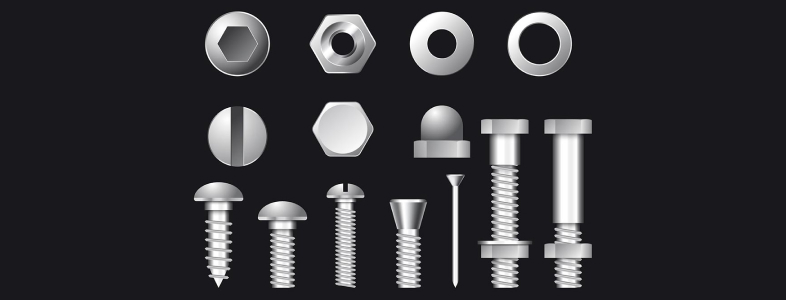
Bolts are among the most widely used mechanical fastening components. They are designed to securely connect different parts, structures, and equipment components.
Bolts are commonly used in construction, industrial equipment, machinery, automotive systems, manufacturing, and general assembly applications.
A typical bolt has external threads and is used together with a compatible nut. The bolt passes through aligned holes in the components being joined and is tightened with a nut. This creates clamping force that holds the components securely together.
In this guide, we will explore the main components of bolts, additional fastening elements, important bolt terminology, thread specifications, and metric bolt sizing.
Main Components of a Bolt
A bolt consists of several key parts, including the shaft, threaded section, and head.
Bolt Shaft and Shank
The shank is the smooth, unthreaded section of the bolt located beneath the head.
It helps maintain alignment between the connected components and can resist shear forces. The smooth surface also provides accurate contact within the bolt hole and can contribute to more even load distribution.
For assemblies exposed to vibration, dynamic loads, or repeated impact, selecting the appropriate bolt design is essential for maintaining joint stability.
Bolt Thread
The thread is the continuous spiral profile formed around the outside of the bolt shaft.
It engages with the internal thread of the nut to create the required clamping force. Depending on the application, bolts may be fully or partially threaded.
The thread diameter, pitch, and compatibility with the nut should always be considered when selecting a bolt.
Types of Bolt Heads
The bolt head is designed to receive torque during installation and removal. Different head designs are available depending on installation requirements, available space, and the tools used.
Hex Bolt Head
Hex-head bolts are among the most common bolt types. They can easily be tightened or loosened using a wrench or socket.
They are widely used in construction, machinery, industrial equipment, and general fastening applications.
Countersunk Head
Countersunk bolt heads have a conical shape and can sit nearly flush with the surface after installation.
They are suitable for applications where a smooth surface and minimal protrusion are required.
Dome Head
Dome-head bolts have a smooth, rounded profile. They provide a cleaner appearance and reduce the possibility of snagging on exposed fasteners.
Additional Components of a Bolted Joint
Bolts are generally used together with nuts, washers, and other fastening components.
Nuts
A nut has an internal thread and works with the external thread of the bolt to create clamping force.
When tightened, the nut compresses the connected components and helps secure the joint. In applications subject to vibration, locking nuts, lock washers, and other anti-loosening solutions may be used.
Washers
Washers are placed under the bolt head or nut.
Their main functions include:
- Distributing the load over a larger surface area
- Reducing the risk of surface deformation
- Protecting the connected material
- Improving joint stability
Depending on the application, flat washers, lock washers, and specialized sealing washers may be used.
Important Bolt Terminology
Understanding bolt terminology is essential when selecting the correct fastening component.
Shank Diameter
The shank diameter is the diameter of the smooth, unthreaded section of the bolt. It is an important measurement when determining bolt fit and dimensional compatibility.
Major Diameter
The major diameter is the largest diameter of the bolt thread, measured between opposite thread crests. It generally corresponds to the nominal bolt diameter.
Minor Diameter
The minor diameter, also known as the root diameter, is the smallest diameter of the bolt thread, measured between opposite thread roots.
Pitch Diameter
The pitch diameter is the theoretical diameter located between the major and minor diameters. It is an important parameter for proper thread engagement and compatibility.
Nominal Length
Nominal length refers to the specified length of the bolt and should be selected according to the thickness of the connected materials and the requirements of the joint.
Thread Pitch
Thread pitch is the axial distance between corresponding points on two adjacent threads.
For metric fasteners, thread pitch is normally expressed in millimetres.
How to Read Metric Bolt Sizes
Metric bolt dimensions are commonly written using the following format:
M + nominal diameter + thread pitch + length
For example:
M10-1.0 × 20
This specification means:
- M — metric thread system
- 10 — nominal diameter of 10 mm
- 1.0 — thread pitch of 1.0 mm
- 20 — bolt length of 20 mm
Another example is:
M12 × 50
This indicates a nominal diameter of 12 mm and a bolt length of 50 mm.
If the thread pitch is not separately specified, the applicable standard and product specification should be checked to determine the exact thread type.
Fine Threads vs. Coarse Threads
Thread pitch is an important factor when selecting a bolt.
Fine Threads
Fine threads have a smaller distance between individual threads. They can be suitable for precision fastening, certain high-strength applications, and situations where fine adjustment is required.
Coarse Threads
Coarse threads have a larger pitch and are generally easier to install. In some applications, they are also less susceptible to cross-threading and are commonly used for general-purpose fastening and softer materials.
How to Choose the Right Bolt?
When selecting a bolt, consider the following factors:
- Diameter
- Length
- Thread pitch
- Thread type
- Material
- Strength grade
- Required load capacity
- Corrosion resistance
- Operating environment
- Compatibility with nuts and washers
- Applicable standards
Choosing the correct bolt helps ensure a secure, reliable, and long-lasting mechanical joint.
Conclusion
Bolts are essential fastening components used across construction, industrial, automotive, machinery, and assembly applications.
The bolt head, shaft, shank, and thread each perform important functions, while nuts and washers help create and maintain the required clamping force.
When selecting a bolt, it is important to consider more than just its dimensions. Thread pitch, material, strength grade, load capacity, corrosion resistance, and operating conditions should all be evaluated to achieve a safe, durable, and reliable bolted connection.
Other Manufacturing Sectors
The Importance of Ventilation Filters
How to choose the right ventilation system for offices, warehouses and restaurants

Critical components of hospital ventilation systems that require regular testing

Top 5 Ways to Improve Energy Efficiency in Commercial Buildings

Why your air conditioner Is running but not cooling the room

Why does condensation form on windows and how can you prevent it?

How to Reduce Energy Losses in Local Exhaust Ventilation Systems
How to Choose the Right Material for HVAC Pipes
Enhancing workplace efficiency: The strategic importance of selecting quality flexible air ducts
What is a boiler room system and how do you choose the right equipment for your project?
Measurement Equipment and Safety Valves: Safety and Control in Heating Systems
The Role and Importance of Expansion Tanks in Heating Systems

6 signs your building needs better ventilation

How to choose the right ductwork?

Types of Bolts: Components, Sizes, and Applications
Threaded Rod: Types, Applications, and Selection Guide
The importance of material selection in mechanical engineering: Ensuring optimal performance and longevity

Insulated vs Non-Insulated flexible ducting | Buyer's guide
10 Key Factors to Consider When Choosing a Good Industrial Steam Boiler

10 Smart Ways to Improve Home Energy Efficiency Without Replacing Your Boiler
The importance of proper mechanical process installations

What are VRF systems and which buildings are they suitable for?

Advantages of insulated air ducts and why they are important

Energy-efficient heating systems: Which solutions are the most effective?

What are MEP systems and why are they important in construction projects?

The role of ventilation systems in creating a healthy and comfortable environment

Thermal Insulation: What Is It and How Is It Used?

What are accumulation tanks and why are they worth using?
Ofislərdə düzgün soyutma sistemi məhsuldarlığa necə təsir edir?

HVAC sistemlərinin ağıllı ev sistemləri ilə inteqrasiyası

Breathing made easy: the undeniable benefits of a home ventilation system.
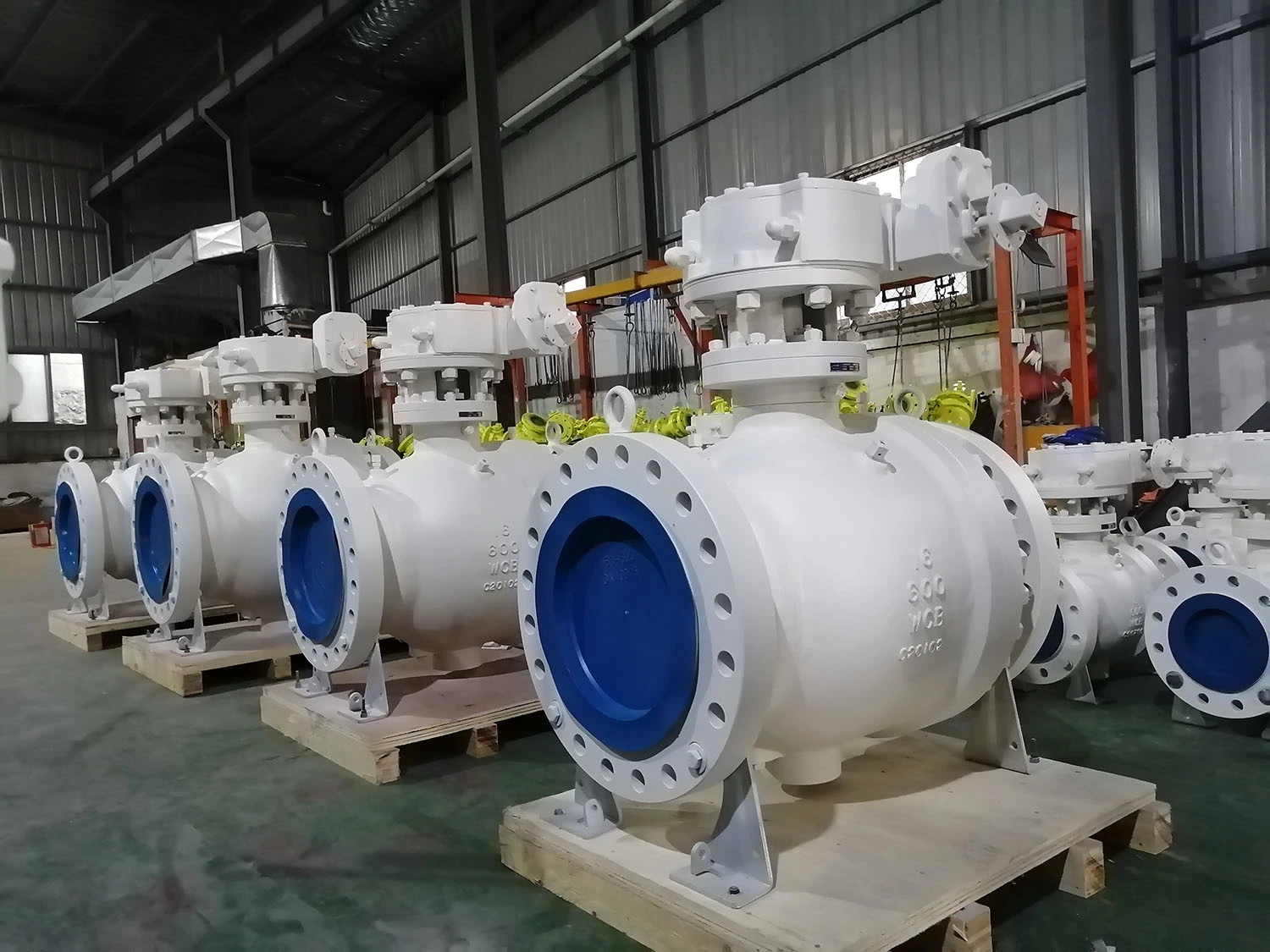
What are ball valves and how do they work?
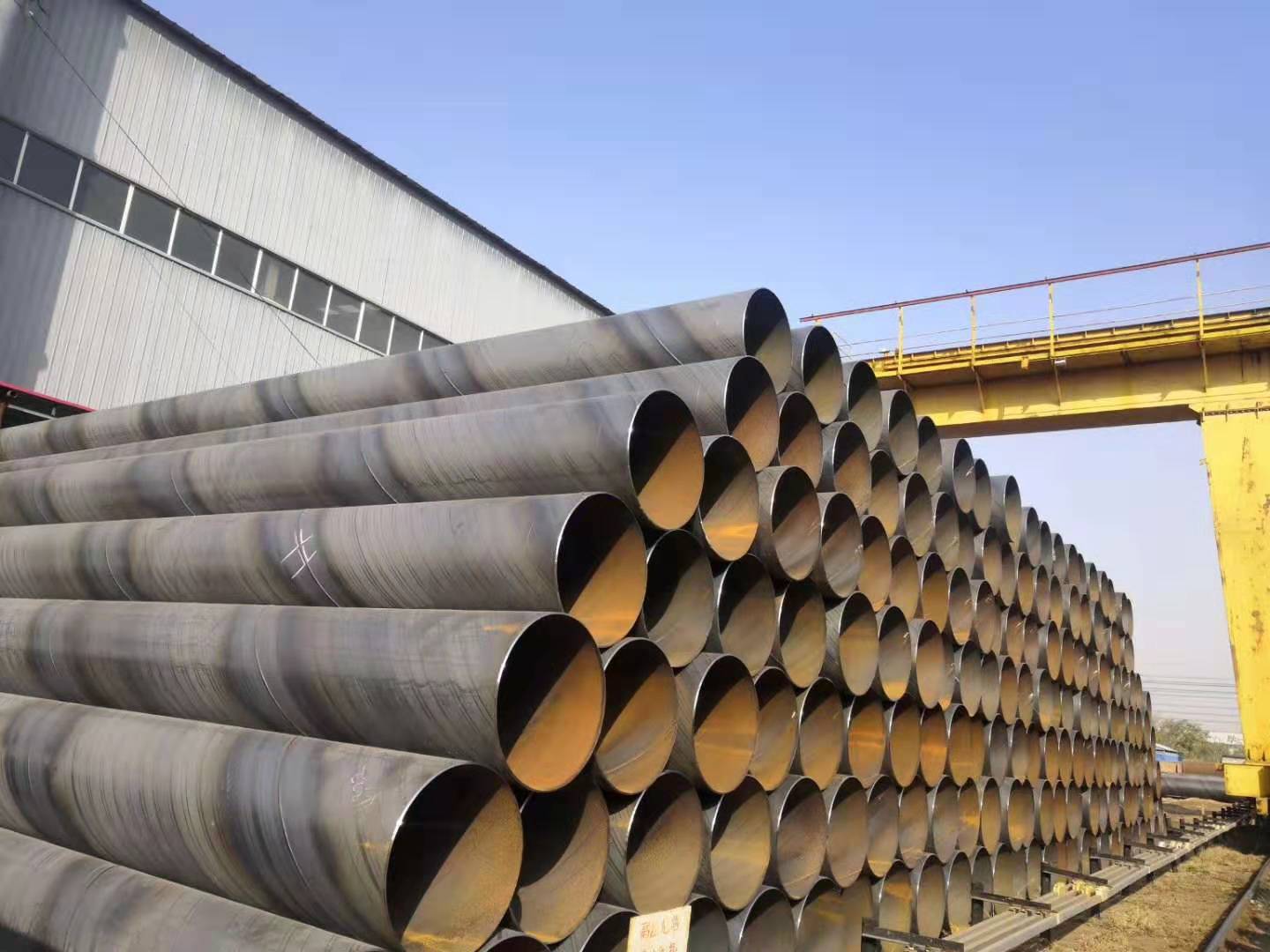
Comparison of threaded pipe and welded pipe: which is better for your project?
The role of ventilation in ensuring fire safety and smoke control.

How good air circulation improves your shopping experience?

Duct fans: comprehensive applications and points to consider
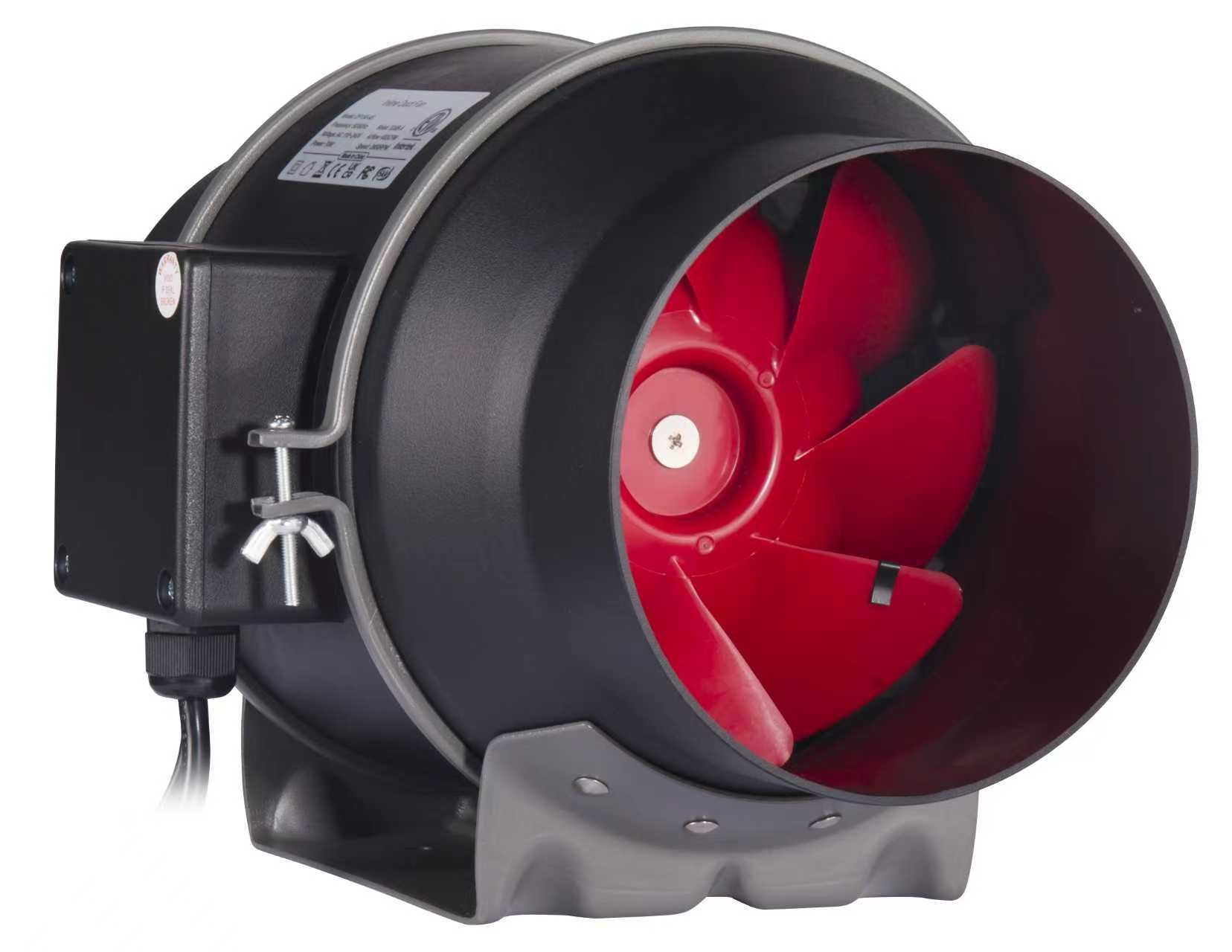
Ventilation in hospitals and healthcare facilities

Boiler or stove: how to decide?
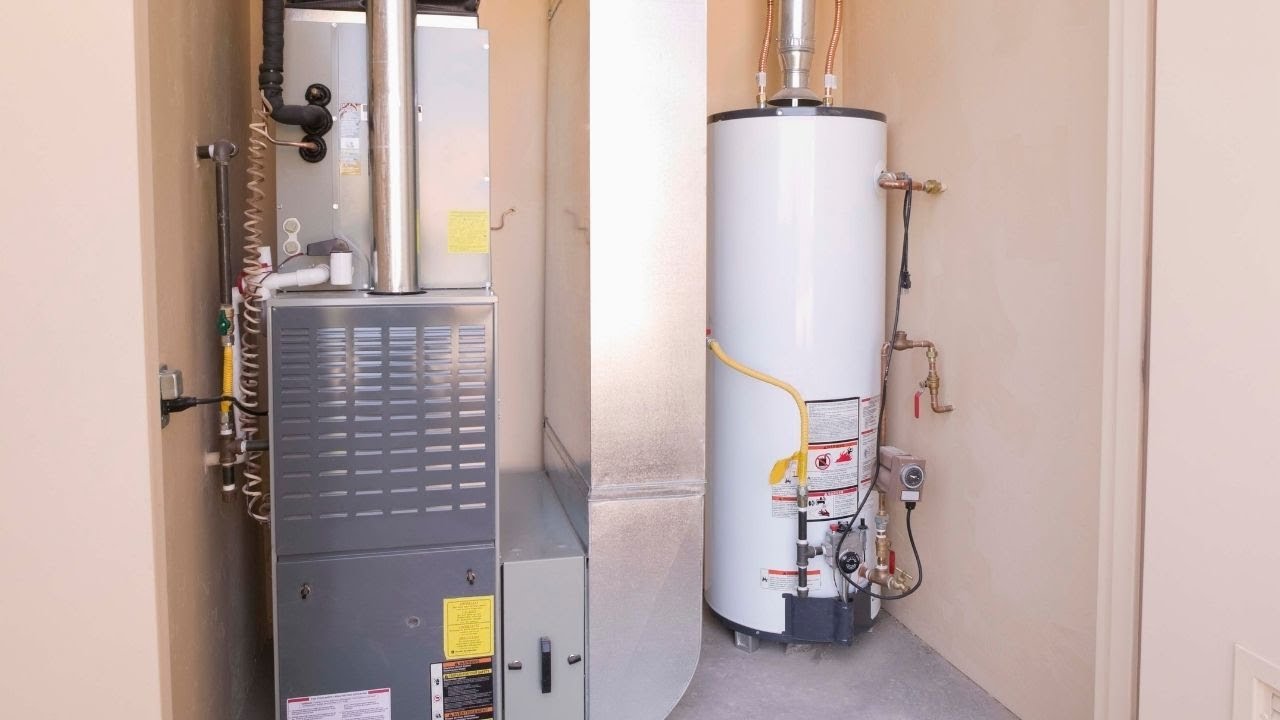
What type of heating is best for an old house?

How to calculate the required boiler capacity?

Boiler pressure keeps dropping — what is the reason?
Why Does My Boiler Keep Turning Off?

Boiler Size; This Really Matters

Choosing the Right Boiler Size for Your Home

Should I Keep The Boiler Running Continuously?

Noisy Boiler: Possible Causes And Solutions
The Importance of the Expansion Tank
How to Keep Your Pipes Warm in Winter: Tips to Prevent Freezing
Types of Electric Heaters

Can you dry clothes on bathroom towel radiators?
Common Insulation Problems

The Importance of Proper Insulation in Home Heating

Combi Boiler vs System Boiler: Which Is Best for Your Home?
How to Prepare Your Home for HVAC Installation: 9 Essential Tips

HVAC for New Construction: What You Need to Know

How to choose the best boilers for schools in 2026?
How to clean a gas boiler?
What is mechanical ventilation?
How to improve air quality during allergy season

The truth behind common myths about air purifiers

Choosing Clamps for Professionals: Structure, Types and Applications

The Role and Importance of Measurement Equipment in Industry
Safety Gloves: A Small Tool, Big Protection

Your Home’s “Thermos” Effect: The Secret to Staying Warm in Winter and Cool in Summer
Practical Guide: Maintenance, Efficiency, and Safety of Boiler Room Systems

The Hidden Heroes of Our Home: Radiators

How Radiators Work: The Heat Distributors of Your Home

Boiler Rooms Explained: The Core of Home Heating

Energy-Efficient Home Heating Options: A Complete Guide

Why Is Regular Maintenance of HVAC Systems Important?

Control and Safety Devices in the Boiler Room: Essential Components for Your System

What is HVAC? Fundamentals of Heating and Cooling Systems

The ventilation systems in large buildings

Radiators vs Underfloor Heating: Which Works Better with Heat Pumps?

Radiators and Heating Systems: Comfortable and Energy-Efficient Solutions for Your Home

HVAC Pipe Insulation – Energy Saving and Stable Temperature Maintenance

What Don’t We Know About Ventilation Systems?

The Importance of Insulation for Energy Efficiency

Şüşə Yunu ilə Boru İzolyasiyası Nədir və Niyə Vacibdir?

Hansı radiator daha yaxşıdır?

What are heating systems for?

Havalandırma avadanlıqları nə üçündür?

Ventilation Systems

Heating systems - Models and prices

Heating systems

Havalandırma sistemləri (Havalandirma sistemleri)

Boru armaturları və fittinqləri

Qazanxana nədir?

Mechanical and Natural Ventilation: Which Is More Effective?

Ways to Save Energy with Smart Heating Systems

Effective Cooling Solutions for Commercial Properties

Boiler, Air Conditioning, and Ventilation System: How Are They Controlled Simultaneously?

Alternative Energy Sources in Heating and Cooling: Technologies of the Future
