


What are measuring instruments? types, applications, and their role in industry
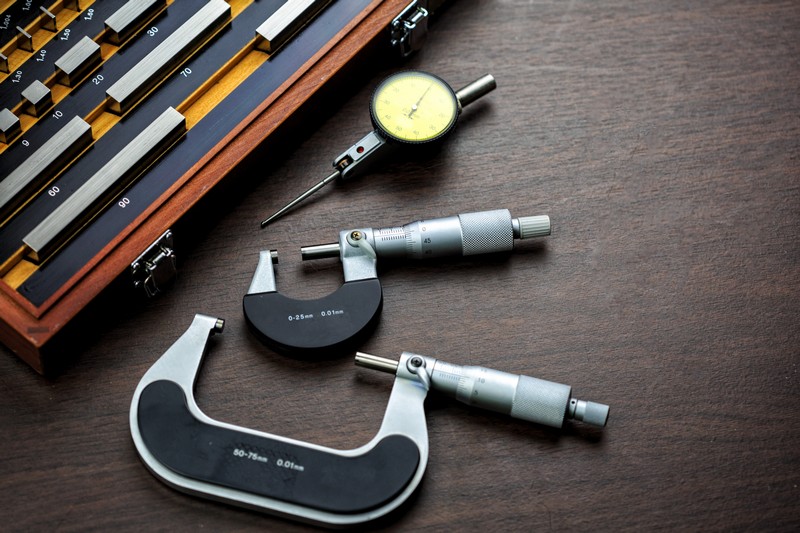
Measuring instruments are devices and equipment used to measure physical quantities such as length, temperature, weight, pressure, and acceleration. They play an essential role in manufacturing, scientific research, engineering, and healthcare by providing accurate and reliable data.
In industrial environments, measuring instruments help determine the condition of products and equipment, maintain quality standards, and improve production processes. For example, checking whether a machined component meets the dimensions specified in a technical drawing helps maintain consistent product quality and reduce defects.
Analyzing measurement data also helps identify production issues, use resources more efficiently, and optimize operations. Therefore, measuring instruments are not simply tools for taking measurements; they are essential for improving quality, safety, and operational efficiency.
Main Types of Measuring Instruments
Measuring instruments are classified according to the physical quantity being measured and their intended application. The following are among the most common types used in industry.
1. Dimensional Measuring Instruments
Calipers, micrometers, dial indicators, gauge blocks, and coordinate measuring machines (CMMs) are used to measure the dimensions and geometric characteristics of components, including length, thickness, diameter, and shape.
These instruments are particularly important in applications that require high measurement accuracy. They are widely used in metalworking, mechanical engineering, and component manufacturing to verify that parts meet specified dimensions and tolerances.
2. Pressure Gauges
Pressure gauges measure the pressure of gases and liquids. They are commonly used in pipelines, pumps, compressors, and industrial equipment to monitor operating pressure.
Analog pressure gauges often use a Bourdon tube that deforms under pressure and moves a pointer across a calibrated scale. Digital pressure instruments convert pressure-related physical changes into electrical signals and display the measured values electronically.
Pressure gauges help detect abnormal pressure conditions and support the safe operation of industrial systems.
3. Thermometers and Temperature Measuring Instruments
Temperature measuring instruments monitor temperature in manufacturing processes, heating systems, and industrial equipment.
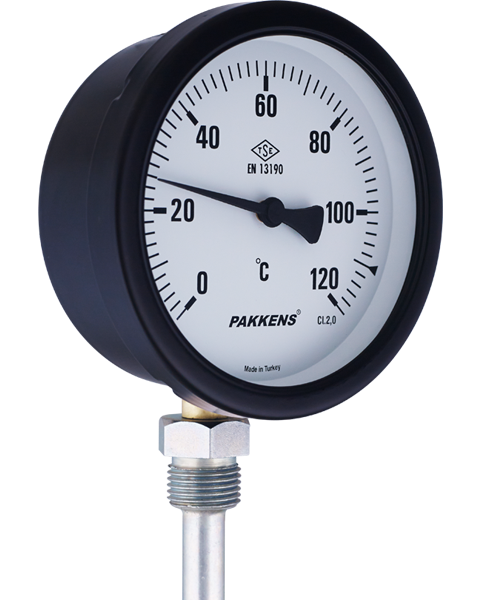
This category includes liquid-in-glass thermometers, bimetal thermometers, and electronic instruments based on thermocouples and resistance temperature detectors (RTDs). Contact instruments measure temperature through direct contact with the target, while non-contact instruments determine temperature by detecting infrared radiation.
These instruments help maintain required process temperatures, identify overheating, and protect equipment from temperature-related damage.
4. Flow Meters
Flow meters measure the flow rate of liquids and gases passing through pipelines. Depending on the instrument, they can measure volumetric flow rate, mass flow rate, or the total quantity passing through a system over a specific period.
Common types include differential-pressure flow meters, positive displacement flow meters, turbine flow meters, electromagnetic flow meters, and ultrasonic flow meters. Their operating principles vary according to the design and the properties of the measured fluid.
Flow meters are widely used to monitor water, gas, steam, and other fluids in industrial facilities. Accurate flow measurement helps track resource consumption and improve process efficiency.
5. Vibration Meters and Accelerometers
Vibration meters measure the level and frequency of vibrations produced by machines and structures. Accelerometers measure vibration acceleration, and their signals can be processed to determine additional parameters such as velocity and displacement.
These instruments are especially useful for monitoring the condition of rotating machinery, motors, pumps, and other industrial equipment.
Detecting excessive vibration early can help identify developing faults, reduce maintenance costs, and extend equipment service life.
6. Sound Level Meters
Sound level meters measure environmental noise in decibels (dB). They use a microphone to convert sound waves into electrical signals, which are processed to determine the sound pressure level.
These instruments are commonly used in factories, construction sites, and industrial facilities to assess noise exposure and operating conditions. Measurement results help organizations identify noise hazards and implement appropriate noise-reduction measures.
7. Air Gap Sensors
Air gap sensors are used to detect the distance or gap between surfaces or components, as well as changes in position in certain industrial applications.
They can support precise component positioning, process monitoring, and quality control. Their suitability depends on the required measurement range, accuracy, operating environment, and the sensor's working principle.
Why Are Measuring Instruments Important?
Selecting and maintaining the right measuring instruments provides several benefits for industrial operations:
Quality control: Verifies whether products meet specified technical requirements.
Safety: Helps monitor parameters such as pressure, temperature, and vibration to reduce operational risks.
Efficiency: Identifies process deviations and opportunities to reduce waste.
Maintenance: Supports early detection of equipment deterioration and potential faults.
Resource management: Enables more accurate monitoring of water, gas, energy, and other resource consumption.
Conclusion
Measuring instruments are an essential part of modern industrial quality control, safety, and process management. Pressure gauges, thermometers, flow meters, vibration meters, and other measuring devices help manufacturers monitor operating conditions and maintain reliable production processes.
Choosing the right instrument requires consideration of the measurement range, required accuracy, operating environment, and application. Regular calibration, inspection, and maintenance are also important for obtaining reliable measurements and supporting long-term operational performance.
Other Manufacturing Sectors
What are measuring instruments? types, applications, and their role in industry
What is unbalanced airflow?
Why Pressure Loss Matters in Ventilation Ductwork Design

Why is one room hotter than the rest of the house?

10 signs that your home’s air quality needs improvement

The Importance of Ventilation Filters
How to choose the right ventilation system for offices, warehouses and restaurants

Critical components of hospital ventilation systems that require regular testing
Top 5 Ways to Improve Energy Efficiency in Commercial Buildings

Why your air conditioner Is running but not cooling the room

Why does condensation form on windows and how can you prevent it?

How to Reduce Energy Losses in Local Exhaust Ventilation Systems
How to Choose the Right Material for HVAC Pipes
Enhancing workplace efficiency: The strategic importance of selecting quality flexible air ducts
What is a boiler room system and how do you choose the right equipment for your project?
Measurement Equipment and Safety Valves: Safety and Control in Heating Systems
The Role and Importance of Expansion Tanks in Heating Systems
6 signs your building needs better ventilation

How to choose the right ductwork?
Types of Bolts: Components, Sizes, and Applications
Threaded Rod: Types, Applications, and Selection Guide
The importance of material selection in mechanical engineering: Ensuring optimal performance and longevity

Insulated vs Non-Insulated flexible ducting | Buyer's guide
10 Key Factors to Consider When Choosing a Good Industrial Steam Boiler
10 Smart Ways to Improve Home Energy Efficiency Without Replacing Your Boiler
The importance of proper mechanical process installations

What are VRF systems and which buildings are they suitable for?
Advantages of insulated air ducts and why they are important
Energy-efficient heating systems: Which solutions are the most effective?
What are MEP systems and why are they important in construction projects?
The role of ventilation systems in creating a healthy and comfortable environment

Thermal Insulation: What Is It and How Is It Used?

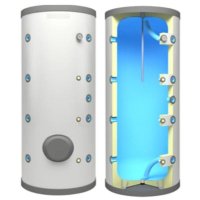
What are accumulation tanks and why are they worth using?
Ofislərdə düzgün soyutma sistemi məhsuldarlığa necə təsir edir?

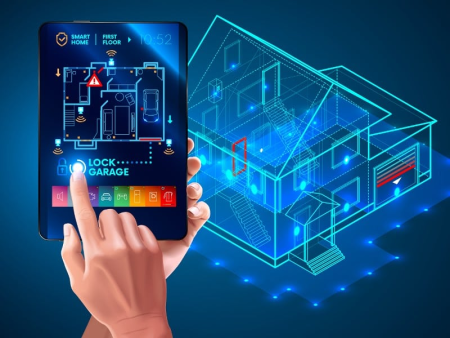
HVAC sistemlərinin ağıllı ev sistemləri ilə inteqrasiyası
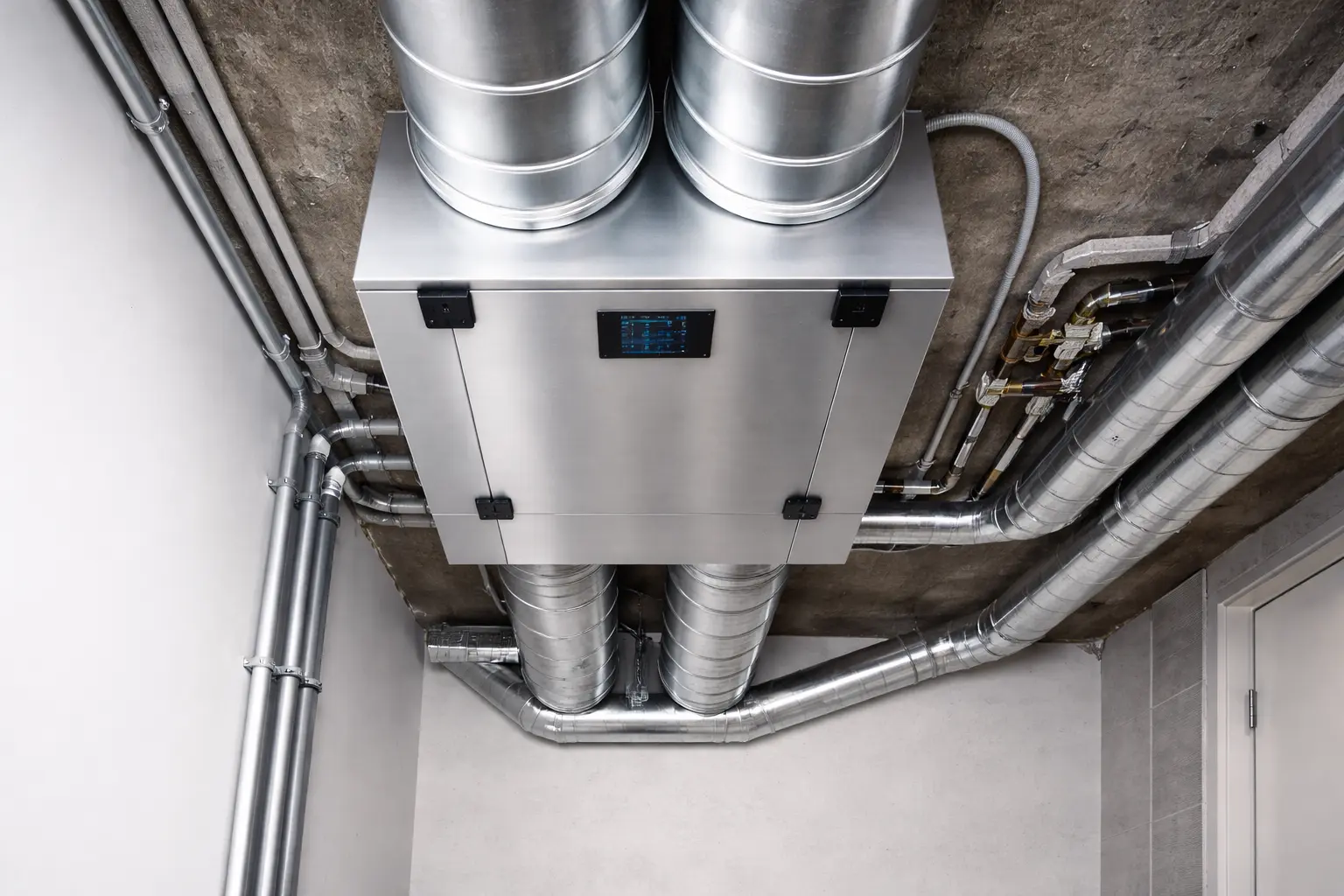
Breathing made easy: the undeniable benefits of a home ventilation system.
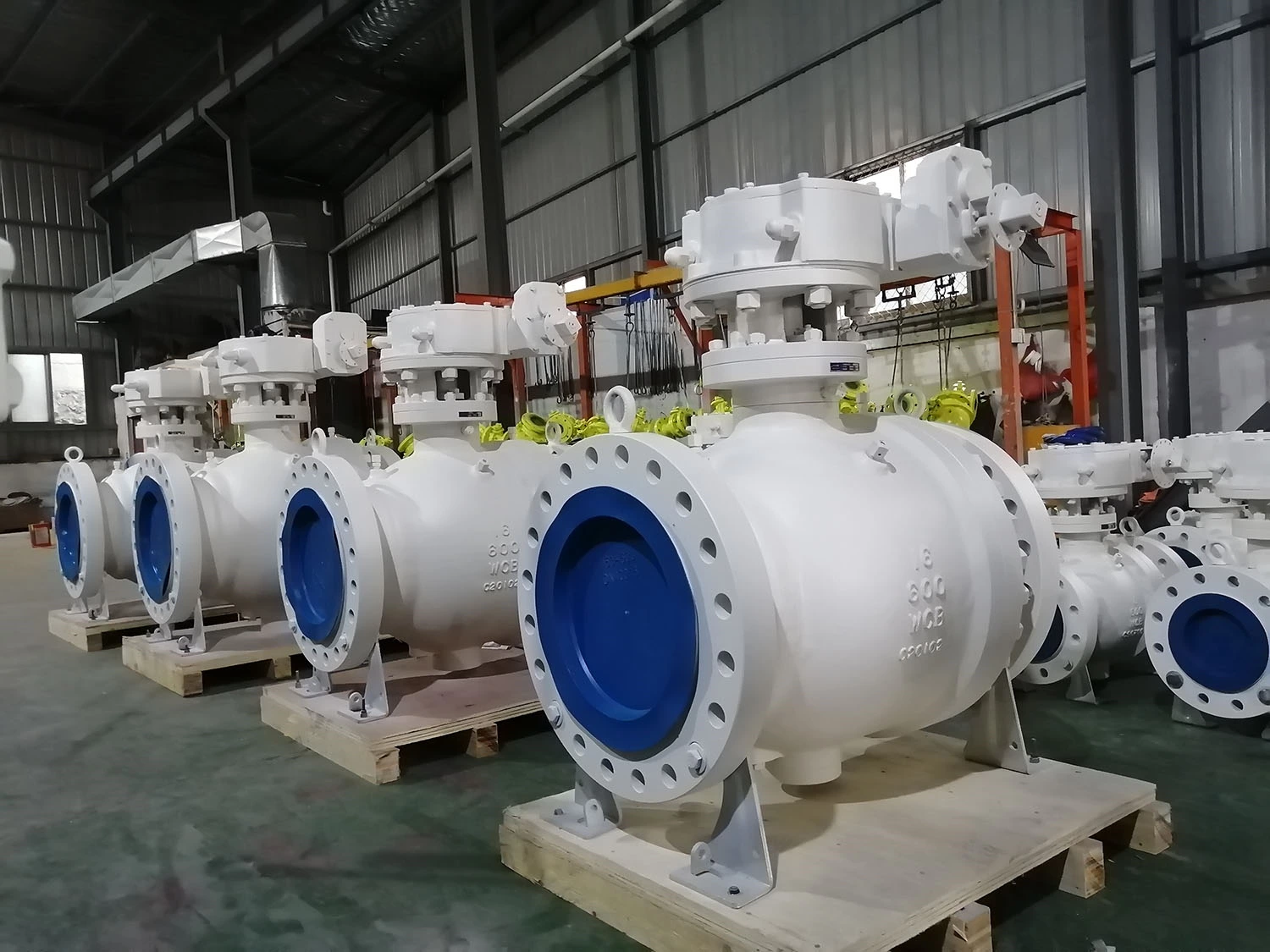
What are ball valves and how do they work?
Comparison of threaded pipe and welded pipe: which is better for your project?
The role of ventilation in ensuring fire safety and smoke control.
How good air circulation improves your shopping experience?
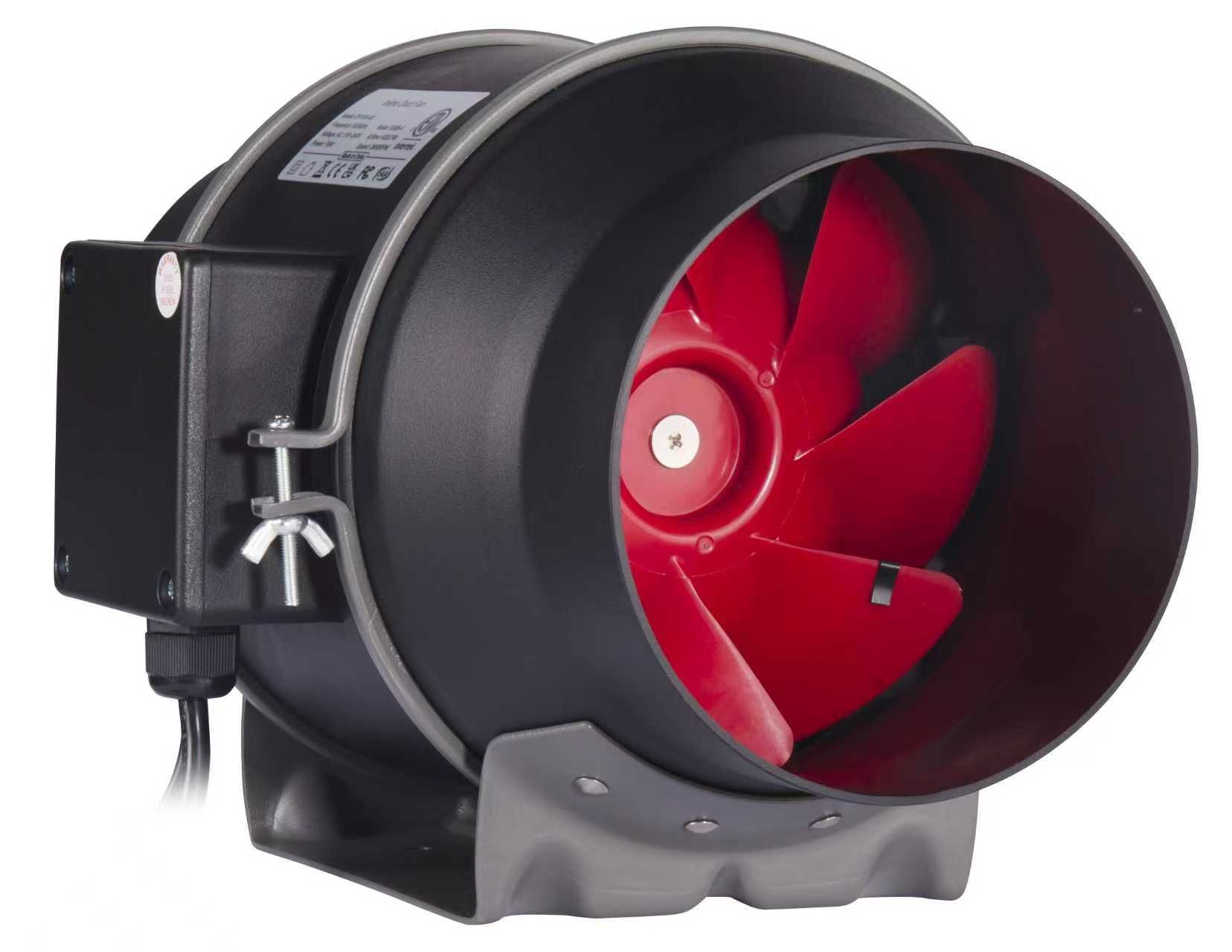
Duct fans: comprehensive applications and points to consider
Ventilation in hospitals and healthcare facilities

Boiler or stove: how to decide?
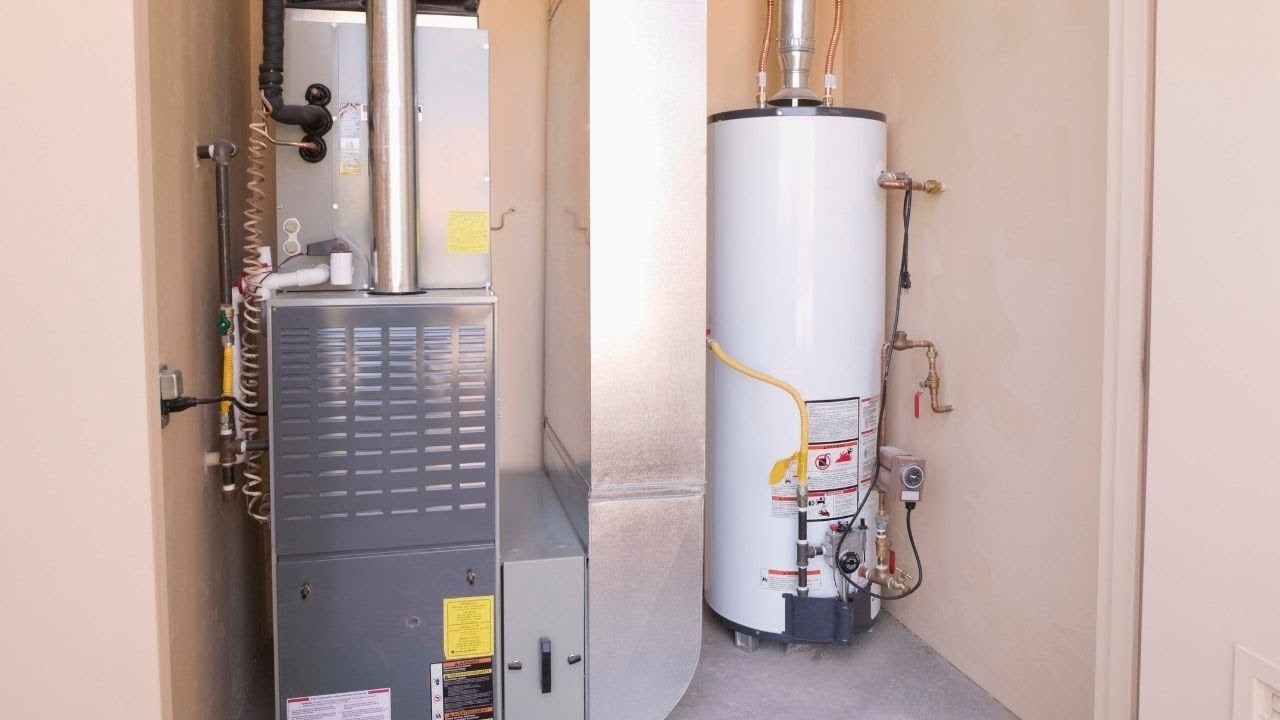
What type of heating is best for an old house?
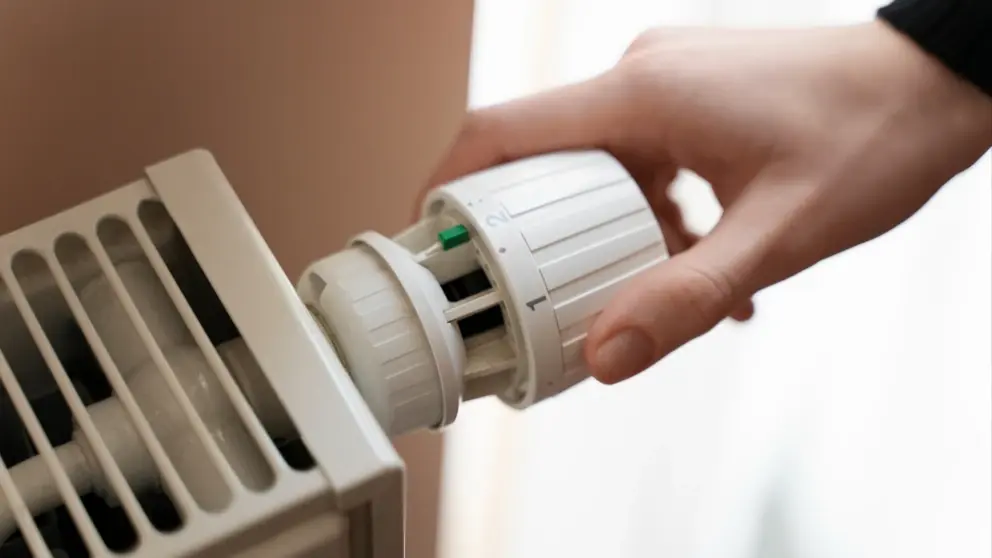
How to calculate the required boiler capacity?

Boiler pressure keeps dropping — what is the reason?
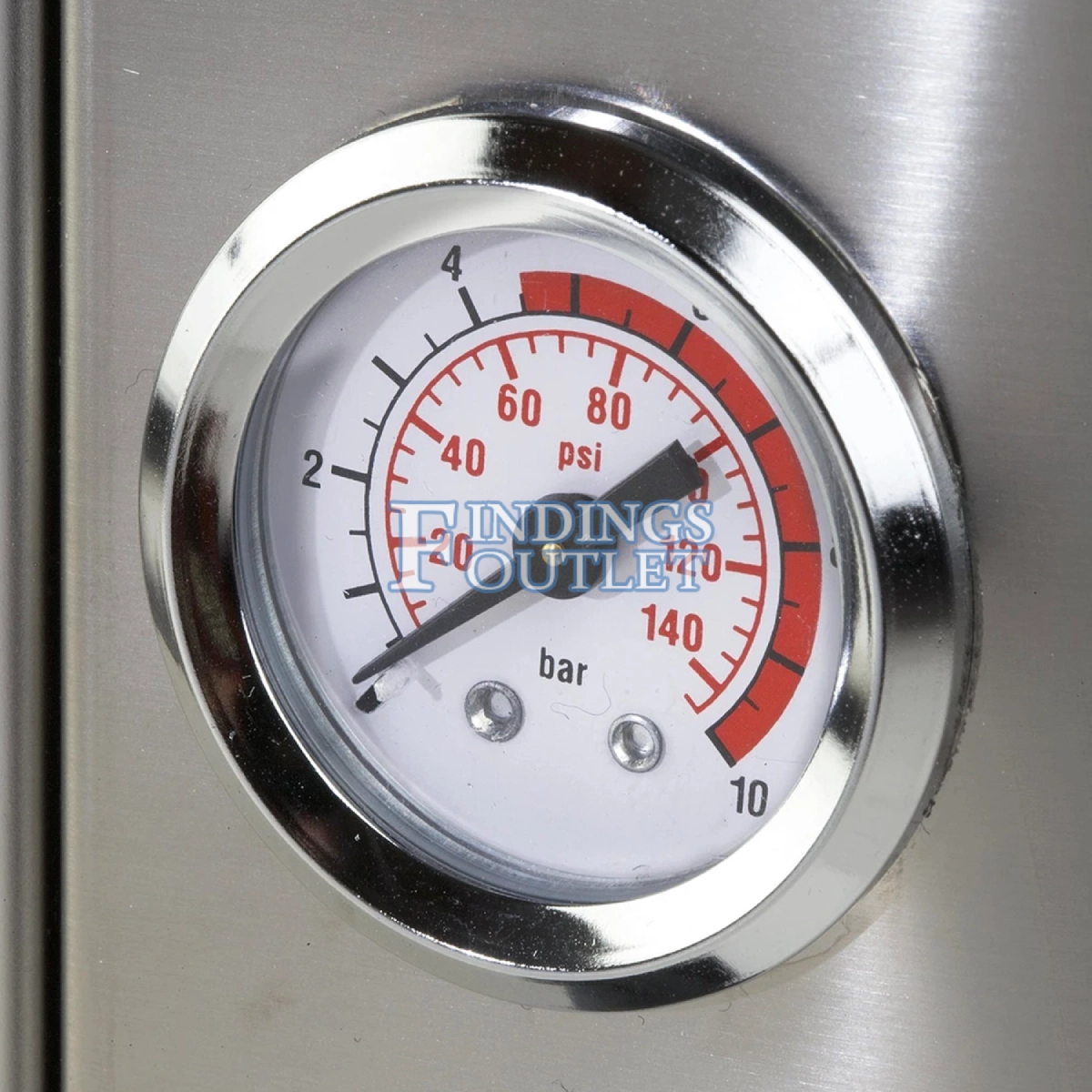
Why Does My Boiler Keep Turning Off?

Boiler Size; This Really Matters
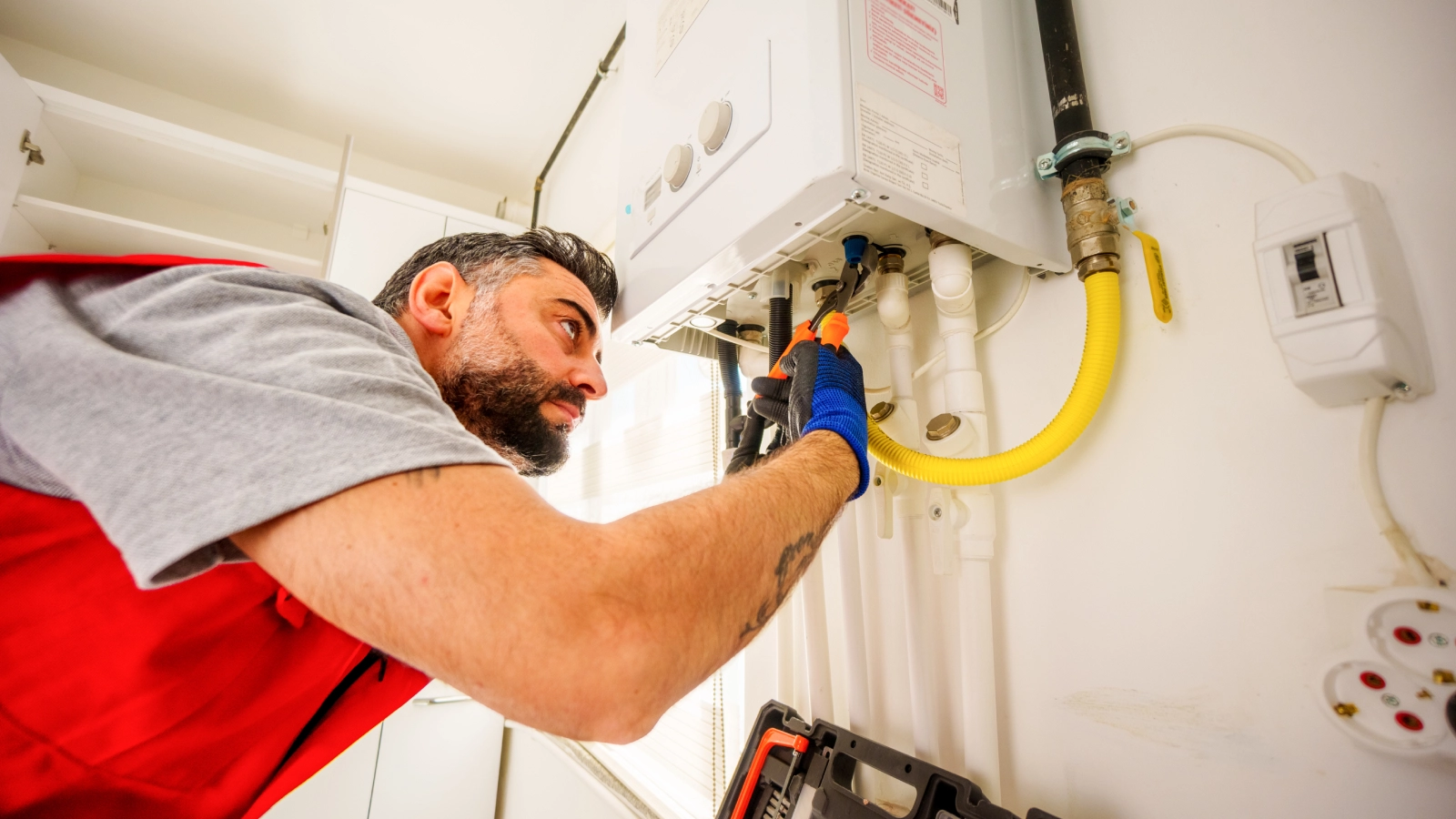
Choosing the Right Boiler Size for Your Home

Should I Keep The Boiler Running Continuously?
Noisy Boiler: Possible Causes And Solutions
The Importance of the Expansion Tank
How to Keep Your Pipes Warm in Winter: Tips to Prevent Freezing
Types of Electric Heaters

Can you dry clothes on bathroom towel radiators?
Common Insulation Problems

The Importance of Proper Insulation in Home Heating
Combi Boiler vs System Boiler: Which Is Best for Your Home?
How to Prepare Your Home for HVAC Installation: 9 Essential Tips

HVAC for New Construction: What You Need to Know

How to choose the best boilers for schools in 2026?
How to clean a gas boiler?
What is mechanical ventilation?
How to improve air quality during allergy season

The truth behind common myths about air purifiers

Choosing Clamps for Professionals: Structure, Types and Applications

The Role and Importance of Measurement Equipment in Industry
Safety Gloves: A Small Tool, Big Protection

Your Home’s “Thermos” Effect: The Secret to Staying Warm in Winter and Cool in Summer

Practical Guide: Maintenance, Efficiency, and Safety of Boiler Room Systems

The Hidden Heroes of Our Home: Radiators

How Radiators Work: The Heat Distributors of Your Home

Boiler Rooms Explained: The Core of Home Heating

Energy-Efficient Home Heating Options: A Complete Guide

Why Is Regular Maintenance of HVAC Systems Important?

Control and Safety Devices in the Boiler Room: Essential Components for Your System

What is HVAC? Fundamentals of Heating and Cooling Systems

The ventilation systems in large buildings

Radiators vs Underfloor Heating: Which Works Better with Heat Pumps?

Radiators and Heating Systems: Comfortable and Energy-Efficient Solutions for Your Home

HVAC Pipe Insulation – Energy Saving and Stable Temperature Maintenance

What Don’t We Know About Ventilation Systems?

The Importance of Insulation for Energy Efficiency

Şüşə Yunu ilə Boru İzolyasiyası Nədir və Niyə Vacibdir?

Hansı radiator daha yaxşıdır?

What are heating systems for?

Havalandırma avadanlıqları nə üçündür?

Ventilation Systems

Heating systems - Models and prices

Heating systems

Havalandırma sistemləri (Havalandirma sistemleri)

Boru armaturları və fittinqləri

Qazanxana nədir?

Mechanical and Natural Ventilation: Which Is More Effective?

Ways to Save Energy with Smart Heating Systems

Effective Cooling Solutions for Commercial Properties

Boiler, Air Conditioning, and Ventilation System: How Are They Controlled Simultaneously?

Alternative Energy Sources in Heating and Cooling: Technologies of the Future
