


How to prevent condensation on air ducts
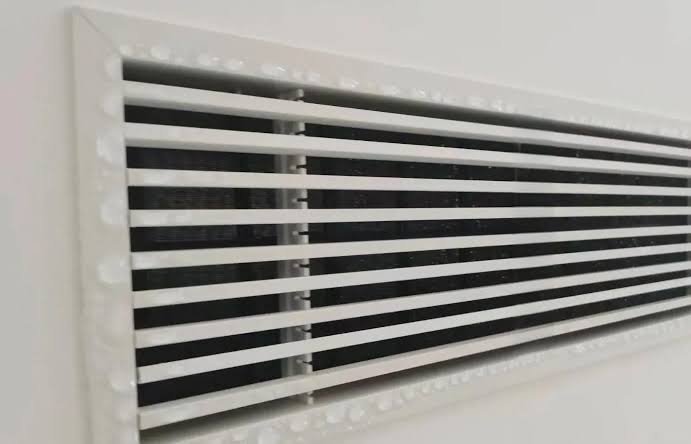
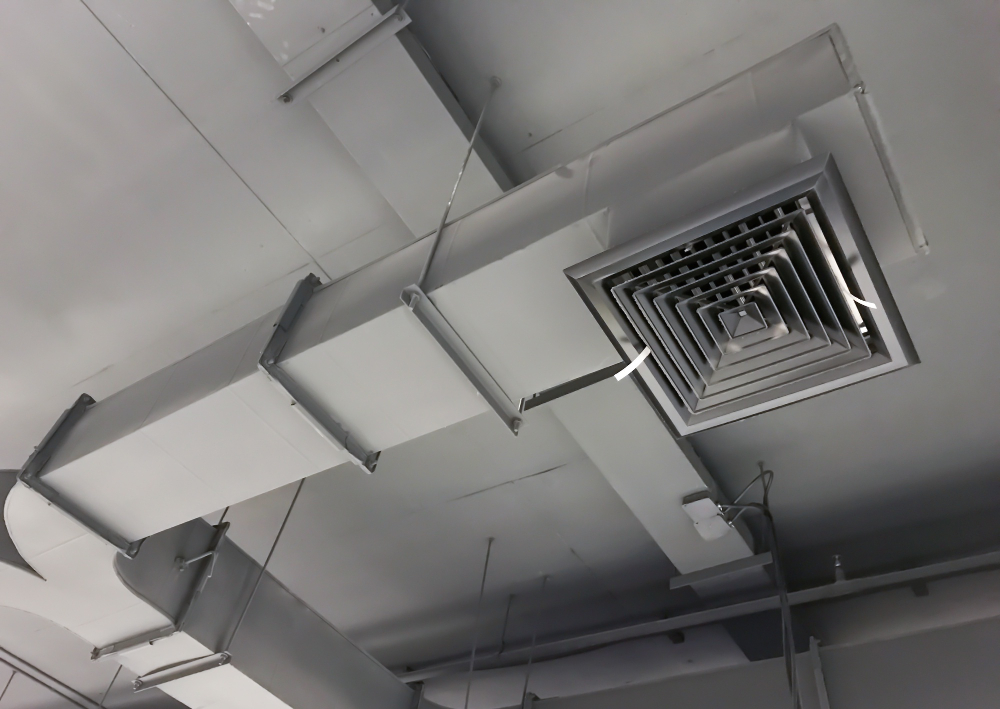
Condensation on air ducts occurs when warm, humid air comes into contact with surfaces that are colder than the dew point. As a result, water vapor in the air turns into liquid droplets that accumulate on the surface of the ductwork.
Preventing condensation requires proper humidity control, balanced airflow, effective insulation, and a well-designed ventilation system. Addressing condensation early helps protect building structures, insulation materials, and HVAC equipment from moisture-related damage.
What Causes Condensation on Air Ducts?
Condensation in ventilation ducts usually results from a combination of high humidity, low surface temperatures, and uneven airflow. When warm, moist air comes into contact with a cold duct surface, it cools and releases moisture in the form of water droplets.
The most common causes of duct condensation include:
High indoor humidity
Cold supply air
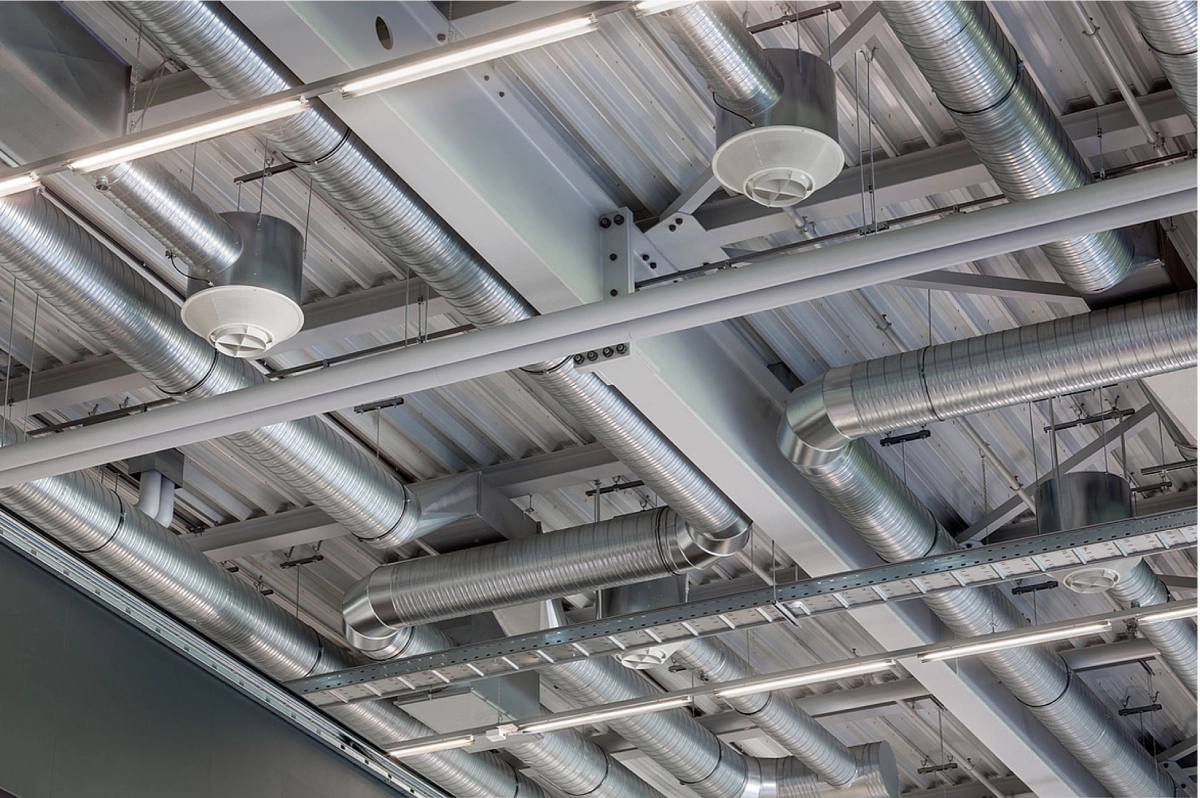
Inadequate or damaged duct insulation
Air leaks at duct connections
Uneven airflow distribution
Poor ventilation
Insufficient humidity control
To prevent condensation, it is essential to reduce excess moisture, optimize airflow, and maintain appropriate duct surface temperatures.
High Indoor Humidity
Air naturally contains water vapor. As humidity levels increase, the likelihood of condensation forming on cold surfaces also rises. This problem is particularly common in kitchens, swimming pools, manufacturing facilities, food processing plants, and other environments where moisture is continuously generated.
Proper humidity control helps prevent condensation while improving indoor comfort and supporting efficient HVAC operation.
Effective humidity management may involve maintaining adequate ventilation, using dehumidification equipment when necessary, and regularly monitoring indoor humidity levels.
Cold Air Duct Surfaces
Conditioned air traveling through ventilation ducts can lower the temperature of the duct surfaces. When the outside surface reaches the dew point of the surrounding air, condensation begins to form.
The greater the temperature difference between the duct surface and the surrounding environment, the higher the potential risk of condensation. Therefore, duct material selection, insulation, and operating conditions must be considered carefully.
Improper Duct Insulation
Insulation limits heat transfer between the air inside a duct and the surrounding environment. Missing, damaged, compressed, or incorrectly installed insulation can allow duct surfaces to become excessively cold, increasing the likelihood of condensation.
Proper insulation offers several benefits:
Reduces condensation risk
Limits heating and cooling losses
Improves energy efficiency
Helps protect surrounding building materials from moisture
Supports longer HVAC system service life
When selecting insulation, it is important to consider the application, operating temperatures, humidity conditions, thermal performance, and long-term durability of the material.
Air Leaks and Uneven Airflow
Air leaks at duct connections and unbalanced airflow can reduce system efficiency. These issues may create localized temperature differences and allow humid air to remain in contact with cold surfaces for longer periods.
A properly designed air distribution system helps distribute air more evenly throughout a space, reducing temperature variations and the conditions that contribute to condensation.
Signs of Condensation on Air Ducts
Condensation can often be identified before it causes more serious problems. Recognizing the warning signs early helps reduce repair costs and prevent damage to HVAC equipment and building materials.
Common signs include:
Water droplets forming on duct surfaces
Air ducts that appear to be sweating
Water dripping from ductwork
Wet or damaged insulation
Mold or mildew around ducts
Rust and corrosion on metal ductwork
Water stains on ceilings and walls
Persistent musty odors
Reduced HVAC system efficiency
If condensation continues despite regular maintenance, it is important to investigate not only the insulation but also airflow distribution, indoor humidity, and the overall system design.
Why Do Air Ducts Sweat?
Sweating air ducts are a visible indication of condensation on the duct surface. When warm, humid air comes into contact with a surface below its dew point, water vapor turns into liquid droplets.
In conventional metal duct systems, this often occurs when humidity is high, insulation is inadequate, or airflow is uneven.
If left untreated, persistent condensation can cause several problems:
Deterioration of insulation materials
Mold and mildew growth
Accelerated corrosion of metal surfaces
Damage to ceilings and walls
Increased maintenance expenses
Reduced HVAC energy efficiency
To resolve the problem effectively, the underlying cause must be identified and addressed rather than simply removing the visible moisture.
How to Stop Condensation on Ductwork
Preventing condensation requires a coordinated approach that considers humidity, temperature, airflow, and insulation. Combining several preventive measures generally provides better results than relying on a single solution.
1. Reduce Indoor Humidity
Reducing indoor humidity limits the amount of water vapor available to condense on cold surfaces.
Recommended measures include:
Ensuring adequate ventilation
Using dehumidification equipment when necessary
Identifying and controlling sources of excess moisture
Monitoring indoor humidity levels
Maintaining humidity within the recommended range for the building's intended use
Appropriate humidity levels should be determined according to the building type, occupancy, and relevant technical requirements.
2. Improve Airflow Distribution
Uneven airflow can create stagnant areas and temperature differences throughout a building. Proper airflow balancing helps distribute conditioned air more consistently.
Benefits include:
More uniform indoor temperatures
Reduced risk of localized cold spots
Improved thermal comfort
Better HVAC system efficiency
Fewer temperature variations that contribute to condensation
When designing an air distribution system, engineers should consider room dimensions, ceiling height, occupancy, equipment heat loads, and required airflow rates.
3. Insulate Air Ducts Properly
Correct insulation selection and installation are essential for preventing condensation on conventional metal ductwork.
Duct insulation should:
Have an appropriate thickness for the application
Cover the duct surface continuously
Be properly sealed at joints and connections
Be protected against moisture and mechanical damage
Be inspected regularly for deterioration
The selection process should consider not only the purchase price but also thermal conductivity, moisture resistance, durability, and long-term performance.
4. Seal Air Leaks
Air leaks at duct joints and connections can disrupt airflow balance and increase energy consumption.
To reduce leakage:
Inspect duct joints and seams
Repair damaged connections
Check the airtightness of ductwork
Use suitable sealing materials
Include leak inspections in routine maintenance
Reducing air leakage helps the HVAC system operate closer to its intended design conditions and can improve overall efficiency.
5. Prevent Cold Spots
Cold spots may develop when air is distributed unevenly throughout a building. Areas with significantly lower temperatures can become more susceptible to condensation.
To minimize this risk, air outlets should be positioned appropriately, airflow rates should be calculated correctly, and the system should be balanced during commissioning and maintenance.
A well-designed ventilation system distributes air according to the requirements of the occupied space rather than concentrating it in only a few locations.
6. Maintain the HVAC System Regularly
Routine maintenance helps identify condensation-related problems before they become more serious.
Regular inspections may include:
Measuring indoor humidity
Inspecting HVAC equipment
Checking insulation conditions
Cleaning or replacing filters
Verifying airflow performance
Inspecting air ducts for cleanliness
Checking condensate drainage systems
Identifying air leaks
Preventive maintenance improves system reliability, extends equipment service life, and helps reduce unexpected repair costs.
How to Reduce Moisture in Air Ducts
Excess moisture in air ducts can encourage mold growth, corrosion, unpleasant odors, and HVAC performance problems. The first step in reducing moisture is identifying its source.
Improve Ventilation
Proper ventilation removes humid indoor air and introduces fresh air where required. Insufficient air exchange can cause indoor humidity to rise, making condensation more difficult to control.
Ventilation systems should be selected and designed according to the building's intended use, occupancy levels, and expected moisture loads.
Control Indoor Humidity
Humidity sensors and monitoring systems help track indoor conditions and identify potential problems.
Continuous humidity monitoring is particularly important in swimming pools, food processing facilities, commercial kitchens, and manufacturing environments.
In these applications, effective ventilation, suitable dehumidification equipment, and balanced air distribution should work together to control excess moisture.
Maintain Balanced Airflow
Balanced airflow helps prevent stagnant air zones and supports more consistent indoor temperatures.
To achieve this, the system's airflow rates, duct dimensions, air outlet locations, and actual operating performance should be checked and adjusted when necessary.
Perform Regular Maintenance
During routine maintenance, the condition of ductwork, filters, insulation, and drainage systems should be assessed. This helps prevent recurring condensation and supports reliable long-term operation.
HVAC Humidity Control and Condensation Prevention
Humidity control is one of the most important elements of preventing condensation in HVAC systems. Even a properly designed system may experience condensation under certain conditions if indoor humidity remains too high.
An effective humidity management strategy may include:
Continuous humidity monitoring
Proper mechanical ventilation
Dehumidification when necessary
Balanced air distribution
Temperature management
Control of excess moisture sources
Regular inspection of ductwork and insulation
Air distribution must also be considered alongside humidity control. Even when average humidity levels are acceptable, localized cold spots can still create conditions in which condensation develops.
Conclusion
Condensation on air ducts is more than a cosmetic issue. Persistent moisture can damage insulation, corrode metal surfaces, affect ceilings and walls, encourage mold growth, and increase maintenance costs.
Preventing condensation requires effective humidity control, balanced airflow, appropriate insulation, sealed duct connections, and regular HVAC maintenance.
Selecting suitable ventilation materials and planning an effective air distribution system are essential steps toward achieving reliable, energy-efficient, and long-lasting HVAC performance.
Caspian Klima supplies heating, cooling, ventilation, and boiler equipment, helping construction and engineering projects select products that meet their technical requirements.
Other Manufacturing Sectors
How to prevent condensation on air ducts
Vacuum valves: types, operating principles, and industrial applications
What are measuring instruments? types, applications, and their role in industry

What is unbalanced airflow?
Why Pressure Loss Matters in Ventilation Ductwork Design
Why is one room hotter than the rest of the house?
10 signs that your home’s air quality needs improvement

The Importance of Ventilation Filters
How to choose the right ventilation system for offices, warehouses and restaurants
Critical components of hospital ventilation systems that require regular testing
Top 5 Ways to Improve Energy Efficiency in Commercial Buildings

Why your air conditioner Is running but not cooling the room

Why does condensation form on windows and how can you prevent it?

How to Reduce Energy Losses in Local Exhaust Ventilation Systems
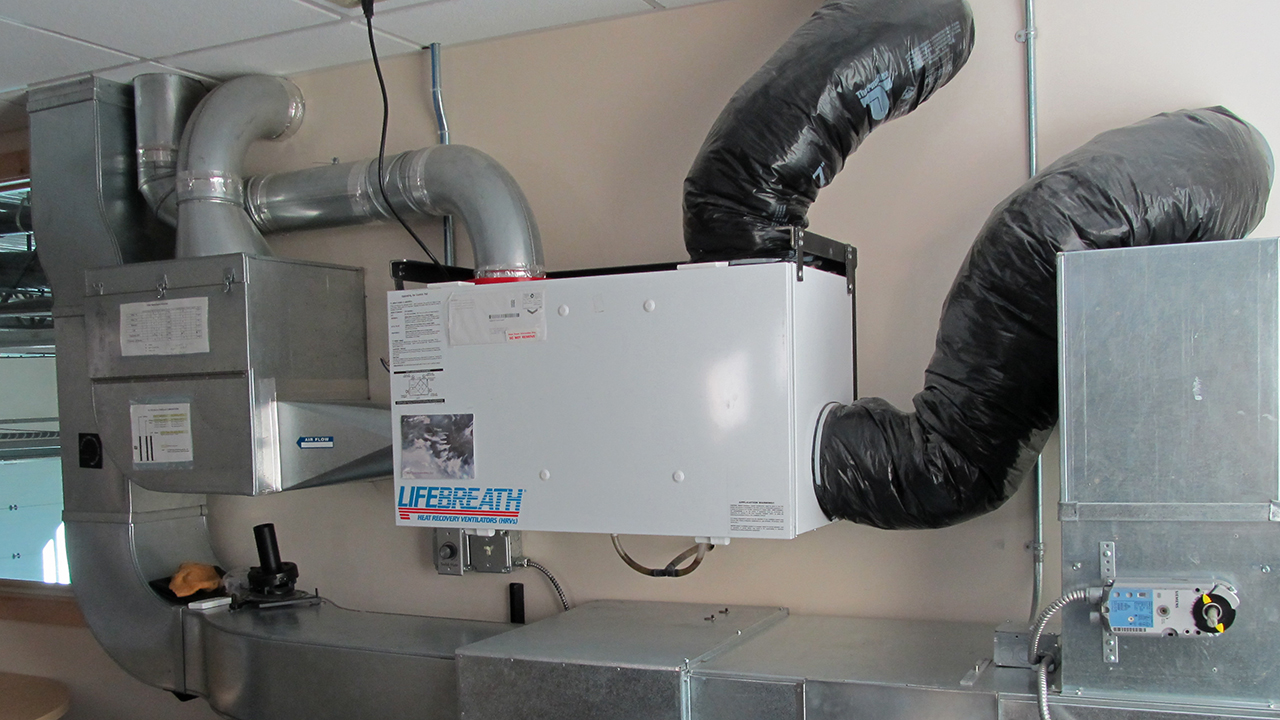
How to Choose the Right Material for HVAC Pipes
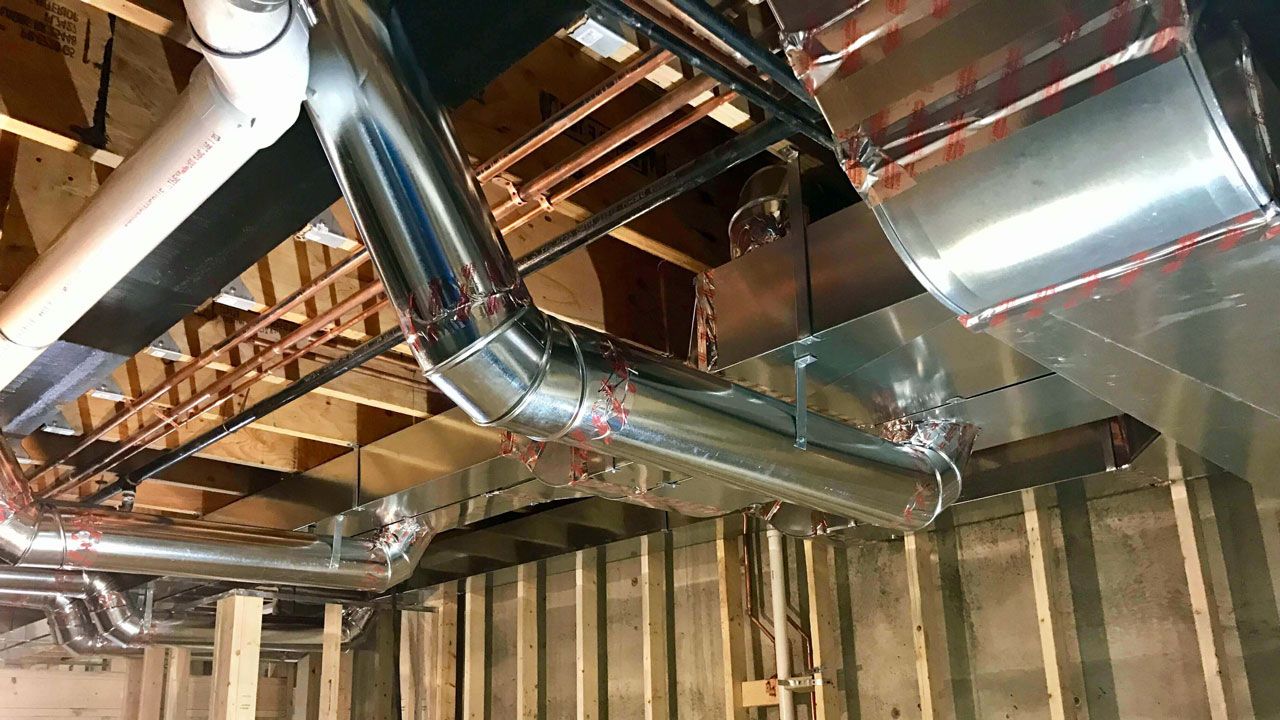
Enhancing workplace efficiency: The strategic importance of selecting quality flexible air ducts
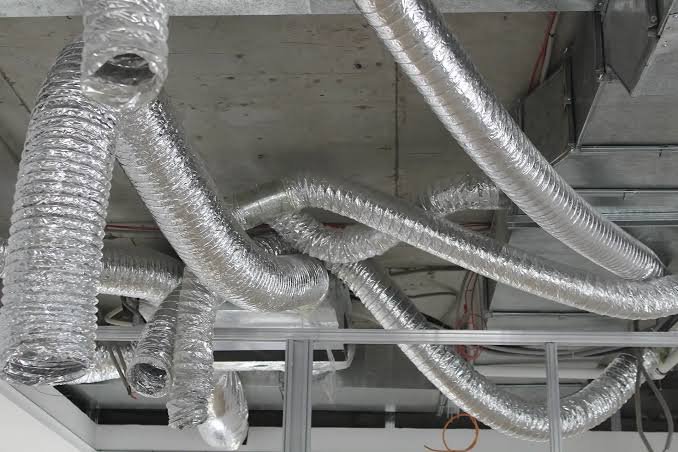
What is a boiler room system and how do you choose the right equipment for your project?
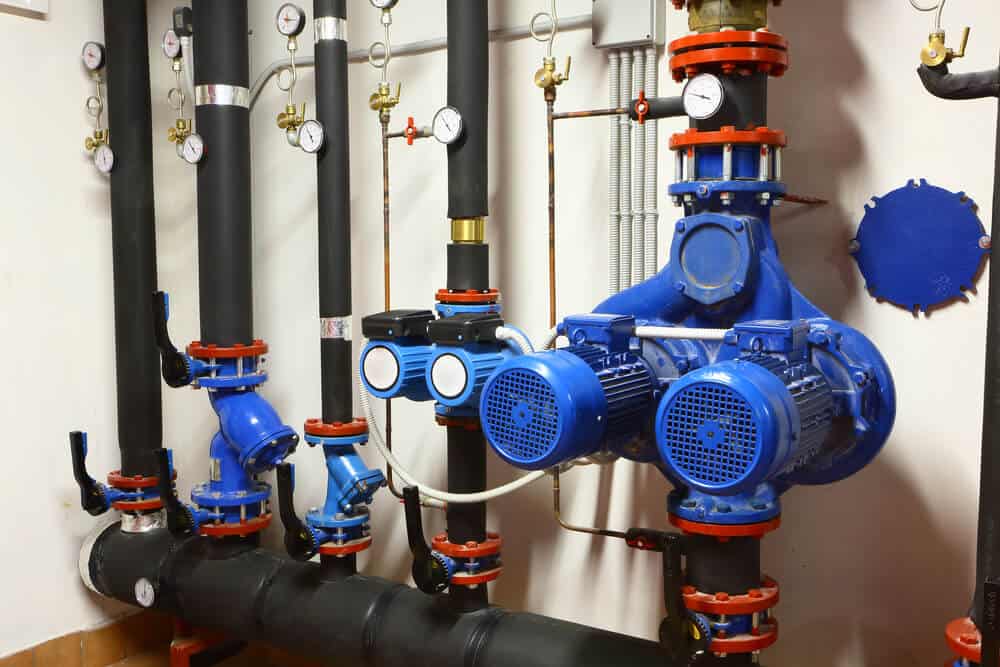
Measurement Equipment and Safety Valves: Safety and Control in Heating Systems
The Role and Importance of Expansion Tanks in Heating Systems
6 signs your building needs better ventilation

How to choose the right ductwork?
Types of Bolts: Components, Sizes, and Applications
Threaded Rod: Types, Applications, and Selection Guide
The importance of material selection in mechanical engineering: Ensuring optimal performance and longevity

Insulated vs Non-Insulated flexible ducting | Buyer's guide
10 Key Factors to Consider When Choosing a Good Industrial Steam Boiler
10 Smart Ways to Improve Home Energy Efficiency Without Replacing Your Boiler
The importance of proper mechanical process installations

What are VRF systems and which buildings are they suitable for?
Advantages of insulated air ducts and why they are important
Energy-efficient heating systems: Which solutions are the most effective?
What are MEP systems and why are they important in construction projects?
The role of ventilation systems in creating a healthy and comfortable environment

Thermal Insulation: What Is It and How Is It Used?
What are accumulation tanks and why are they worth using?
Ofislərdə düzgün soyutma sistemi məhsuldarlığa necə təsir edir?

HVAC sistemlərinin ağıllı ev sistemləri ilə inteqrasiyası

Breathing made easy: the undeniable benefits of a home ventilation system.
What are ball valves and how do they work?
Comparison of threaded pipe and welded pipe: which is better for your project?
The role of ventilation in ensuring fire safety and smoke control.
How good air circulation improves your shopping experience?
Duct fans: comprehensive applications and points to consider
Ventilation in hospitals and healthcare facilities

Boiler or stove: how to decide?
What type of heating is best for an old house?
How to calculate the required boiler capacity?

Boiler pressure keeps dropping — what is the reason?
Why Does My Boiler Keep Turning Off?

Boiler Size; This Really Matters
Choosing the Right Boiler Size for Your Home

Should I Keep The Boiler Running Continuously?
Noisy Boiler: Possible Causes And Solutions
The Importance of the Expansion Tank
How to Keep Your Pipes Warm in Winter: Tips to Prevent Freezing
Types of Electric Heaters
Can you dry clothes on bathroom towel radiators?
Common Insulation Problems
The Importance of Proper Insulation in Home Heating
Combi Boiler vs System Boiler: Which Is Best for Your Home?
How to Prepare Your Home for HVAC Installation: 9 Essential Tips
HVAC for New Construction: What You Need to Know

How to choose the best boilers for schools in 2026?
How to clean a gas boiler?
What is mechanical ventilation?
How to improve air quality during allergy season

The truth behind common myths about air purifiers

Choosing Clamps for Professionals: Structure, Types and Applications

The Role and Importance of Measurement Equipment in Industry
Safety Gloves: A Small Tool, Big Protection

Your Home’s “Thermos” Effect: The Secret to Staying Warm in Winter and Cool in Summer
Practical Guide: Maintenance, Efficiency, and Safety of Boiler Room Systems

The Hidden Heroes of Our Home: Radiators

How Radiators Work: The Heat Distributors of Your Home

Boiler Rooms Explained: The Core of Home Heating

Energy-Efficient Home Heating Options: A Complete Guide

Why Is Regular Maintenance of HVAC Systems Important?

Control and Safety Devices in the Boiler Room: Essential Components for Your System

What is HVAC? Fundamentals of Heating and Cooling Systems

The ventilation systems in large buildings

Radiators vs Underfloor Heating: Which Works Better with Heat Pumps?

Radiators and Heating Systems: Comfortable and Energy-Efficient Solutions for Your Home

HVAC Pipe Insulation – Energy Saving and Stable Temperature Maintenance

What Don’t We Know About Ventilation Systems?

The Importance of Insulation for Energy Efficiency

Şüşə Yunu ilə Boru İzolyasiyası Nədir və Niyə Vacibdir?

Hansı radiator daha yaxşıdır?

What are heating systems for?

Havalandırma avadanlıqları nə üçündür?

Ventilation Systems

Heating systems - Models and prices

Heating systems

Havalandırma sistemləri (Havalandirma sistemleri)

Boru armaturları və fittinqləri

Qazanxana nədir?

Mechanical and Natural Ventilation: Which Is More Effective?

Ways to Save Energy with Smart Heating Systems

Effective Cooling Solutions for Commercial Properties

Boiler, Air Conditioning, and Ventilation System: How Are They Controlled Simultaneously?

Alternative Energy Sources in Heating and Cooling: Technologies of the Future
