


The Role of Pipe Fittings in Ensuring System Reliability and Safety
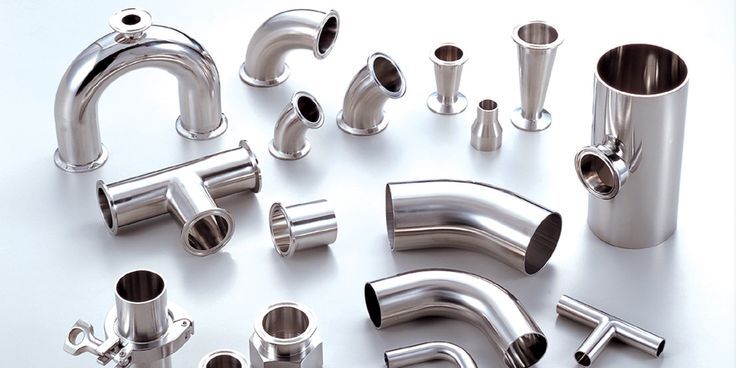
Pipe fittings are essential components that ensure the safe and continuous transportation of water, gas, and other fluids through piping systems. They are used to connect pipes, change flow directions, regulate distribution, and join different sections of a pipeline.
Whether used in residential water supply systems or large industrial facilities, the correct selection and installation of pipe fittings play an important role in maintaining system durability, efficiency, and operational safety.
Ensuring Leak-Free Connections
One of the primary functions of pipe fittings is to create secure and leak-free connections between pipeline sections. Properly selected fittings prevent fluids and gases from escaping at connection points and help maintain normal system operation.
Leaks can result in water and resource losses, equipment damage, additional repair costs, and environmental contamination, particularly when hazardous substances are involved. Therefore, the material, size, and connection method of pipe fittings must meet the technical requirements of the system.
Maintaining Structural Integrity
Pipe fittings are used to connect pipes, change pipeline directions, and join different structural components. They must withstand internal pressure, mechanical loads, and temperature variations during operation.
The strength of a fitting depends on its manufacturing material, applicable technical standards, and pressure rating. For this reason, operating pressure and temperature conditions must be considered during the selection process.
Properly selected and installed pipe fittings reduce the risk of unexpected failures and leakage, helping ensure reliable system performance.
Improving Piping System Flexibility
Pipe fittings allow piping systems to be designed according to different technical and spatial requirements. They make it possible to change pipe directions, connect pipelines of different diameters, distribute flow in multiple directions, and adjust the overall system configuration.
This flexibility is particularly important in industrial facilities with limited space and complex engineering layouts. In water supply, oil and gas, and chemical processing industries, correctly selected fittings support more efficient pipeline installation and operation.
Supporting Pressure Management
Maintaining appropriate internal pressure is essential for the safe operation of industrial piping systems. Pipe fittings are manufactured to meet specific pressure ratings and temperature limits.
Selecting fittings that are unsuitable for the system's operating conditions can lead to damaged connections, leakage, and equipment failures. Therefore, the pressure rating, material, and technical specifications of each fitting must correspond to the project's design requirements.
Contributing to System Safety
Pipe fittings also play an important role in fire protection, gas supply, chemical transportation, and other safety-critical systems.
Fittings used in these applications must withstand high temperatures, corrosion, and other challenging operating conditions. In fire protection systems, particular attention must be paid to ensuring that pipes and fittings comply with the applicable fire safety standards.
Choosing the right fittings helps protect both equipment and personnel while reducing potential operational risks.
Ensuring Compliance with Safety Standards
Relevant industry standards must be followed during the design, installation, and maintenance of piping systems. These standards establish requirements for materials, connection methods, pressure ratings, and operating conditions.
Regular pipeline inspections, technical maintenance, and timely repairs help identify potential problems before they develop into serious failures. This approach protects both employees and the surrounding environment.
Conclusion
Pipe fittings play a vital role in the reliable and safe operation of every piping system. Their main functions include creating leak-free connections, maintaining structural integrity, supporting pressure management, and adapting pipelines to specific technical requirements.
Selecting fittings that meet project specifications and ensuring their professional installation extends the service life of piping systems, reduces the risk of failures, and improves overall operational efficiency.
Other Manufacturing Sectors
The Role of Pipe Fittings in Ensuring System Reliability and Safety
Preventing corrosion: How to protect heating systems long-term and avoid damage
How to prevent condensation on air ducts
Vacuum valves: types, operating principles, and industrial applications
What are measuring instruments? types, applications, and their role in industry
What is unbalanced airflow?
Why Pressure Loss Matters in Ventilation Ductwork Design

Why is one room hotter than the rest of the house?
10 signs that your home’s air quality needs improvement
The Importance of Ventilation Filters
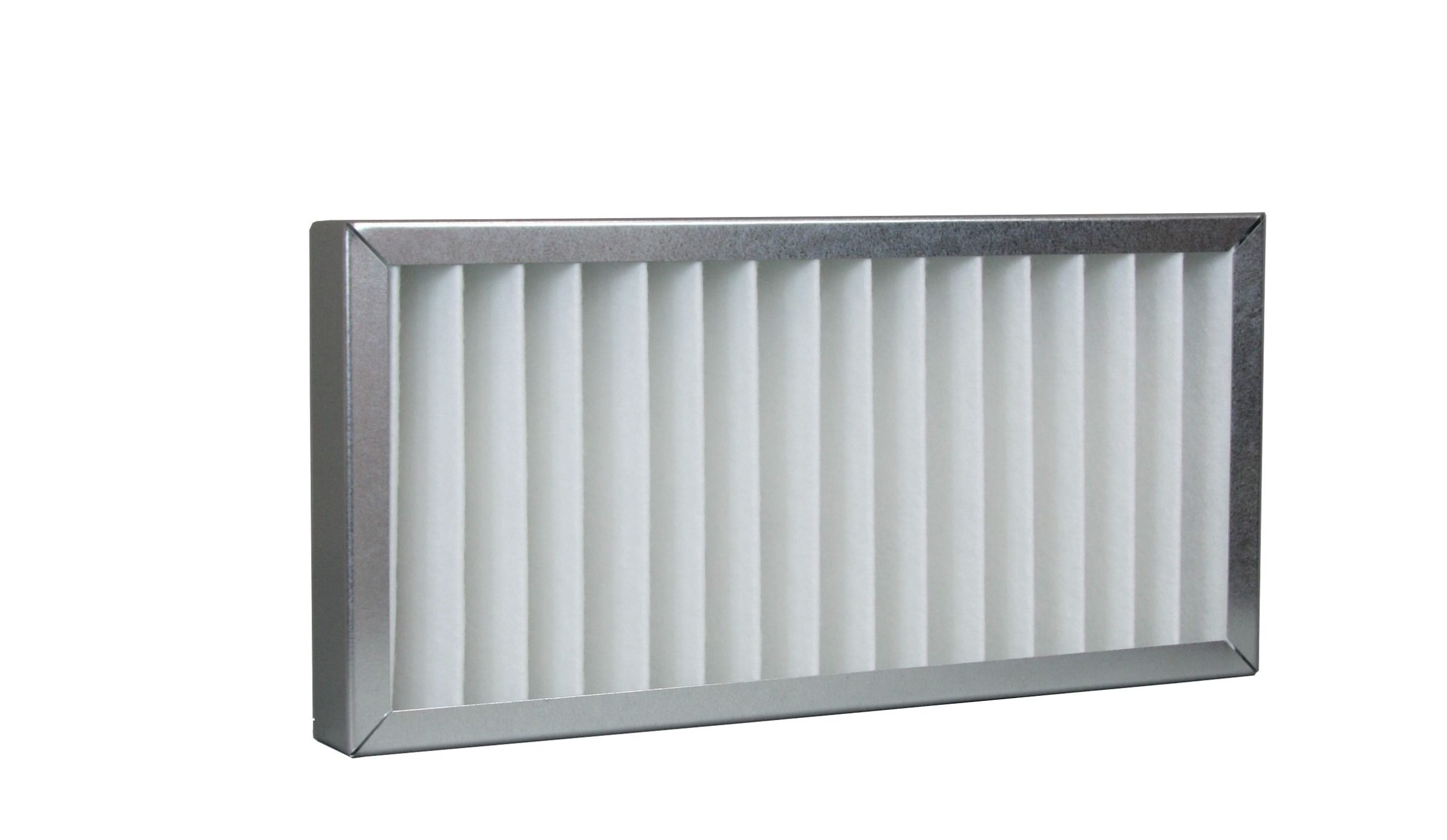
How to choose the right ventilation system for offices, warehouses and restaurants
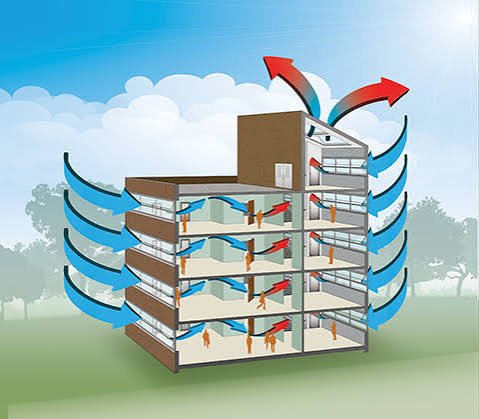
Critical components of hospital ventilation systems that require regular testing
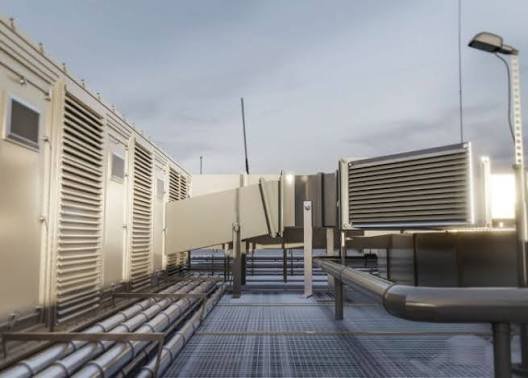
Top 5 Ways to Improve Energy Efficiency in Commercial Buildings

Why your air conditioner Is running but not cooling the room

Why does condensation form on windows and how can you prevent it?

How to Reduce Energy Losses in Local Exhaust Ventilation Systems
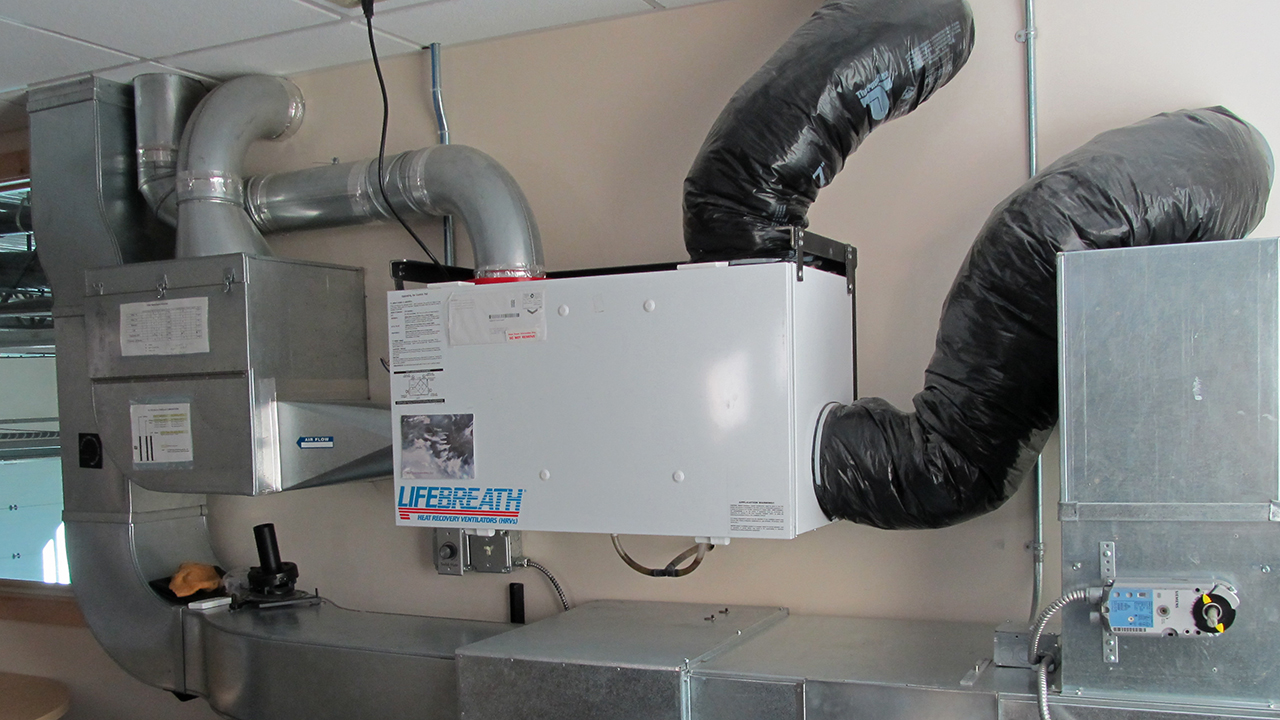
How to Choose the Right Material for HVAC Pipes
Enhancing workplace efficiency: The strategic importance of selecting quality flexible air ducts
What is a boiler room system and how do you choose the right equipment for your project?
Measurement Equipment and Safety Valves: Safety and Control in Heating Systems
The Role and Importance of Expansion Tanks in Heating Systems
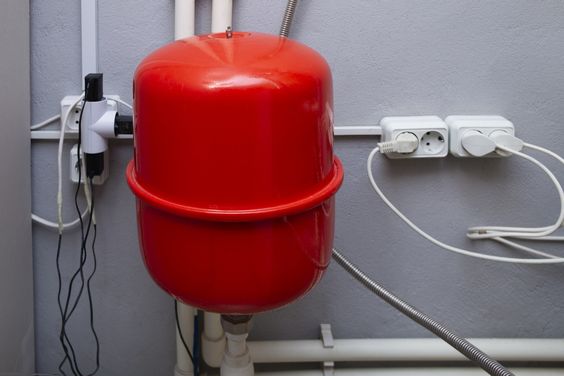
6 signs your building needs better ventilation

How to choose the right ductwork?
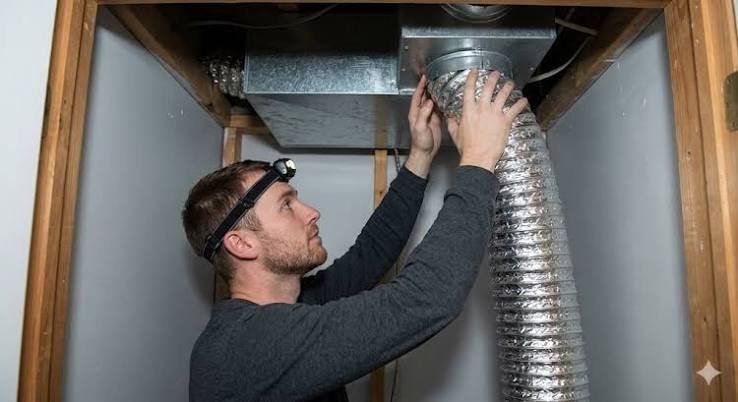
Types of Bolts: Components, Sizes, and Applications
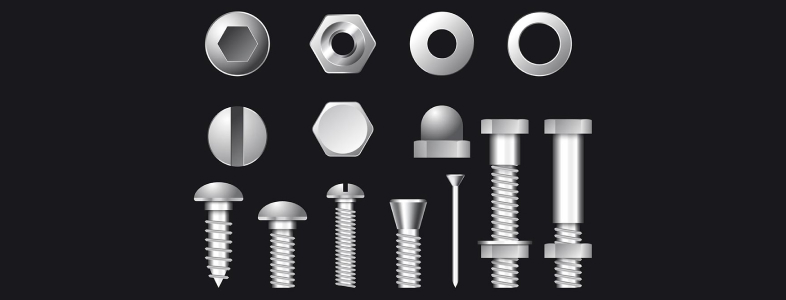
Threaded Rod: Types, Applications, and Selection Guide
The importance of material selection in mechanical engineering: Ensuring optimal performance and longevity
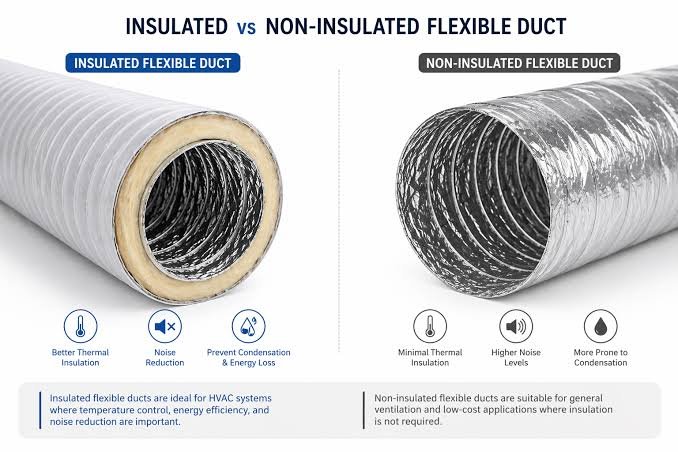
Insulated vs Non-Insulated flexible ducting | Buyer's guide
10 Key Factors to Consider When Choosing a Good Industrial Steam Boiler
10 Smart Ways to Improve Home Energy Efficiency Without Replacing Your Boiler
The importance of proper mechanical process installations

What are VRF systems and which buildings are they suitable for?
Advantages of insulated air ducts and why they are important
Energy-efficient heating systems: Which solutions are the most effective?
What are MEP systems and why are they important in construction projects?
The role of ventilation systems in creating a healthy and comfortable environment

Thermal Insulation: What Is It and How Is It Used?

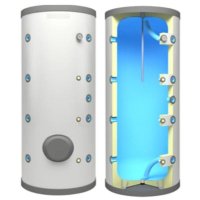
What are accumulation tanks and why are they worth using?
Ofislərdə düzgün soyutma sistemi məhsuldarlığa necə təsir edir?

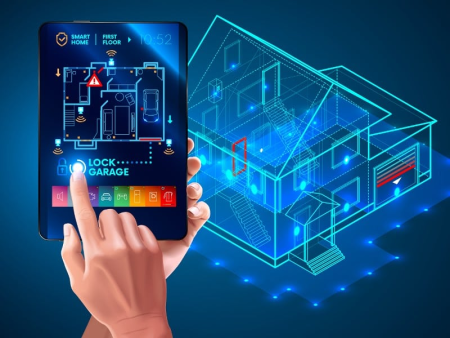
HVAC sistemlərinin ağıllı ev sistemləri ilə inteqrasiyası
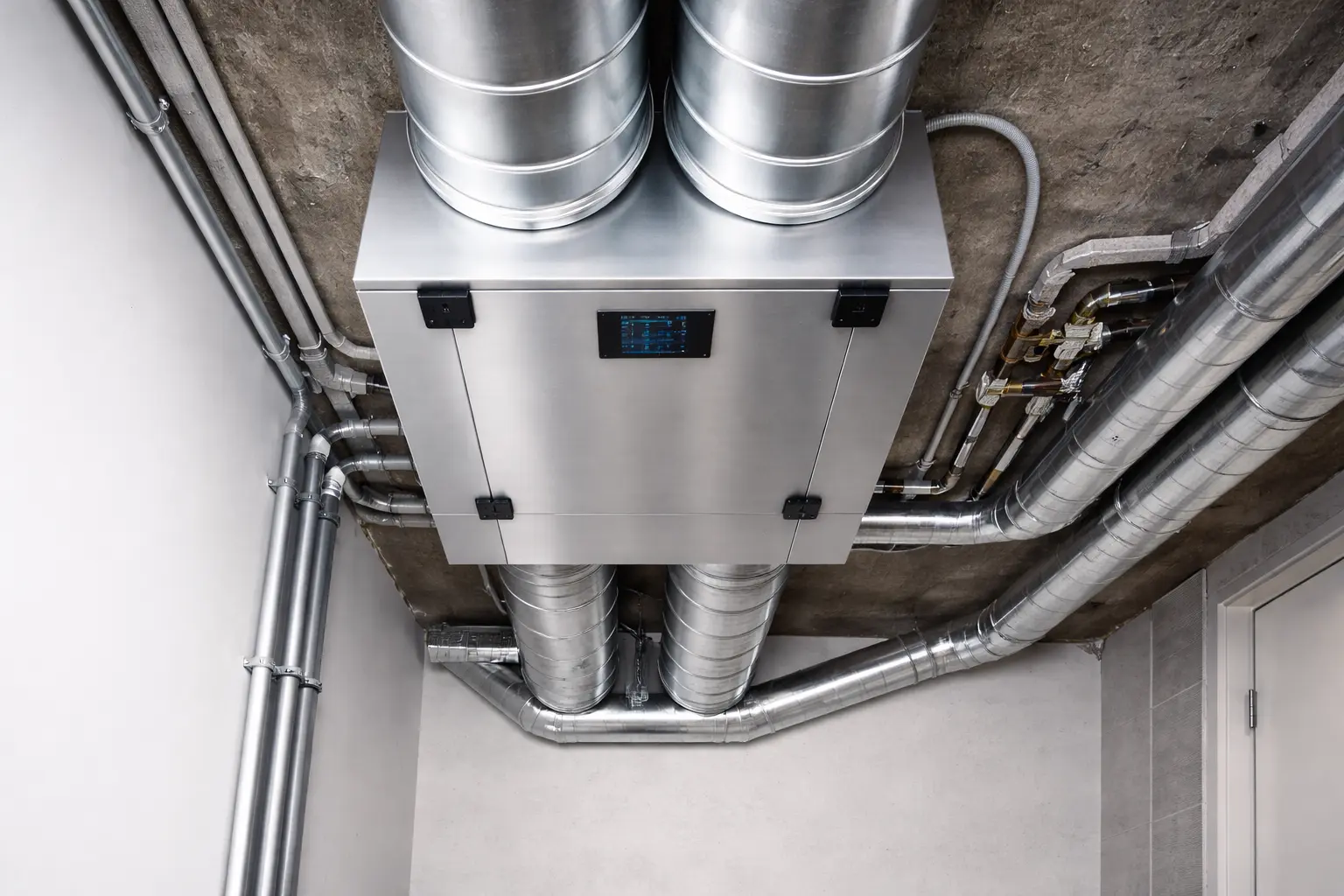
Breathing made easy: the undeniable benefits of a home ventilation system.
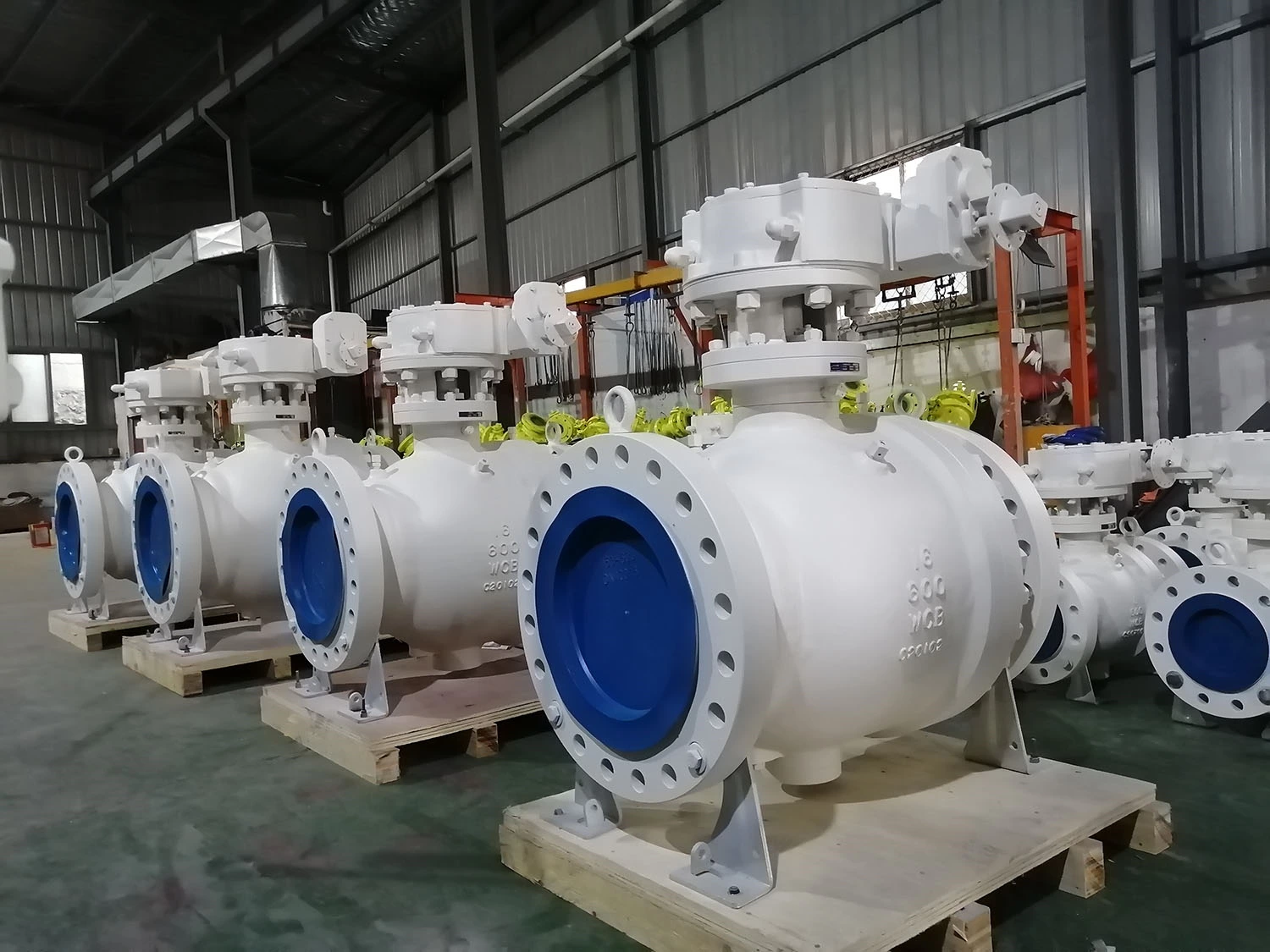
What are ball valves and how do they work?
Comparison of threaded pipe and welded pipe: which is better for your project?
The role of ventilation in ensuring fire safety and smoke control.
How good air circulation improves your shopping experience?
Duct fans: comprehensive applications and points to consider
Ventilation in hospitals and healthcare facilities
Boiler or stove: how to decide?
What type of heating is best for an old house?
How to calculate the required boiler capacity?

Boiler pressure keeps dropping — what is the reason?
Why Does My Boiler Keep Turning Off?
Boiler Size; This Really Matters
Choosing the Right Boiler Size for Your Home

Should I Keep The Boiler Running Continuously?
Noisy Boiler: Possible Causes And Solutions
The Importance of the Expansion Tank
How to Keep Your Pipes Warm in Winter: Tips to Prevent Freezing
Types of Electric Heaters
Can you dry clothes on bathroom towel radiators?
Common Insulation Problems
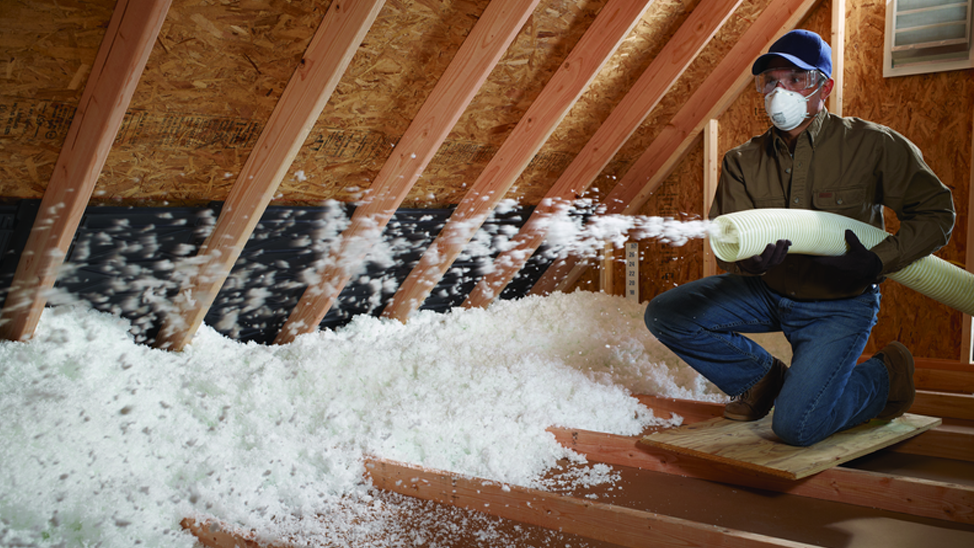
The Importance of Proper Insulation in Home Heating
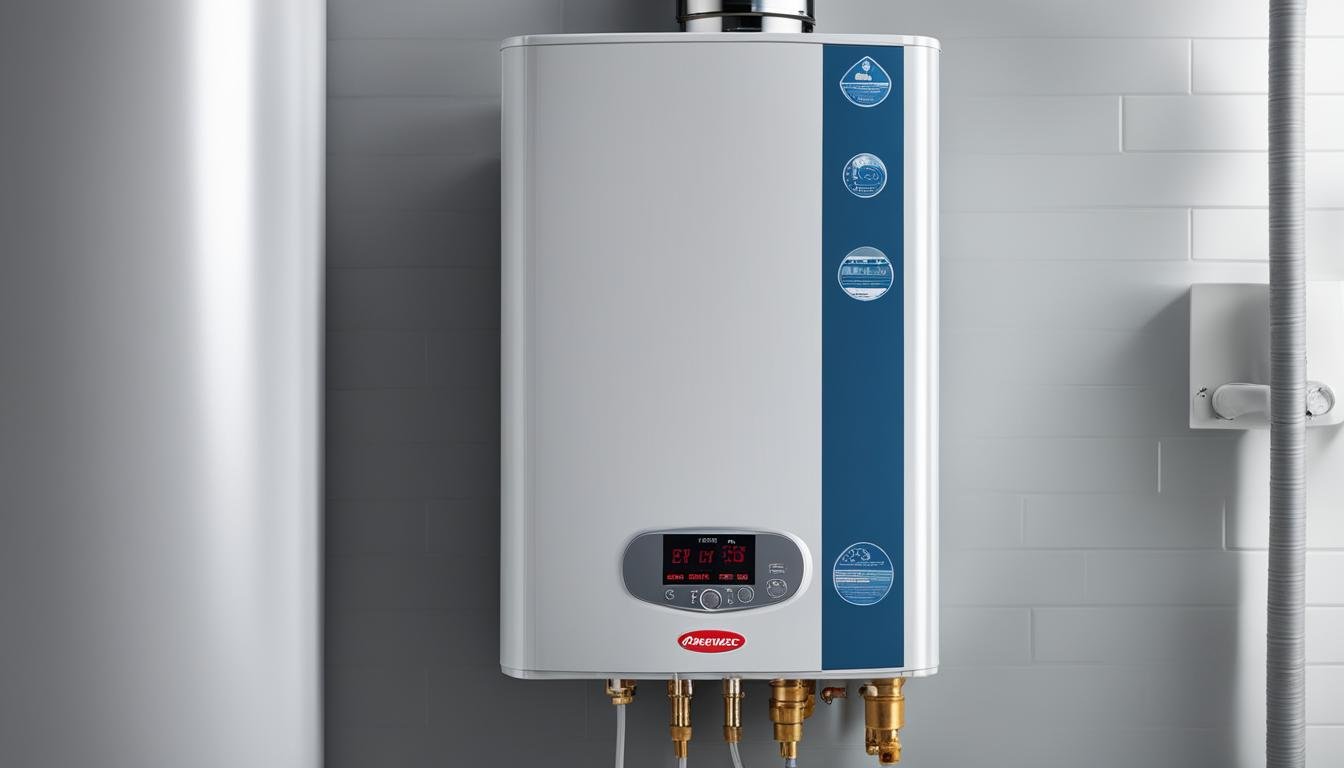
Combi Boiler vs System Boiler: Which Is Best for Your Home?
How to Prepare Your Home for HVAC Installation: 9 Essential Tips
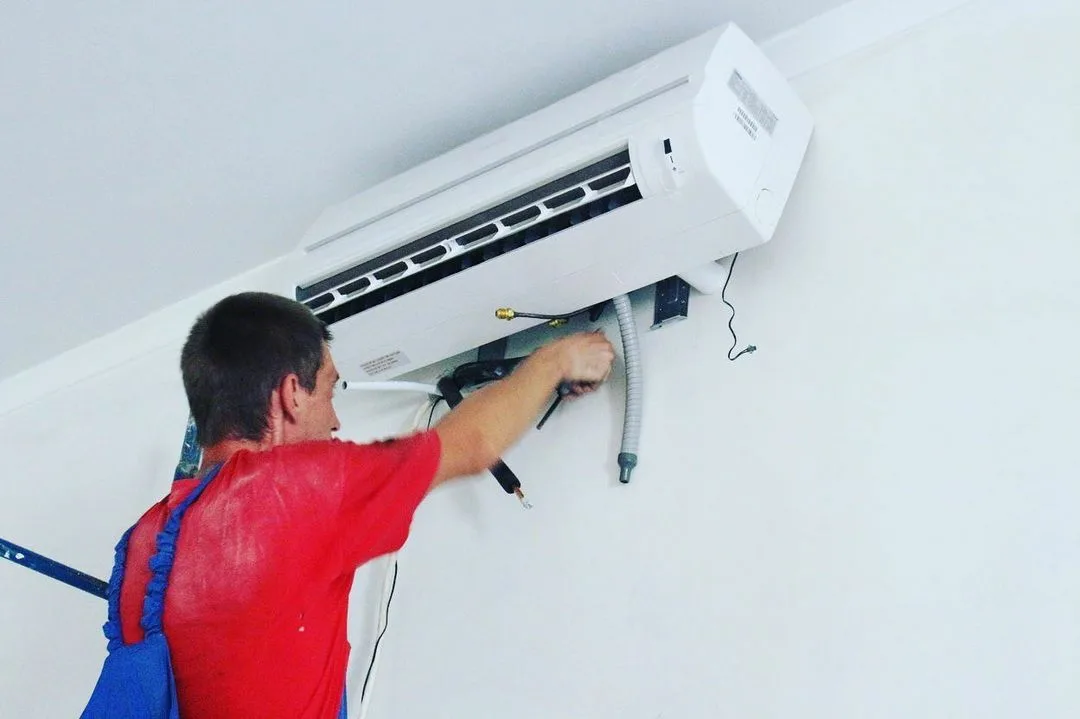
HVAC for New Construction: What You Need to Know
How to choose the best boilers for schools in 2026?
How to clean a gas boiler?
What is mechanical ventilation?
How to improve air quality during allergy season

The truth behind common myths about air purifiers

Choosing Clamps for Professionals: Structure, Types and Applications

The Role and Importance of Measurement Equipment in Industry
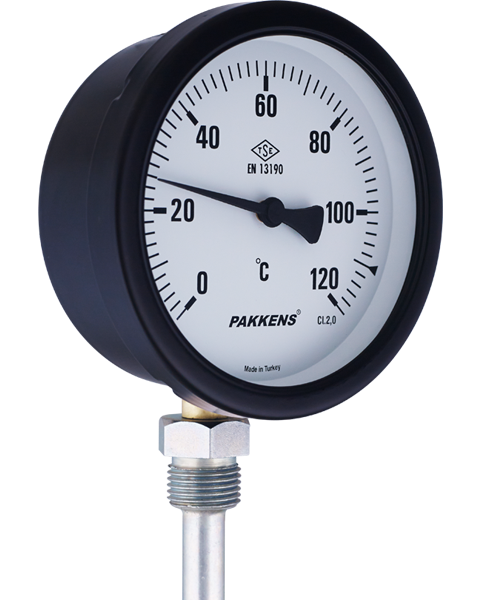
Safety Gloves: A Small Tool, Big Protection
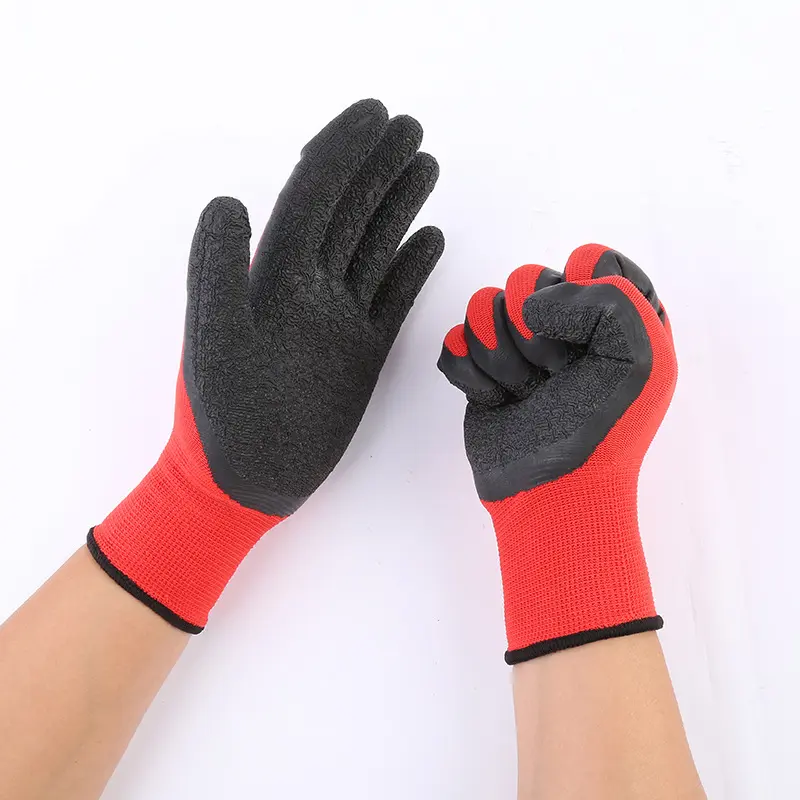
Your Home’s “Thermos” Effect: The Secret to Staying Warm in Winter and Cool in Summer
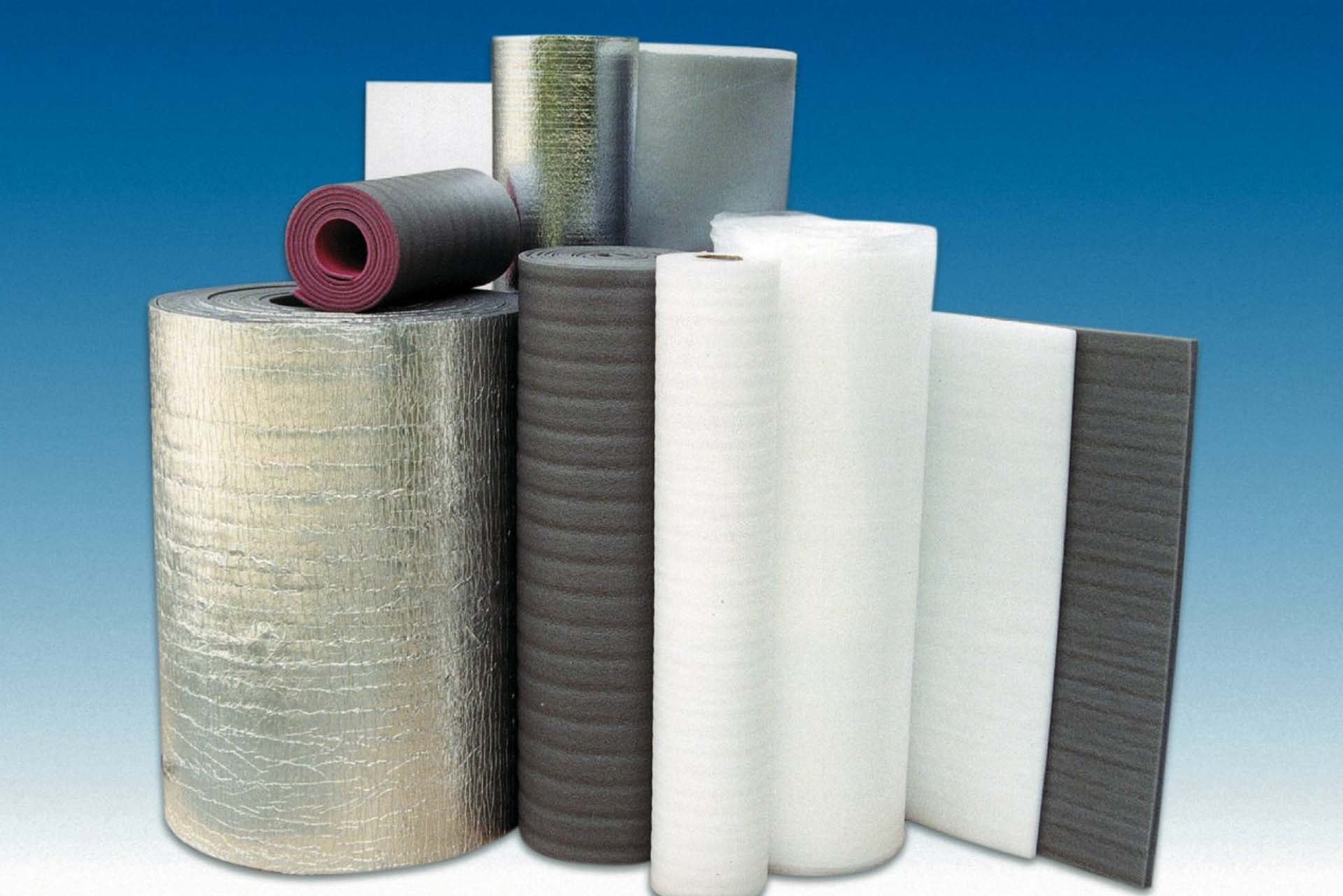
Practical Guide: Maintenance, Efficiency, and Safety of Boiler Room Systems

The Hidden Heroes of Our Home: Radiators

How Radiators Work: The Heat Distributors of Your Home

Boiler Rooms Explained: The Core of Home Heating

Energy-Efficient Home Heating Options: A Complete Guide

Why Is Regular Maintenance of HVAC Systems Important?

Control and Safety Devices in the Boiler Room: Essential Components for Your System

What is HVAC? Fundamentals of Heating and Cooling Systems

The ventilation systems in large buildings

Radiators vs Underfloor Heating: Which Works Better with Heat Pumps?

Radiators and Heating Systems: Comfortable and Energy-Efficient Solutions for Your Home

HVAC Pipe Insulation – Energy Saving and Stable Temperature Maintenance

What Don’t We Know About Ventilation Systems?

The Importance of Insulation for Energy Efficiency

Şüşə Yunu ilə Boru İzolyasiyası Nədir və Niyə Vacibdir?

Hansı radiator daha yaxşıdır?

What are heating systems for?

Havalandırma avadanlıqları nə üçündür?

Ventilation Systems

Heating systems - Models and prices

Heating systems

Havalandırma sistemləri (Havalandirma sistemleri)

Boru armaturları və fittinqləri

Qazanxana nədir?

Mechanical and Natural Ventilation: Which Is More Effective?

Ways to Save Energy with Smart Heating Systems

Effective Cooling Solutions for Commercial Properties

Boiler, Air Conditioning, and Ventilation System: How Are They Controlled Simultaneously?

Alternative Energy Sources in Heating and Cooling: Technologies of the Future
